A new collaboration reflects how retail is blending entertainment, fashion, and interiors, as brands look to create immersive design narratives that resonate beyond traditional home furnishings
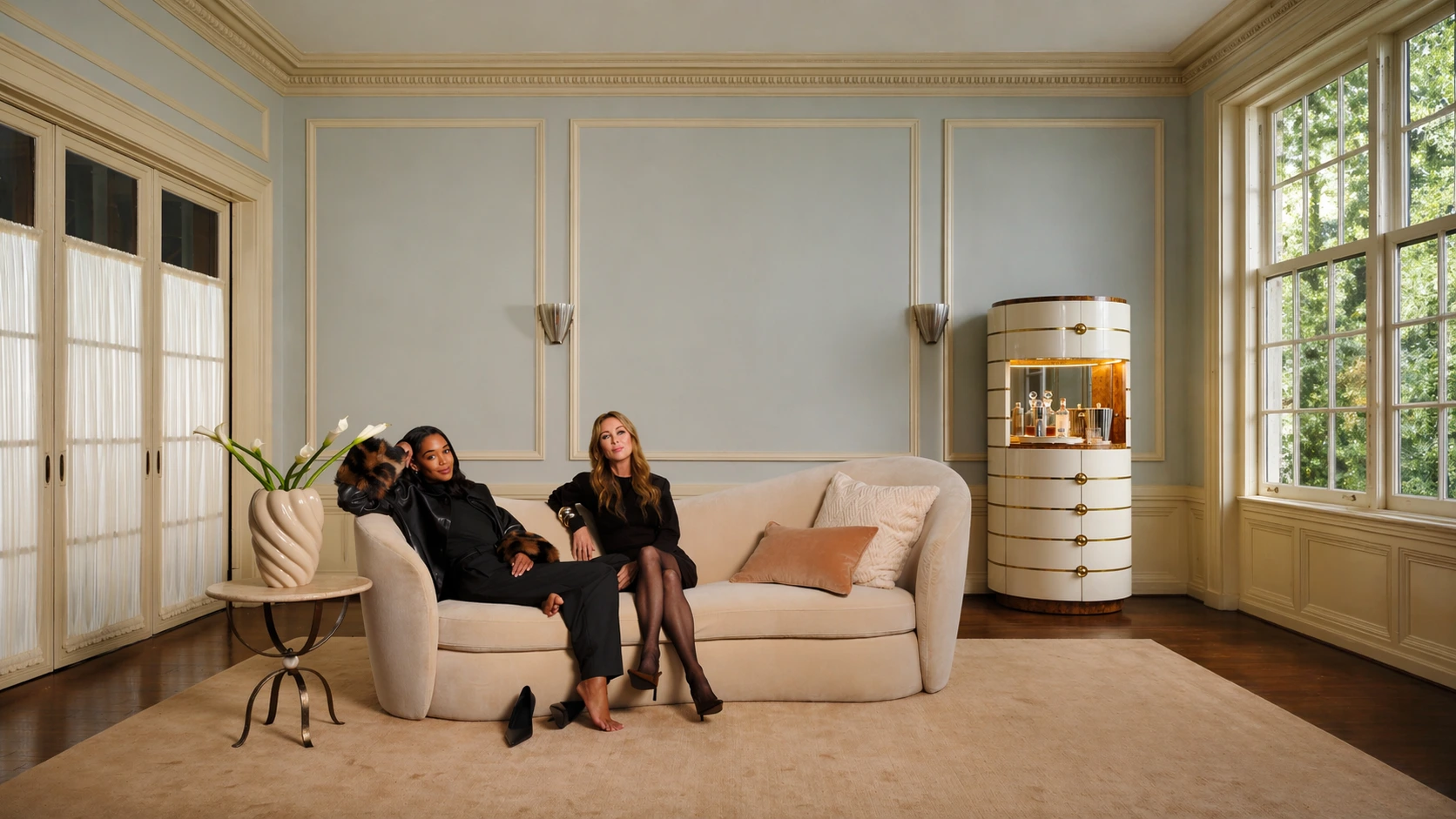
Crate & Barrel is introducing a new interiors collection created in partnership with designer Tiffany Howell and actor Laura Harrier, marking another step in the brand’s ongoing effort to merge lifestyle storytelling with home design. The 87-piece assortment spans furniture, lighting, textiles, and decor, but its significance lies less in its size than in its thematic ambition: translating cinematic and fashion influences into everyday living spaces.
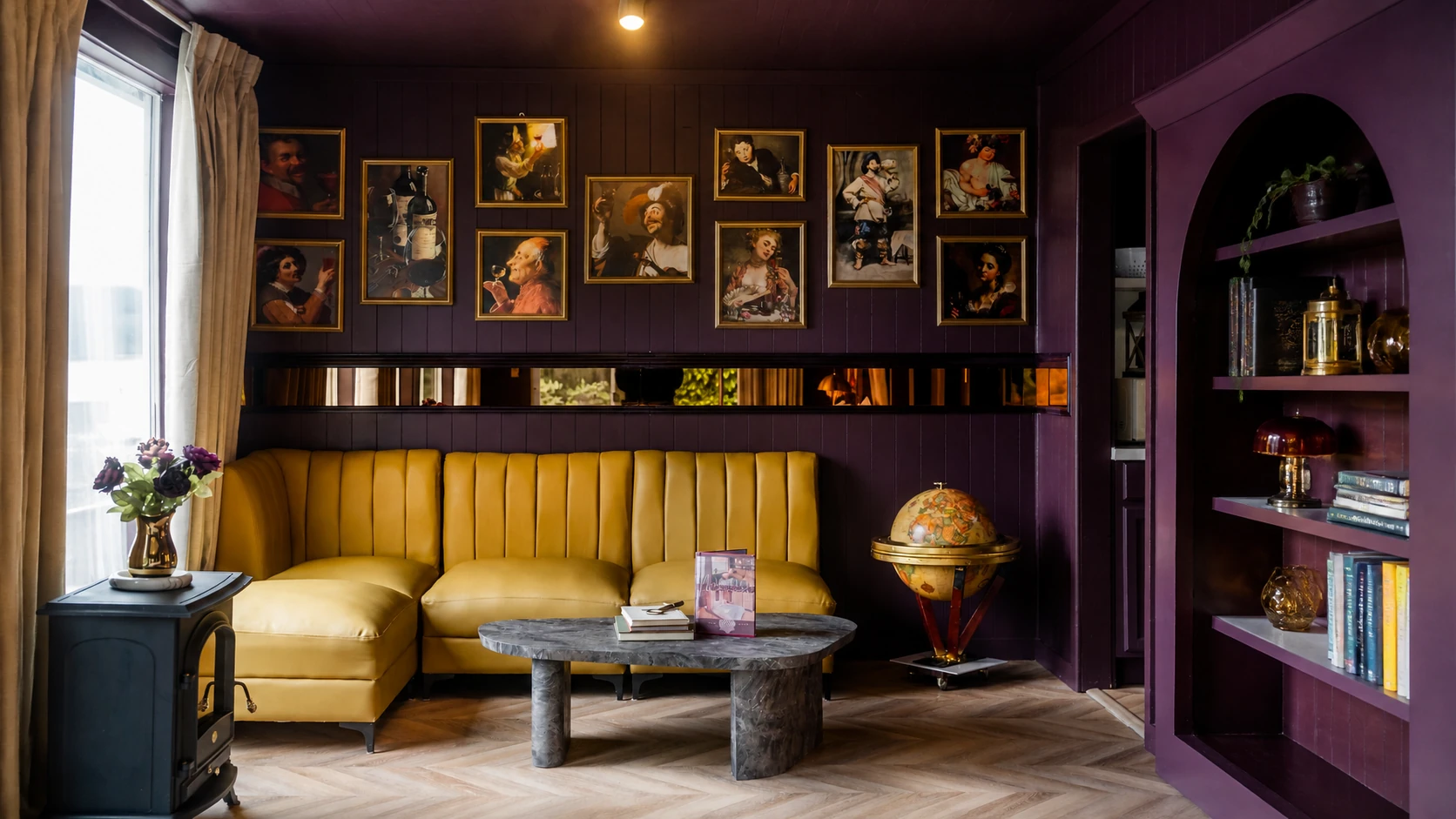
The collaboration draws heavily on visual cues from vintage cinema and 1970s-era design, using a palette of warm, muted tones and materials like velvet, lacquer, and glass to evoke a sense of nostalgia. This aesthetic approach reflects a broader movement within the home category, where consumers are increasingly drawn to interiors that feel curated and narrative-driven rather than purely functional. In this context, design becomes a form of self-expression shaped by cultural references as much as practicality.
Partnerships between retailers and figures from adjacent creative industries have become more common, but they also signal a shift in how design authority is constructed. By working with a designer and a Hollywood actor, Crate & Barrel is aligning itself with a hybrid creative perspective that blends professional design expertise with cultural visibility. This approach suggests that influence in the home space is no longer confined to traditional designers, but extends to those who shape broader visual culture.
The collection also reflects how retail environments are evolving into spaces of immersion rather than simple transaction. By framing the assortment as a cohesive “world,” the brand is inviting consumers to engage with a lifestyle concept, not just individual products. This mirrors trends seen across fashion and beauty, where storytelling and atmosphere play a central role in driving engagement and purchase decisions.
At a time when differentiation in home goods can be difficult to achieve through product alone, collaborations like this offer a way to stand out through narrative and identity. Whether this strategy translates into sustained consumer interest will depend on how effectively the collection resonates beyond its initial concept, particularly in a market where trends move quickly and authenticity is closely scrutinized.