As luxury cruise lines expand into remote regions, longer and more immersive itineraries highlight shifting traveler expectations toward deeper exploration rather than traditional sightseeing
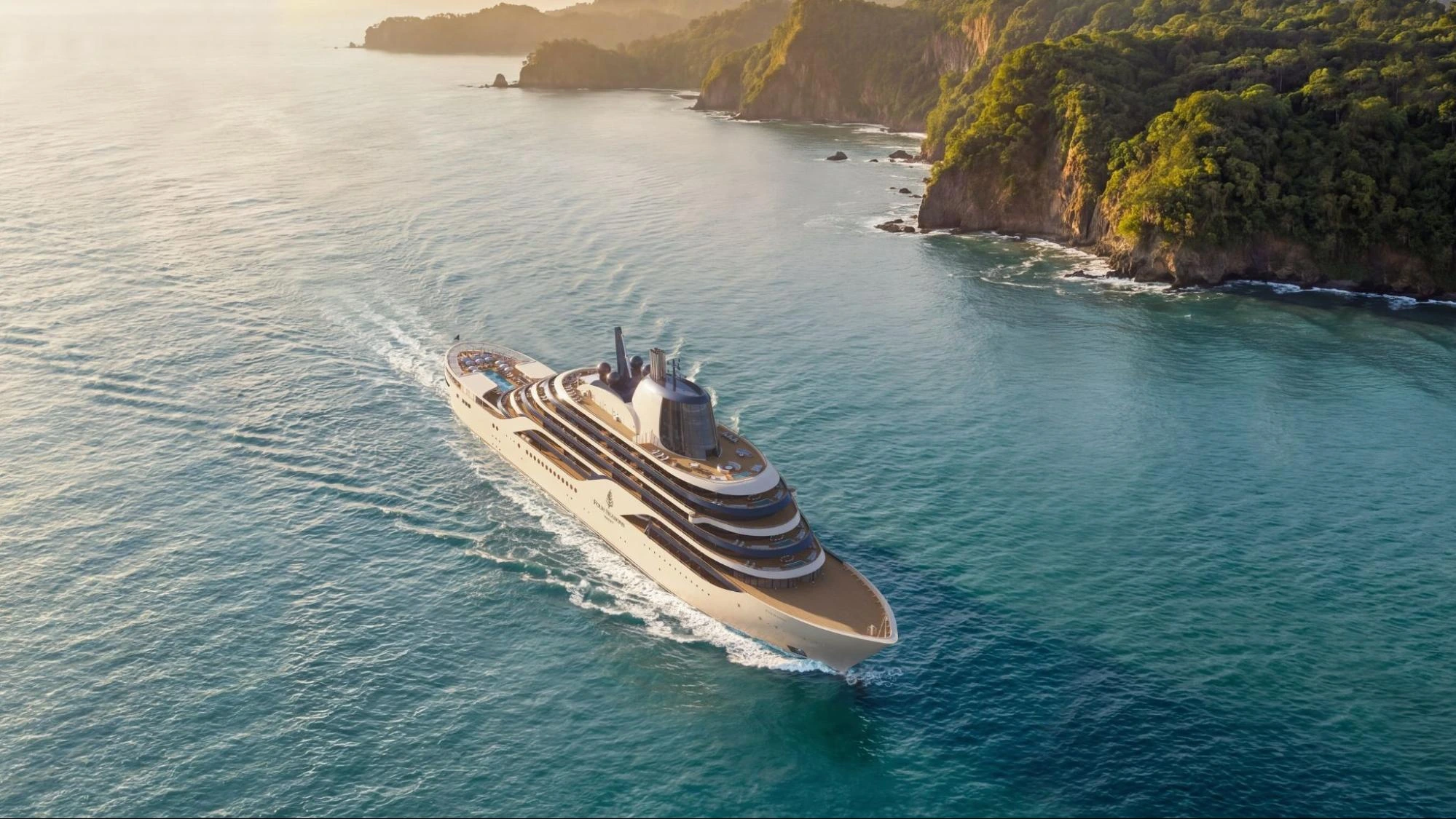
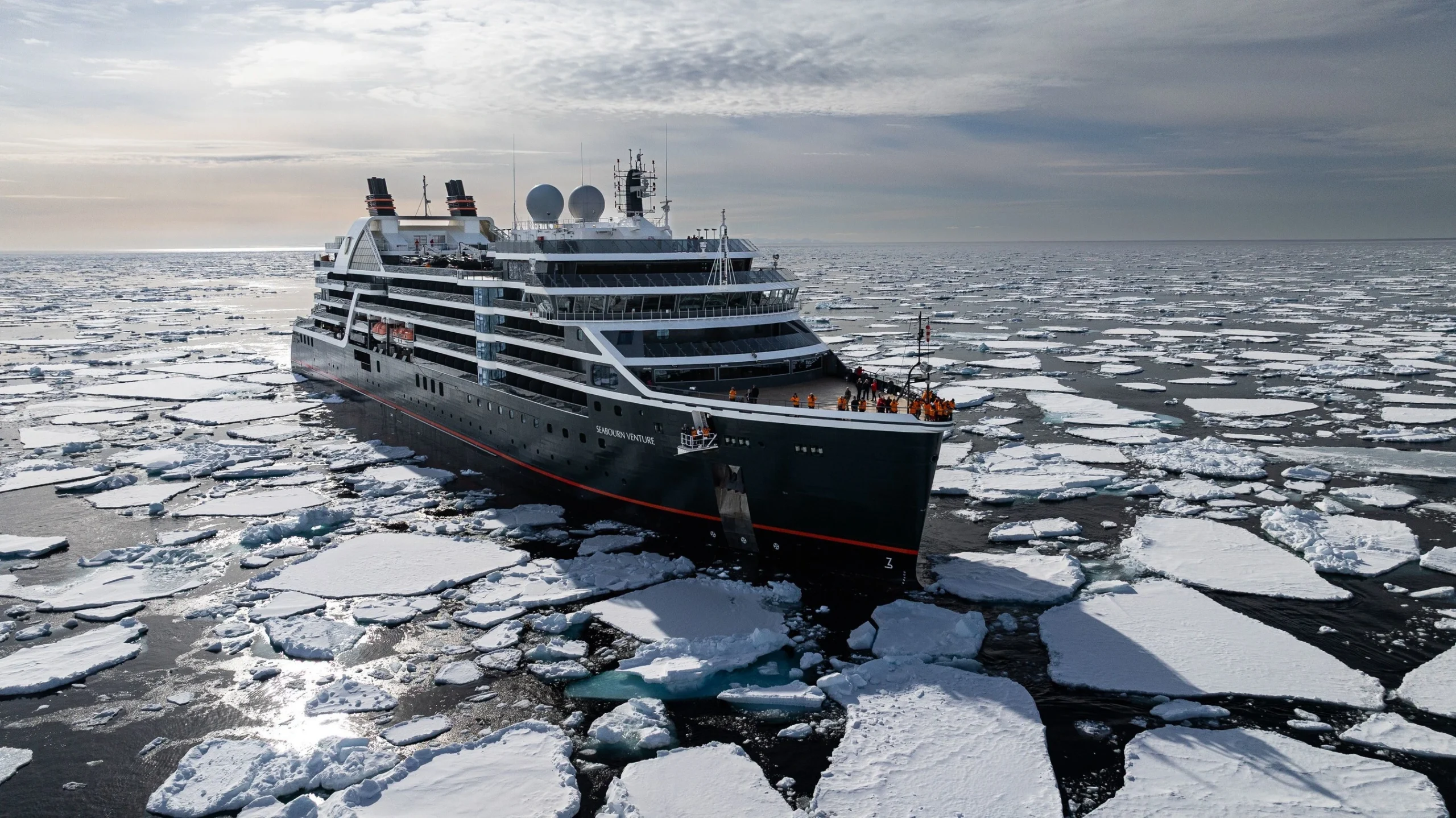
Seabourn has unveiled its 2028–2029 expedition voyage collection, anchored by an ambitious “Pole to Pole” journey and a broader expansion into Arctic and Antarctic itineraries. Timed with the company’s 40th anniversary, the announcement reflects a growing emphasis on remote, experience-driven travel that prioritizes access to less-visited regions.
The headline itinerary, a 96-day voyage from the High Arctic to Antarctica, illustrates how expedition cruising is evolving beyond shorter, destination-specific trips. Covering more than 20,000 nautical miles and multiple climate zones, the route connects polar extremes in a single journey, offering extended exposure to environments that are typically visited in isolation. A shorter 82-day option provides a similar experience for travelers joining later in the route.
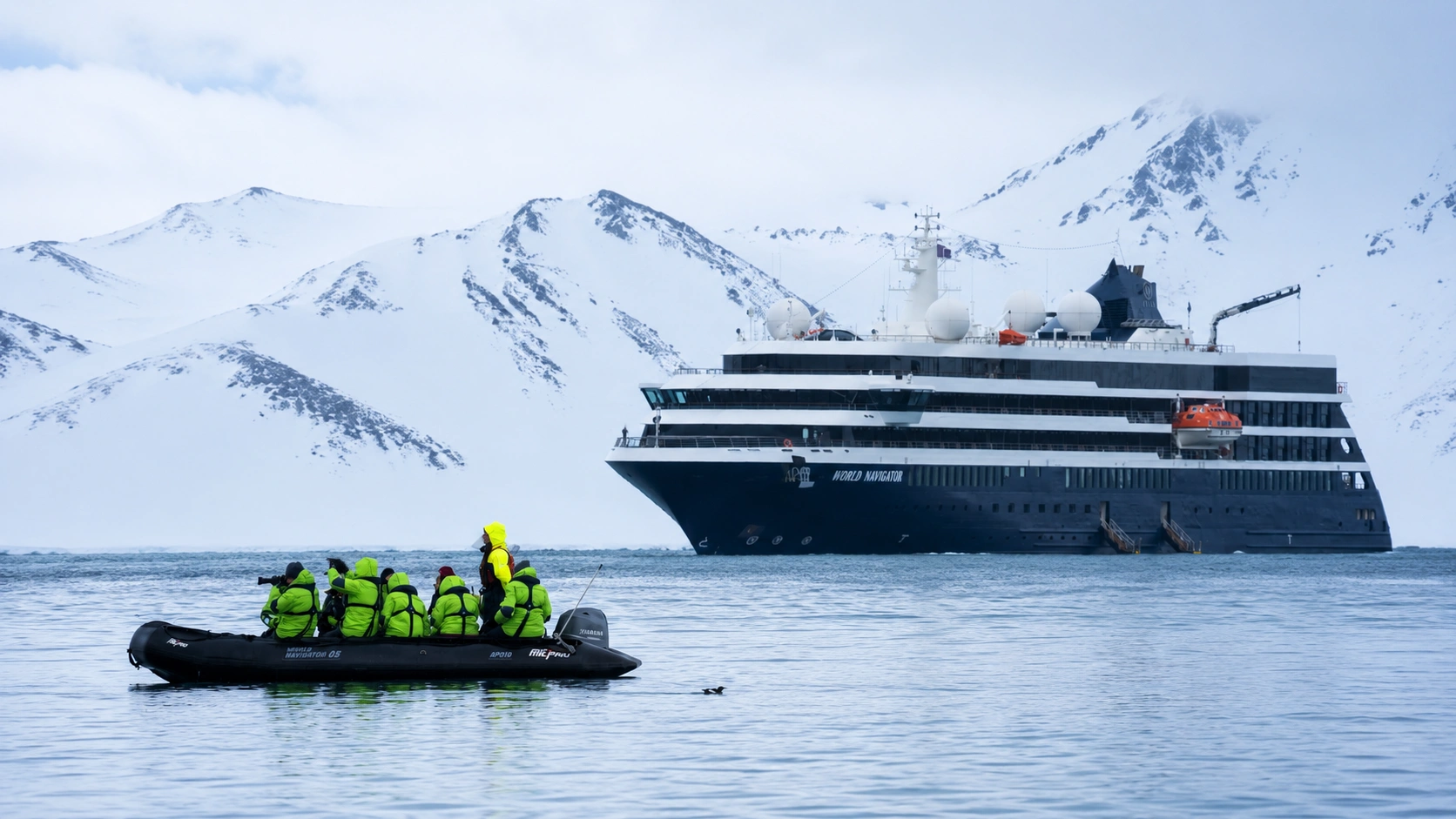
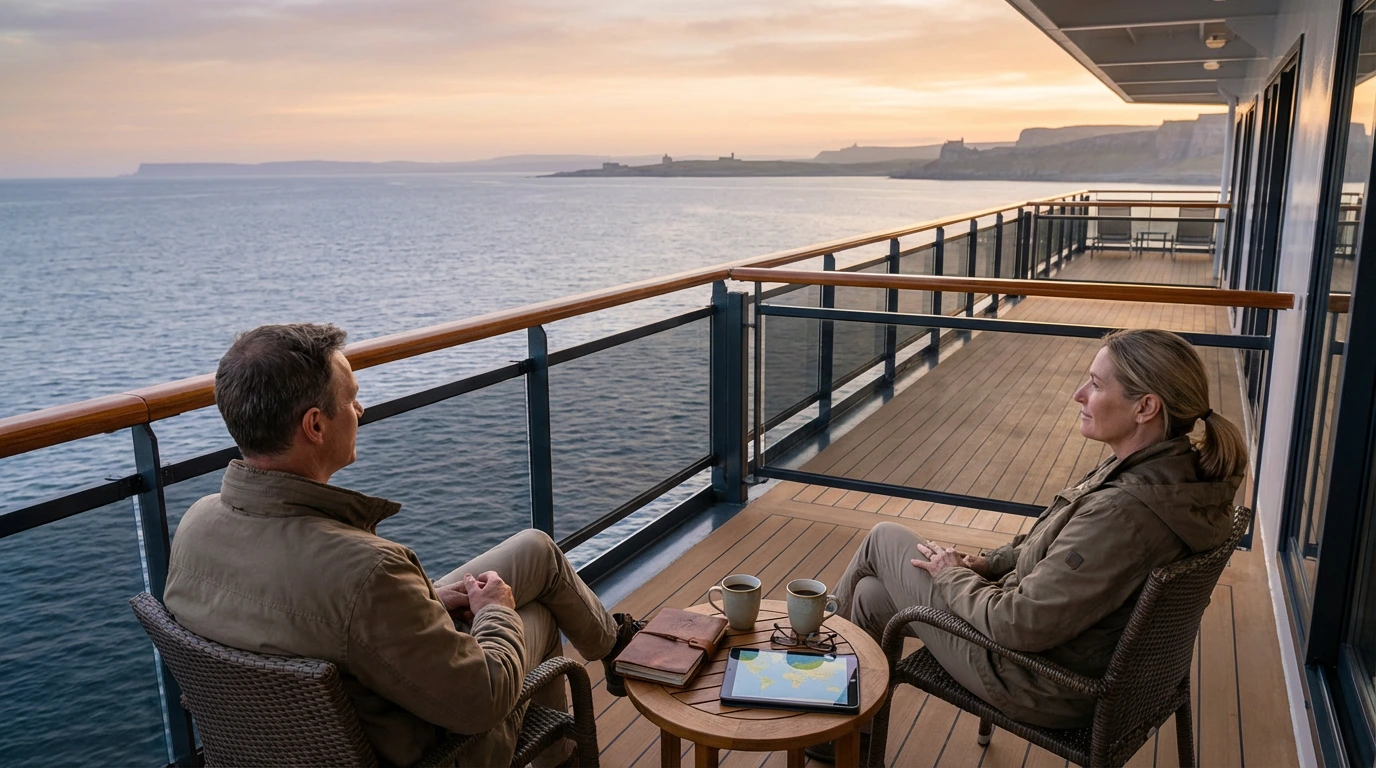
Beyond this flagship voyage, the broader season includes dozens of departures spanning Arctic Canada, Greenland, Iceland, Antarctica, and parts of the South Atlantic. These itineraries emphasize longer stays in natural settings, with activities such as guided landings, small-boat excursions, and wildlife observation forming the core of the experience. The approach reflects a shift away from port-heavy cruising toward itineraries designed around environmental immersion.
This expansion also aligns with increasing demand for travel that blends luxury with exploration. Expedition cruising has traditionally occupied a niche segment, but the addition of more routes and longer voyages suggests that interest is widening. At the same time, the emphasis on expert-led programming and access to remote landscapes indicates that travelers are seeking more context and depth, not just exclusivity.
The development raises broader questions about sustainability and access as more travelers venture into fragile ecosystems. While the appeal of remote destinations continues to grow, the industry faces pressure to balance demand with environmental responsibility. In that sense, Seabourn’s latest offerings are not just an expansion of itinerary options, but part of a larger conversation about how tourism adapts to changing expectations around experience, impact, and scale.