Boeing and SMBC Aviation Capital’s latest agreement reflects sustained demand for fuel-efficient aircraft as airlines and leasing companies prepare for long-term passenger growth.
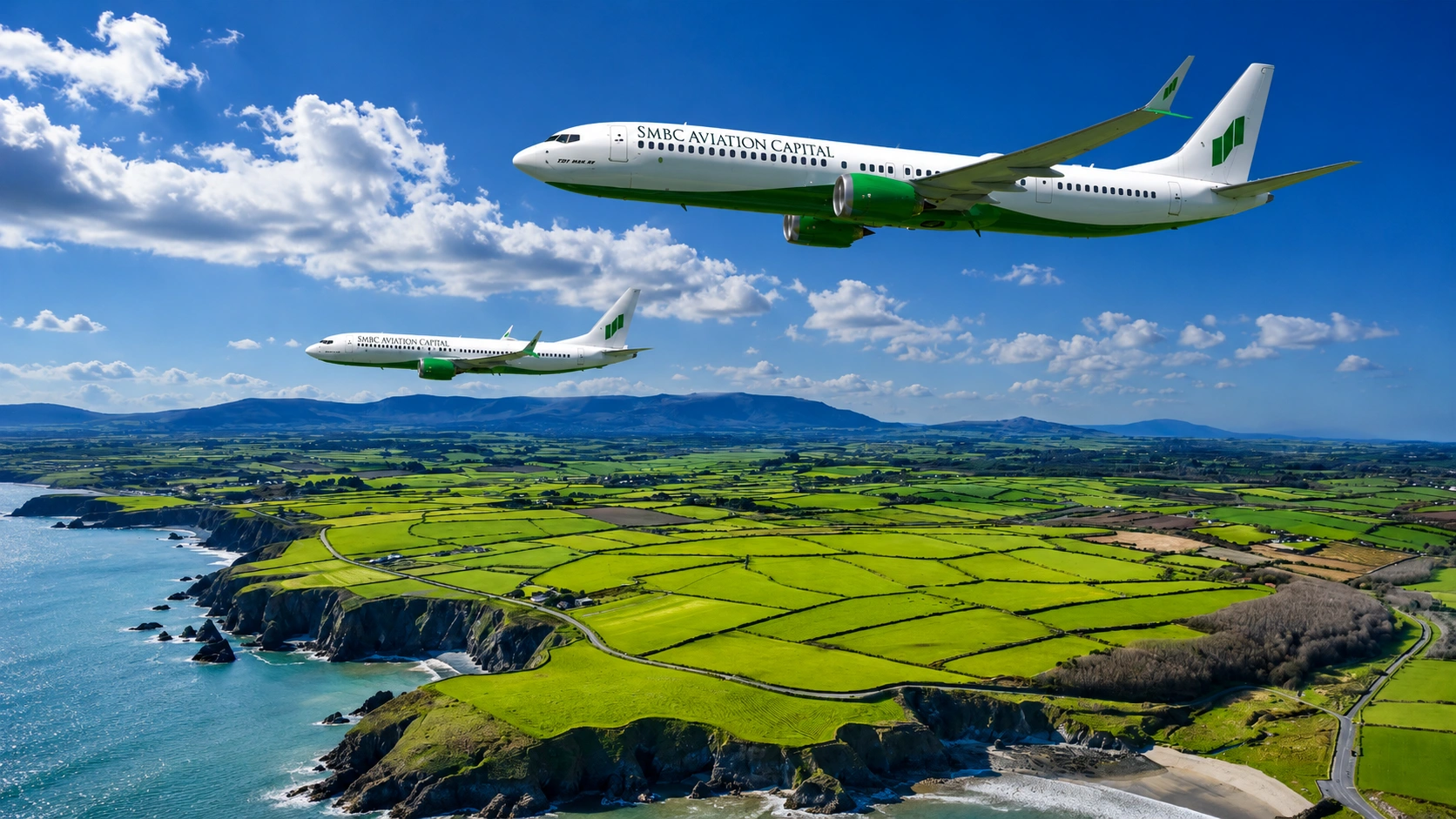
Boeing has secured an order from SMBC Aviation Capital for 100 Boeing 737 MAX aircraft, including 60 of the larger 737-10 variant and 40 737-8 jets. The agreement marks the leasing company’s first purchase of the 737-10 and expands its owned, managed, and committed 737 MAX portfolio to 450 aircraft. Beyond the scale of the transaction, the order offers another indication of how aircraft lessors continue to shape airline fleets by investing years ahead of anticipated travel demand.
Leasing companies have become increasingly influential in commercial aviation, allowing airlines to expand or modernize their fleets without making the significant upfront investments required to purchase aircraft outright. Their purchasing decisions are often viewed as long-term assessments of market trends rather than short-term responses to current conditions. In this case, SMBC Aviation Capital is positioning itself to meet expected demand for larger, more efficient single-aisle aircraft as airlines continue to rebuild and expand their operations over the coming decade.
The inclusion of the 737-10 is particularly notable because it reflects growing interest in maximizing passenger capacity while maintaining the operating economics of a narrowbody aircraft. Airlines have increasingly sought aircraft that can serve busy domestic and regional routes more efficiently, helping them accommodate rising passenger numbers without significantly increasing operating costs. According to Boeing, global passenger traffic is expected to grow by approximately 4 percent annually over the next two decades, reinforcing the importance of aircraft that balance capacity with fuel efficiency.
For Boeing, the order also represents continued support for the 737 MAX family from the aircraft leasing sector. Lessors account for a significant share of new commercial aircraft purchases because they supply planes to carriers around the world, often adapting their portfolios as airline preferences evolve. Their willingness to commit to large orders can serve as an important signal of confidence in long-term market demand, even as the aviation industry continues navigating supply chain challenges and evolving fleet requirements.
The agreement highlights how commercial aviation planning extends far beyond today’s travel patterns. Aircraft ordered now may not enter service for several years, making such investments a reflection of expectations about the future rather than the present. As airlines pursue more efficient fleets and passenger demand continues to grow, leasing companies remain central to determining which aircraft will define the next generation of global air travel.