The cruise company’s meal donation program reaches The Bahamas, reflecting a wider effort to reduce food waste while strengthening community partnerships in destinations central to its operations.
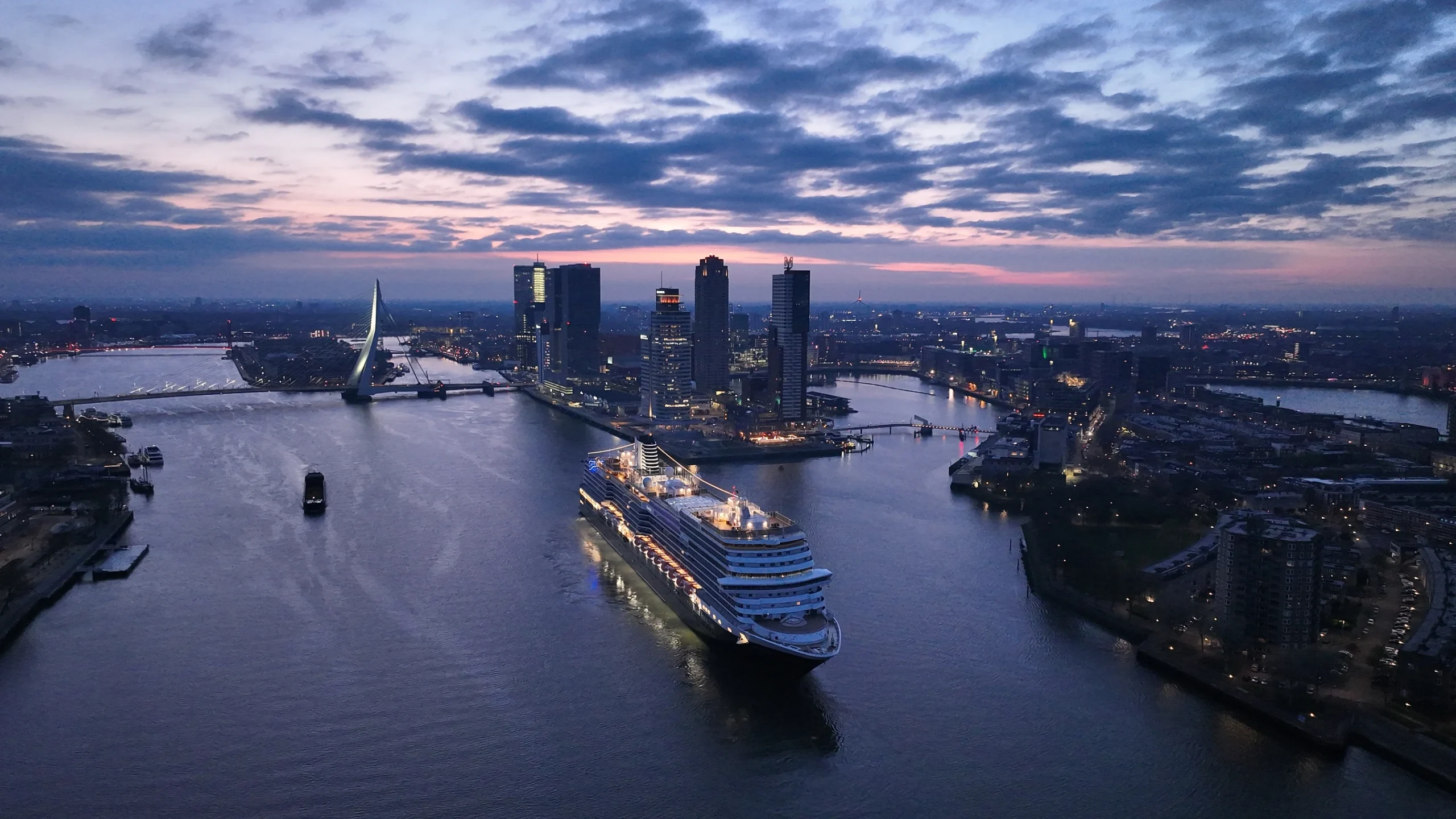
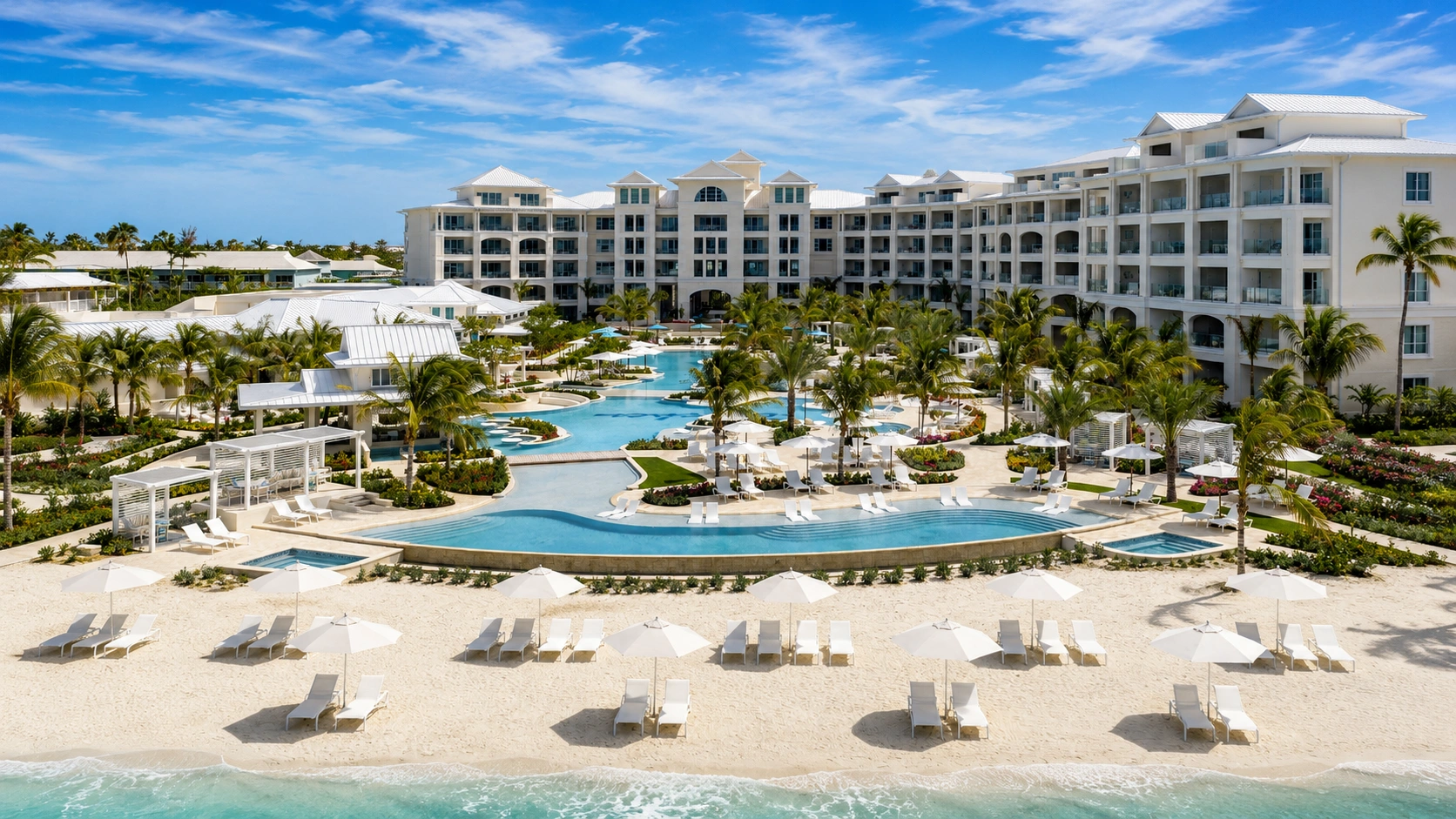
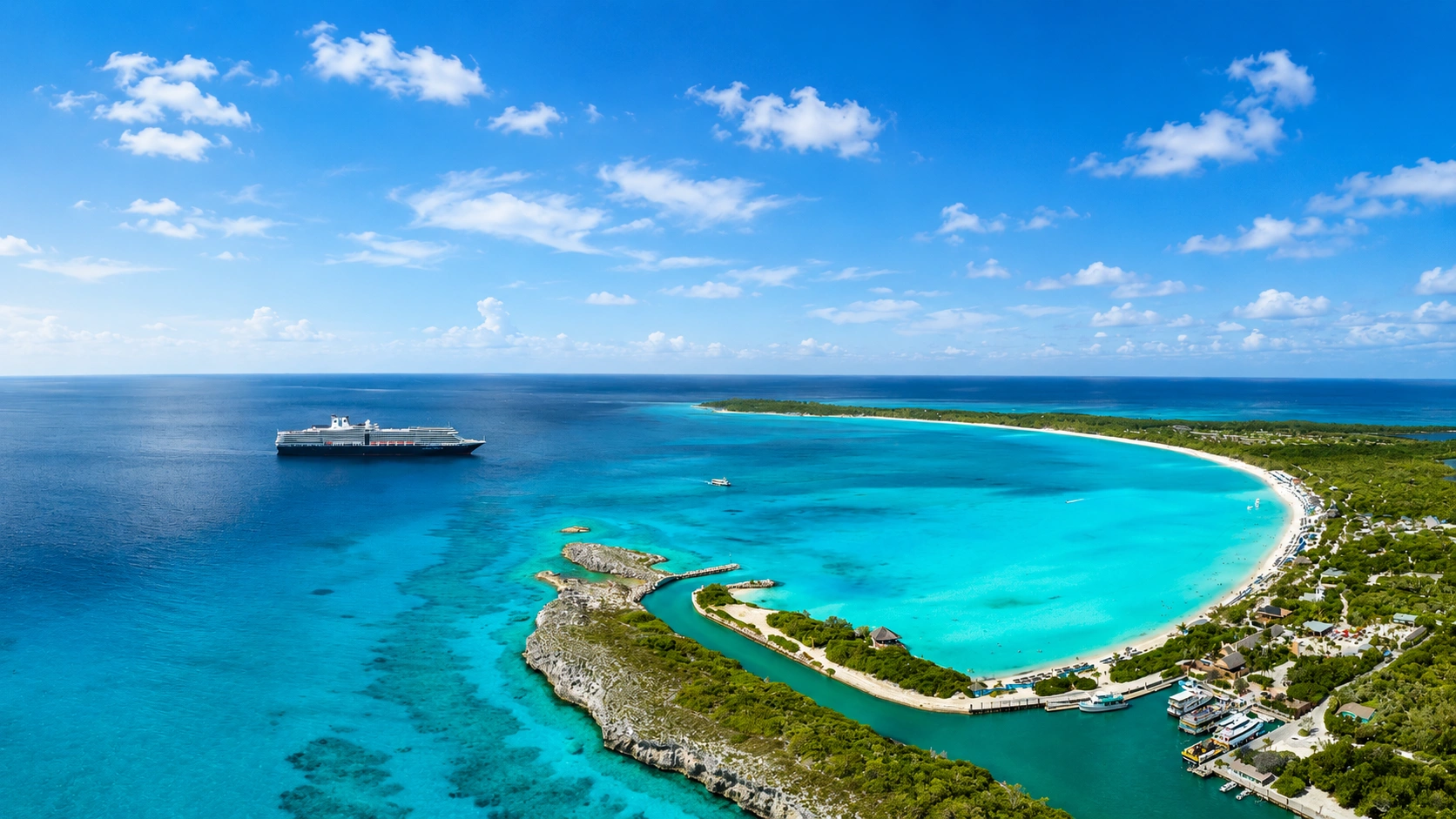
Carnival Corporation has expanded its surplus meal donation program to The Bahamas, extending an initiative that redirects prepared but unserved food from cruise ships to local community organizations. The launch coincides with the first anniversary of Celebration Key on Grand Bahama Island and forms part of the company’s broader strategy to reduce food waste while supporting communities in the destinations its ships regularly visit. The move highlights how sustainability efforts within the travel industry are increasingly intersecting with local social needs rather than focusing solely on environmental goals.
Food waste remains a significant challenge across the global hospitality sector, where restaurants, hotels, and cruise operators often prepare meals in anticipation of fluctuating demand. At the same time, many communities continue to face food insecurity, creating opportunities for carefully managed donation programs that safely redistribute surplus meals. These initiatives require strict handling procedures, regulatory compliance, and trusted local partners, making successful implementation dependent on logistics as much as good intentions.
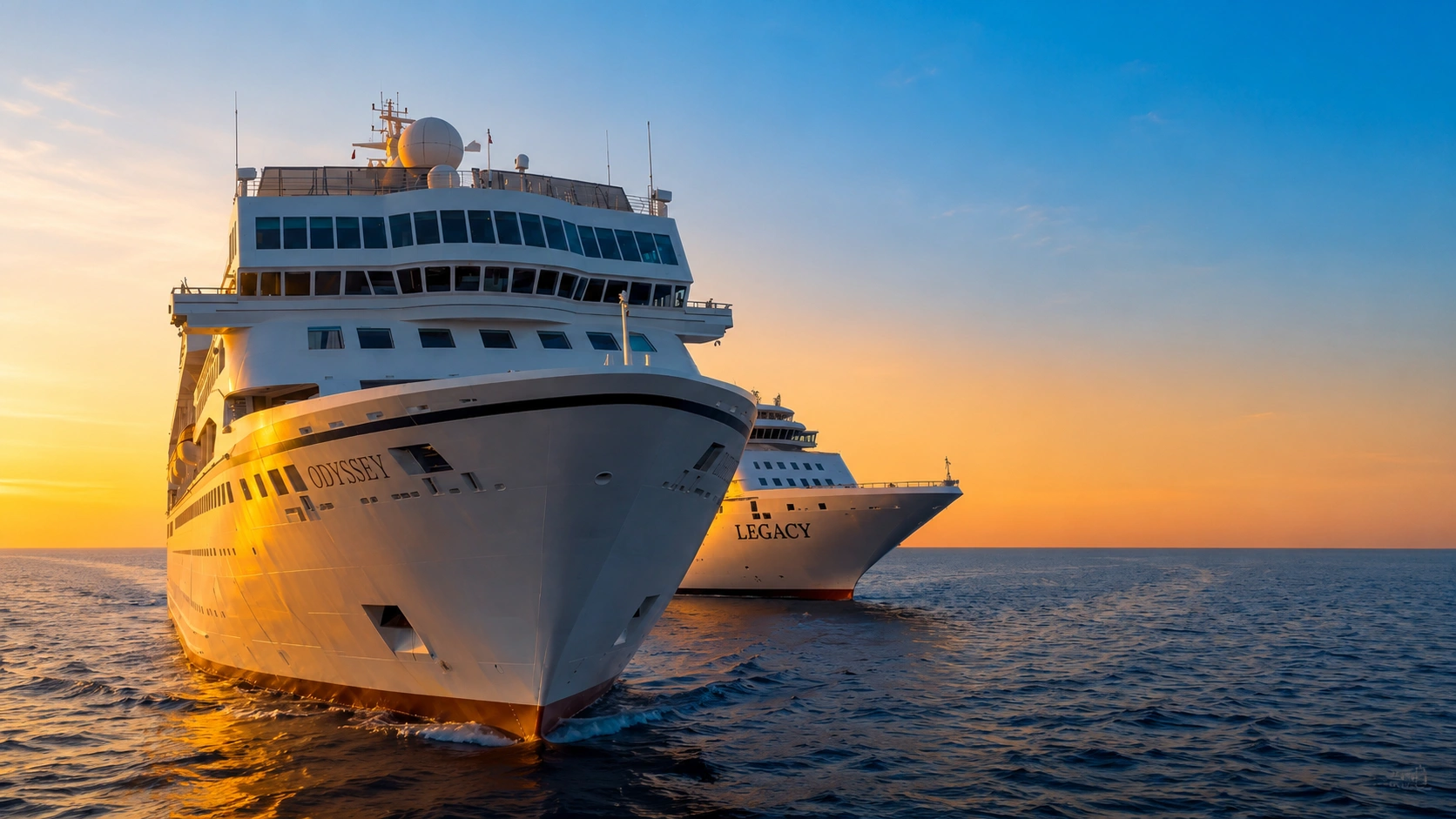
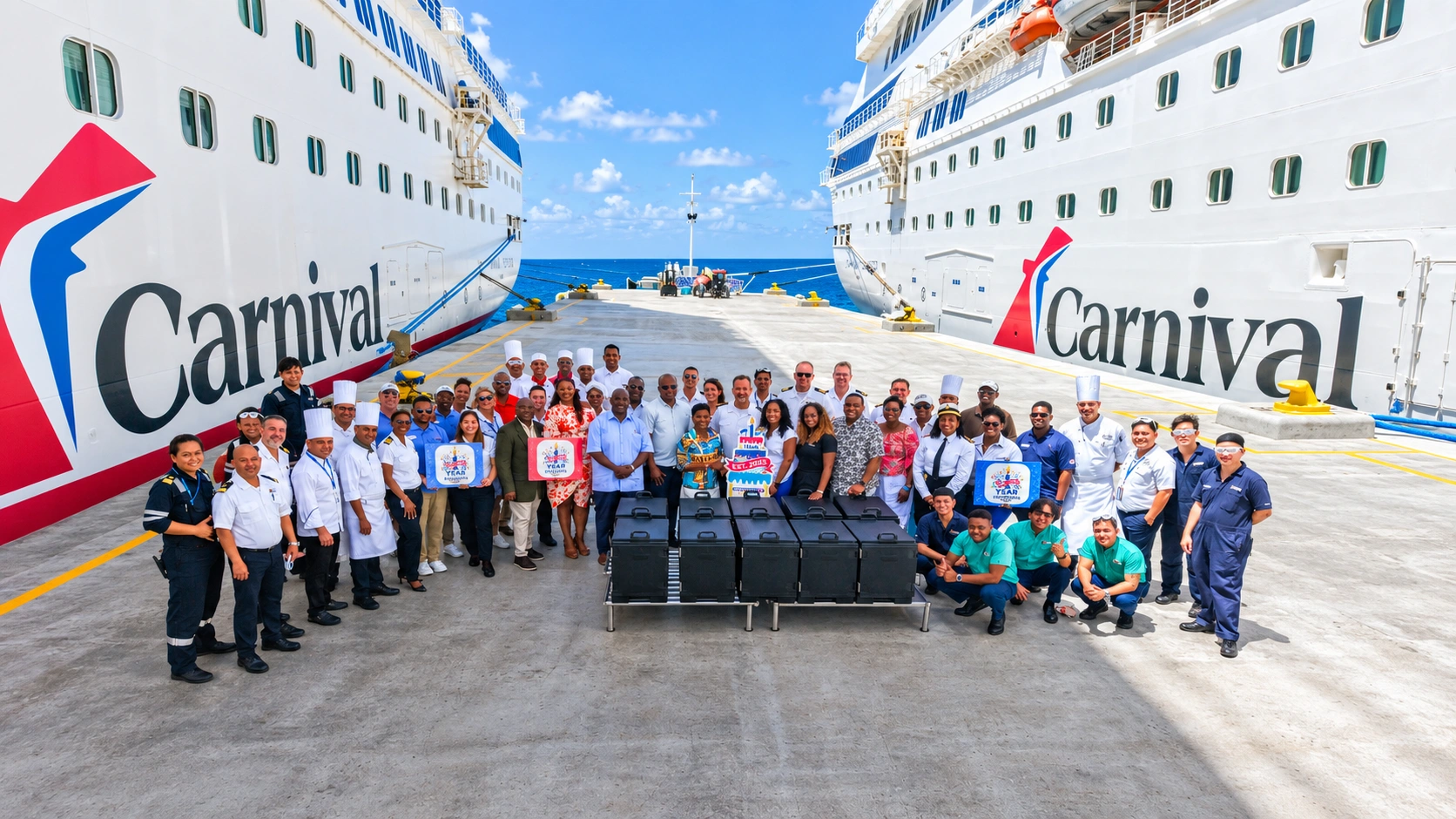
Carnival’s first donation in The Bahamas involved more than 318 pounds of prepared meals from Carnival Freedom and Carnival Conquest, which were distributed through the Grand Bahama Children’s Home and the Urban Renewal Authority. According to the company, the food was rapidly chilled, stored, and transferred ashore using established food safety protocols before reaching community organizations. The program is part of Carnival’s broader “Less Left Over” strategy, which seeks to reduce food waste across its global fleet while finding practical uses for meals that would otherwise be discarded.
The Bahamas represents the latest expansion of a program that has operated since 2017 and now spans 20 ports worldwide. By the end of 2025, Carnival reported that the initiative had provided more than 320,000 meal portions globally, with recent additions including ports in Honduras and the Dominican Republic. Beyond food donations, the company has also contributed furniture, clothing, bicycles, and household goods from its ships to organizations across The Bahamas, illustrating a broader approach to community engagement tied to its regional operations.
As the cruise industry continues to recover and expand, companies are facing increasing expectations to demonstrate meaningful contributions to the destinations they serve. Programs that combine waste reduction with community partnerships illustrate one way operators can address environmental and social priorities simultaneously. While initiatives like these do not solve the larger issues of food insecurity or waste on their own, they show how existing operational resources can be redirected to create measurable local benefits alongside commercial tourism.