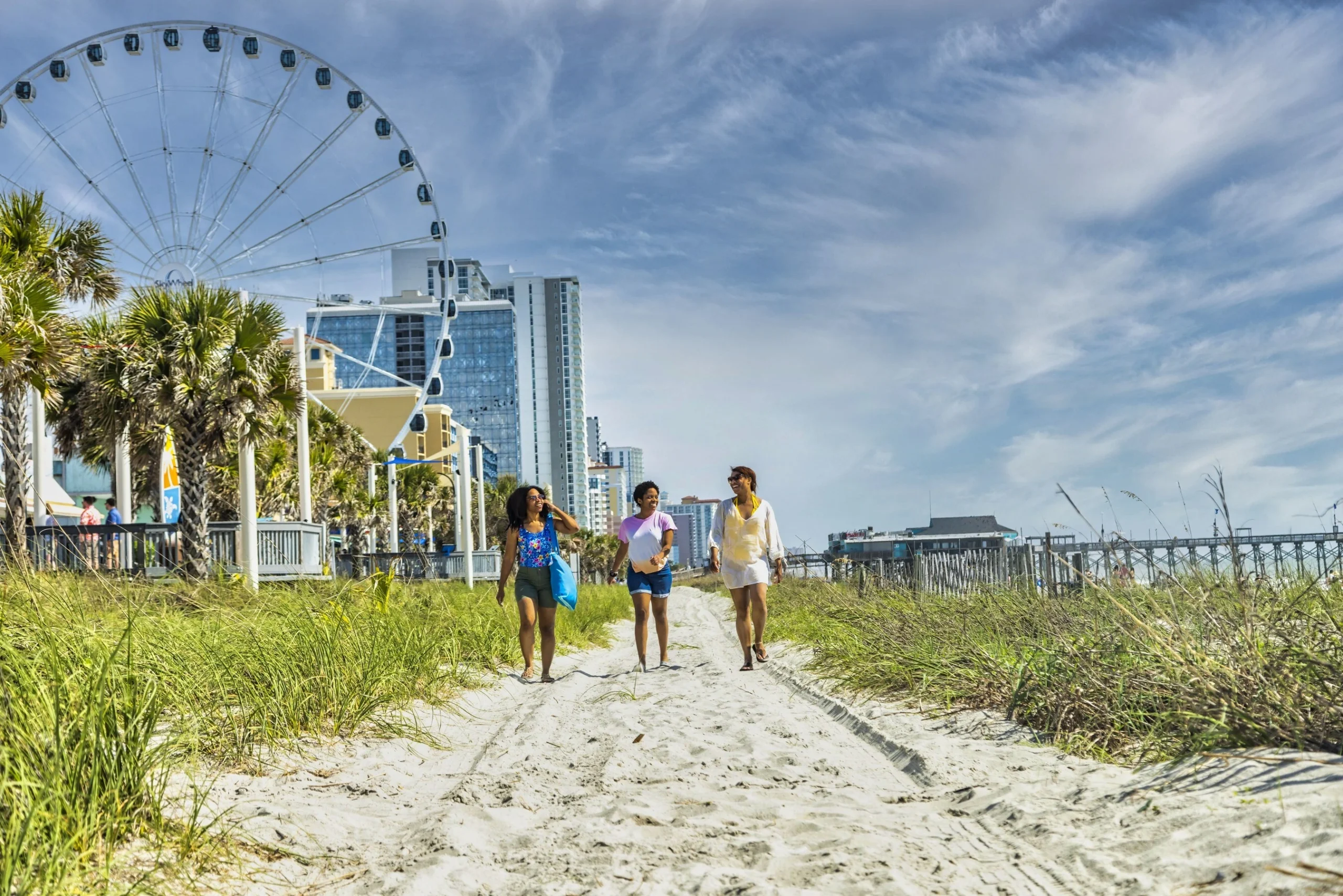
As travelers rethink expensive vacations, Myrtle Beach is positioning its long coastline, accessible pricing and family-focused attractions as an alternative to increasingly costly summer destinations
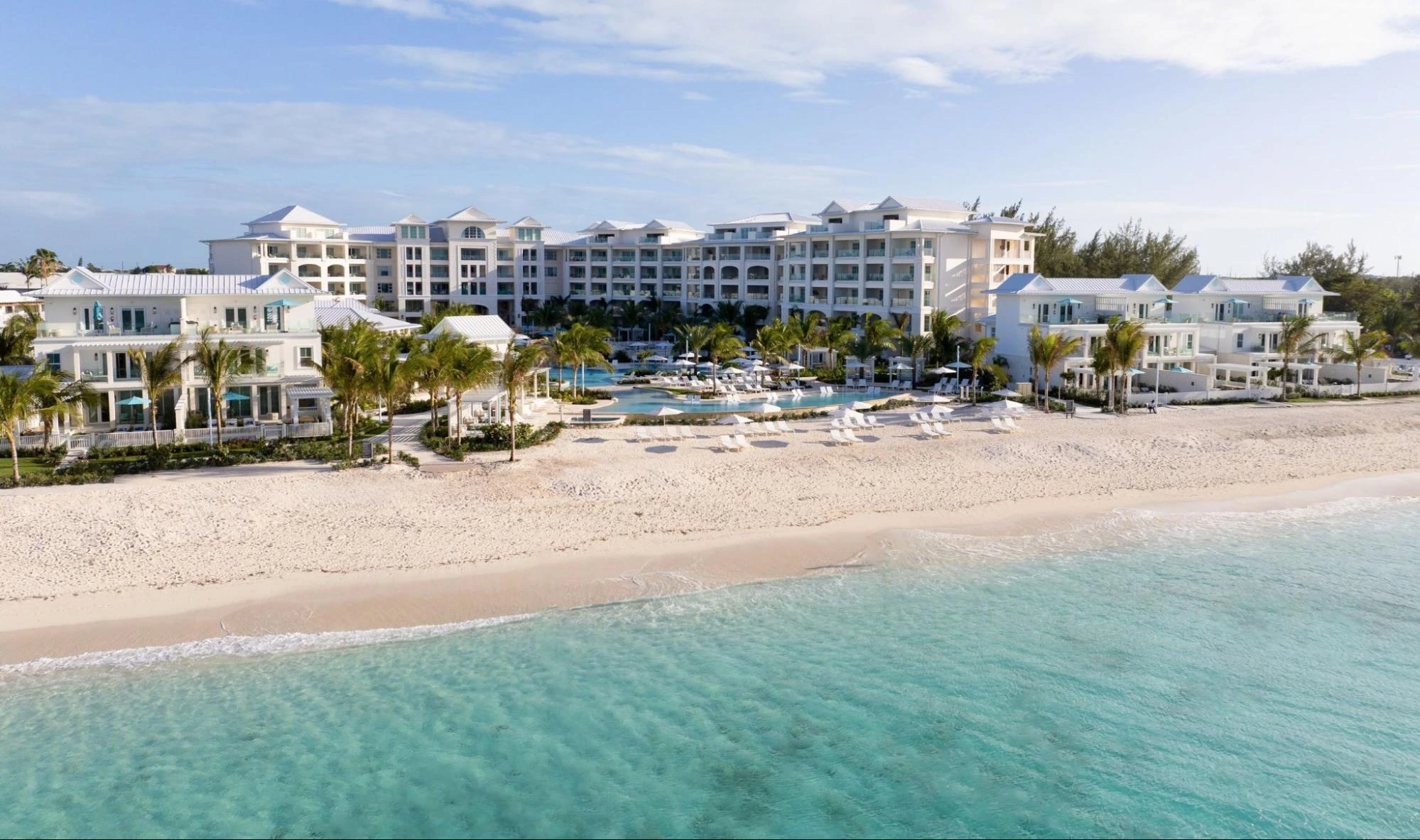
Visit Myrtle Beach is leaning heavily into affordability this summer as American travelers continue balancing vacation plans against rising costs and economic uncertainty. The South Carolina destination, which stretches across 60 miles of coastline and includes 14 connected beach communities, is promoting itself as a practical alternative to higher-priced coastal getaways while still offering the familiar rituals of a traditional American beach vacation.
The strategy reflects broader shifts in the travel industry, where value has become a defining factor in consumer decision-making. According to the announcement, Myrtle Beach ranked as the most-searched U.S. summer destination in Tripadvisor’s 2026 Summer Travel Index, a sign that travelers are increasingly seeking destinations that combine convenience, entertainment, and relatively manageable costs. Accessibility also plays a major role in that appeal, particularly for East Coast travelers who can reach the area by car or through expanded flight options at Myrtle Beach International Airport.
What distinguishes Myrtle Beach from many resort destinations is the scale and variety packed into a single regional identity. The area continues to market itself not simply as a beach town, but as a broader entertainment ecosystem that includes golf courses, live music venues, family attractions, dining districts, and seasonal festivals. Summer programming highlighted in the release includes events such as the Carolina Country Music Fest and anniversary celebrations at long-running attractions like Pirates Voyage Dinner & Show and the Carolina Opry Theater.
The tourism campaign also reveals how destinations are adapting to changing traveler behavior. Longer-stay discounts, free public entertainment, and bundled promotions are increasingly replacing luxury-focused messaging. Myrtle Beach’s “Make More Myrtle Moments” initiative, which offers extended-stay incentives across dozens of participating properties, reflects an effort to encourage visitors to spend more time in the region without significantly increasing their overall travel budget.
At the same time, the destination continues investing in newer restaurants, renovated resorts, and refreshed entertainment venues, signaling that affordability alone is no longer enough to remain competitive. Myrtle Beach appears to be aiming for a balance that many destinations now seek: maintaining accessibility for middle-income travelers while modernizing the experience enough to remain culturally and commercially relevant in an increasingly crowded tourism market.