
A new collection of outdoor-focused stays reflects shifting traveler priorities toward immersive, experience-led trips, as hospitality brands rethink how comfort and nature can coexist in modern travel
WorldHotels is expanding its footprint in experiential travel with the launch of WorldHotels Backdrop, a collection of upscale outdoor accommodations designed to bring guests closer to natural landscapes. The initiative signals how WorldHotels is responding to changing traveler expectations, where traditional hotel stays are increasingly giving way to experiences rooted in place and environment.
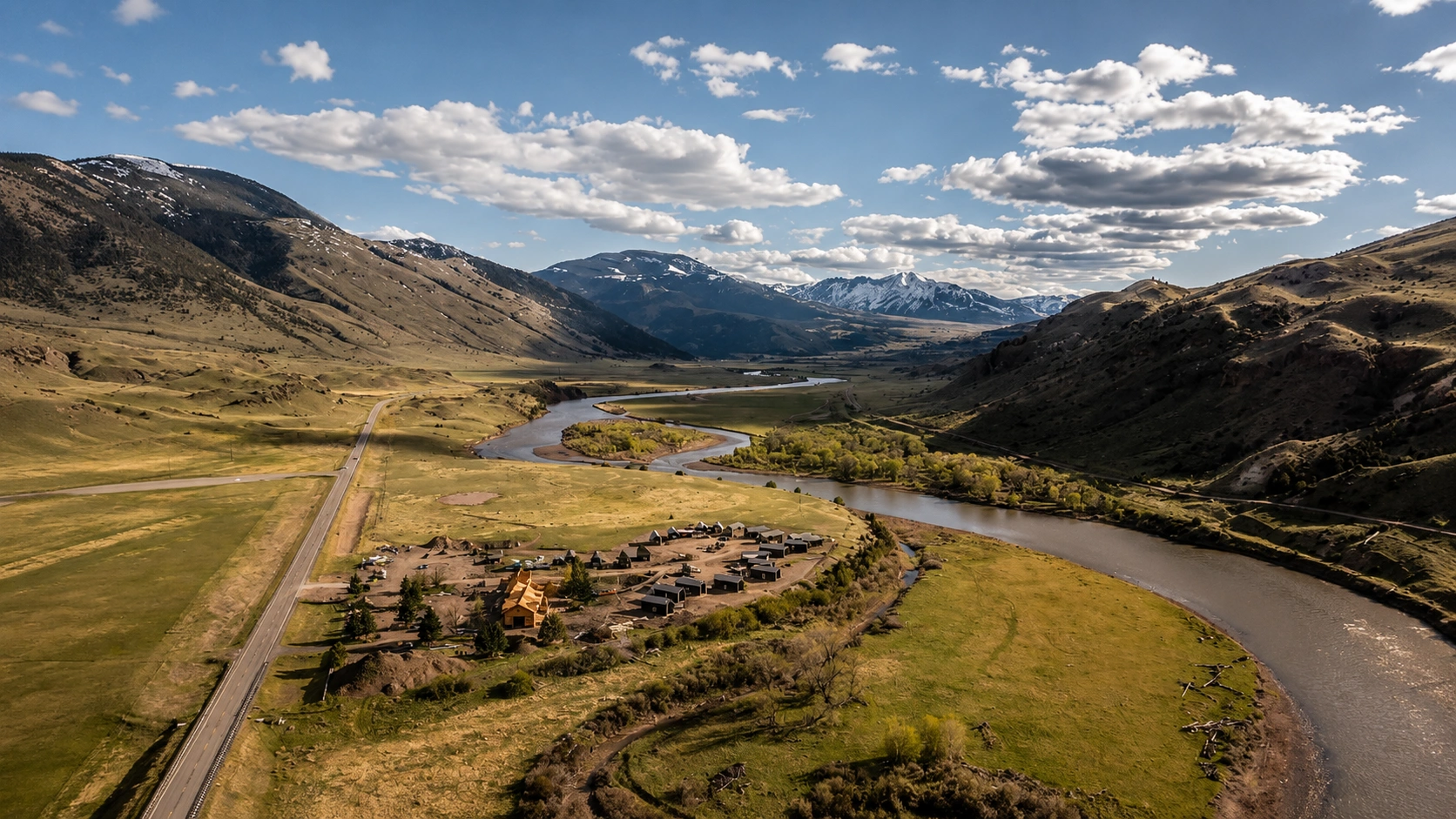
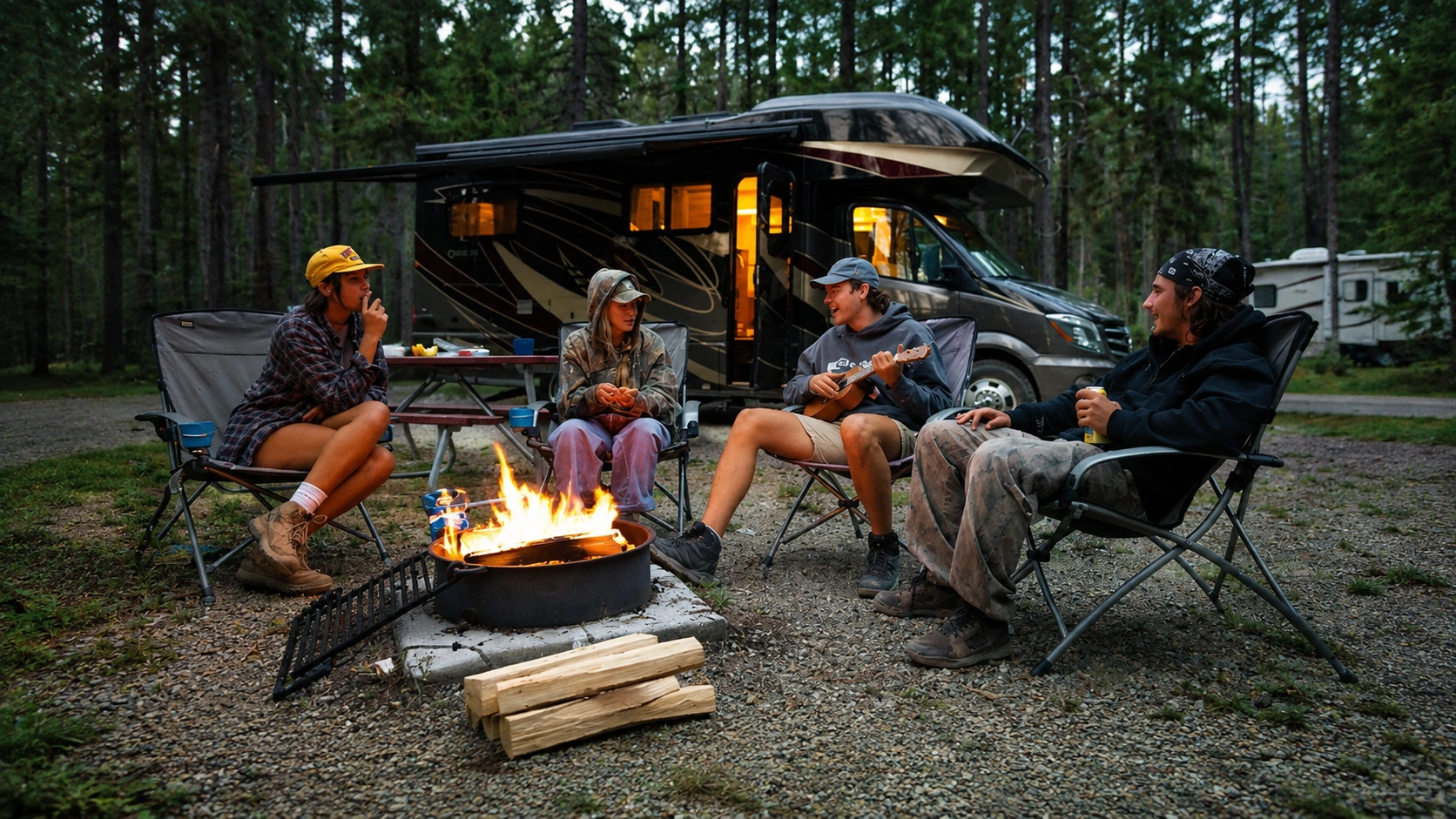
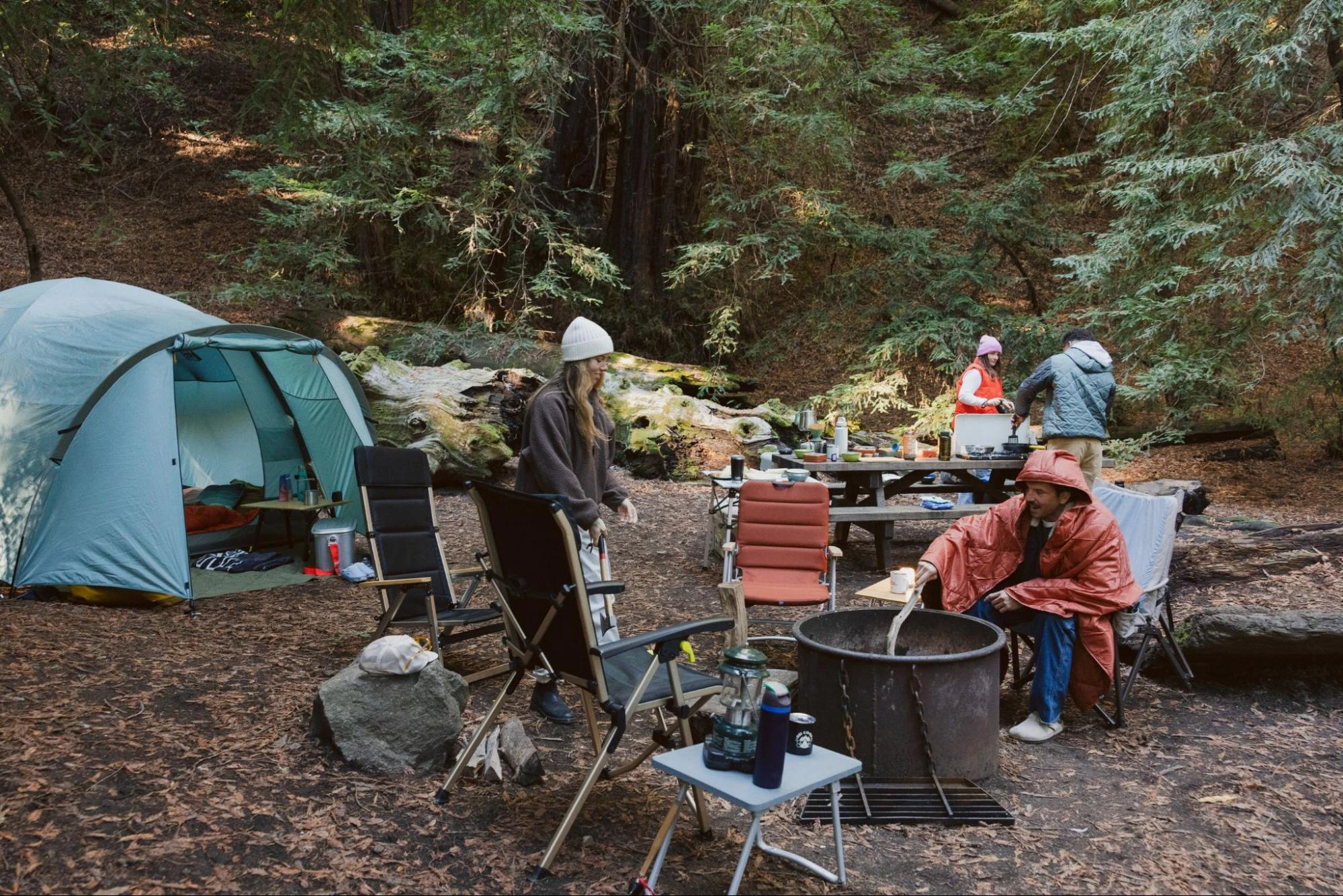
The new portfolio includes a mix of glamping sites, cabins, and nature-based retreats situated near national parks, coastlines, and other scenic destinations. Properties such as Zion Wildflower Resort in Utah and Asheville River Cabins in North Carolina illustrate the concept, offering access to outdoor activities while maintaining a level of comfort associated with higher-end hospitality. The approach blends elements of adventure travel with curated amenities, positioning these stays somewhere between boutique hotels and wilderness experiences.
This move comes amid broader growth in the global glamping market, which has expanded rapidly as travelers seek more intentional ways to disconnect and recharge. The appeal lies in the balance: proximity to nature without sacrificing convenience or design. For younger and experience-driven audiences in particular, travel is increasingly defined by how immersive and restorative it feels rather than by traditional markers of luxury.
Beyond leisure travel, the Backdrop collection also reflects evolving expectations around work and events. Outdoor settings are being used for corporate retreats, workshops, and social gatherings, where natural surroundings are seen as conducive to creativity and connection. This suggests that hospitality providers are not only rethinking accommodation formats but also the environments in which professional and social interactions take place.
For WorldHotels, the strategy also carries implications for how independent properties operate within larger networks. By offering a flexible model that allows properties to retain their character while accessing centralized systems and loyalty programs, the company is attempting to scale without standardizing the experience too heavily. That balance may prove critical as more travelers seek distinct, location-specific stays.
The launch of Backdrop highlights a broader shift in the hospitality industry toward experiences that emphasize place, sustainability, and personal connection. As demand for these formats grows, brands are increasingly positioning themselves not just as providers of accommodation, but as curators of environments that shape how people engage with the world around them.