Villa Vie Residences is preparing to add a second residential cruise ship, signalling continued confidence in long-term living at sea as demand grows for alternative lifestyle and travel models.
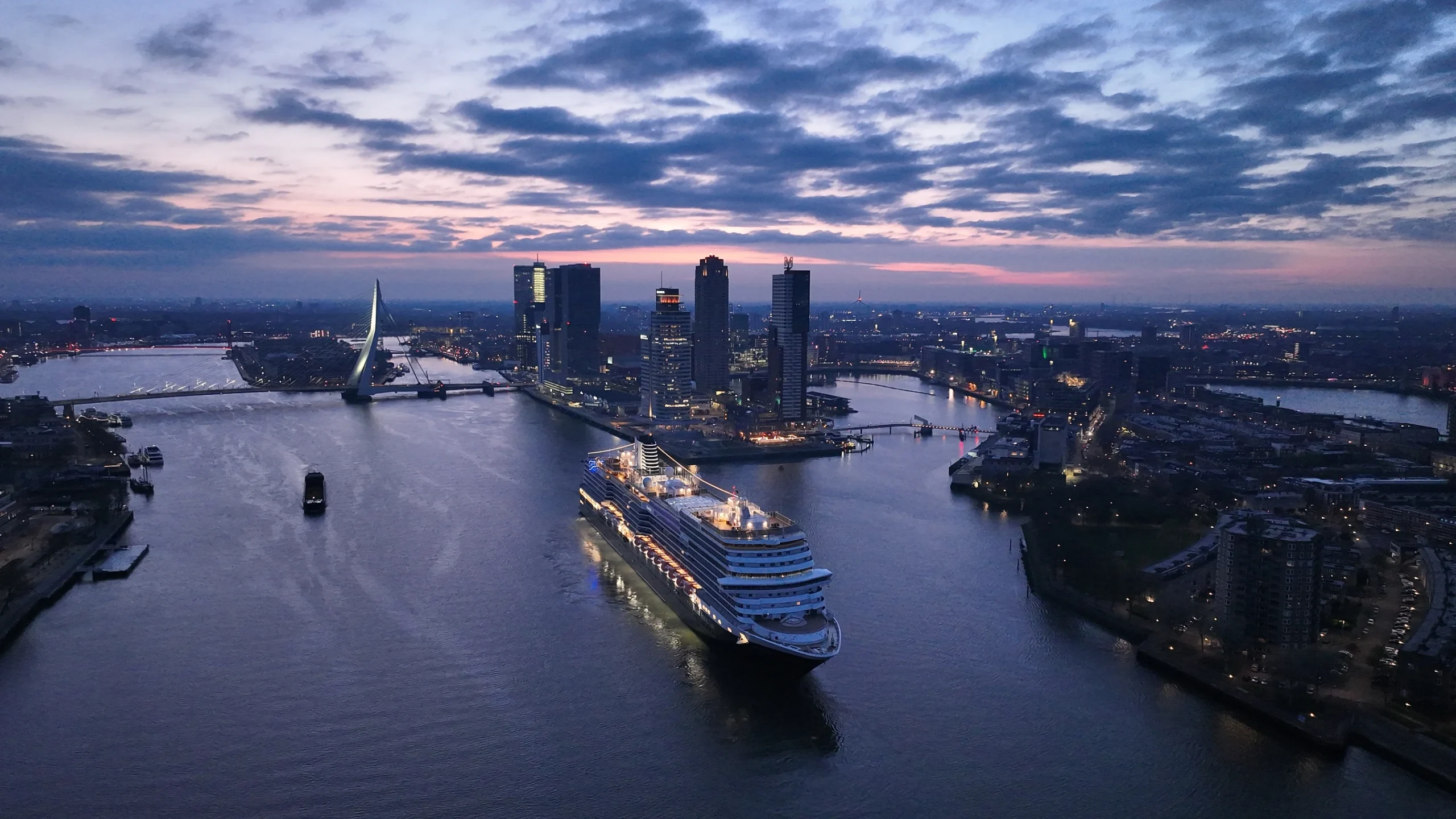
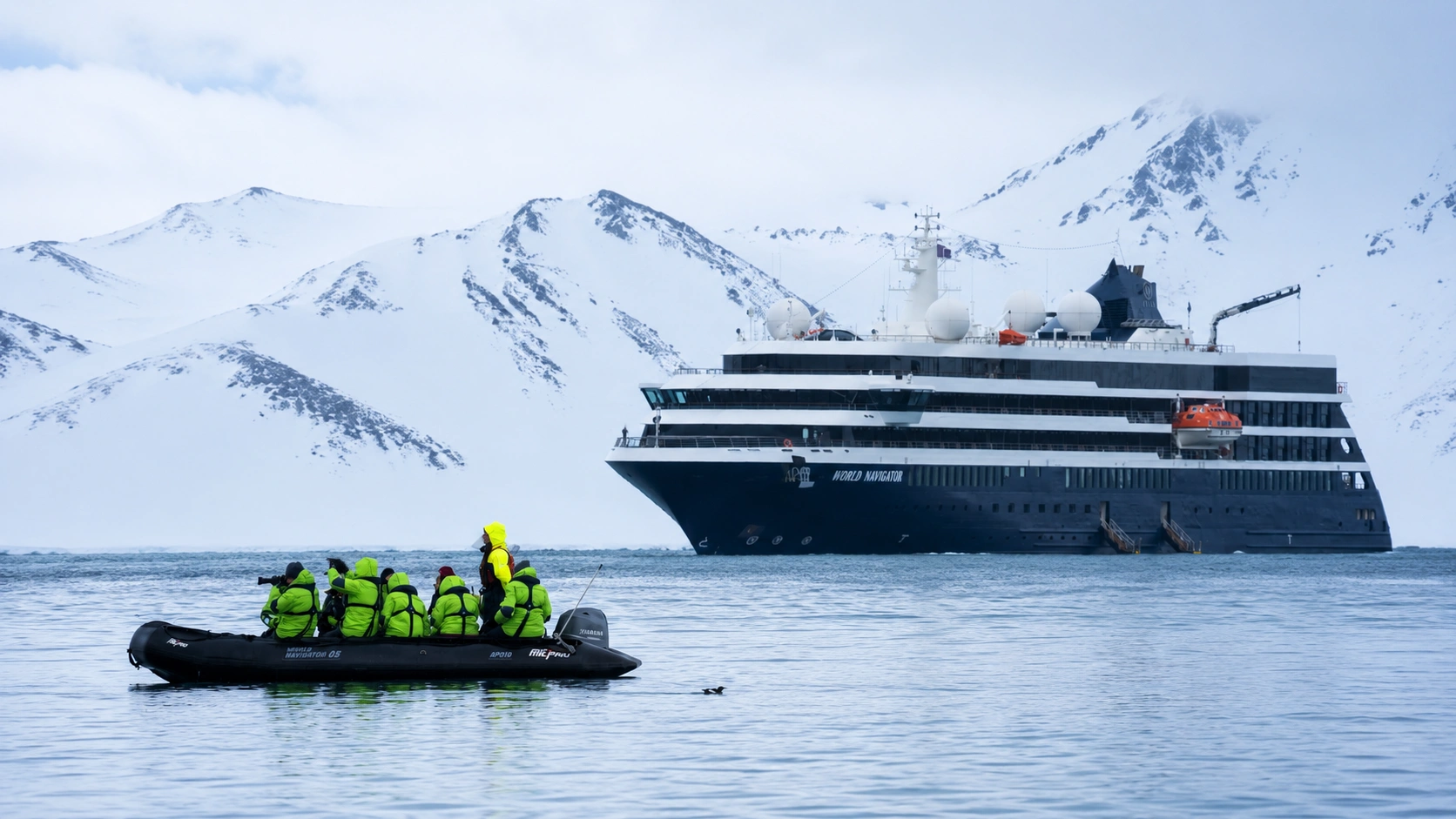
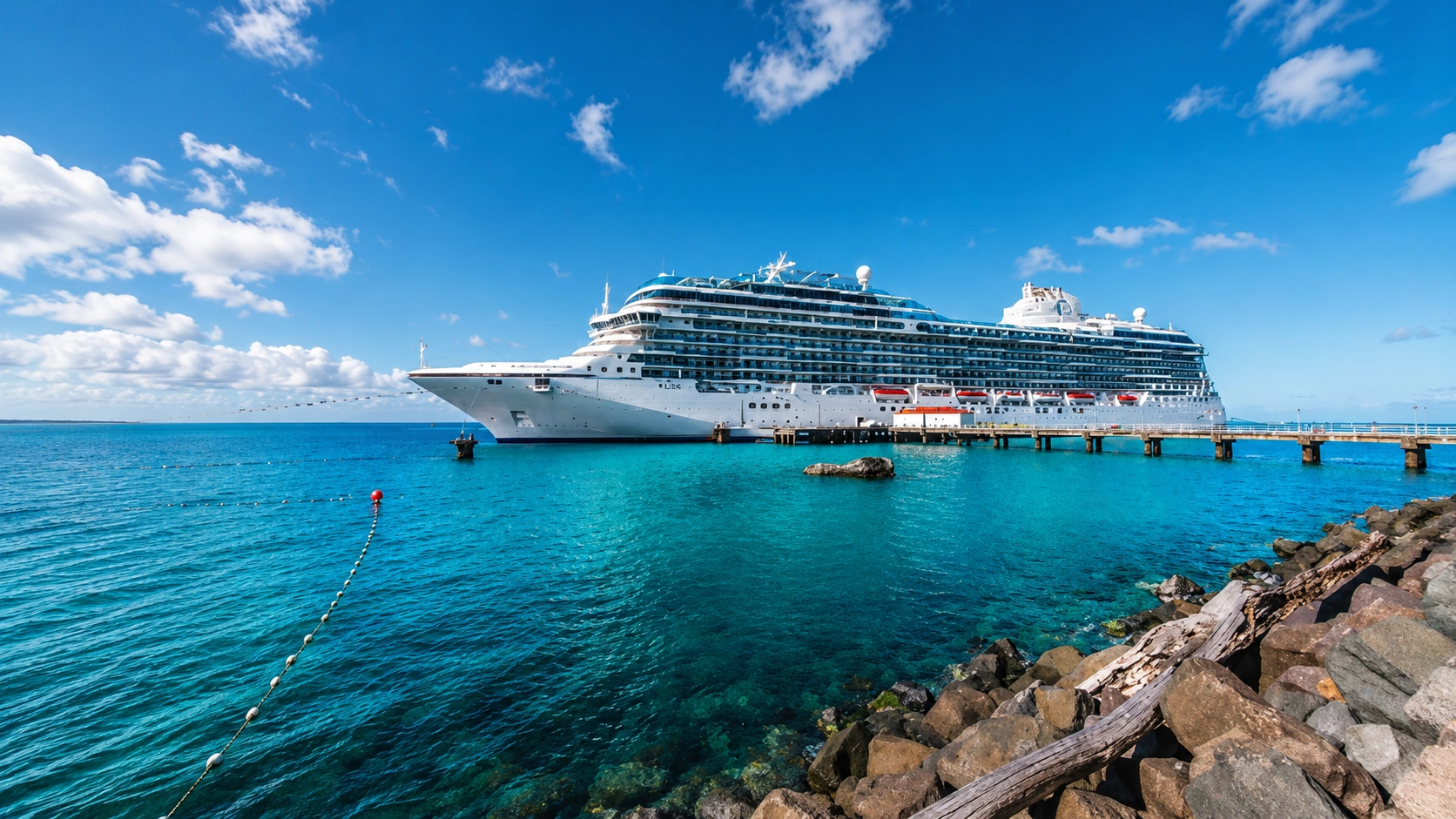
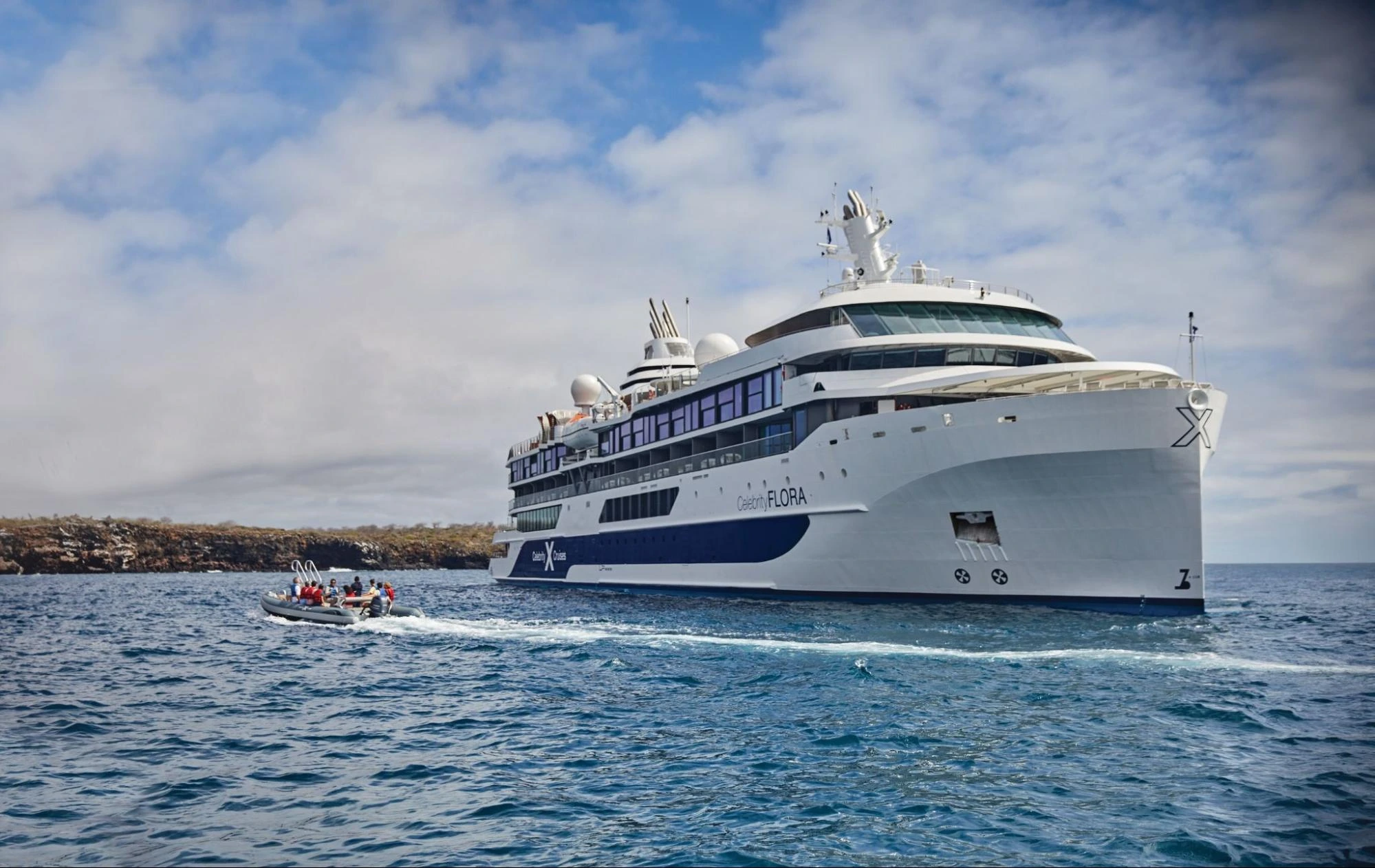
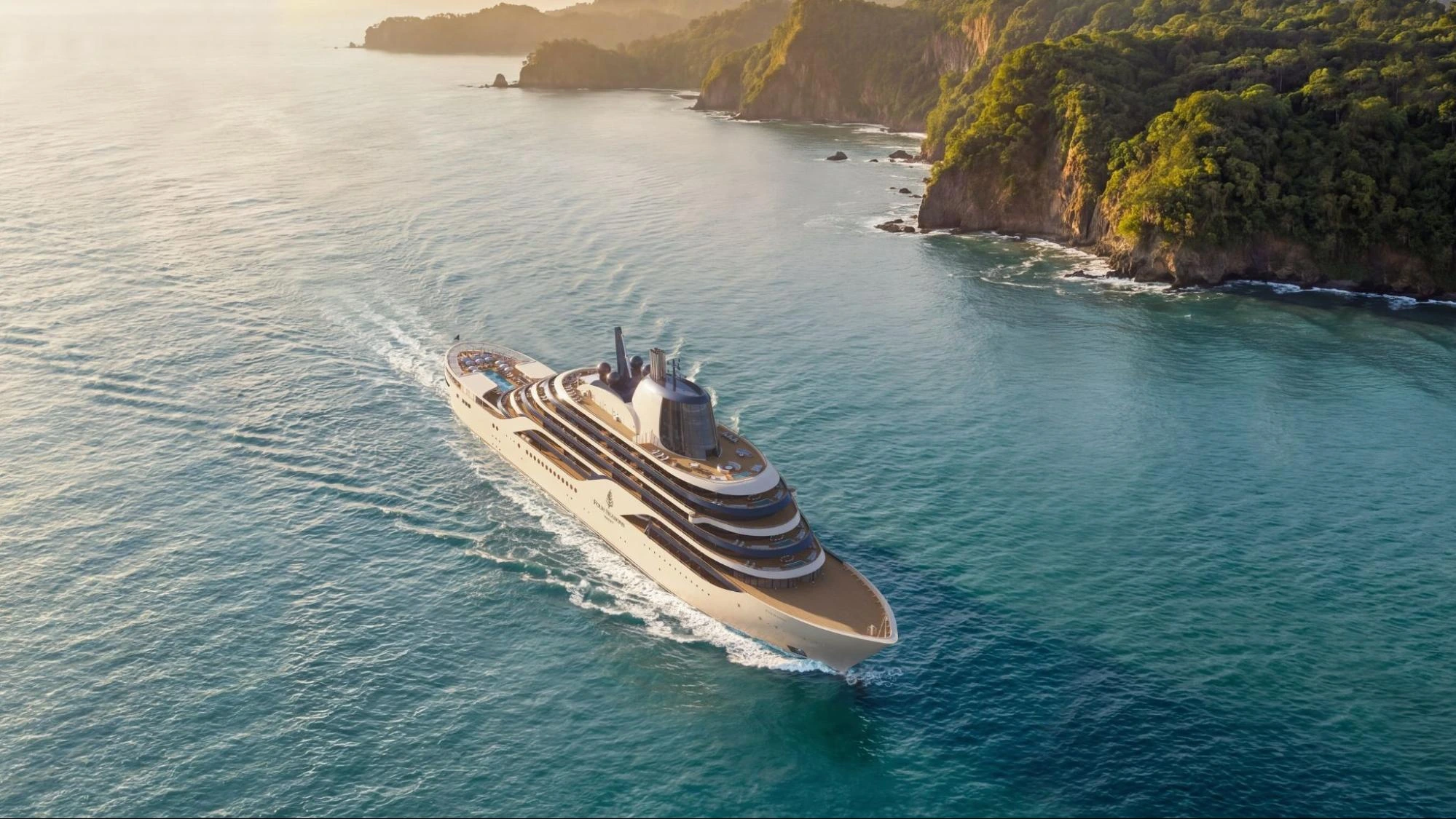
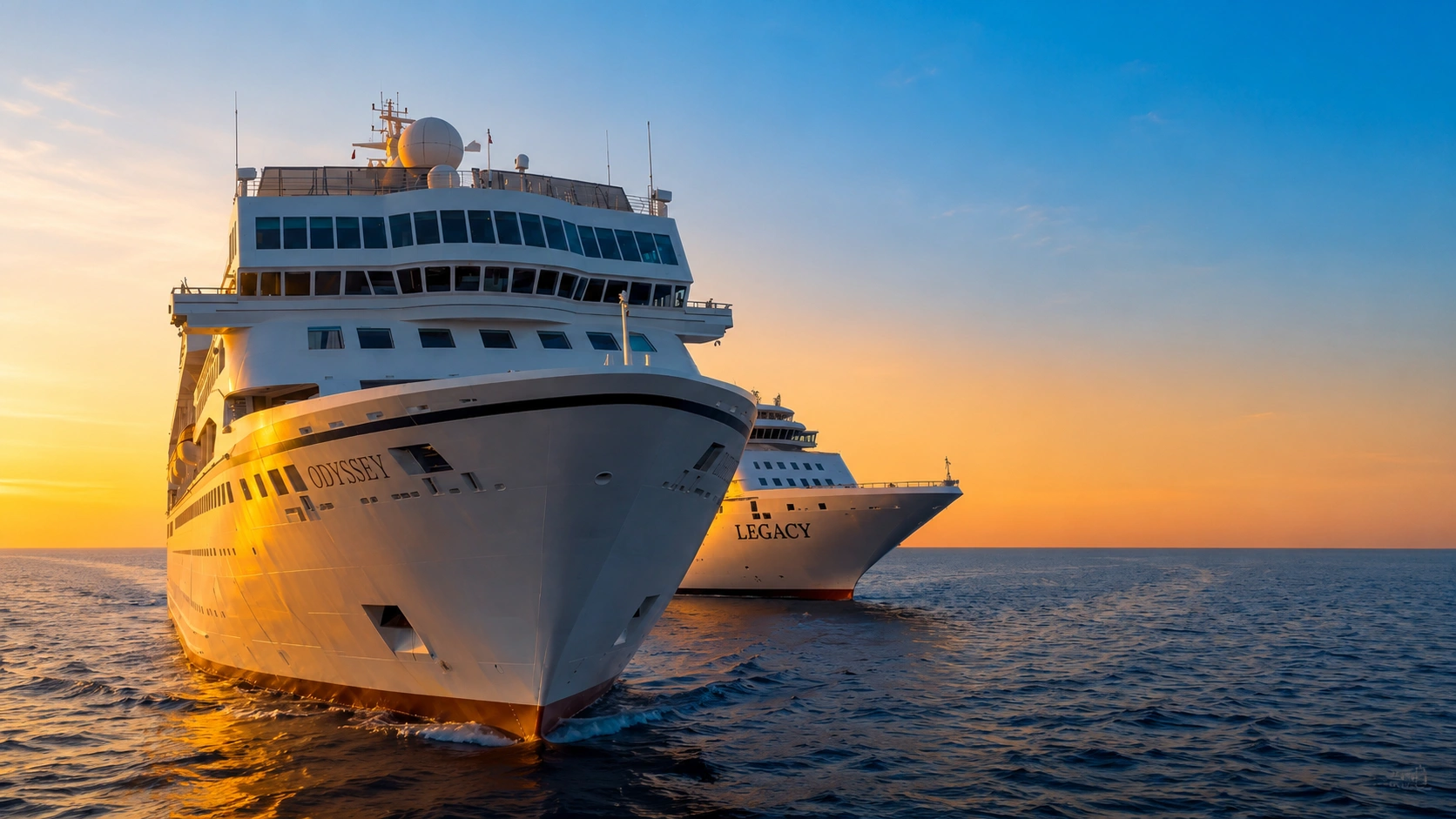
Villa Vie Residences has announced plans to introduce Legacy, its second residential cruise ship, with service expected to begin in early 2029. The vessel will be officially unveiled during the second anniversary celebration of Villa Vie Odyssey, which has spent two continuous years sailing around the world and has now sold more than 85% of its available residences. The expansion reflects growing interest in residential cruising, a niche concept that blends permanent housing with ongoing global travel rather than traditional holiday voyages.
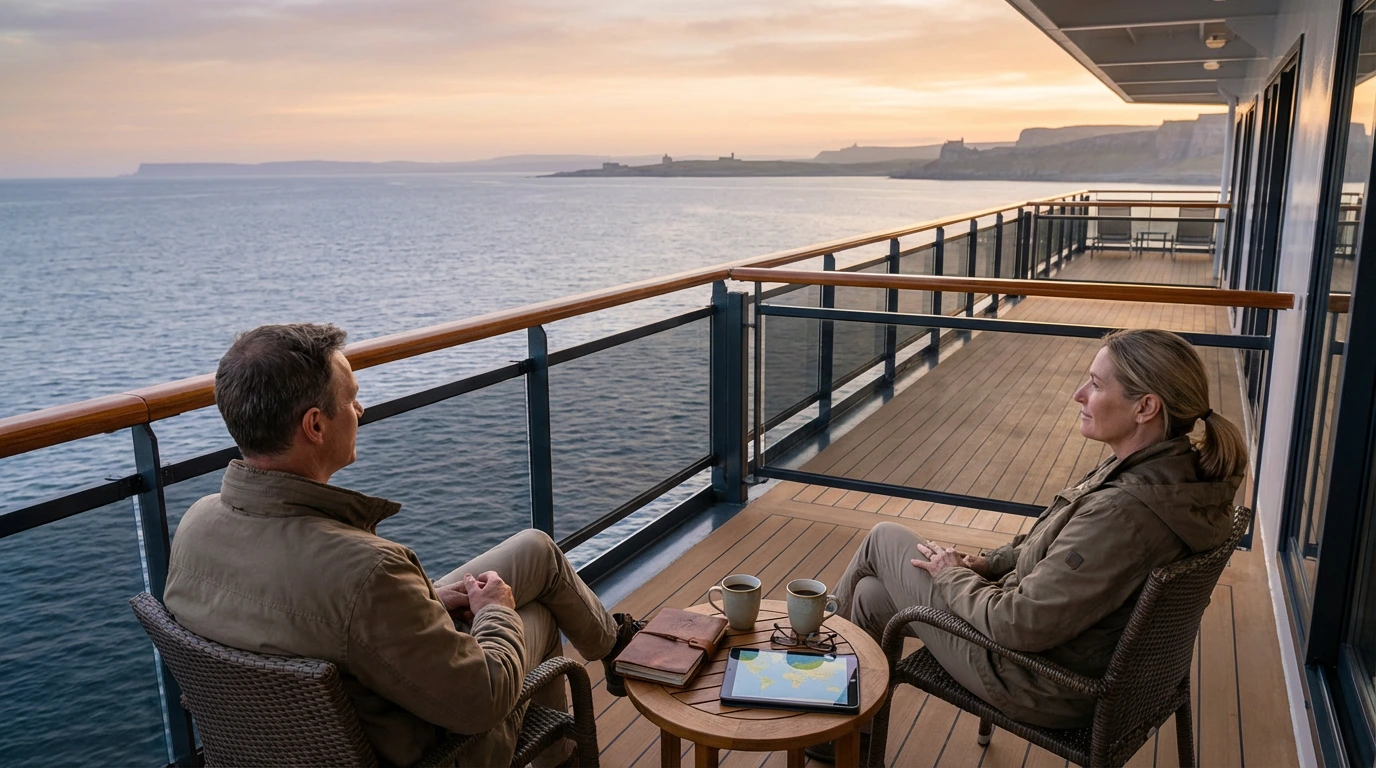
Residential cruise ships occupy a unique position between luxury real estate and the cruise industry. Instead of booking short itineraries, residents purchase long-term accommodation aboard a vessel that continually travels between destinations, creating an alternative lifestyle for people seeking mobility without regularly changing homes. While the concept has existed in various forms for years, recent projects have renewed attention by appealing to retirees, remote workers, and travellers interested in combining everyday living with international exploration.
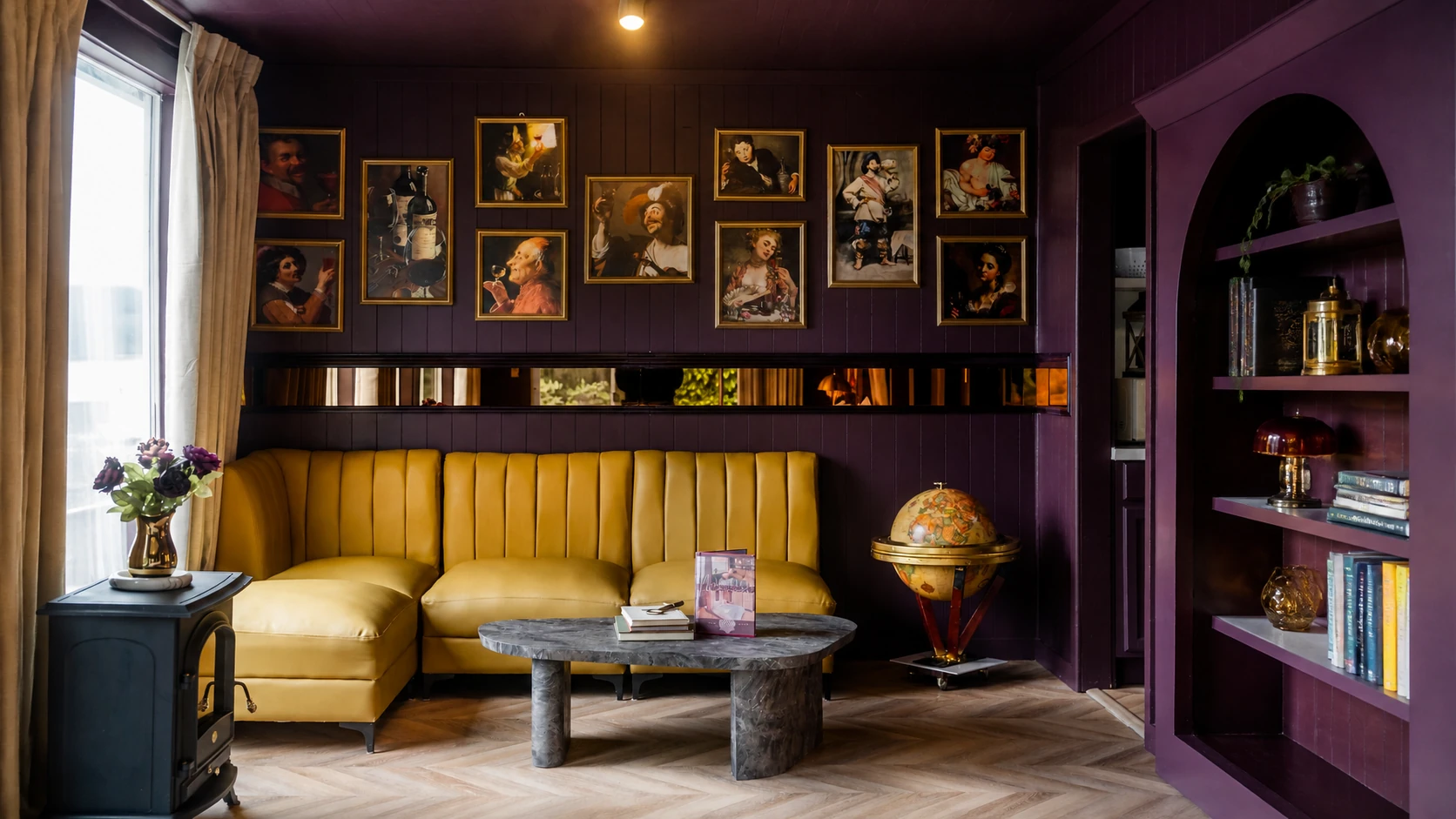
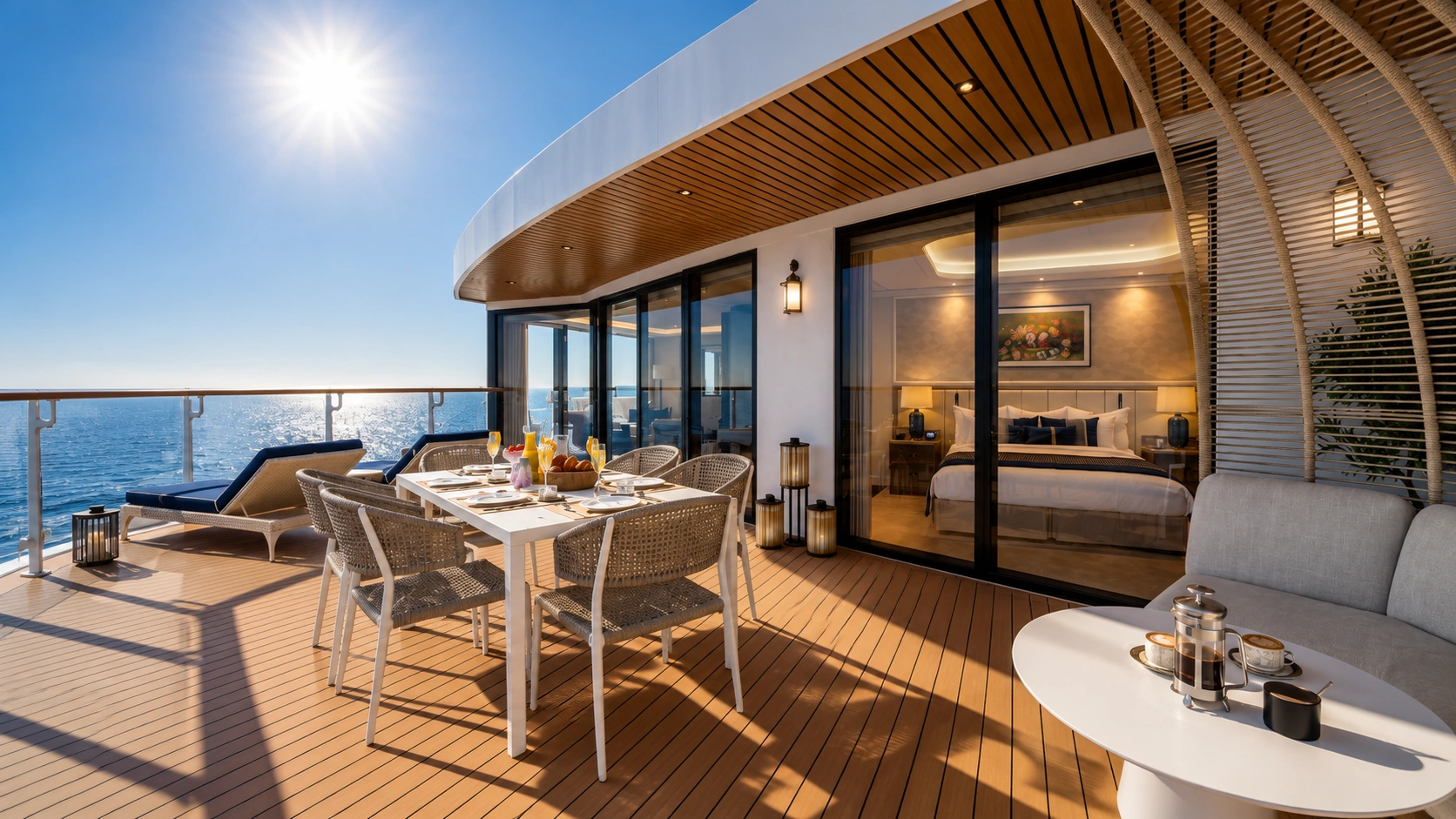
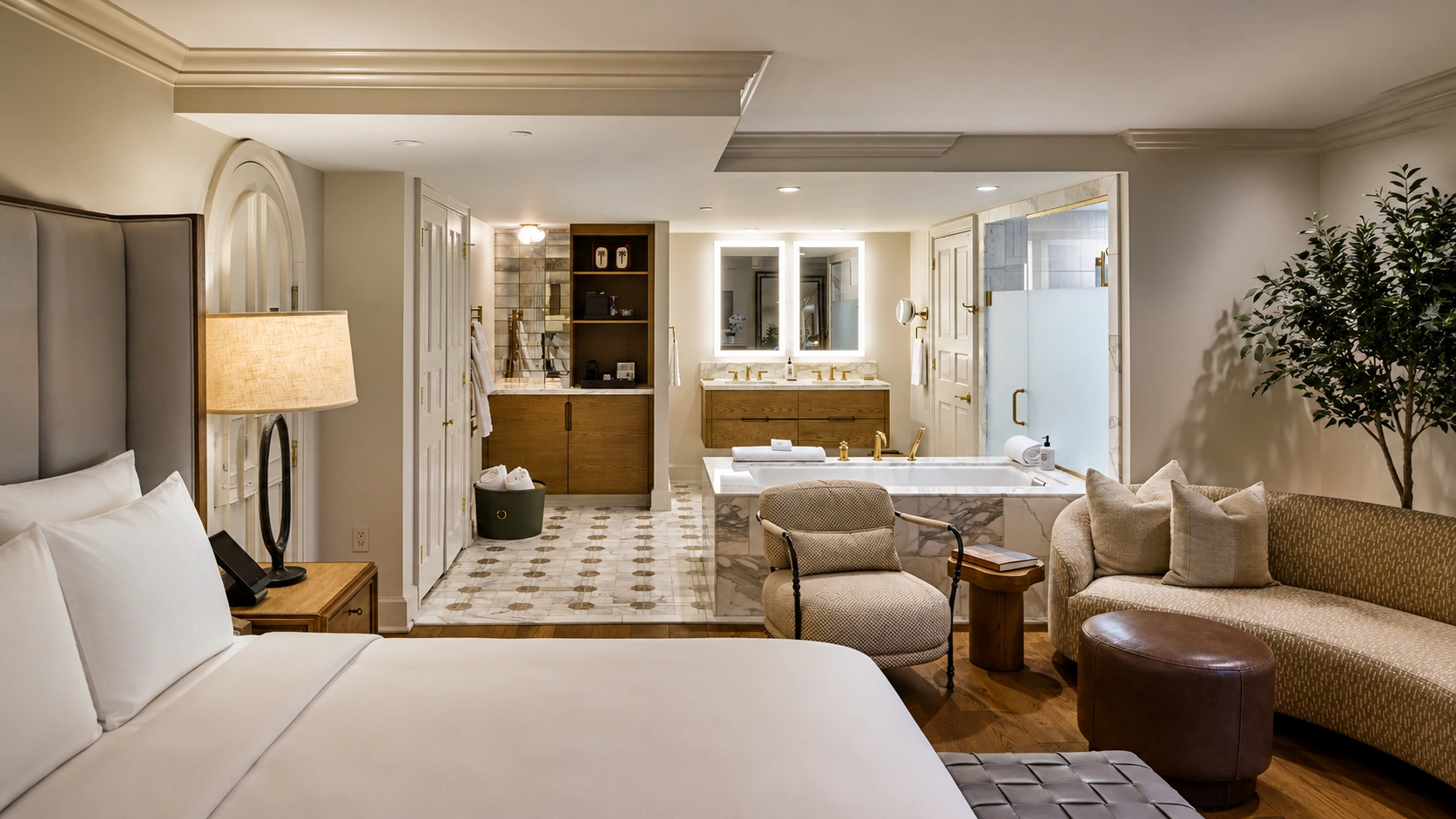
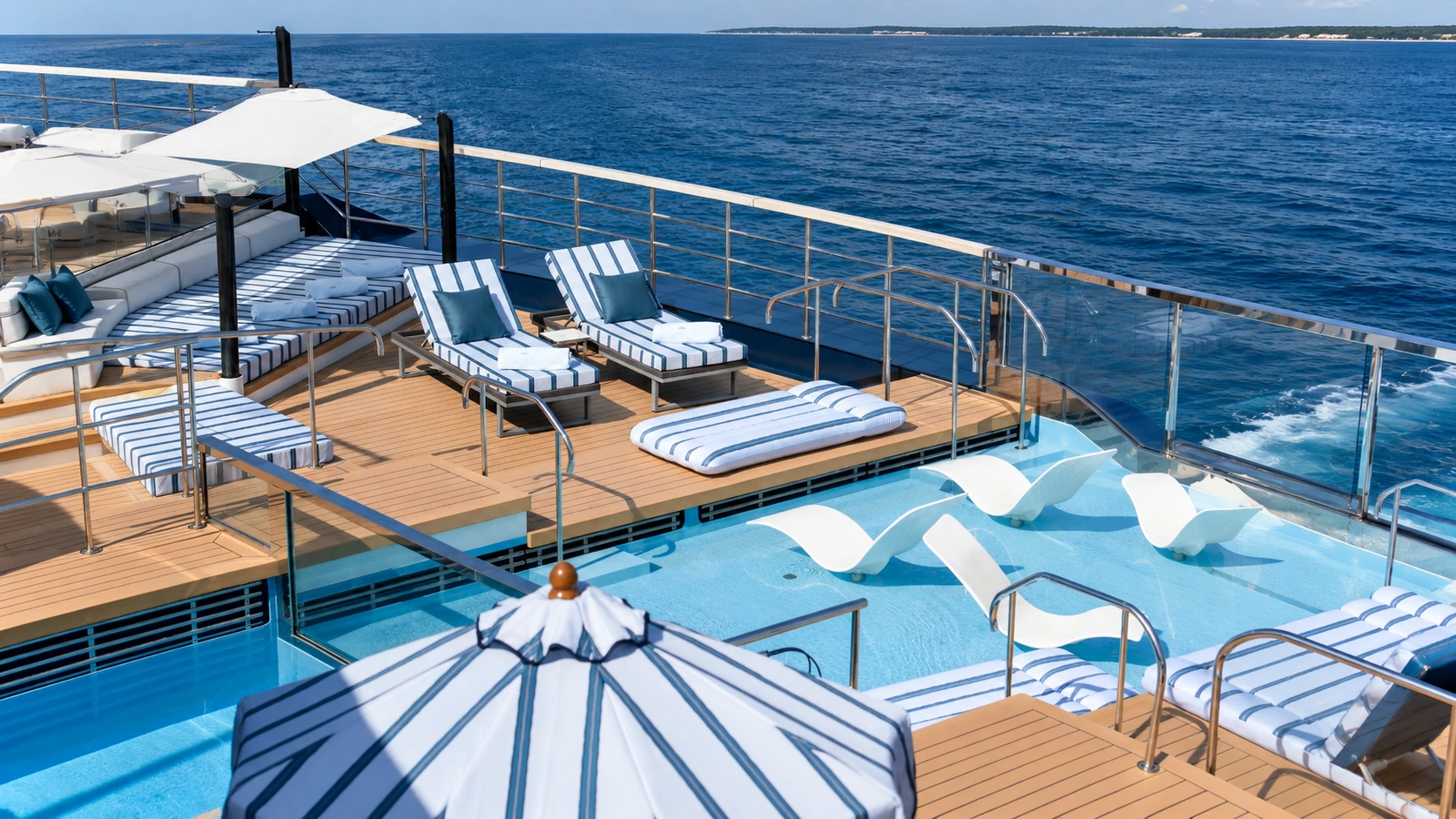
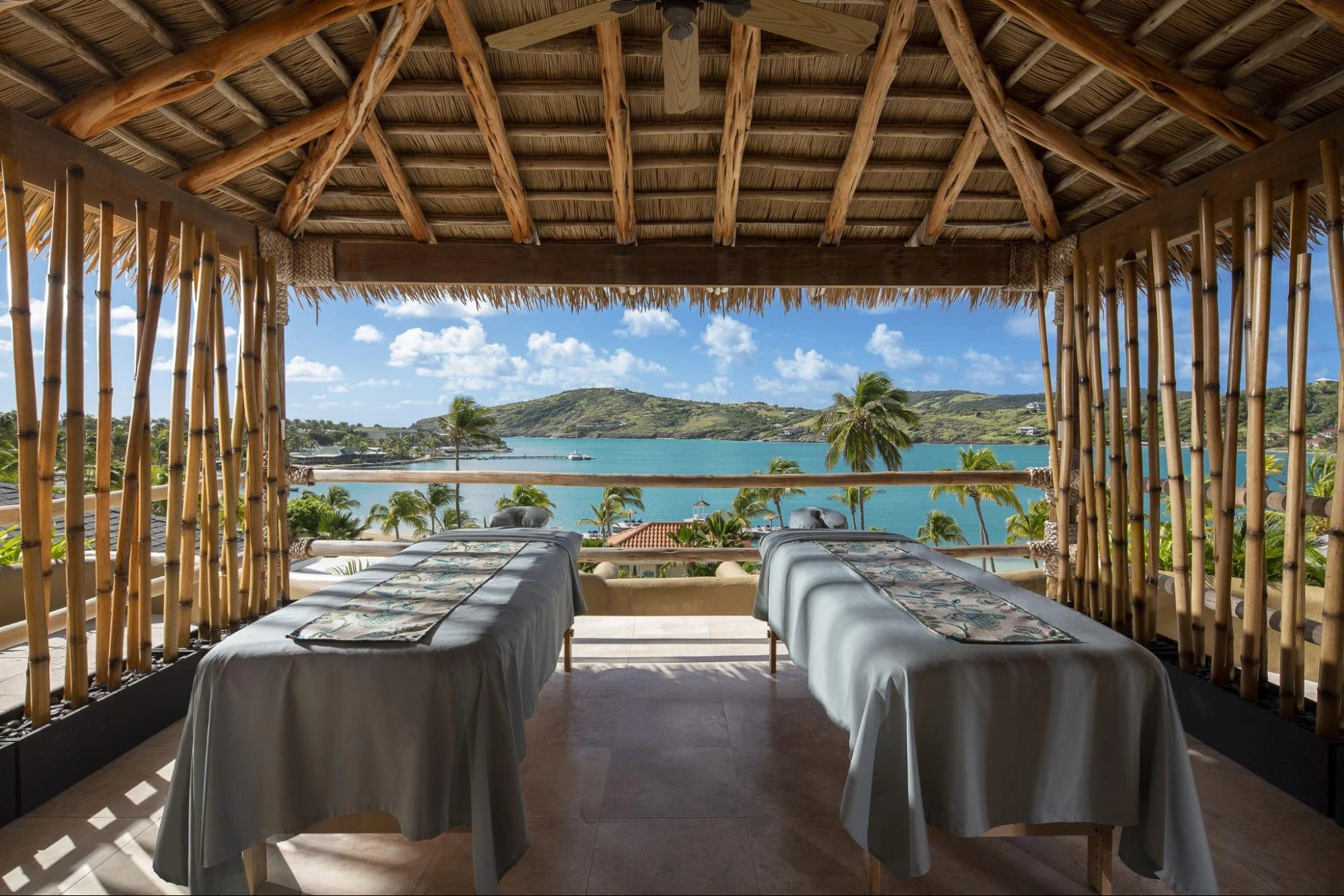
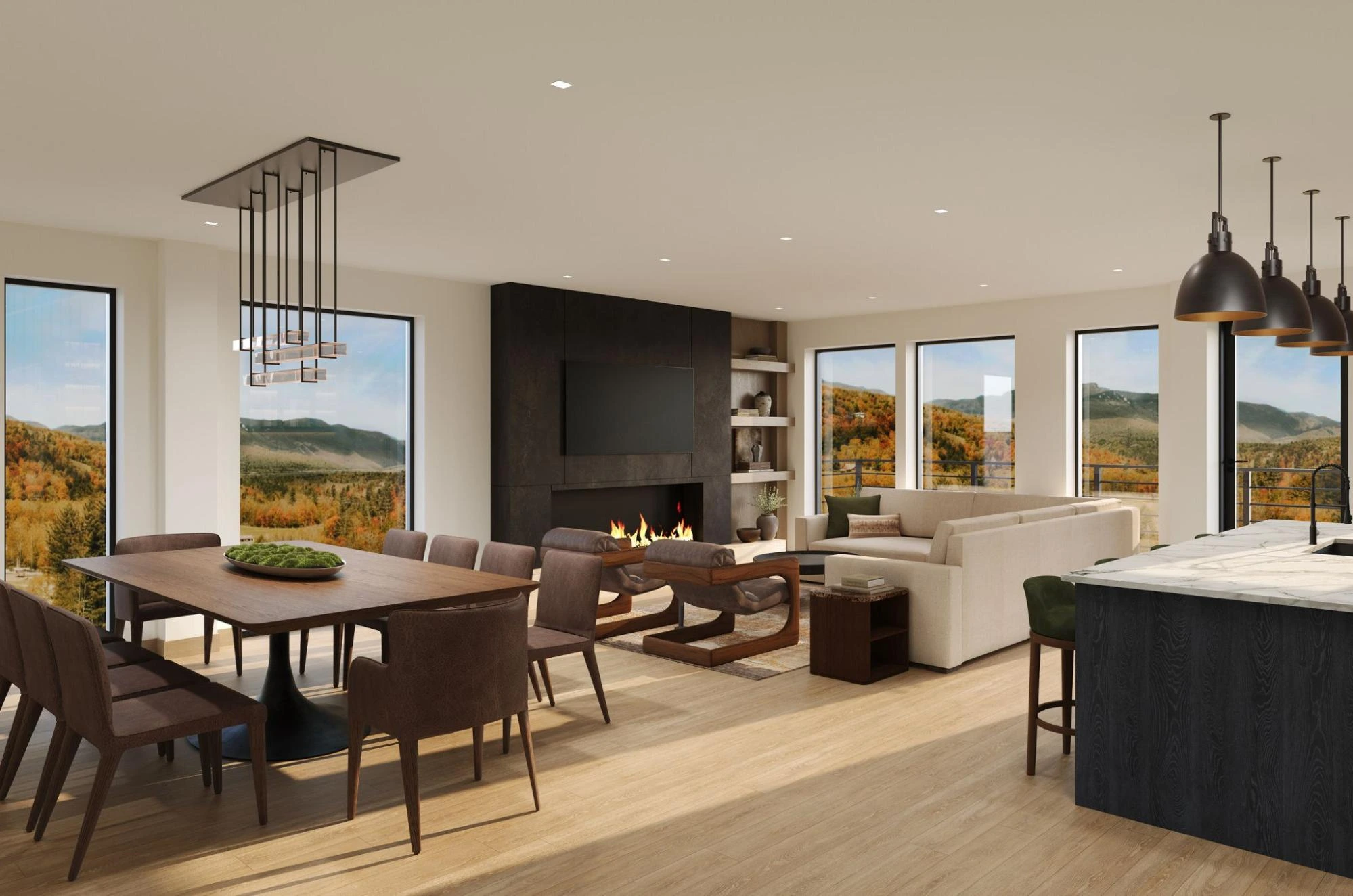
According to Villa Vie, Legacy will build on the experience gained from operating Odyssey, offering residences that are expected to be significantly larger alongside expanded dining, wellness, and shared public spaces. The company also announced that participants in its Endless Horizons lifetime residency programme will automatically receive residency rights aboard the new vessel when it enters service. To bridge the gap before the ship’s launch, Villa Vie is introducing a limited programme allowing a small number of new buyers to begin living aboard Odyssey immediately before transitioning to comparable residences on Legacy once it enters operation.
The announcement highlights how companies in the residential cruising sector are increasingly focusing on long-term customer retention rather than individual voyages. By linking ownership across multiple ships, operators are beginning to position their fleets as connected communities rather than standalone vessels. This approach resembles membership-based housing or hospitality models, where continued access and flexibility become central to the value offered to residents.
Villa Vie’s decision to expand beyond a single ship suggests that residential cruising is evolving from an experimental concept into a more structured business model. Although the market remains relatively specialised, continued investment indicates confidence that some travellers are looking for alternatives to conventional home ownership and traditional cruising. As additional ships enter service, the sector may offer further insight into how mobility, remote lifestyles, and permanent travel continue to reshape expectations around where and how people choose to live.