The cruise line’s planned refurbishment balances heritage with evolving traveler expectations, adding wellness-focused spaces while preserving the classic character that defines the Queen Victoria experience.
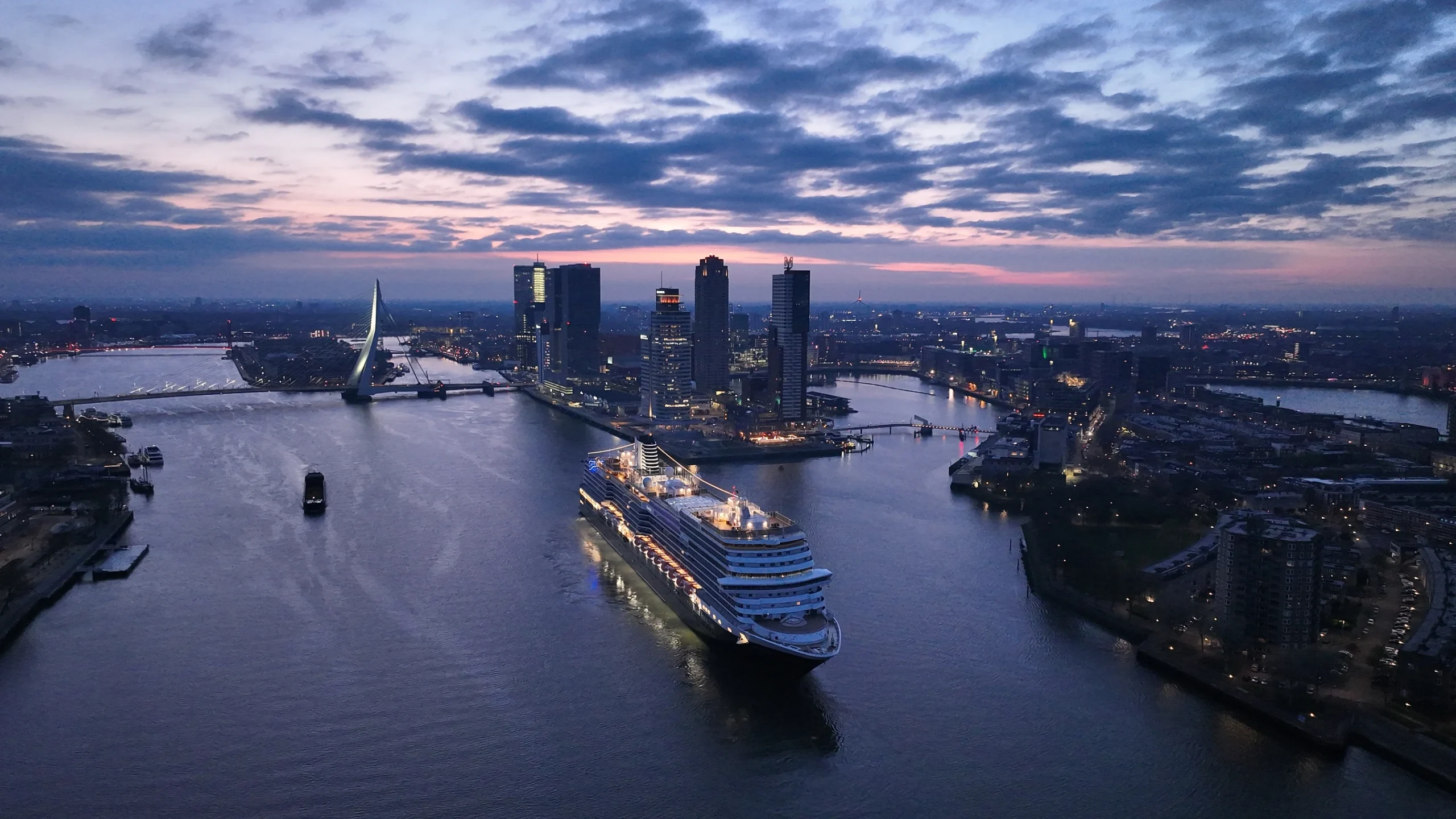
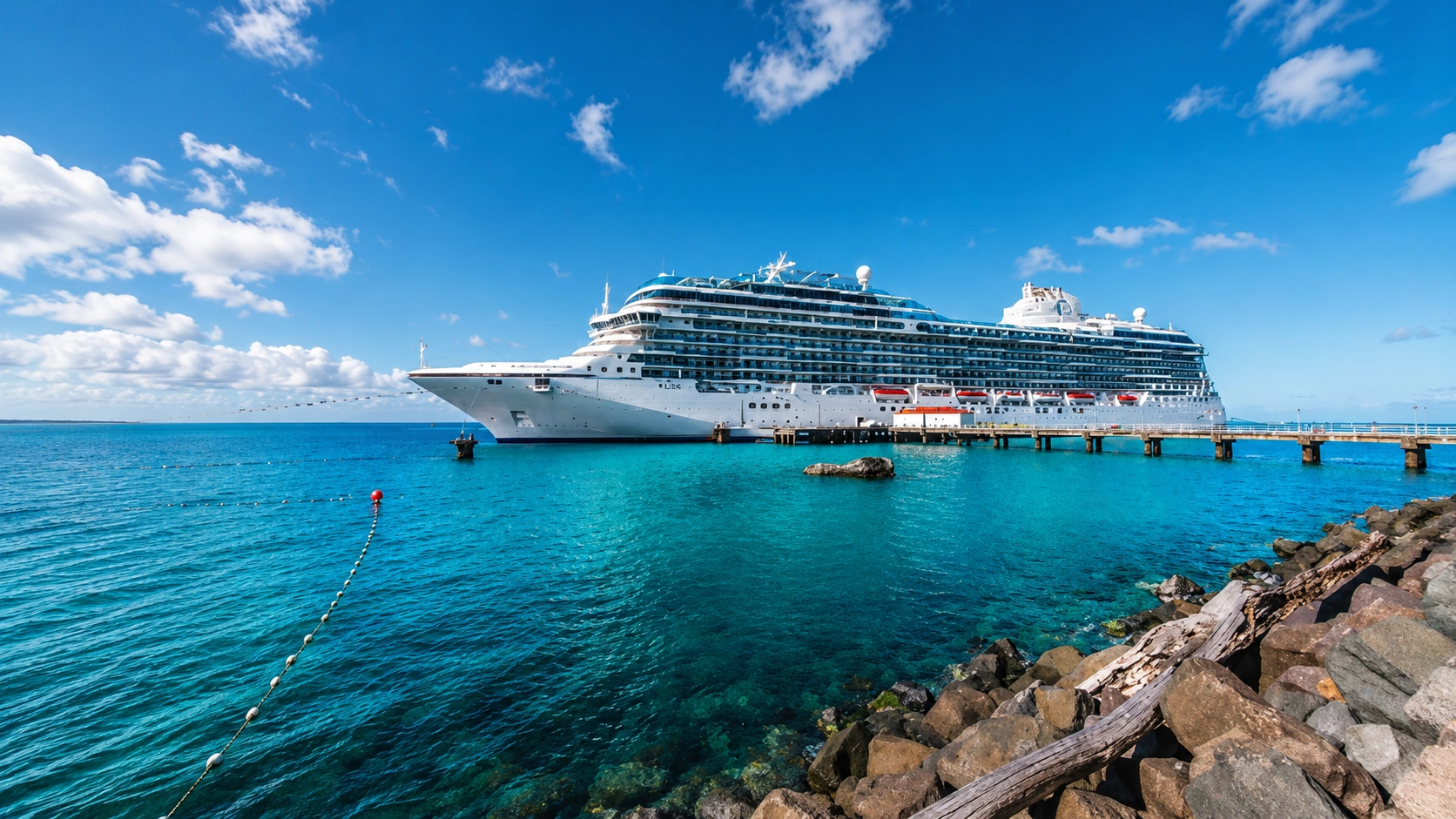
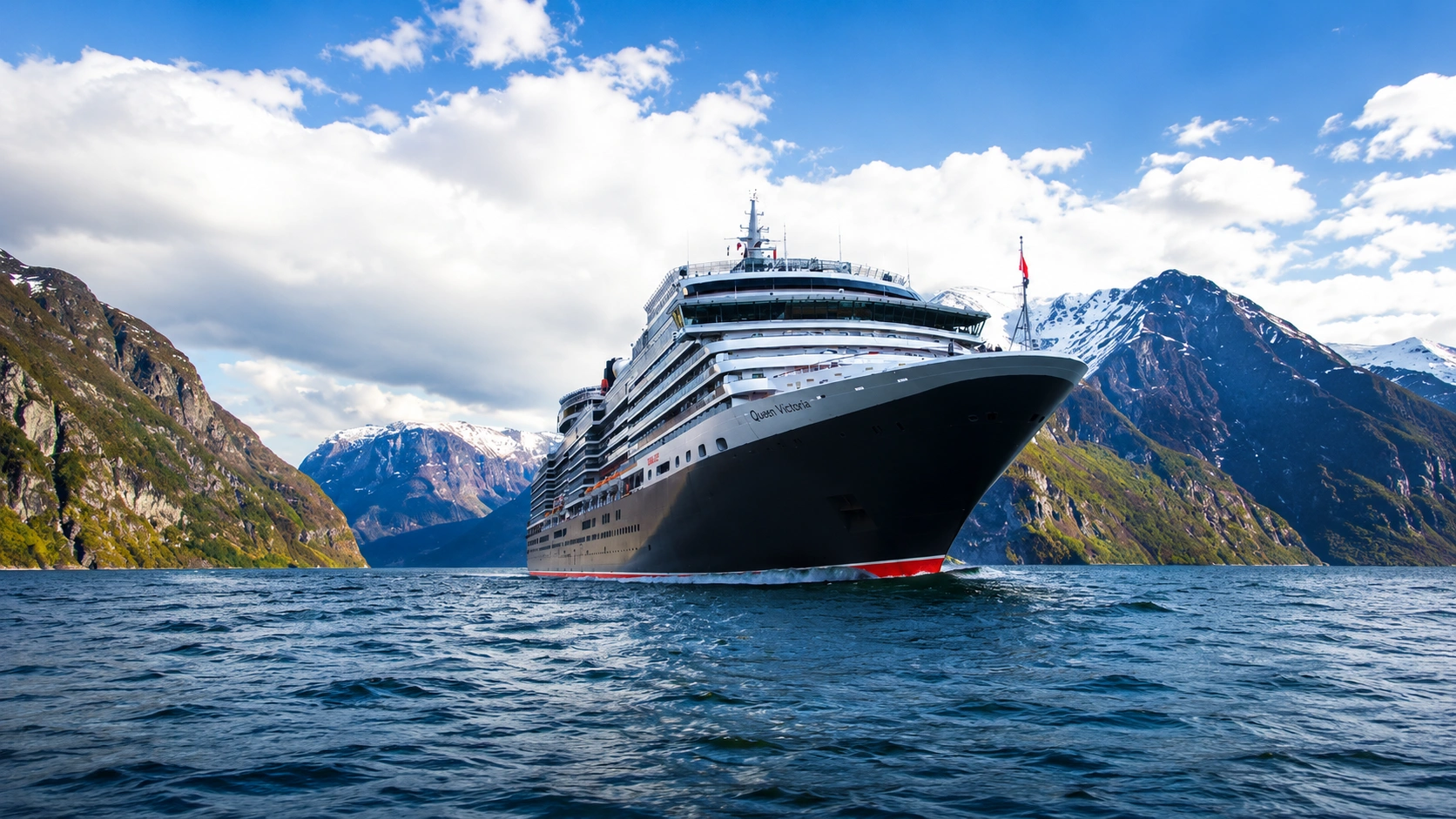
Cunard has announced an extensive refurbishment of Queen Victoria, its 2,000-guest luxury cruise ship, with a three-week dry dock scheduled in Rotterdam this autumn. The project will update several of the vessel’s signature spaces, introduce new accommodations, and add a wellness-focused dining venue before the ship returns to service in November. Rather than representing a complete redesign, the transformation reflects an effort to modernize the onboard experience while maintaining the traditional identity that has long distinguished the Cunard brand.
Across the cruise industry, refurbishment projects have become increasingly important as operators seek to keep established ships competitive without sacrificing the qualities that have earned them loyal followings. Returning guests often value familiarity and tradition, yet they also expect amenities that reflect changing travel preferences. As a result, cruise lines are investing in carefully targeted renovations that improve comfort, dining, and public spaces while preserving the atmosphere that defines each ship.
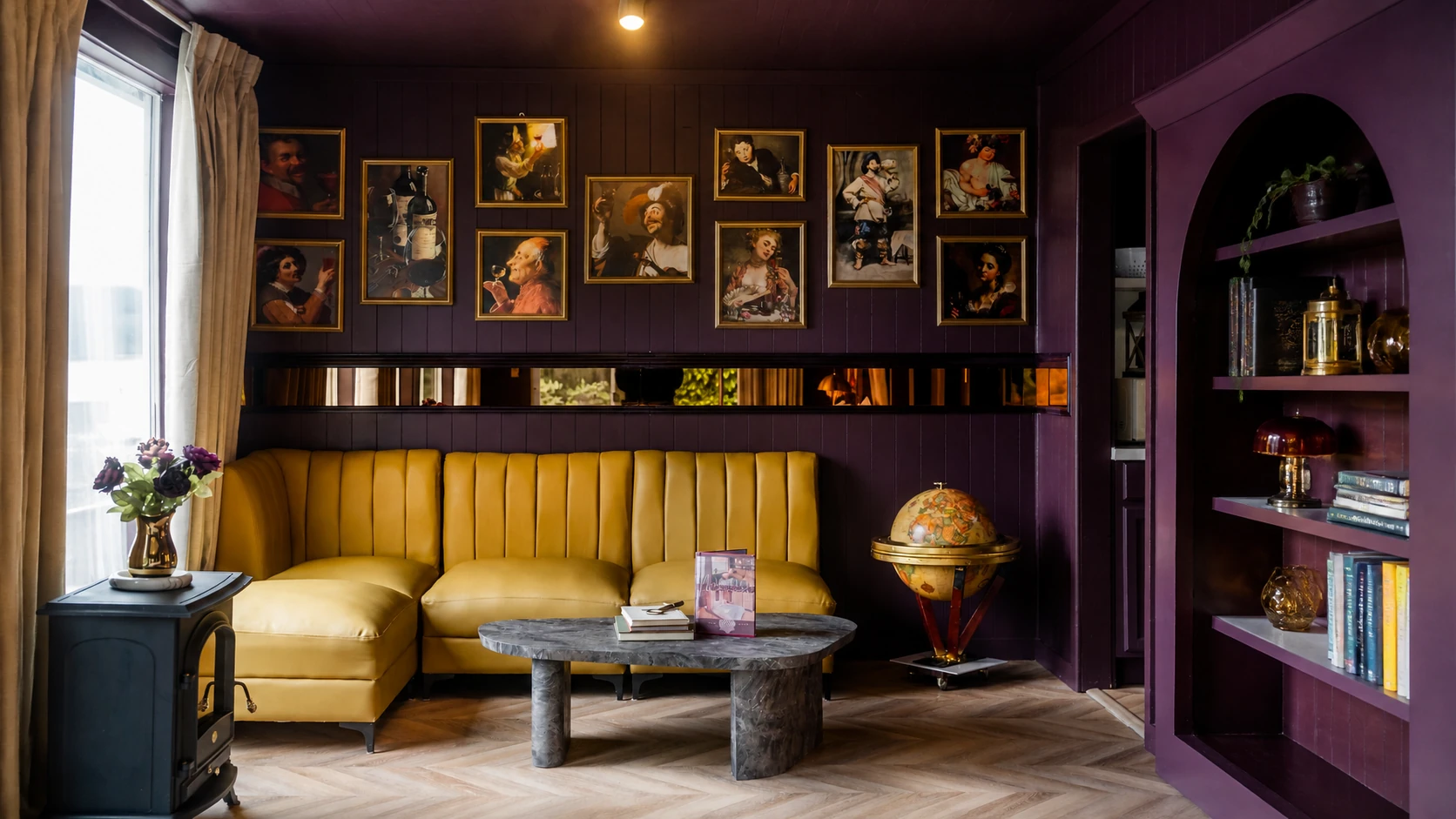
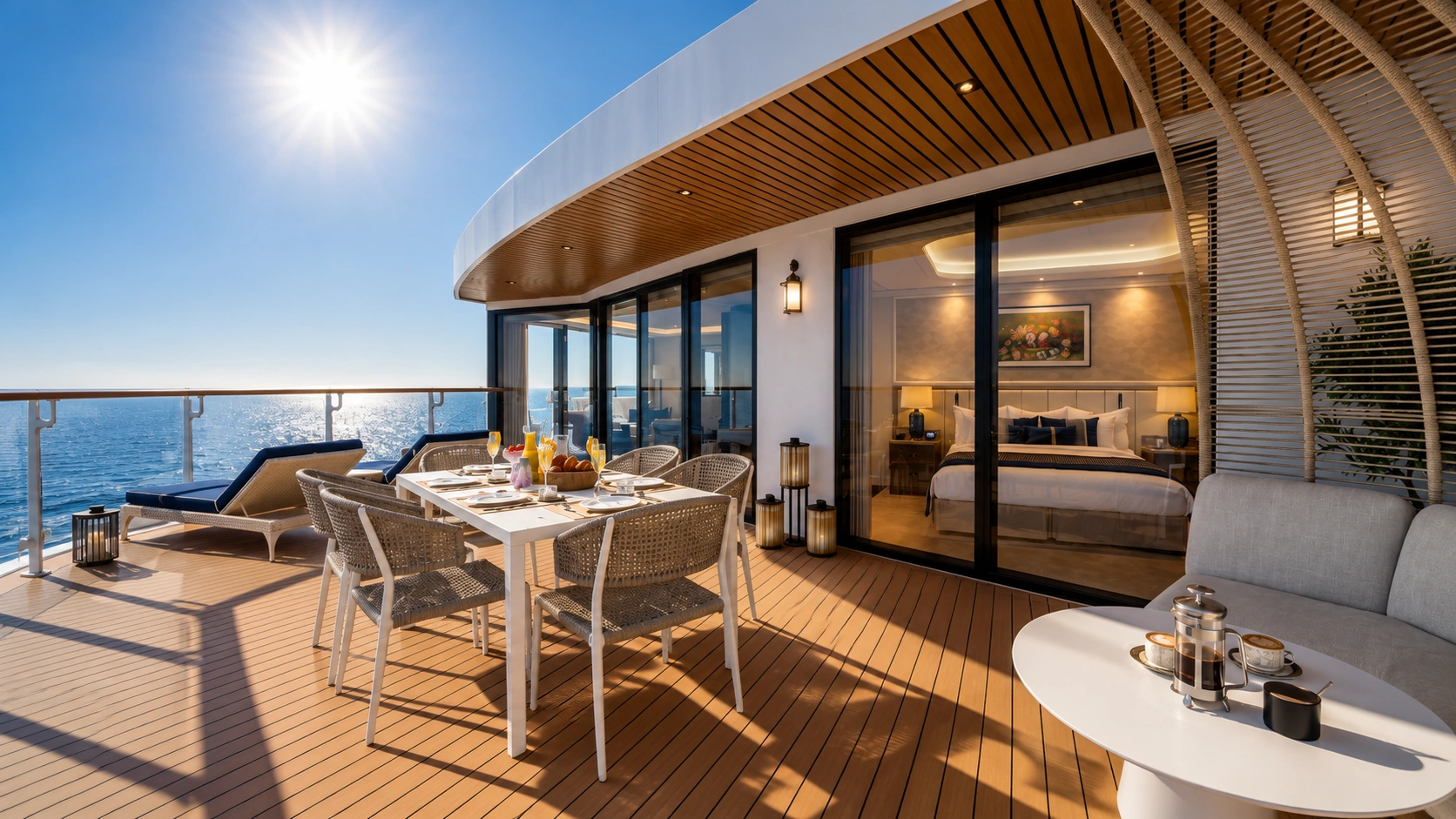
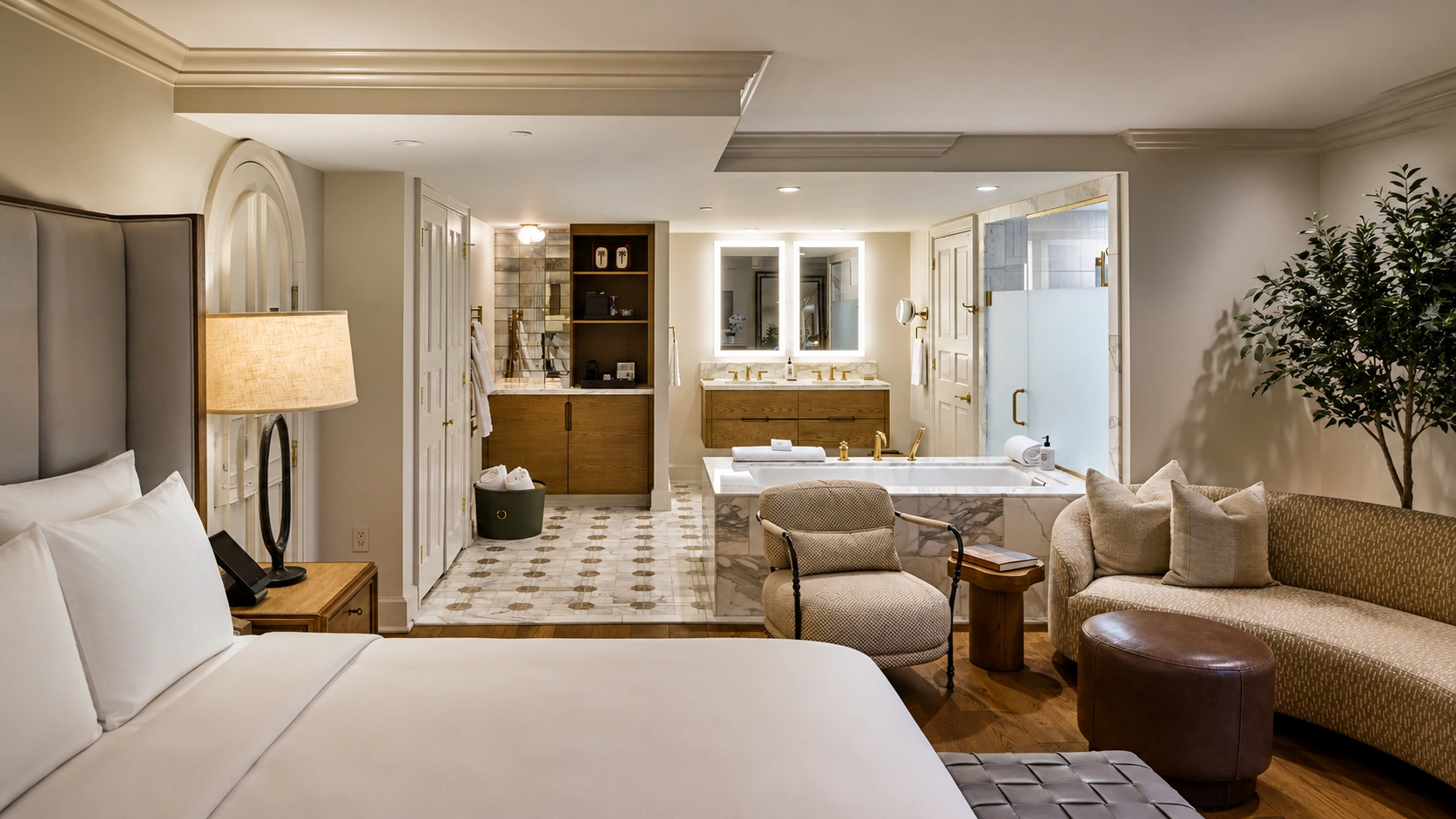
Queen Victoria’s updates follow this measured approach. Cunard plans to refresh the Grand Lobby and the Queens Room, two of the ship’s most recognizable gathering places, while enhancing its premium Queens Grill and Princess Grill suites with redesigned interiors. The refurbishment will also add eight new Britannia staterooms, including a premium oceanview category featuring floor-to-ceiling windows. These additions expand accommodation choices without fundamentally altering the ship’s overall layout or guest capacity.
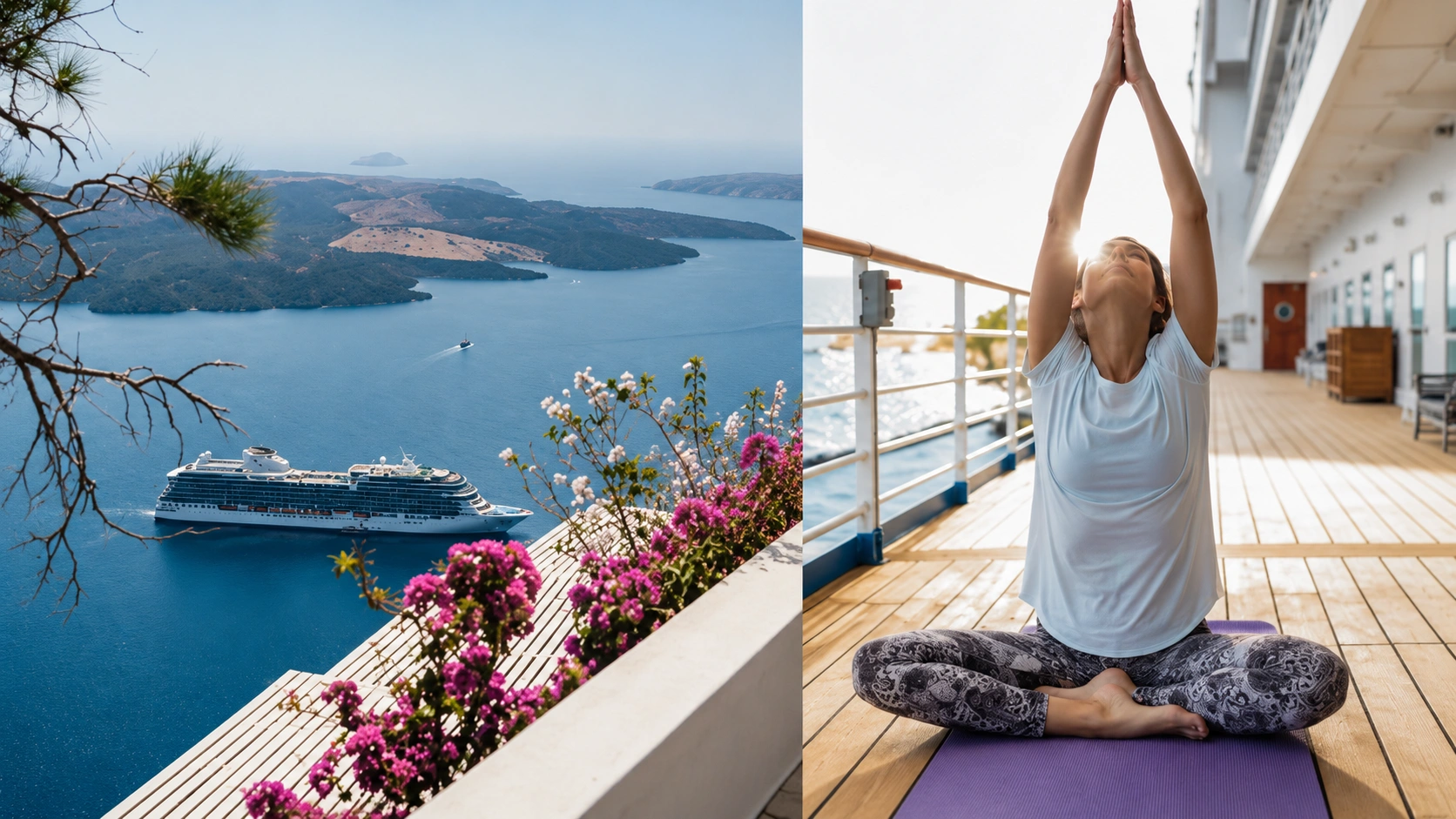
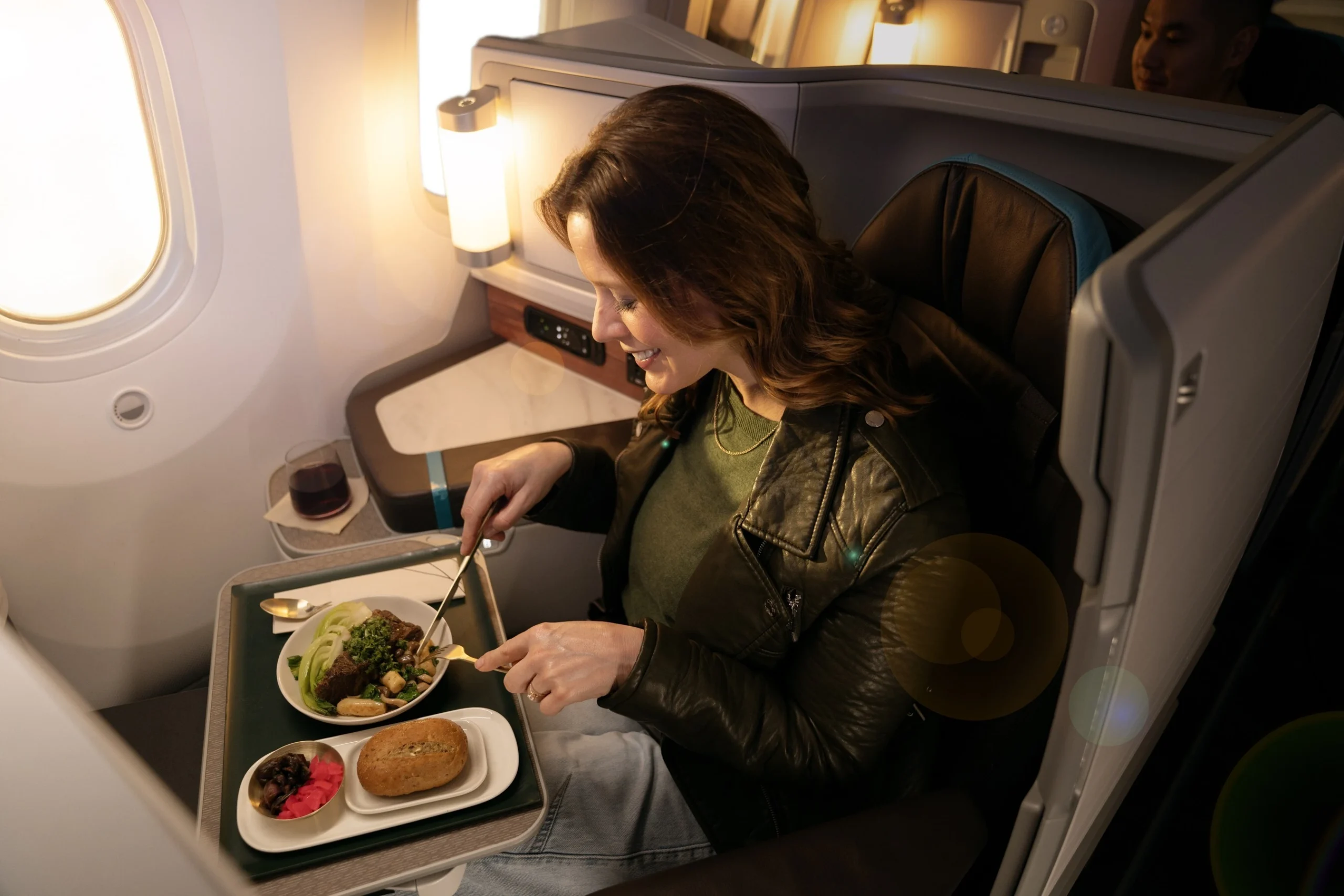
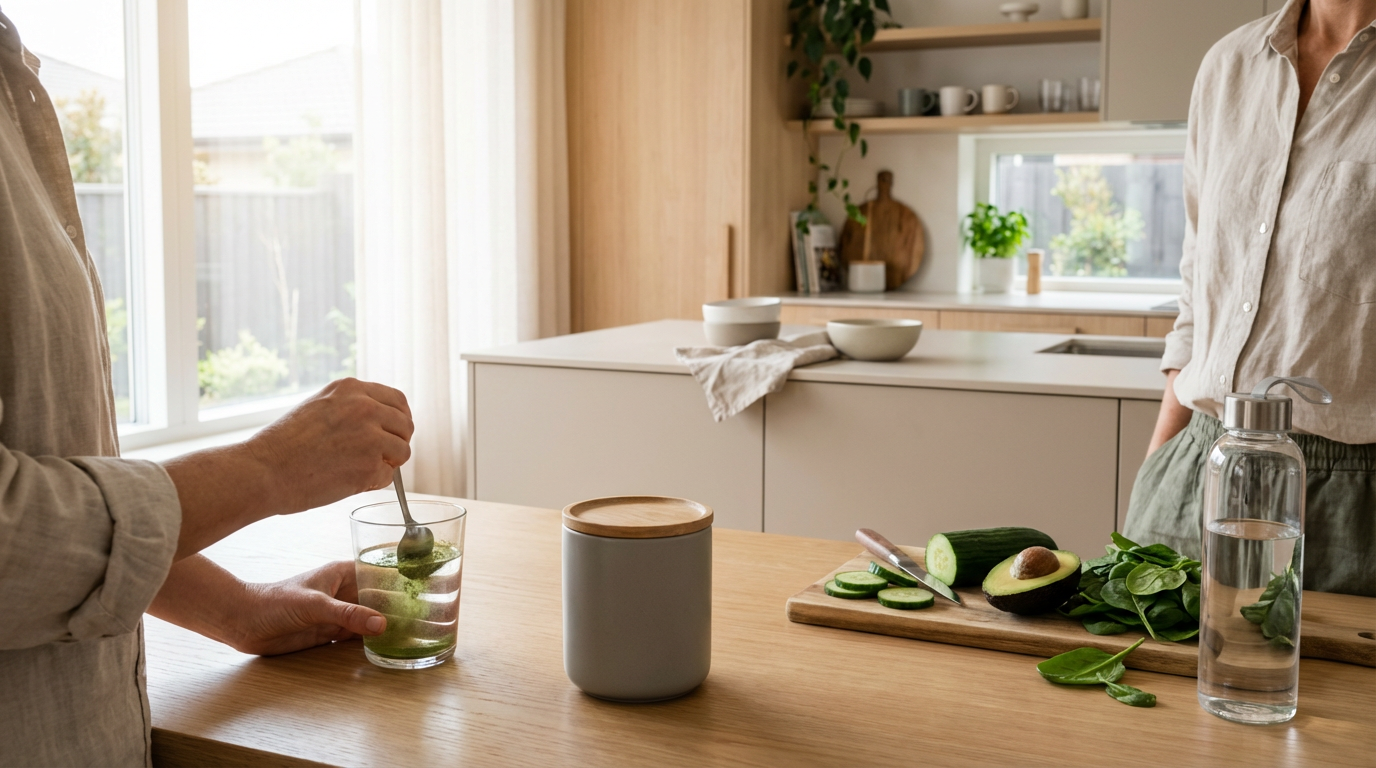
One of the most notable changes is the introduction of The Pavilion Wellness Café, which will join similar venues already introduced on other Cunard ships. Offering plant-based dishes alongside sustainably sourced meat, seafood, and dairy, the café reflects the growing influence of wellness-oriented dining within luxury travel. Health-conscious menus, flexible dining options, and spaces dedicated to relaxation have become increasingly common across the cruise sector as travelers seek experiences that align with broader lifestyle priorities rather than traditional indulgence alone.
The planned transformation illustrates how established travel brands are adapting to evolving expectations without abandoning their heritage. For Cunard, whose identity has long been associated with British elegance and classic ocean voyages, the challenge lies in modernizing thoughtfully rather than reinventing itself. Queen Victoria’s refurbishment suggests that the future of luxury cruising may depend less on dramatic change and more on refining familiar experiences, allowing longstanding traditions and contemporary preferences to coexist aboard the same ship.