New rear door heat exchanger systems broaden cooling choices for AI and high-performance computing, reflecting the industry’s push to balance rising compute demands with energy efficiency.
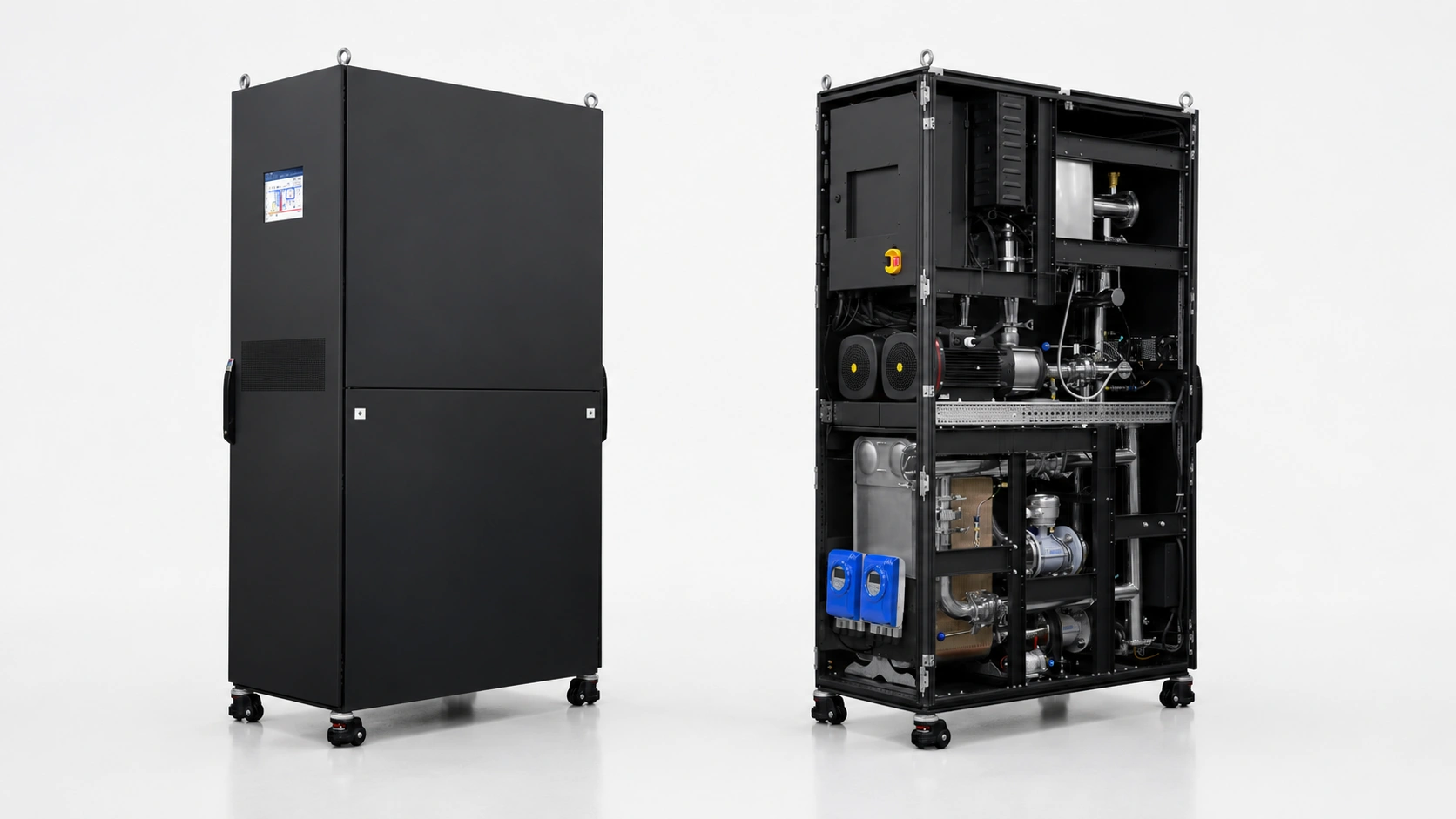
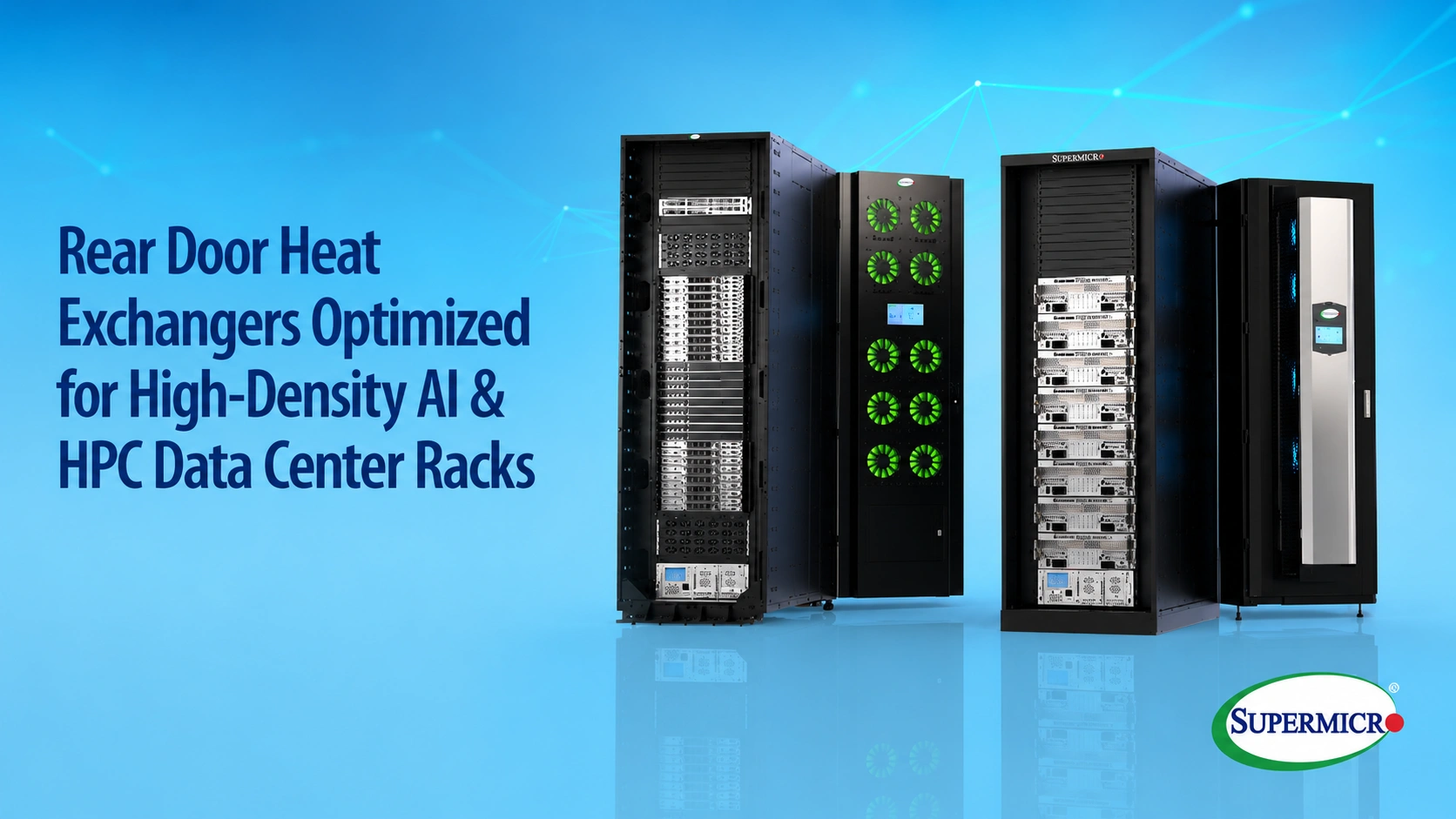
Supermicro is expanding its portfolio of liquid cooling technologies with a new range of rear door heat exchangers designed for artificial intelligence and high-performance computing environments. The additions strengthen the company’s broader Data Center Building Block Solutions (DCBBS) platform and reflect a growing industry focus on managing the heat generated by increasingly dense computing infrastructure. As AI workloads continue to scale, efficient cooling has become as critical to data center performance as processing power itself.
The new portfolio includes ten models capable of supporting cooling capacities ranging from 10 kilowatts to 120 kilowatts at the door level, with configurations supporting up to 240 kilowatts per rack. Rather than requiring entirely new facilities, the systems are designed to integrate into both newly constructed and existing data centers, offering operators a way to introduce liquid cooling without extensive structural modifications. This flexibility is becoming increasingly important as organizations look to expand AI capacity while extending the lifespan of current infrastructure.
Supermicro positions the rear door heat exchangers as part of a modular approach to infrastructure design. The systems can operate independently as a primary cooling solution or alongside the company’s direct-to-chip liquid cooling technology, allowing customers to tailor deployments based on workload requirements, facility constraints, and desired computing density. Compatibility with standard EIA, ORv3, and MGX rack formats also aims to simplify adoption across a range of environments.
Beyond hardware, the announcement underscores the growing role of integrated infrastructure management. The cooling systems include support for real-time monitoring of temperature, pressure, flow rates, and pump performance through industry-standard management tools and Supermicro’s own software platform. Features such as intelligent fan controls, redundancy, and anti-condensation protection are intended to improve operational reliability while reducing maintenance complexity.
The expansion illustrates a broader shift across the data center industry, where cooling is evolving from a supporting function into a strategic consideration. As AI models become larger and computational demands continue to rise, infrastructure providers are increasingly competing not only on processing performance but also on how efficiently they can power and cool those systems. Supermicro’s latest additions reflect that changing landscape, where scalable thermal management is becoming an essential part of modern AI infrastructure planning.