LG Electronics has earned NVIDIA validation for a liquid cooling system, underscoring the growing importance of thermal management as AI data centers become larger, denser, and more energy intensive.
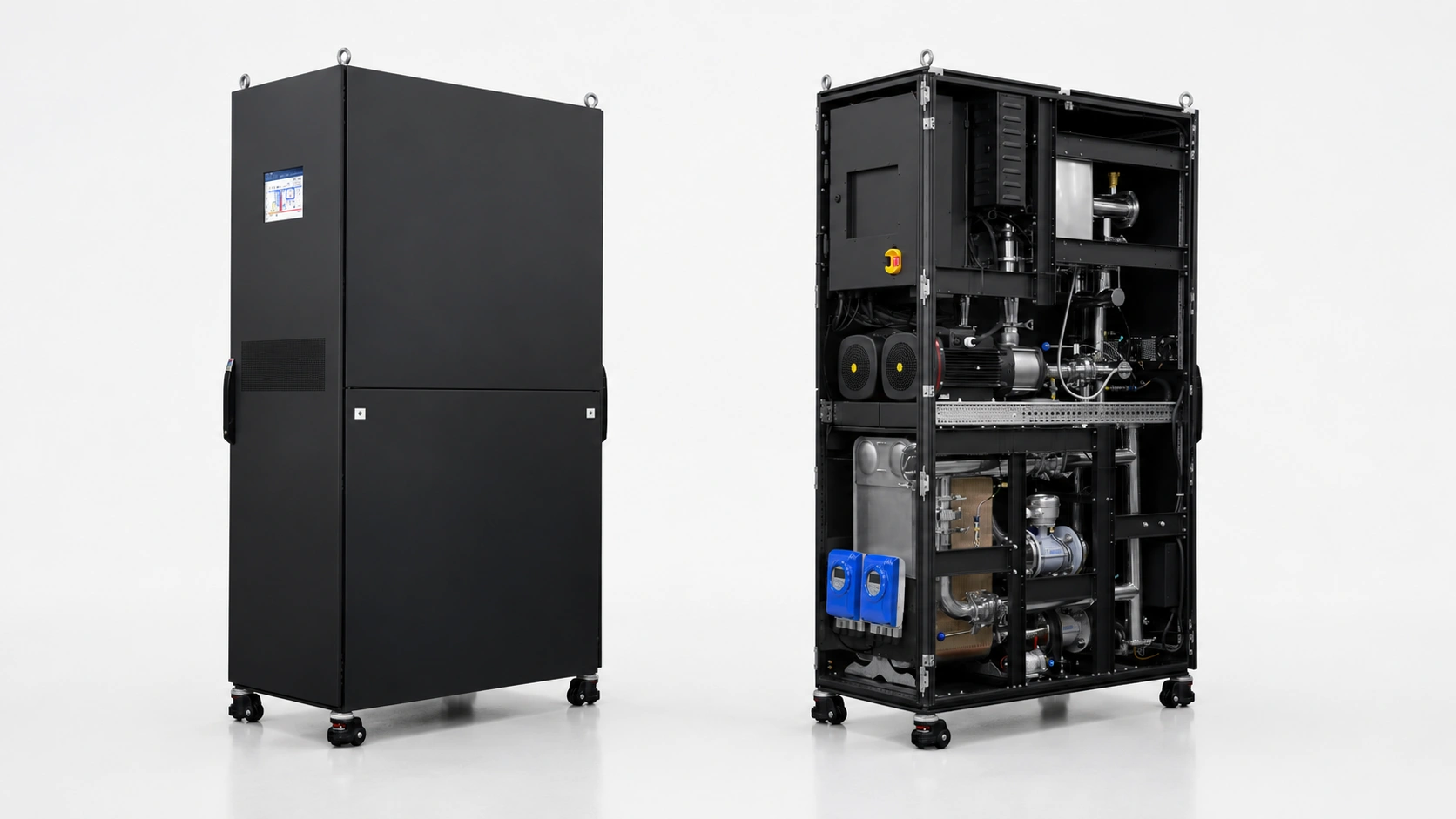
LG Electronics has received NVIDIA validation for its 600-kilowatt Coolant Distribution Unit (CDU), a system designed to manage the heat generated by high-performance AI servers. The certification confirms that the company’s liquid cooling technology meets NVIDIA’s technical requirements for AI Factory infrastructure and positions LG as an officially validated partner for AI-focused data center deployments. While processors and AI models often dominate discussions about artificial intelligence, the announcement draws attention to the less visible infrastructure that enables those systems to operate reliably at scale.
As AI workloads become more computationally demanding, managing heat has emerged as one of the industry’s most significant engineering challenges. Modern AI processors consume substantial amounts of power, producing heat levels that traditional air-cooling methods can struggle to handle efficiently. In response, data center operators are increasingly adopting liquid cooling systems that deliver coolant directly to high-temperature components, helping maintain stable operating conditions while supporting higher computing densities and improved energy efficiency.
LG’s certified CDU is built around this direct-to-chip cooling approach, circulating coolant to processors while working alongside conventional air-cooling systems in a hybrid configuration. According to the company, the unit maintains precise temperature control, incorporates real-time monitoring and leak detection, and integrates with centralized data center management platforms. LG also evaluates the equipment at a dedicated testing facility that simulates complete cooling workflows, from AI chips and cold plates through coolant distribution and chillers, to verify performance under demanding operating conditions.
The certification also reflects a broader shift within the technology industry as infrastructure vendors seek formal validation from major AI platform providers. Standardized testing and certification can simplify procurement decisions for hyperscale data center operators, reducing the time required to qualify new equipment while providing greater confidence that different hardware components will function together in complex computing environments. As AI infrastructure expands globally, interoperability is becoming an increasingly important consideration alongside raw performance.
LG Electronics’ latest milestone illustrates how the rapid growth of artificial intelligence depends on advances well beyond processors and software. Reliable thermal management has become a foundational requirement for modern AI facilities, enabling increasingly powerful systems to operate safely and consistently. As demand for AI computing continues to accelerate, technologies that improve cooling efficiency are likely to play an increasingly central role in the next generation of data center infrastructure.