A new ceiling fixture blends dense LED arrays with AI tools, reflecting a broader shift as home lighting evolves from utility into a customizable, screen-like layer of ambient media
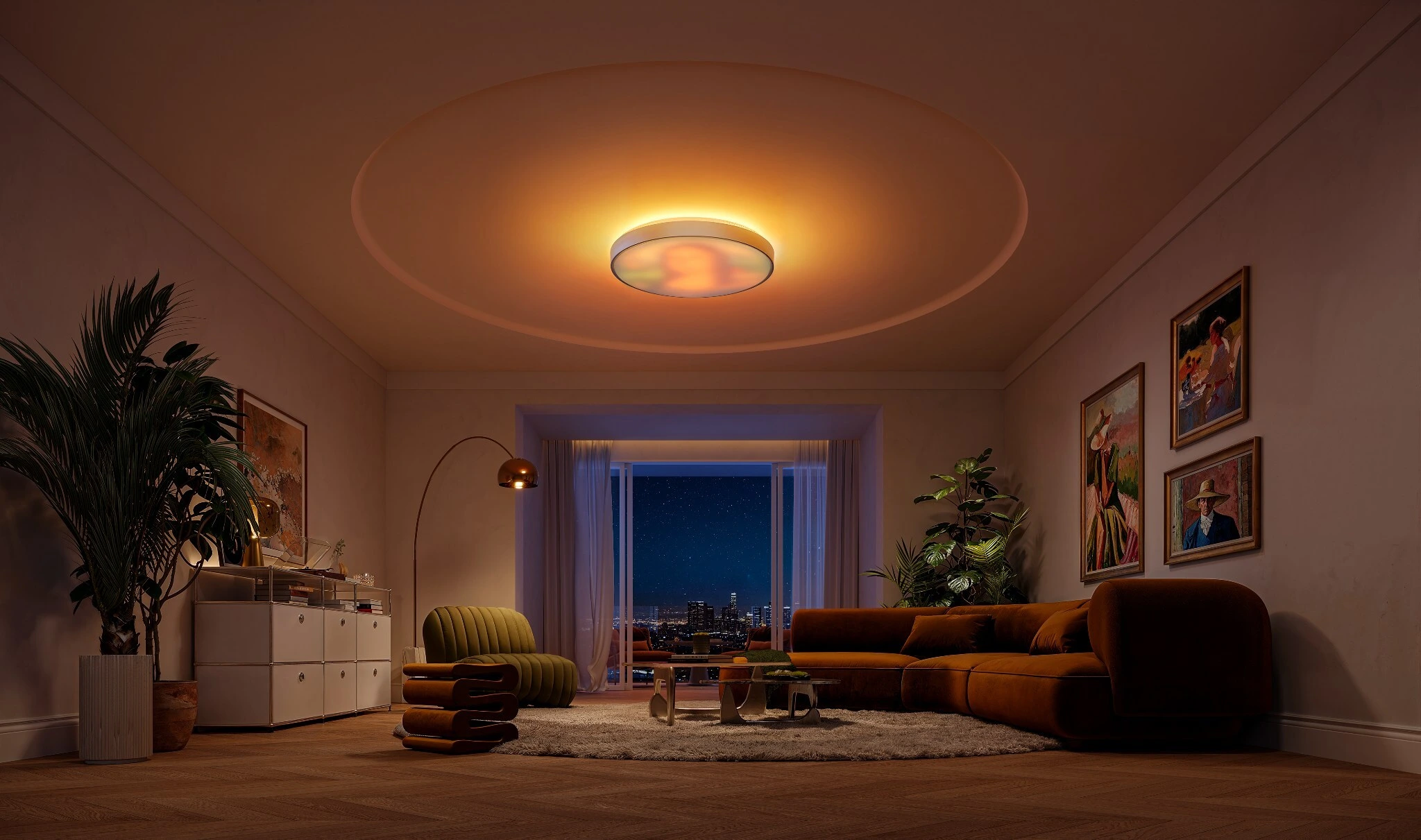
Govee Moments Limited has introduced the Ceiling Light Ultra, a product that reimagines overhead lighting as something closer to a digital display than a conventional fixture. Built around a dense array of individually controlled LEDs, the device is designed to render patterns, animations, and visual effects across the ceiling. The launch signals an effort to push lighting beyond illumination into a more expressive, interactive role within the home.
At the core of the product is a matrix of hundreds of LEDs arranged to produce more detailed visuals than typical ambient lighting systems. This structure allows for what the company describes as “figurative” effects, where shapes and motion can be displayed with greater clarity. While similar concepts have appeared in wall-mounted panels and screens, applying them to ceiling lighting suggests a shift toward integrating visual media more seamlessly into everyday environments.
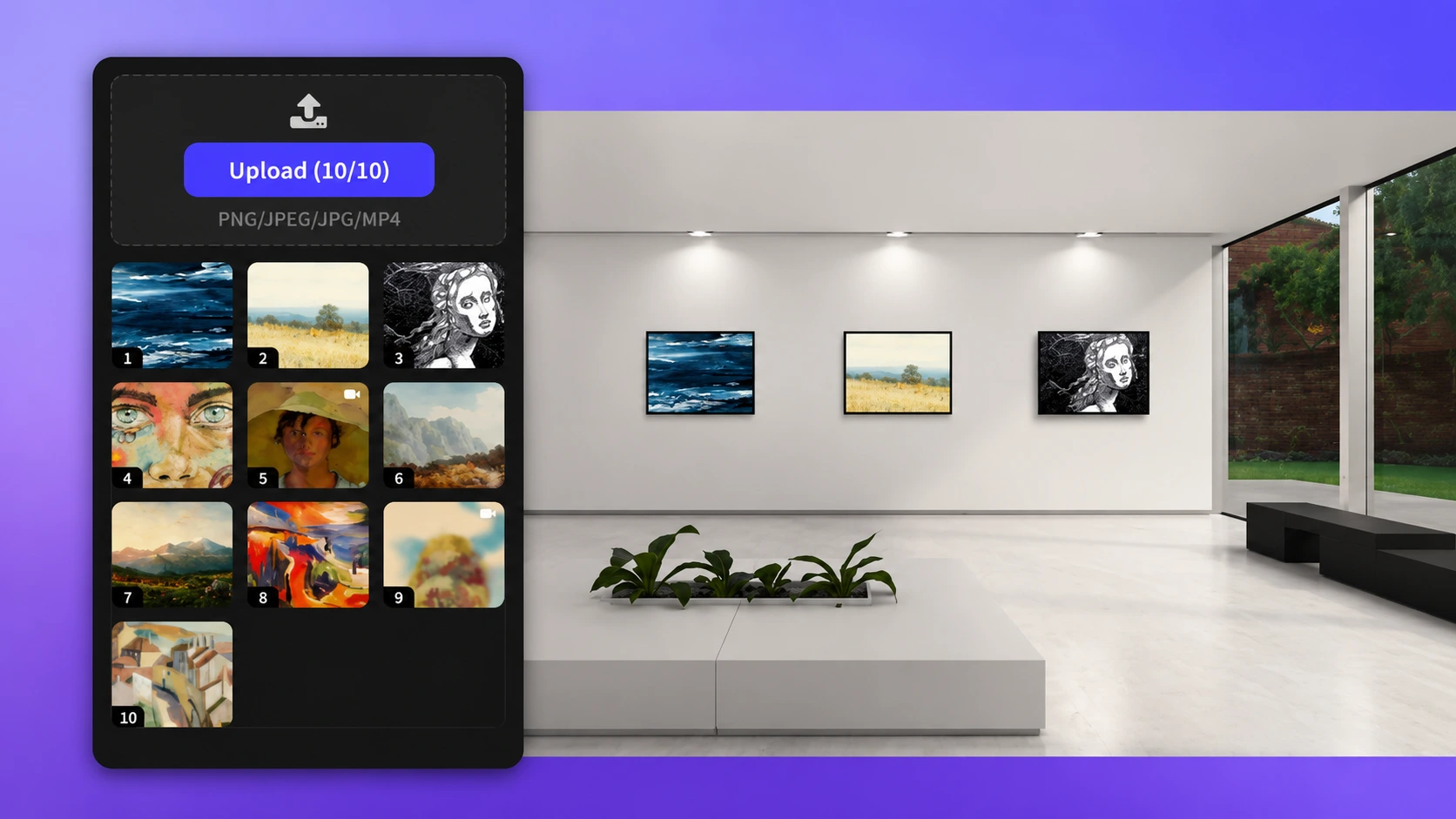
The system also incorporates AI-driven tools that allow users to generate lighting effects through prompts, alongside manual customization options for designing patterns or uploading images. This reflects a wider trend in consumer technology, where generative interfaces are used to lower the barrier to creative expression. In this context, lighting becomes less about preset moods and more about user-defined visuals that can change dynamically.
Despite the emphasis on creative features, the device retains the practical functions expected of a primary light source. Adjustable brightness, color temperature, and high color accuracy indicate that it is intended to serve both as ambient media and as standard room lighting. Additional features, such as automated adjustments based on time of day and compatibility with broader smart home ecosystems, reinforce its positioning within connected living environments.
Taken together, the Ceiling Light Ultra illustrates how the boundaries between lighting, display technology, and software are beginning to blur. As homes become more digitally integrated, surfaces that were once static—walls, floors, and now ceilings—are increasingly treated as potential canvases. The question is not only how these technologies will be used, but whether consumers will embrace lighting as an active, customizable element of their daily surroundings.