Burtran’s new Recharge Mask reflects a growing trend in wellness technology, using AI and wearable sensors to help users maximize short recovery breaks rather than simply monitor their sleep.
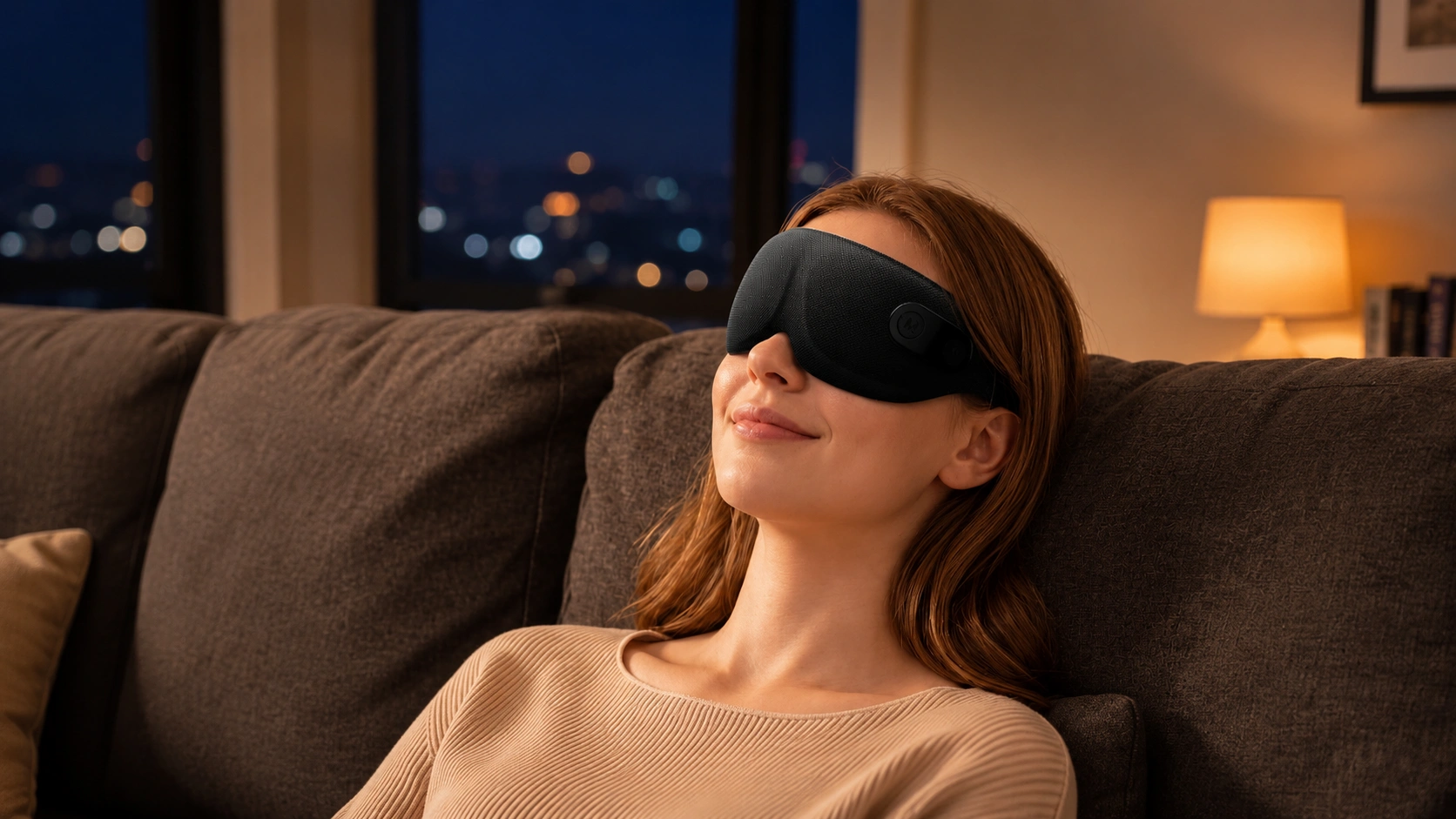
Burtran has introduced the Recharge Mask, an AI-powered wearable designed to support short recovery sessions ranging from 20 to 60 minutes. Rather than focusing on overnight sleep tracking, the device targets moments throughout the day when users may need to recharge between work, travel, or other demanding activities. The launch highlights an emerging segment of the wellness technology market that is shifting attention from measuring health metrics to actively helping users manage fatigue and recovery in real time.
For much of the past decade, wearable devices have concentrated on collecting data such as sleep duration, heart rate, and activity levels. While these insights have become commonplace, many consumers are increasingly looking for products that do more than report performance after the fact. Instead of simply informing users that they slept poorly, newer wellness devices aim to create conditions that may encourage relaxation, making recovery itself the primary function rather than the measurement of it.
Burtran’s Recharge Mask combines several technologies intended to create that experience, including EEG sensing, AI-guided personalization, Bluetooth audio, binaural beats, gentle warming therapy, and complete light blocking. According to the company, these features work together to tailor recovery sessions without requiring users to interpret complex dashboards or ongoing subscription services. The device is positioned for travelers, shift workers, students, busy professionals, and others who may not always have the opportunity for a full night’s sleep but still need opportunities to recover during the day.
The product also reflects a broader movement toward portable wellness technology that fits into increasingly mobile lifestyles. As hybrid work, frequent travel, and irregular schedules become more common, manufacturers are designing products that can be used in airports, offices, or other temporary environments rather than exclusively at home. This emphasis on flexibility mirrors changing consumer expectations that health technologies should adapt to daily routines instead of requiring dedicated spaces or lengthy sessions.
The Recharge Mask illustrates how the wellness technology market continues to evolve beyond passive monitoring. Artificial intelligence is increasingly being used not only to analyze personal health data but also to personalize experiences intended to improve relaxation and recovery. Whether this category becomes a lasting part of everyday wellness routines will depend on how effectively these products deliver meaningful benefits, but the direction is clear: wearable technology is moving from simply tracking how people feel toward helping shape those moments of recovery as they happen.