New lineup highlights how advances in backlight architecture and AI processing are reshaping expectations for color accuracy, immersion, and comfort in premium television viewing
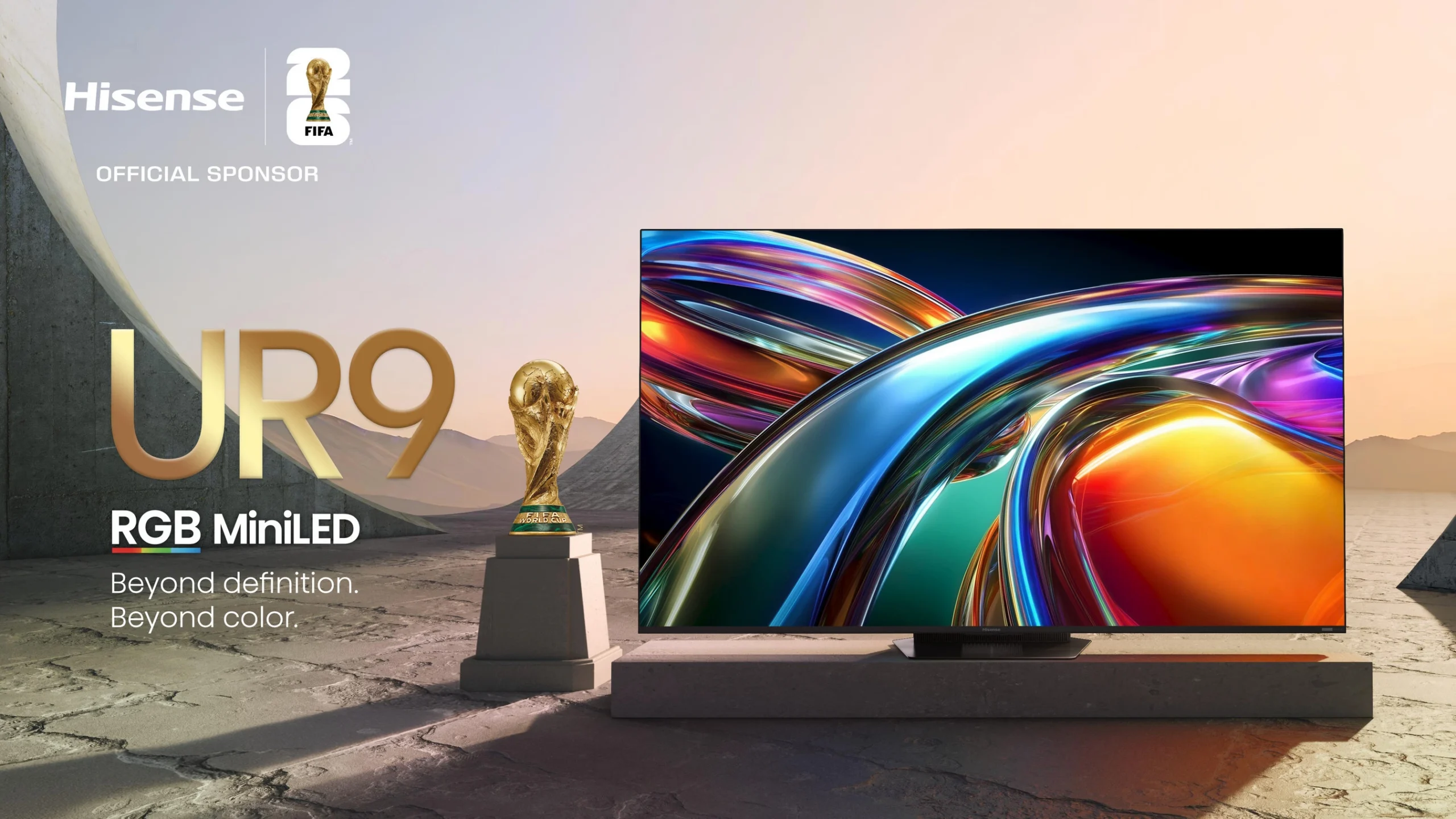
Hisense has introduced its UR9 Series, a premium television lineup that reflects a broader shift in how display technology is evolving beyond incremental upgrades. While new TV launches often emphasize brightness or resolution, this release centers on how color itself is generated, suggesting a deeper rethinking of what constitutes image quality in everyday viewing.
At the core of the UR9 is an RGB MiniLED system that produces color directly at the light source rather than relying on traditional filtering methods. This approach allows for more precise control over color and contrast, aligning with ongoing industry efforts to make digital images appear closer to natural human perception. The emphasis on reducing visual fatigue alongside improving vibrancy points to a growing awareness that display performance is not only about spectacle, but also about long-term comfort.
The timing of the launch also intersects with broader standardization efforts in the display industry. As definitions around RGB LED technologies become more formalized, manufacturers are positioning themselves not just as adopters but as contributors to those standards. This dynamic reflects how competition in consumer electronics increasingly involves shaping technical benchmarks as much as meeting them.
Beyond the display itself, the UR9 integrates features that reflect the convergence of hardware and software in modern home entertainment. AI-driven processing is used to adjust color and brightness in real time, while built-in multi-channel audio systems aim to deliver a more complete experience without additional equipment. Together, these elements suggest that televisions are continuing to evolve into integrated media hubs rather than standalone screens.
The introduction of region-specific screen treatments and high refresh rates further underscores how manufacturers are tailoring products to different use cases, from bright living rooms to gaming environments. As consumer expectations diversify, adaptability is becoming as important as raw performance.
In a market where differentiation is increasingly difficult, the UR9 Series illustrates how companies are seeking to stand out through foundational changes in technology rather than surface-level enhancements. Whether these advances translate into meaningful everyday improvements for viewers will likely determine how quickly such approaches become standard across the industry.