OneTime Suite’s public development challenge reflects growing interest in software ownership, open-source tools, and alternatives to recurring subscription pricing models.
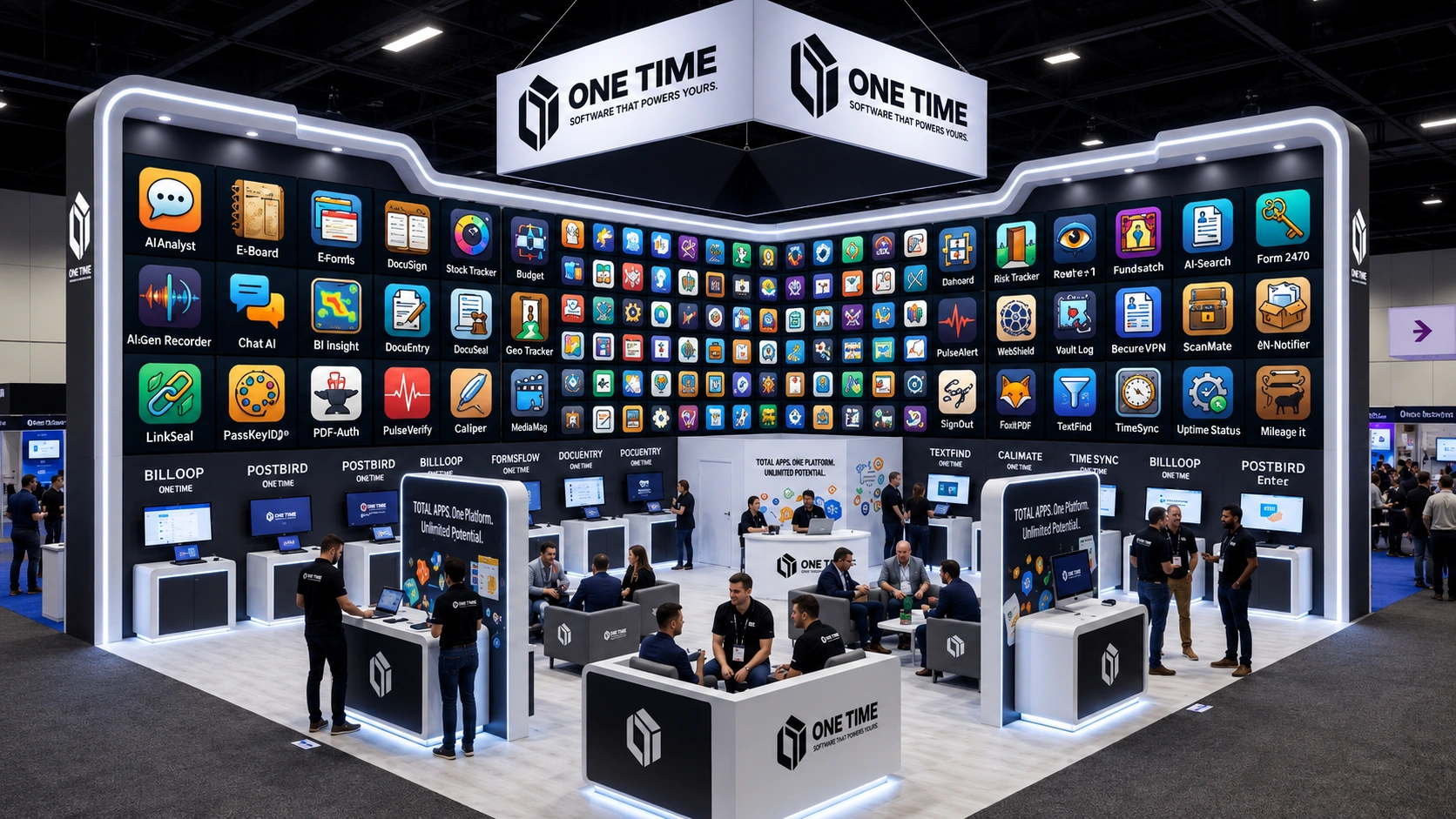
OneTime Suite has launched a public “100 Apps in 100 Days” challenge aimed at building open-source alternatives to popular subscription-based software. The project includes replacements for tools such as Linktree, Loom, and Wispr Flow, offering free self-hosted versions alongside optional one-time lifetime purchases for enhanced editions. The initiative reflects a broader debate within the software industry over whether recurring subscriptions have become the default business model, even for applications that many users access only occasionally.
Over the past decade, software subscriptions have reshaped how individuals and businesses pay for digital tools. While recurring payments provide developers with predictable revenue and ongoing support for updates, they have also drawn criticism from users who increasingly manage multiple monthly software fees. In response, a growing number of independent developers have begun experimenting with alternative pricing strategies, including lifetime licenses, self-hosted applications, and open-source projects that allow users to retain greater control over both their software and their data.
OneTime Suite combines several of these ideas into a single model. Every application is released as open-source software that users can inspect, modify, or host themselves, while paid versions add features such as ready-to-use installers or hosted accounts. For products that require continuous cloud infrastructure, the company says subscriptions may still be offered, but at prices intended to remain below competing services. The approach acknowledges that some ongoing costs are unavoidable while challenging the assumption that every software product requires a recurring payment.
The project’s rapid development also highlights the growing influence of generative AI in software creation. According to the company, the initial versions of more than 100 planned applications were generated within a week using AI-assisted coding before being refined individually over time. Rather than replacing traditional software engineering, this workflow illustrates how AI is increasingly being used to accelerate prototyping and shorten the time between an idea and a functional product.
Whether OneTime Suite ultimately succeeds will depend on the quality and long-term support of its applications as much as its pricing model. Even so, the challenge reflects a wider conversation about software ownership, sustainability, and consumer choice. As developers explore new ways to build and distribute applications, initiatives like this suggest that the future of software pricing may become more varied, giving users greater flexibility in deciding whether to rent, own, or self-host the tools they rely on every day.