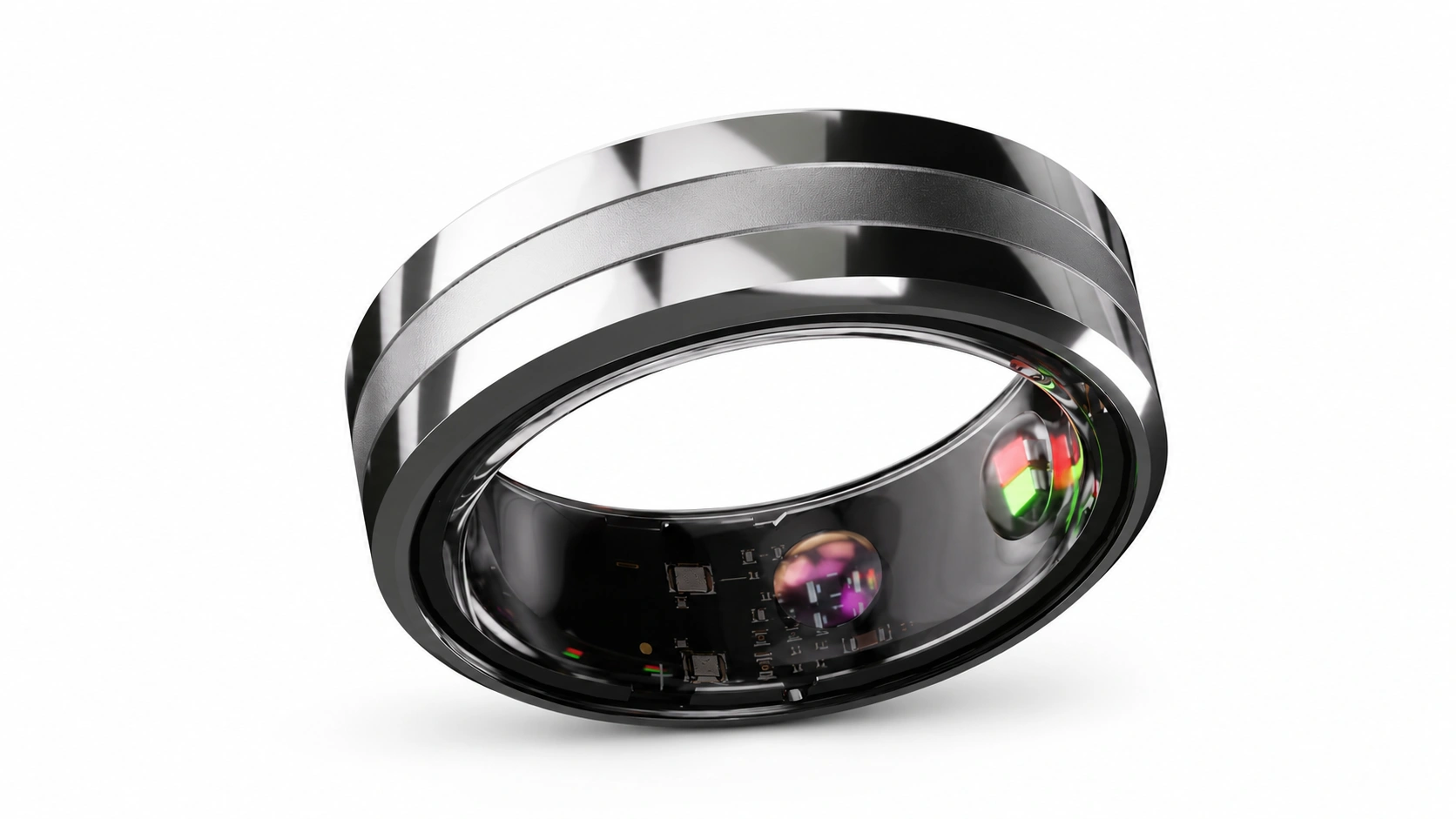
Signal Ring introduces cuffless blood pressure tracking designed for everyday wear, reflecting a broader effort to make cardiovascular monitoring more continuous and accessible outside clinical settings.
Signal Ring has entered the growing wearable health technology market with a device designed to monitor blood pressure without the inflatable arm cuff traditionally associated with the measurement. Developed by Vital Signals, the smart ring uses optical sensors and proprietary algorithms to collect readings from the finger, aiming to provide a more continuous picture of blood pressure throughout the day. The launch reflects increasing interest in wearables that move beyond tracking activity and sleep to monitor more complex health metrics.
For decades, blood pressure has typically been measured through occasional readings taken at home or during medical appointments. While those measurements remain an important clinical tool, they capture only brief moments despite the fact that blood pressure naturally fluctuates in response to stress, exercise, sleep, meals, and other daily activities. Continuous monitoring has long been viewed as a way to better understand these patterns, but achieving it without cumbersome equipment has remained a significant technological challenge.
Signal Ring is designed to address that challenge by combining on-demand measurements with background monitoring in a wearable device intended for everyday use. According to the company, the ring operates without requiring cuff-based calibration, a limitation found in many existing wearable blood pressure technologies. It also pairs each reading with contextual information intended to help users identify potential factors influencing changes in their blood pressure over time, offering a broader view of cardiovascular trends rather than isolated measurements.
The announcement also highlights the growing role of artificial intelligence and advanced sensing technologies in personal health monitoring. As wearable devices evolve, companies are increasingly focusing on interpreting health data rather than simply collecting it, with the goal of helping users recognize meaningful patterns that can inform conversations with healthcare professionals. At the same time, developers continue to face high expectations for accuracy and regulatory oversight when introducing technologies intended to measure clinically significant health indicators.
Signal Ring’s technology has been validated in a company-reported clinical study and is currently available for pre-order, although the product has not yet been reviewed or cleared by the U.S. Food and Drug Administration and is described as investigational. Its arrival illustrates both the promise and the challenges of expanding wearable health technology into areas traditionally reserved for medical devices, where convenience, reliability, and clinical confidence must ultimately advance together.