As Genesis AI hires senior leaders from X, Tesla, and Amazon, the move reflects a broader shift in robotics toward operational maturity and regulatory readiness alongside technical ambition
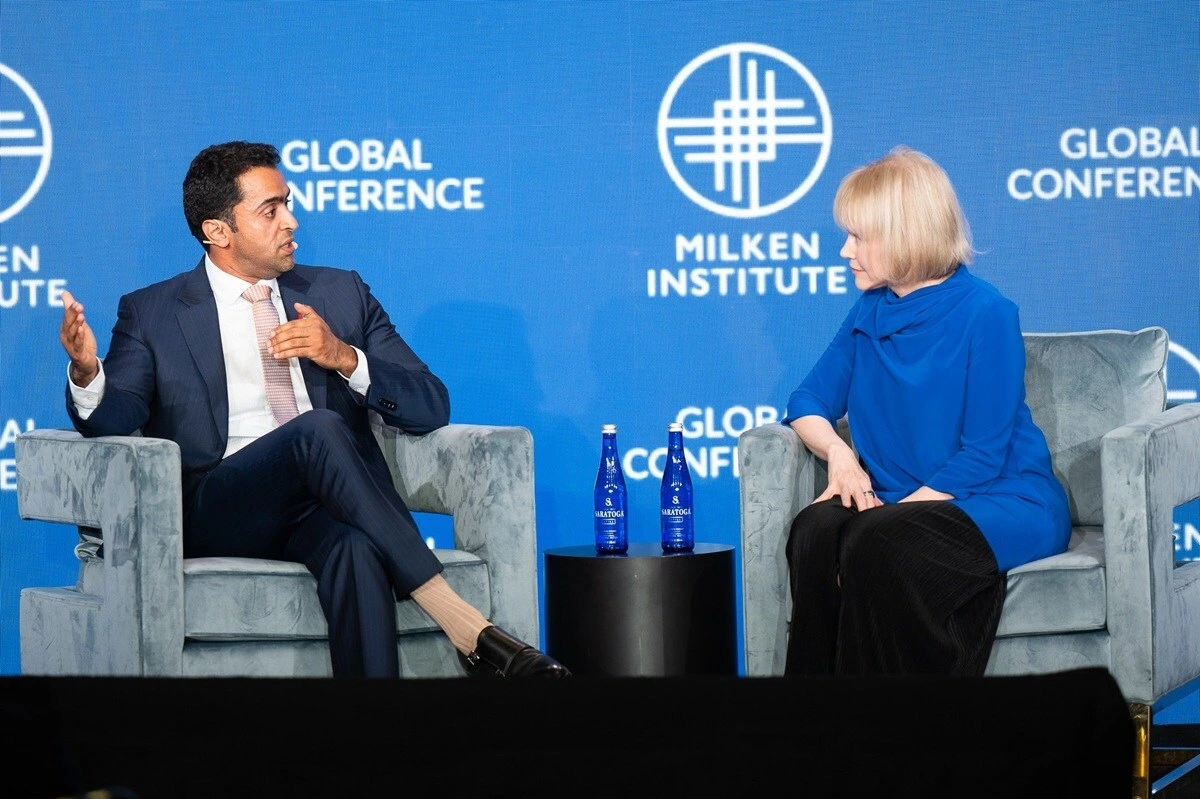
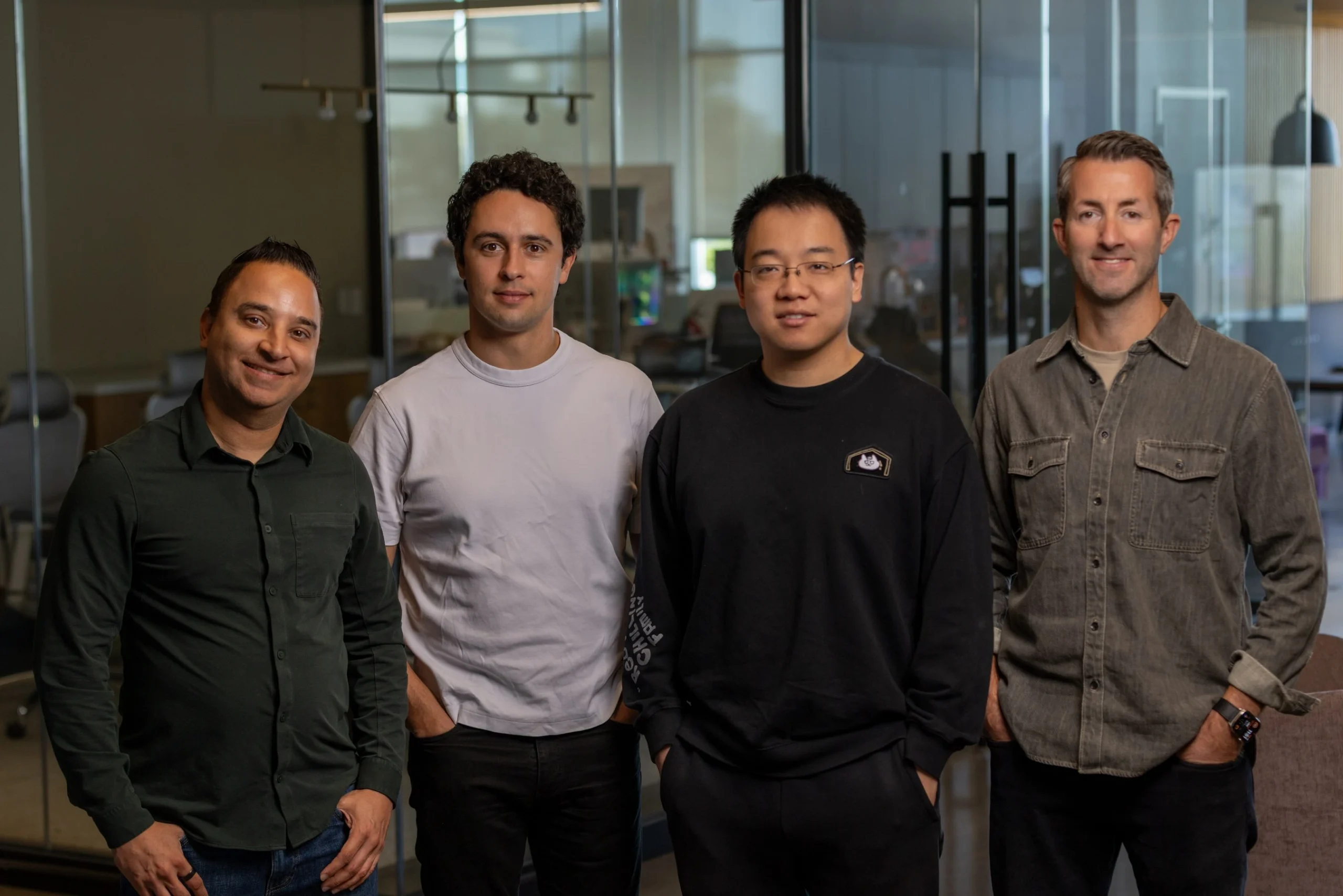
Genesis AI is strengthening its leadership bench with the appointments of Damien Kieran as Head of Legal and Pally Kumar as Head of Operations, signaling a transition from early-stage experimentation to scaled execution. The hires come as the company advances toward launching its first general-purpose robot, a milestone that requires not only technical breakthroughs but also organizational depth.
Kieran’s background in privacy, regulation, and emerging technologies points to the growing importance of governance in AI-driven robotics. As systems increasingly rely on large-scale data collection and operate across jurisdictions, companies face heightened scrutiny around how data is gathered, used, and protected. His experience across firms like X and Tools for Humanity suggests Genesis AI is preparing for these complexities as it expands internationally.
Kumar’s appointment reflects a parallel challenge: translating prototypes into reliable, large-scale systems. Robotics has long struggled with this transition, where promising demonstrations falter under the demands of manufacturing, supply chains, and real-world deployment. By bringing in operational leadership with experience at Tesla and Amazon, Genesis AI appears to be prioritizing the less visible, but critical, infrastructure needed to bring hardware to market.
At the center of the company’s strategy is an approach to data that relies on capturing human activity through tactile-sensing systems in everyday environments. This method, designed to build a large “human skill” dataset, highlights a broader industry trend toward grounding AI in real-world interaction rather than purely simulated training. It also raises practical questions about scalability, worker participation, and data governance as such systems expand.
Taken together, the leadership changes suggest Genesis AI is entering a phase where success depends as much on execution as innovation. In a field crowded with ambitious claims about general-purpose robotics, the ability to align legal frameworks, operational systems, and technical development may prove to be the more decisive differentiator.