By acquiring Arpalus, Instacart is investing in real-time shelf intelligence, highlighting how accurate inventory data has become essential to both online grocery shopping and store operations.
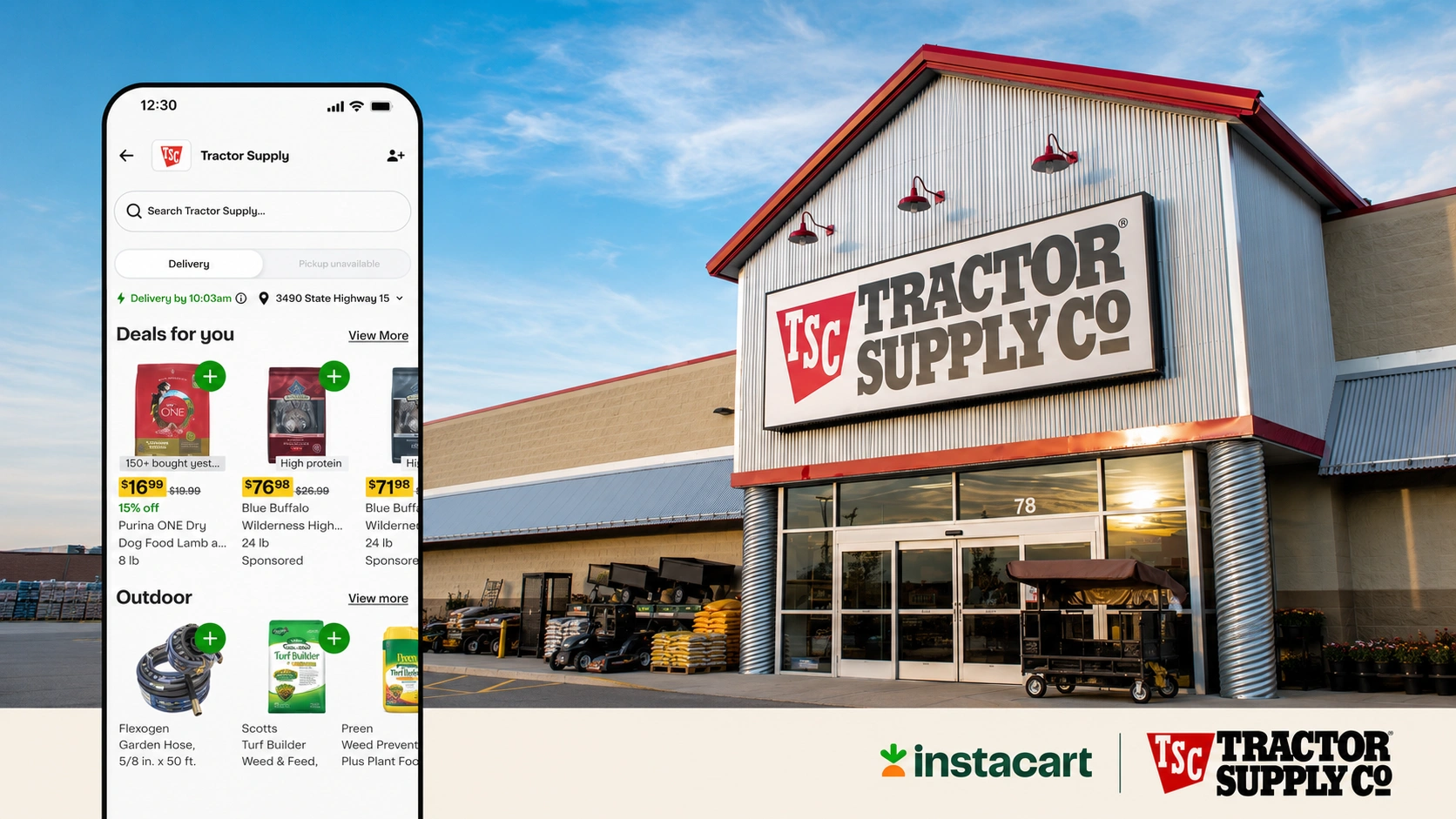
Instacart has acquired computer vision company Arpalus in a move that underscores the growing importance of real-time inventory intelligence in modern grocery retail. The acquisition brings technology designed specifically for grocery environments into Instacart’s platform, strengthening the company’s efforts to connect online ordering with what is actually available on store shelves. As grocery retailers continue to blend digital and in-store shopping, reliable inventory data has become a critical part of the customer experience rather than simply a back-office function.
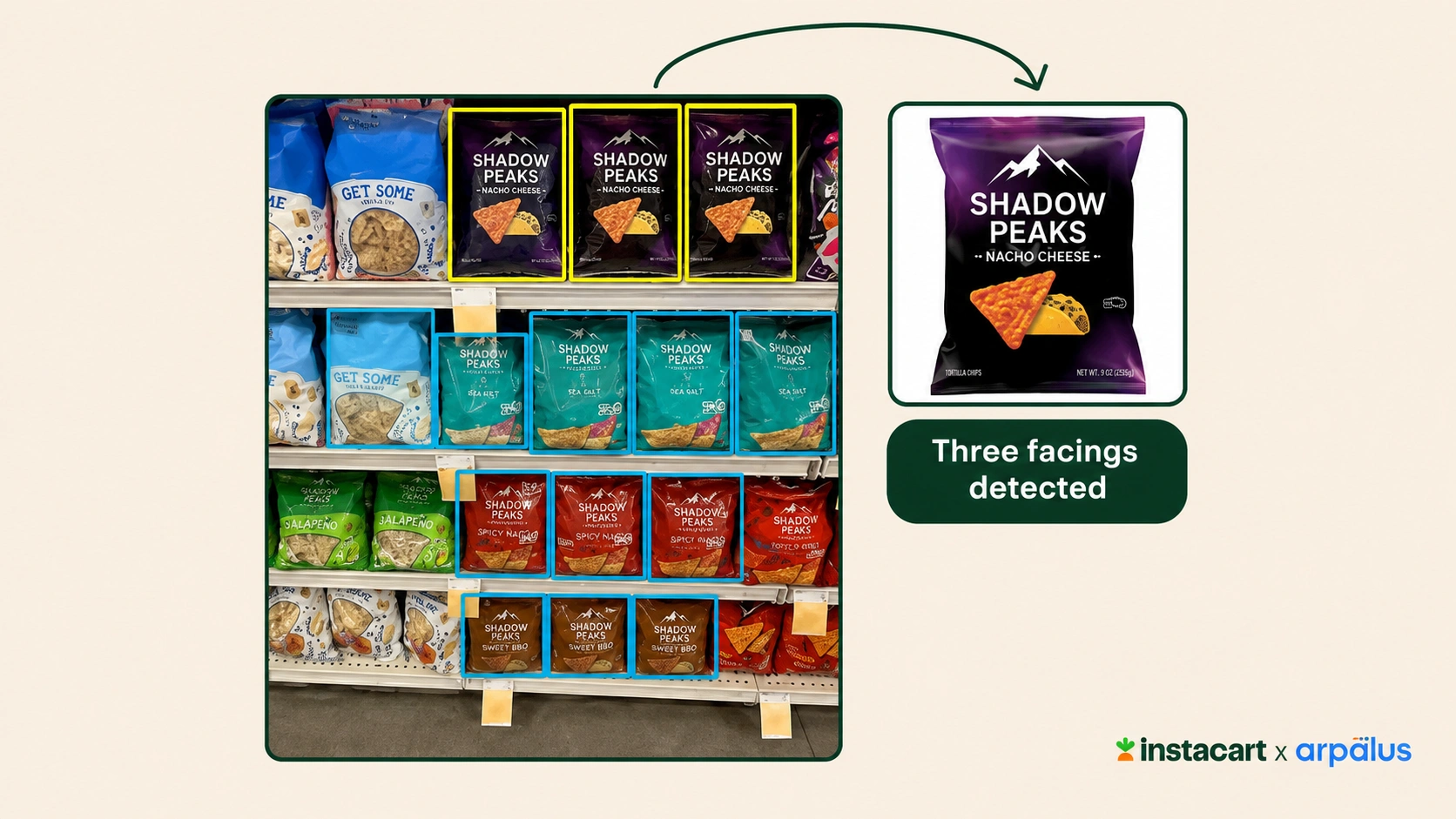
One of the biggest challenges in online grocery remains the mismatch between digital inventories and physical shelves. When products appear available online but are missing in stores, shoppers often encounter substitutions, canceled items, or incomplete orders. Arpalus addresses this problem through computer vision software that converts a quick video scan of store shelves into a real-time inventory snapshot, even in conditions that typically complicate automated recognition, such as inconsistent lighting, limited connectivity, and densely packed products.
The acquisition also illustrates how artificial intelligence is becoming increasingly tied to physical retail environments. Instacart plans to combine Arpalus’ technology with its existing network of approximately 600,000 shoppers, who already collect millions of grocery-related data points every day while fulfilling customer orders. The shelf-scanning capability is designed to work on standard smartphones and camera-equipped devices, making it possible to gather inventory insights during routine shopping trips rather than requiring specialized hardware or dedicated store audits.
Beyond ecommerce fulfillment, the technology is expected to support broader store operations. Instacart says Arpalus’ capabilities will enhance tools such as Store View and Caper Carts, helping retailers monitor shelf availability and improve inventory accuracy in real time. These applications reflect a wider industry shift toward using AI not only to personalize shopping recommendations but also to improve the operational systems that support retail performance behind the scenes.
As competition intensifies in grocery technology, companies are increasingly focusing on infrastructure that customers rarely see but frequently experience through faster, more reliable service. Instacart’s acquisition of Arpalus suggests that the next phase of grocery innovation may depend less on introducing new shopping features and more on ensuring that digital storefronts accurately reflect the realities of physical stores, creating a smoother experience for retailers, shoppers, brands, and consumers alike.