Debt.com’s latest budgeting survey suggests fewer Americans are living paycheck to paycheck, yet persistent concerns about rising costs and economic uncertainty continue to shape financial habits.
Debt.com has released its 2026 Budgeting Survey, revealing that the share of Americans living paycheck to paycheck has fallen to its lowest level in five years. According to the survey of 1,051 respondents, 48 percent now describe themselves as living paycheck to paycheck, down significantly from 69 percent in 2025. While the decline points to improving financial conditions for many households, the findings also suggest that confidence has not returned at the same pace as personal finances.
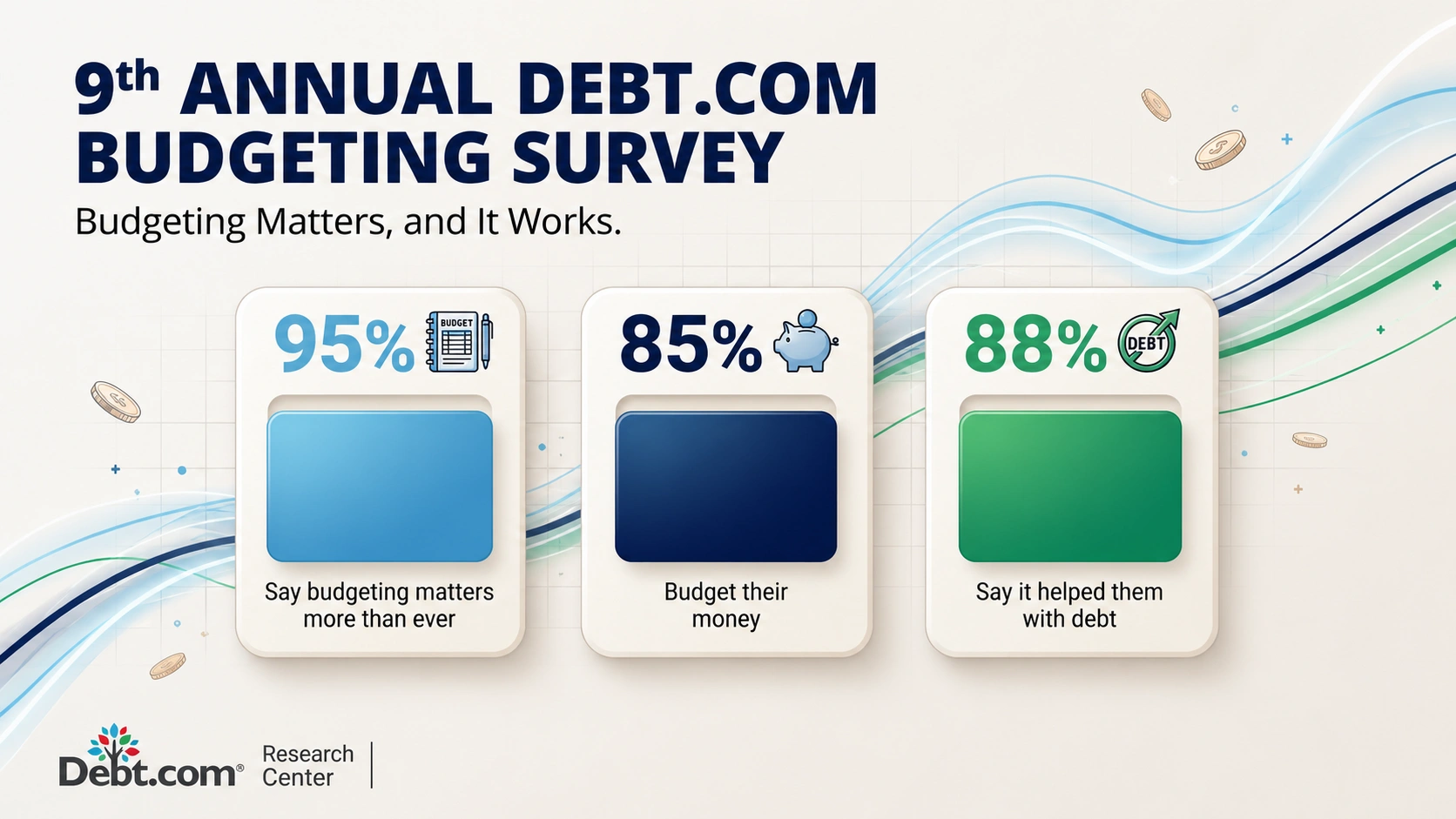
The survey highlights a notable disconnect between financial circumstances and consumer sentiment. Although fewer respondents reported struggling to cover expenses from one paycheck to the next, 95 percent said that ongoing economic uncertainty and rising costs have made budgeting more important than ever. That contrast suggests many households remain cautious, even as some financial pressures appear to have eased compared with the previous year.
Budgeting itself continues to play a central role in how consumers navigate changing economic conditions. Eighty-five percent of respondents said they maintain a budget, and 88 percent of those individuals believe budgeting has helped them either reduce debt or avoid accumulating it altogether. The survey also found that financial planning is increasingly becoming a shared responsibility, with 44 percent of respondents reporting that everyone in their household actively participates in staying on budget.
Another shift emerged in what motivates Americans to manage their finances. Retirement planning surpassed inflation as the leading budgeting priority, with 20 percent of respondents identifying long-term financial security as their primary focus, while inflation-related concerns declined from 31 percent to 23 percent. The change may indicate that some consumers are beginning to look beyond immediate price pressures, even as they remain mindful of broader economic risks.
The findings offer a more nuanced picture than headline economic indicators alone might suggest. Fewer Americans may be living paycheck to paycheck, but nearly half still face limited financial flexibility, and widespread concern about future economic conditions continues to influence spending and saving decisions. Rather than signaling the end of financial stress, the survey points to a period in which many households are rebuilding stability while remaining prepared for potential uncertainty ahead.