With the RX300A and RX500A, Yamaha is betting that consumers still want immersive sound systems — but with simpler setup, cleaner design, and streaming-first functionality
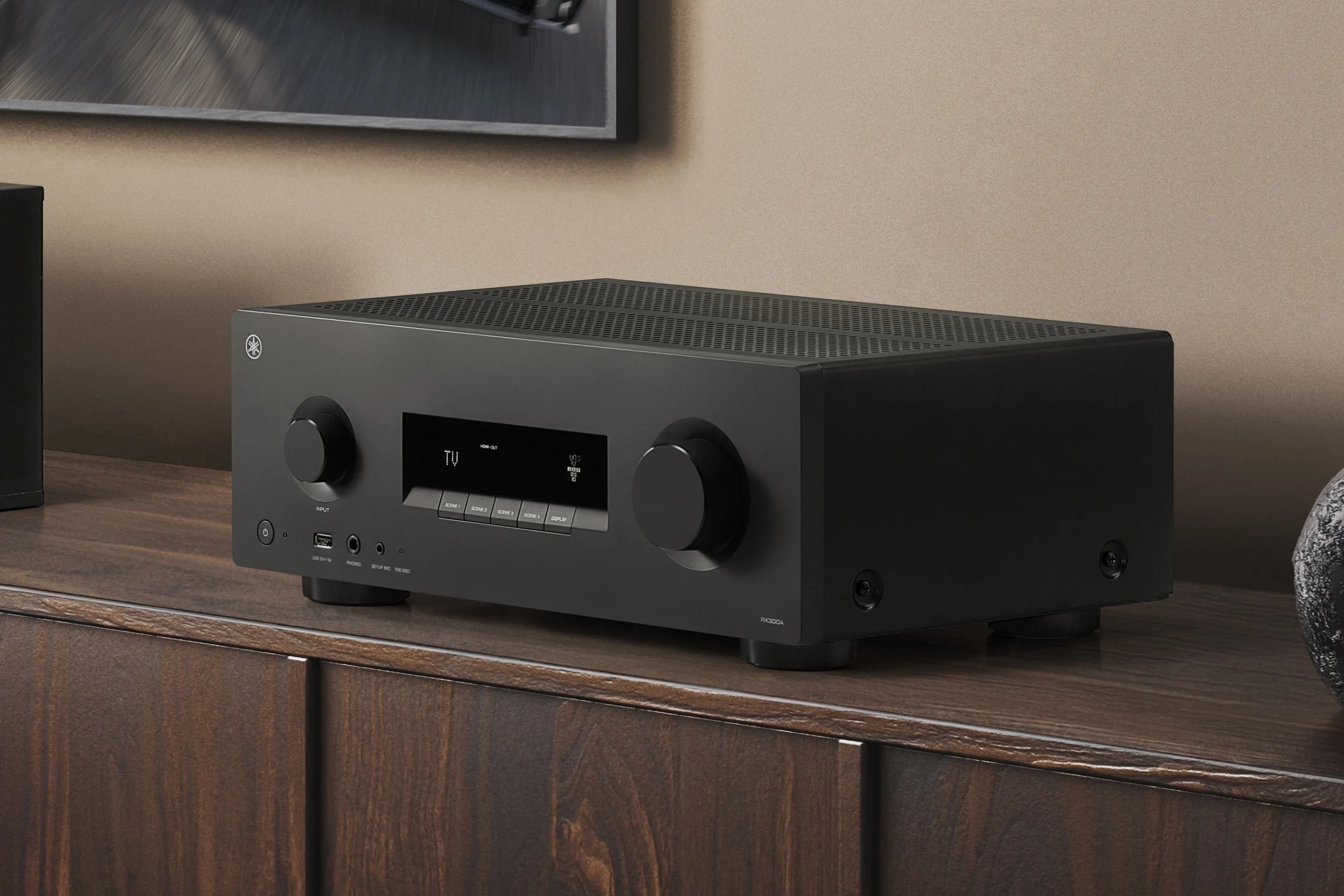
Yamaha is introducing two new AV receivers, the RX300A and RX500A, as part of a broader effort to modernize the traditional home theater experience for a streaming and gaming era. The announcement arrives at a moment when dedicated surround-sound systems occupy an uncertain but evolving place in consumer electronics. While soundbars have become the dominant choice for convenience-minded buyers, companies like Yamaha appear to be betting there is still strong demand for more immersive systems — provided the complexity that once defined them can be reduced.
The new receivers focus heavily on accessibility as much as technical performance. Yamaha positions the RX300A as an entry-level model designed to bridge the gap between simple soundbar setups and full AV receiver systems, while the RX500A introduces more advanced speaker configurations and streaming capabilities for larger spaces. Both models include Dolby Atmos support, HDMI 2.1 compatibility for 4K and 8K video formats, and gaming-focused features such as Variable Refresh Rate and Auto Low Latency Mode.
What stands out is not necessarily the addition of new technologies, many of which are already expected in premium entertainment hardware, but rather Yamaha’s emphasis on reducing friction for mainstream users. The company highlights simplified menus, cleaner industrial design, programmable scene buttons, and guided setup tools that attempt to remove the intimidation factor historically associated with AV receivers. In many ways, the products reflect a broader shift in consumer electronics, where ease of use has become as important as raw technical capability.
The launch also signals how gaming continues reshaping the home entertainment market. Features once associated primarily with high-end televisions and gaming monitors are now central selling points for audio equipment as well. Yamaha’s integration of high-refresh-rate HDMI support and responsive gameplay optimization acknowledges how modern living rooms increasingly revolve around multi-purpose entertainment systems rather than traditional movie-centric home theaters.
At the same time, the new lineup suggests that dedicated audio companies are adapting to a more design-conscious audience. Yamaha’s redesign reduces visual clutter and leans into a cleaner aesthetic that better aligns with contemporary interiors, where bulky black-box electronics often feel outdated. The result is less about recreating the elaborate home theater culture of the early 2000s and more about repositioning immersive audio as a streamlined extension of everyday entertainment habits.