As demand grows for reliable, mobile power, DJI’s latest compact station highlights how consumers are seeking flexible energy solutions that support travel, work, and backup needs beyond the grid
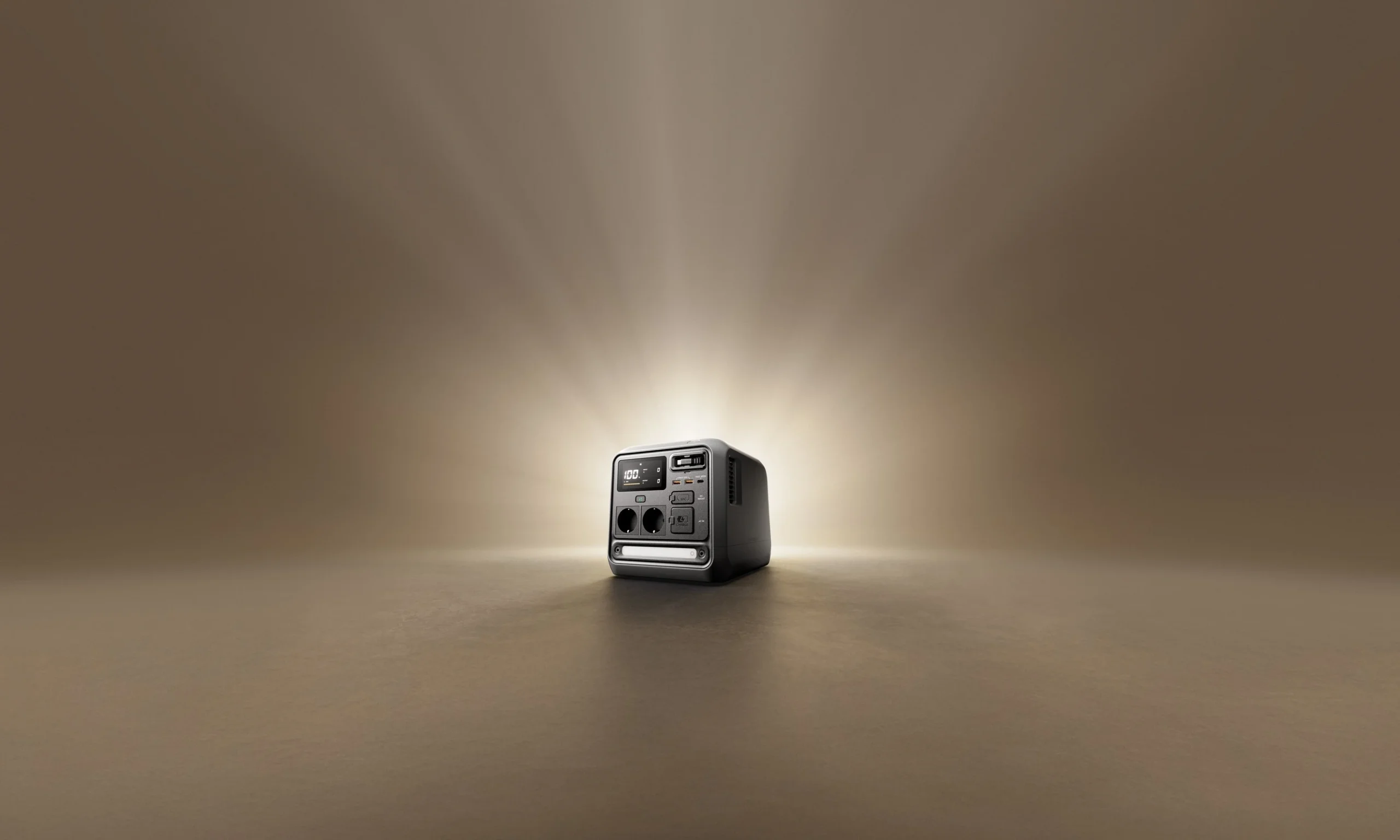
DJI has introduced the Power 1000 Mini, a compact portable power station that reflects a broader shift in how consumers think about energy access. Known primarily for drones and imaging technology, the company is extending its battery expertise into a category shaped by rising demand for mobile, reliable power across everyday and off-grid scenarios.
The device’s defining feature is its balance between capacity and portability. With a 1kWh battery in a smaller, lighter form factor, it is designed for use cases ranging from camping and road travel to content creation and emergency backup. This positioning suggests that portable power is no longer limited to niche outdoor enthusiasts, but is becoming relevant to a wider group of users seeking flexibility in how and where they work or live.
A key element of the product is its emphasis on charging versatility and speed. The ability to recharge through grid power, vehicles, or solar panels reflects a growing expectation that energy systems should adapt to different environments. Faster recharge times and integrated cables further point to a focus on convenience, reducing the friction typically associated with managing portable power systems.
The inclusion of uninterruptible power supply functionality also signals how these devices are being positioned as part of home resilience strategies. In the event of outages, the system can automatically provide power to connected devices, blurring the line between consumer electronics and infrastructure. As power reliability becomes a more visible concern in many regions, this kind of hybrid functionality is likely to gain importance.
More broadly, the launch illustrates how battery technology is moving beyond single-purpose applications into more integrated ecosystems. DJI’s approach connects its power station to its wider product lineup, including drones and accessories, reinforcing the idea that energy is a foundational layer across devices. As portable power becomes more efficient and accessible, it may play an increasingly central role in how people manage both mobility and preparedness.