New materials and built-in AI tools point to a broader evolution in how laptops balance mobility, performance, and increasingly personalized computing experiences
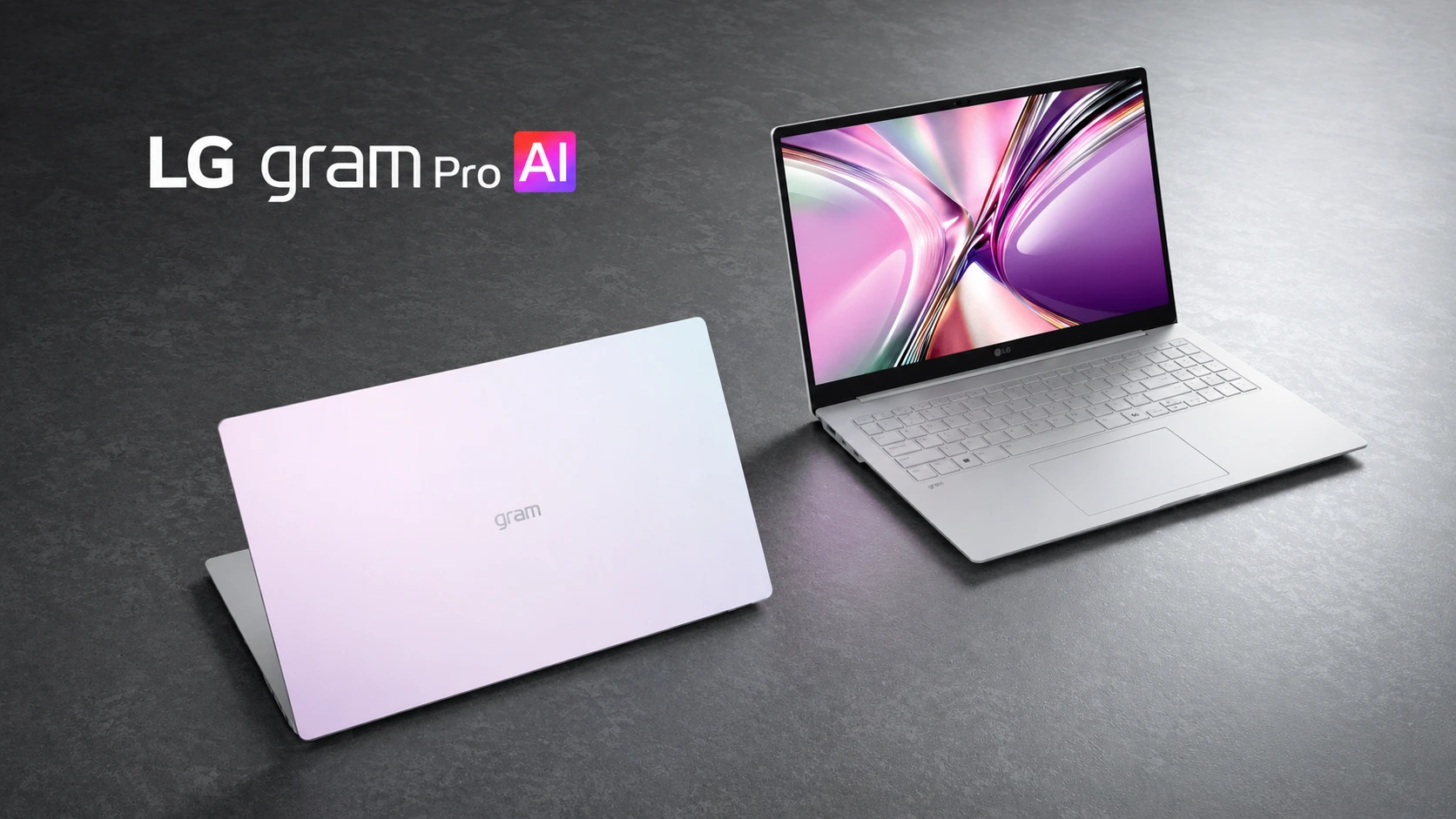
LG Electronics USA has introduced its 2026 LG gram laptop lineup in the U.S., expanding the series across four distinct models while emphasizing lighter construction and integrated artificial intelligence features. The announcement underscores how laptop makers are rethinking both hardware design and software capabilities as user expectations evolve.
At the hardware level, LG is introducing a new proprietary material, Aerominum™, aimed at reducing weight while maintaining durability. This reflects a continued push in the industry to refine portability without sacrificing structural resilience, particularly as laptops remain central to hybrid work and mobile productivity.
More notable, however, is the growing emphasis on AI as a core feature rather than an added layer. Select models in the gram lineup include both on-device and cloud-based AI tools designed to assist with tasks such as summarization, scheduling, and real-time translation. By combining local processing with cloud integration, the devices illustrate how manufacturers are experimenting with different approaches to balance speed, privacy, and functionality.
The integration of cross-platform connectivity further signals a shift toward ecosystem thinking. Features that enable file sharing and synchronization across devices—from smartphones to televisions—suggest that laptops are increasingly positioned as hubs within a broader network of personal technology. This aligns with a wider industry trend in which seamless interaction between devices is becoming as important as individual performance specifications.
Taken together, the 2026 LG gram lineup reflects a transitional moment for personal computing. As hardware improvements become more incremental, differentiation is moving toward software intelligence and interconnected experiences, raising questions about how users will define productivity in an environment where devices are expected not just to perform tasks, but to anticipate and support them.