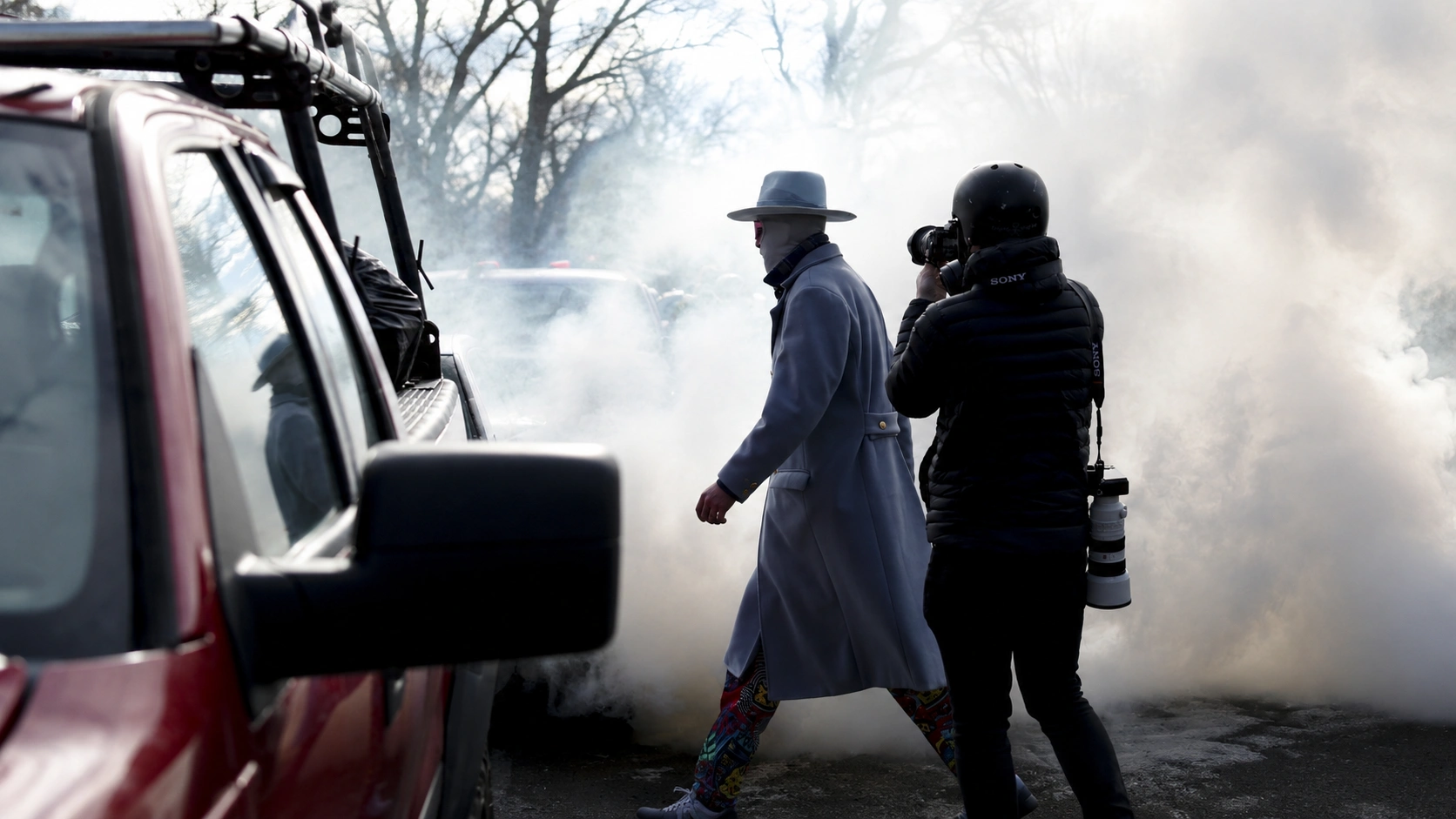
A new collaboration aims to strengthen local reporting by improving access to professional equipment, technical training, and editorial support for visual journalists working in resource-constrained newsrooms.
CatchLight and Sony Electronics have announced a new initiative designed to strengthen visual journalism in local newsrooms by providing professional camera equipment, technical training, and ongoing support to journalists covering communities across the United States. The collaboration comes at a time when many local news organizations continue to face shrinking budgets and staffing challenges, even as demand for high-quality visual storytelling continues to grow.
Under the initiative, Sony will supply 24 professional camera and video kits to selected members of the CatchLight Local network, including CatchLight Local Fellows and journalists participating in the Report for America program. Each kit includes full-frame cameras, telephoto lenses, external microphones, and lighting equipment intended to support reporting in a wide range of real-world conditions. In addition to the hardware, participants will receive access to Sony Pro Support services, technical assistance, and online educational resources that expand their ability to use the equipment effectively.
The partnership reflects a growing recognition that visual reporting has become an increasingly important part of local journalism. Photographs and video often serve as a primary way audiences engage with news, particularly during fast-moving events or stories that benefit from stronger visual context. Yet for many smaller organizations, the cost of maintaining professional-grade equipment has become a significant obstacle. By addressing that gap, the collaboration focuses not only on technology but also on strengthening the long-term capacity of local reporting teams.
CatchLight’s Local program extends beyond equipment by pairing participating newsrooms with visual journalists and shared editorial resources that support in-depth, community-centered reporting. The model is designed to help organizations produce more locally relevant stories while broadening representation and encouraging deeper engagement with the communities they serve. Rather than replacing newsroom independence, the program provides additional expertise and production support that many smaller outlets may struggle to sustain on their own.
The announcement also highlights a broader conversation about the future of local journalism. As communities increasingly rely on trusted local reporting to understand issues affecting daily life, investments in the tools and skills required for quality visual storytelling have become an important part of sustaining public-interest journalism. By combining equipment, training, and editorial support, the initiative demonstrates one approach to helping local news organizations adapt to evolving audience expectations while preserving their ability to tell meaningful stories.