Aurzen’s ZIP tri-fold projector reflects how foldable design is expanding beyond smartphones, with portability and flexible everyday use becoming priorities across consumer electronics.
Aurzen is bringing foldable design into a new product category with the introduction of the ZIP, a tri-fold pocket projector intended for mobile entertainment and everyday use. As foldable technology continues to spread beyond smartphones, the company is positioning its compact projector as an example of how portable devices can adapt to changing lifestyles and smaller living spaces. The launch reflects a broader trend in consumer electronics, where convenience and flexibility are increasingly valued alongside raw performance.
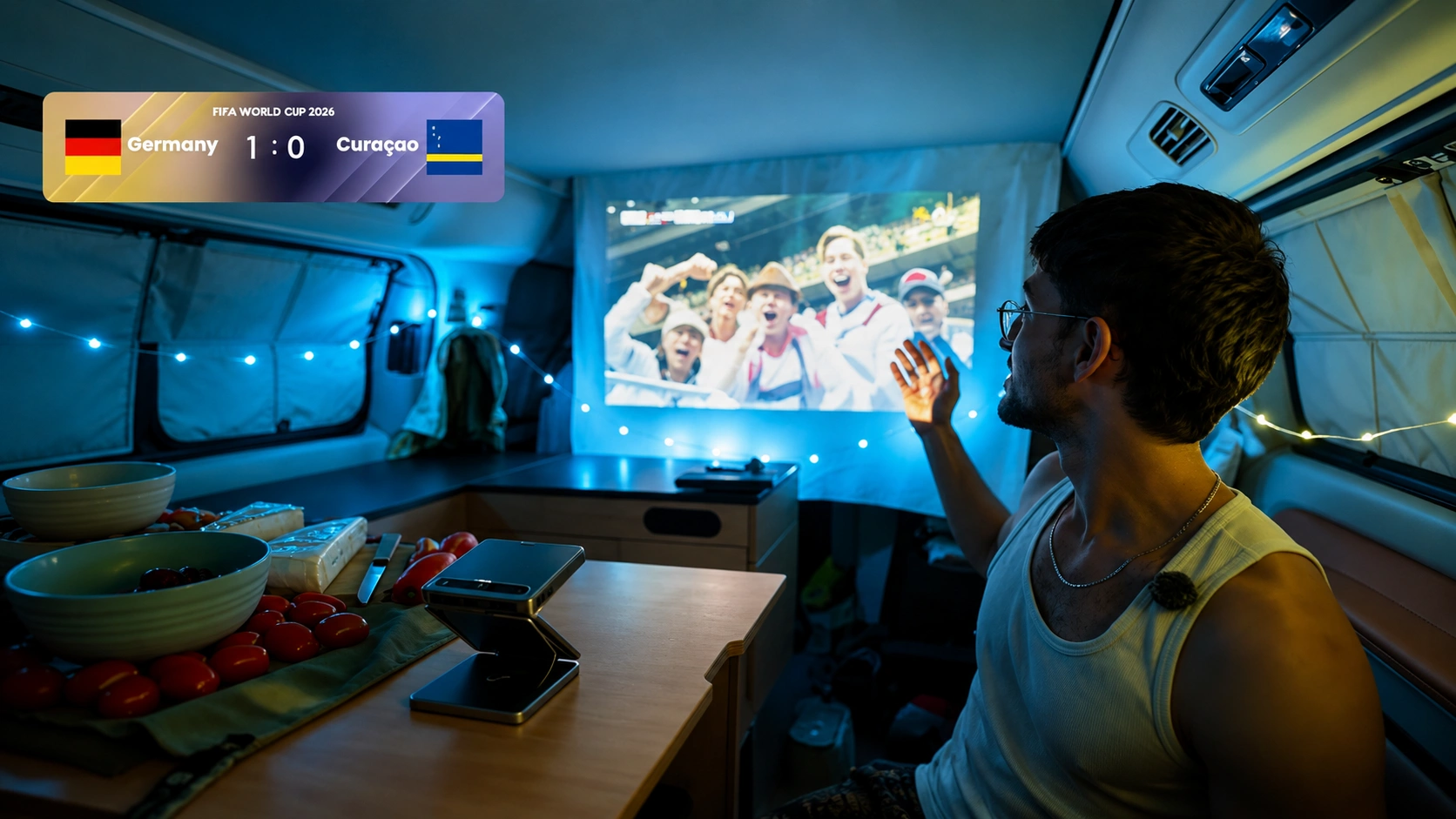
Projectors have traditionally been associated with conference rooms, home theaters, or permanent entertainment setups that require dedicated space and careful installation. The ZIP takes a different approach, using a foldable design that allows it to fit easily into a bag while supporting quick setup in temporary environments such as hotel rooms, dormitories, apartments, and studios. Rather than replicating the capabilities of a full-sized projector, it is designed around the idea that users increasingly want technology that can travel with them and function across a variety of settings.
The product also illustrates how manufacturers are redefining portability beyond simply reducing the size of existing devices. Foldable hardware has gained momentum in recent years because it offers greater flexibility without sacrificing usability, allowing products to adapt to different environments instead of remaining fixed in one place. Aurzen applies that philosophy to projection, presenting the device as a personal screen companion for casual entertainment, content sharing, and lightweight creative tasks such as displaying reference images or planning visual projects.
This shift reflects wider changes in the way people consume media and use technology throughout the day. Hybrid work, frequent travel, and compact urban living have increased demand for devices that are easy to carry, require minimal setup, and perform reliably in spaces that were not originally designed for entertainment or productivity. Portable projectors occupy a niche within that movement, offering an alternative to traditional displays when larger screens are impractical.
Aurzen’s ZIP suggests that foldable innovation is entering a new phase, one that extends beyond phones into everyday consumer electronics. Whether the concept gains broad adoption will depend on how effectively it balances portability, image quality, and ease of use, but its arrival signals that adaptable hardware is becoming an increasingly important direction for product design across the technology industry.