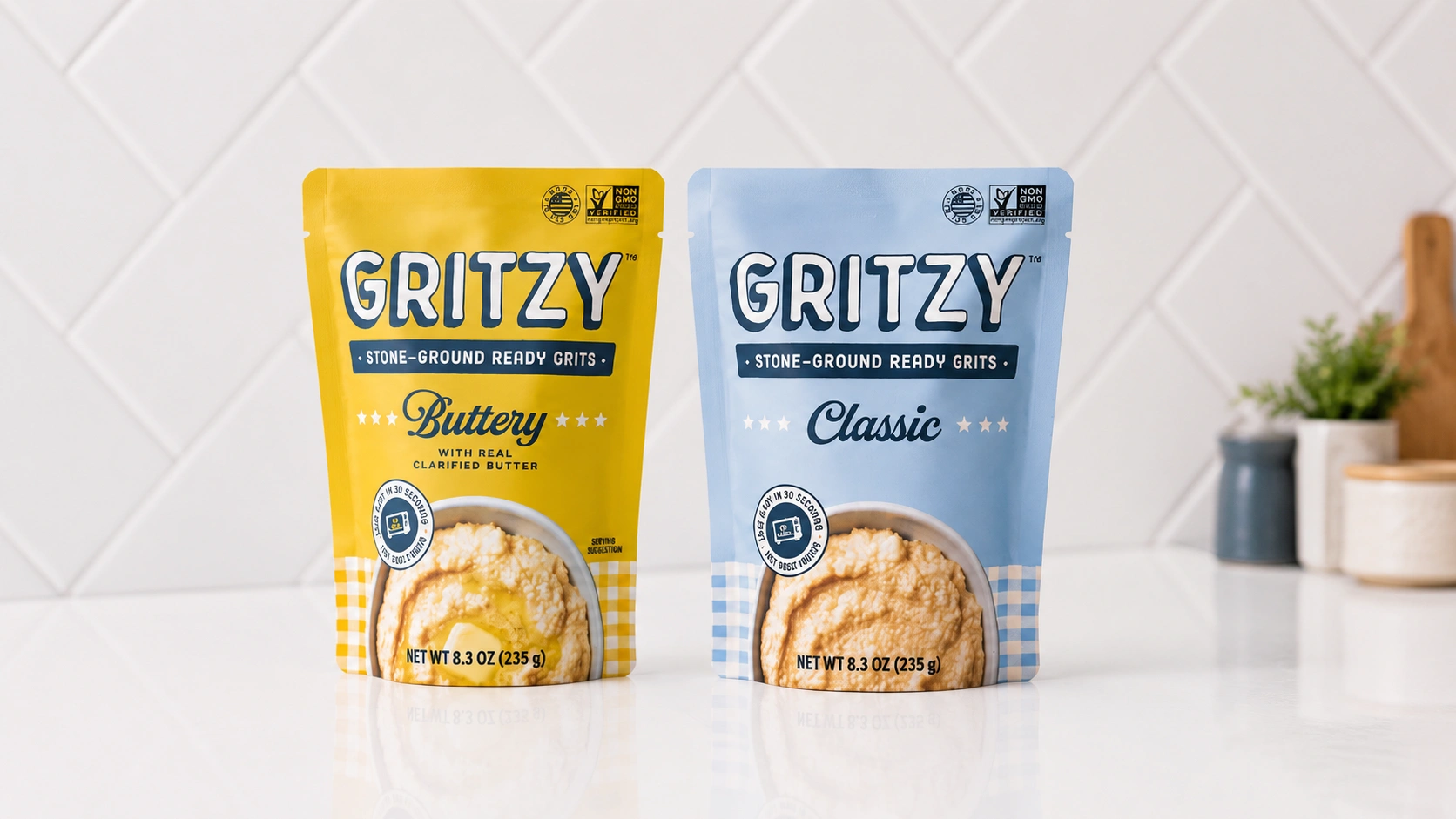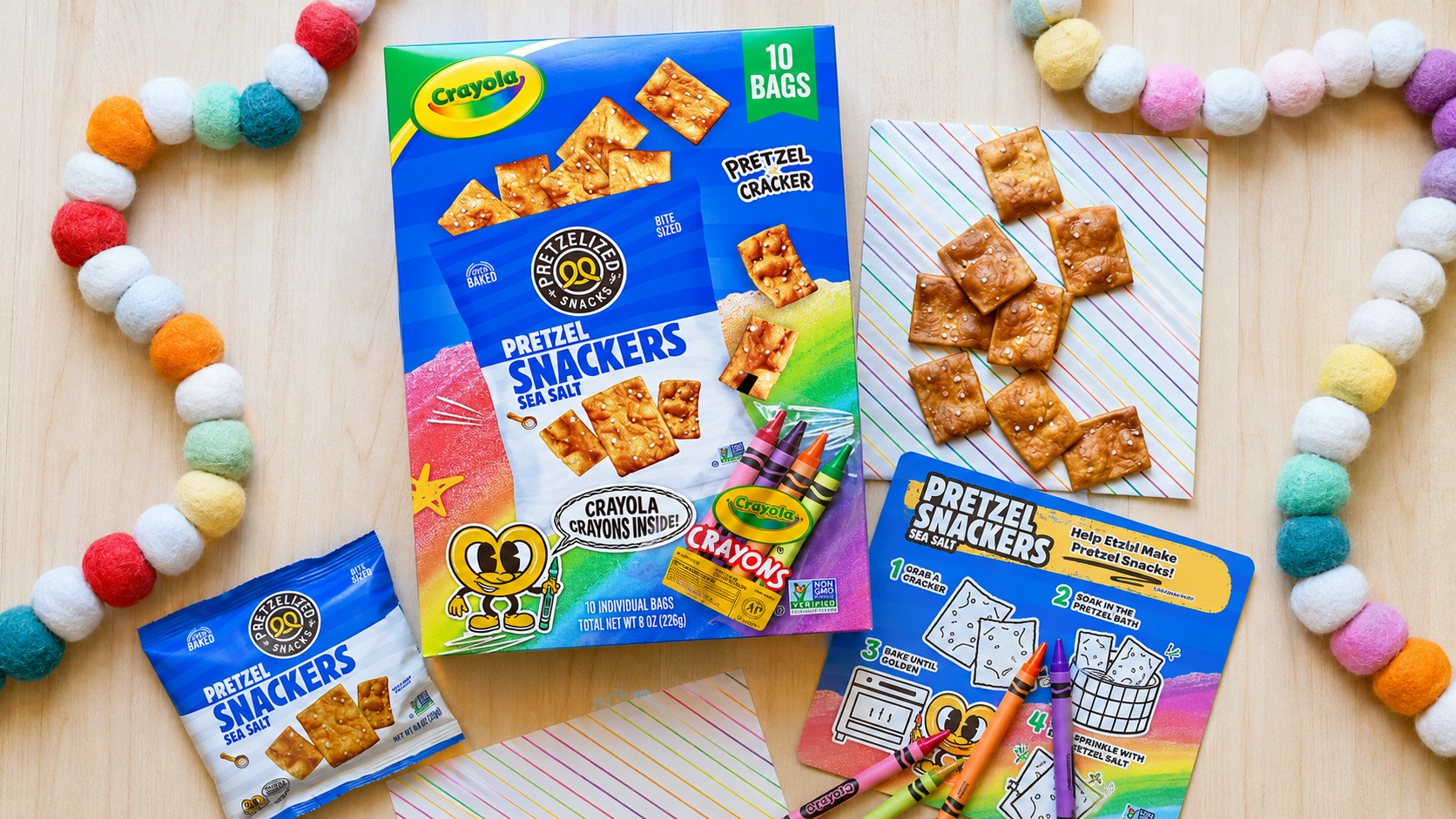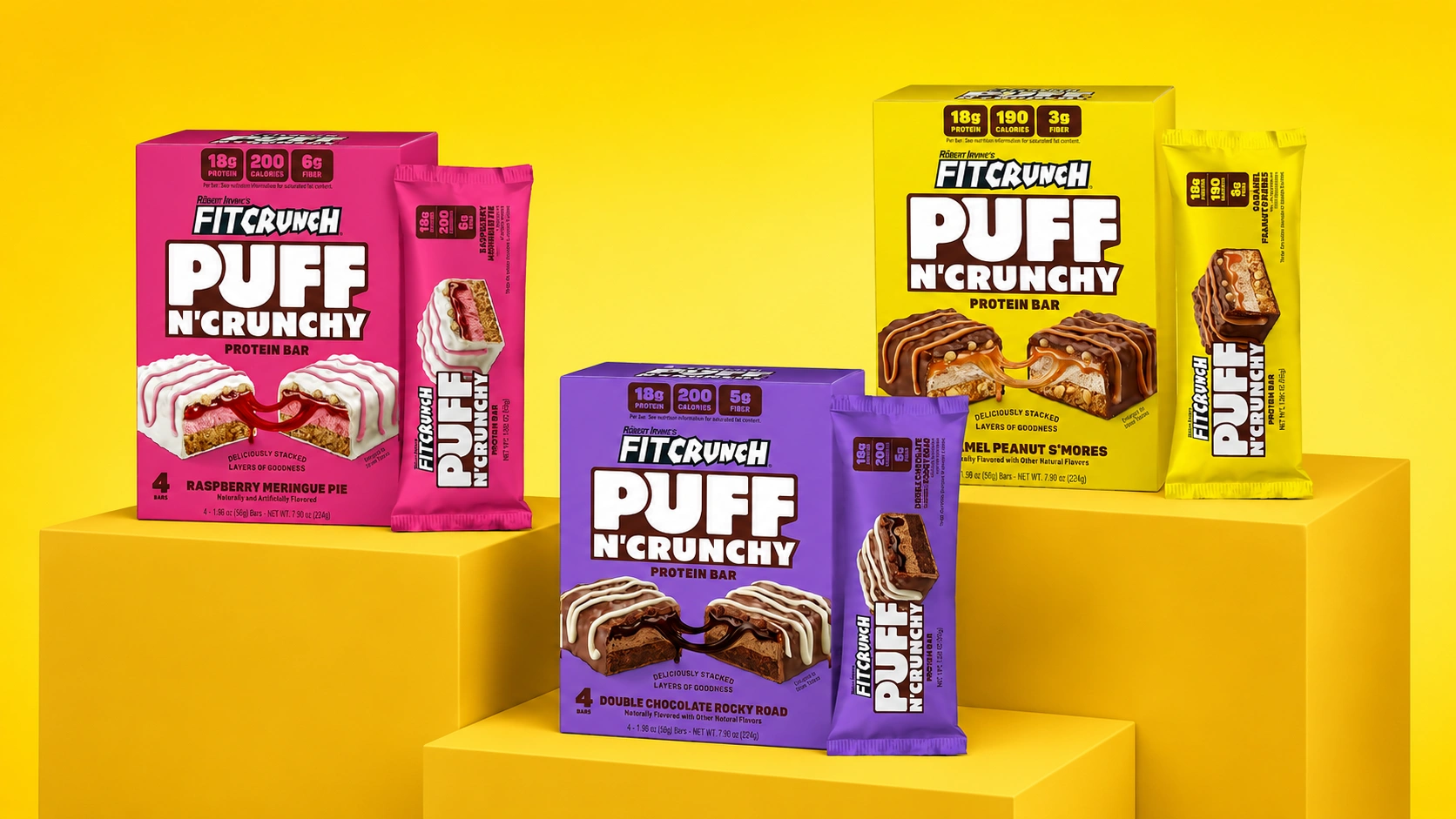
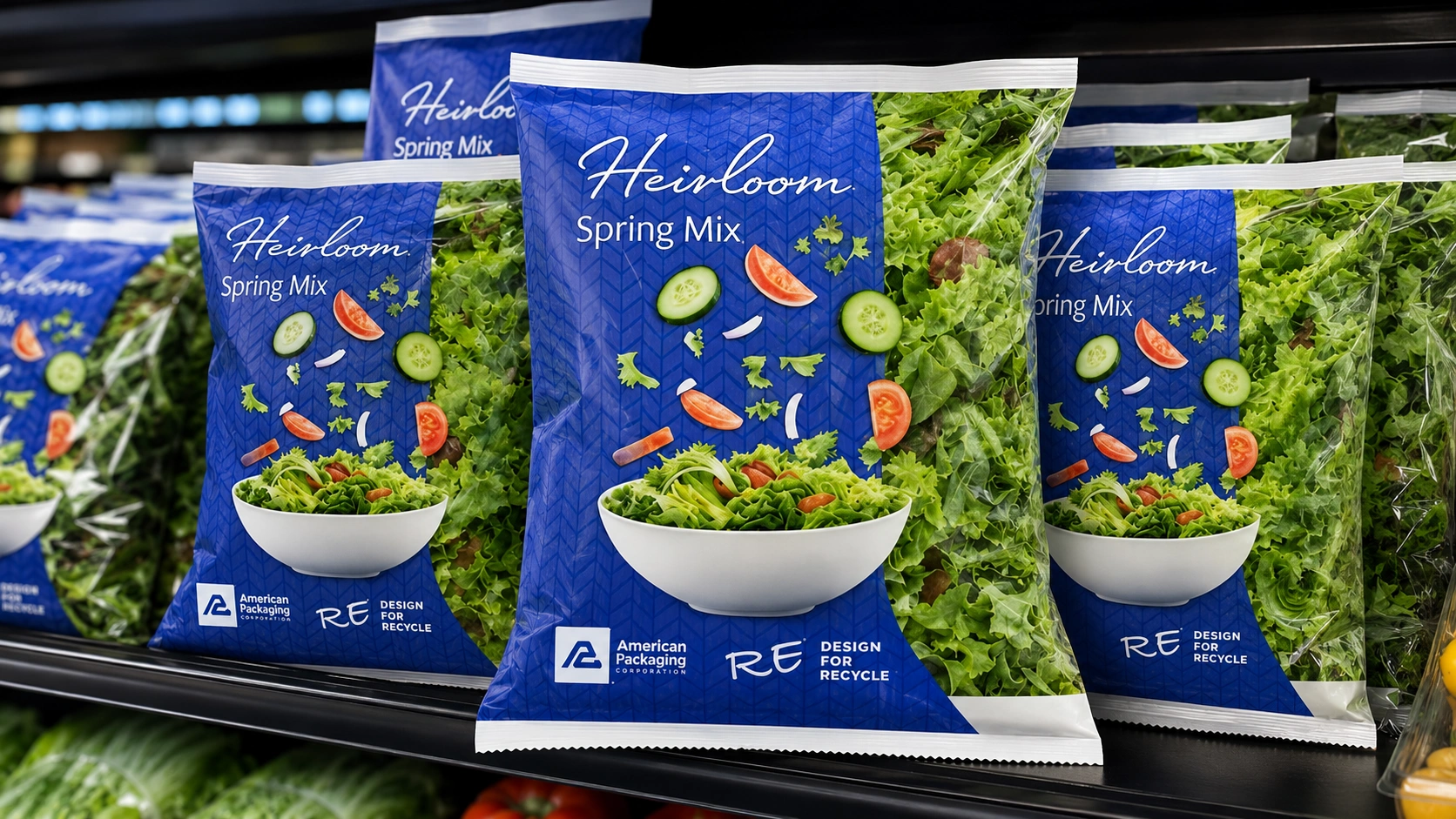
American Packaging Corporation is highlighting flexible packaging designed to help fresh produce stay fresher longer while reflecting growing consumer demand for convenience and more sustainable packaging options.
American Packaging Corporation is drawing attention to an often-overlooked part of the fresh food supply chain: the packaging that helps fruits, vegetables, and other minimally processed produce maintain quality after harvest. As shoppers increasingly choose fresh-cut produce, salad kits, and ready-to-eat healthy snacks, the company is emphasizing packaging solutions intended to preserve freshness while improving the shopping experience. The announcement reflects how packaging has become a strategic consideration for food manufacturers seeking to balance product quality, sustainability, and consumer expectations.
Fresh produce presents unique challenges because it continues to respire after harvest, making packaging an important factor in determining how long products remain appealing on store shelves and in home refrigerators. Rather than serving simply as a protective wrapper, modern flexible packaging is increasingly engineered to regulate oxygen and moisture levels that can influence freshness. American Packaging Corporation says its portfolio includes both conventional and Design for Recycle structures developed with targeted oxygen transmission and moisture vapor transmission rates to support different types of produce.
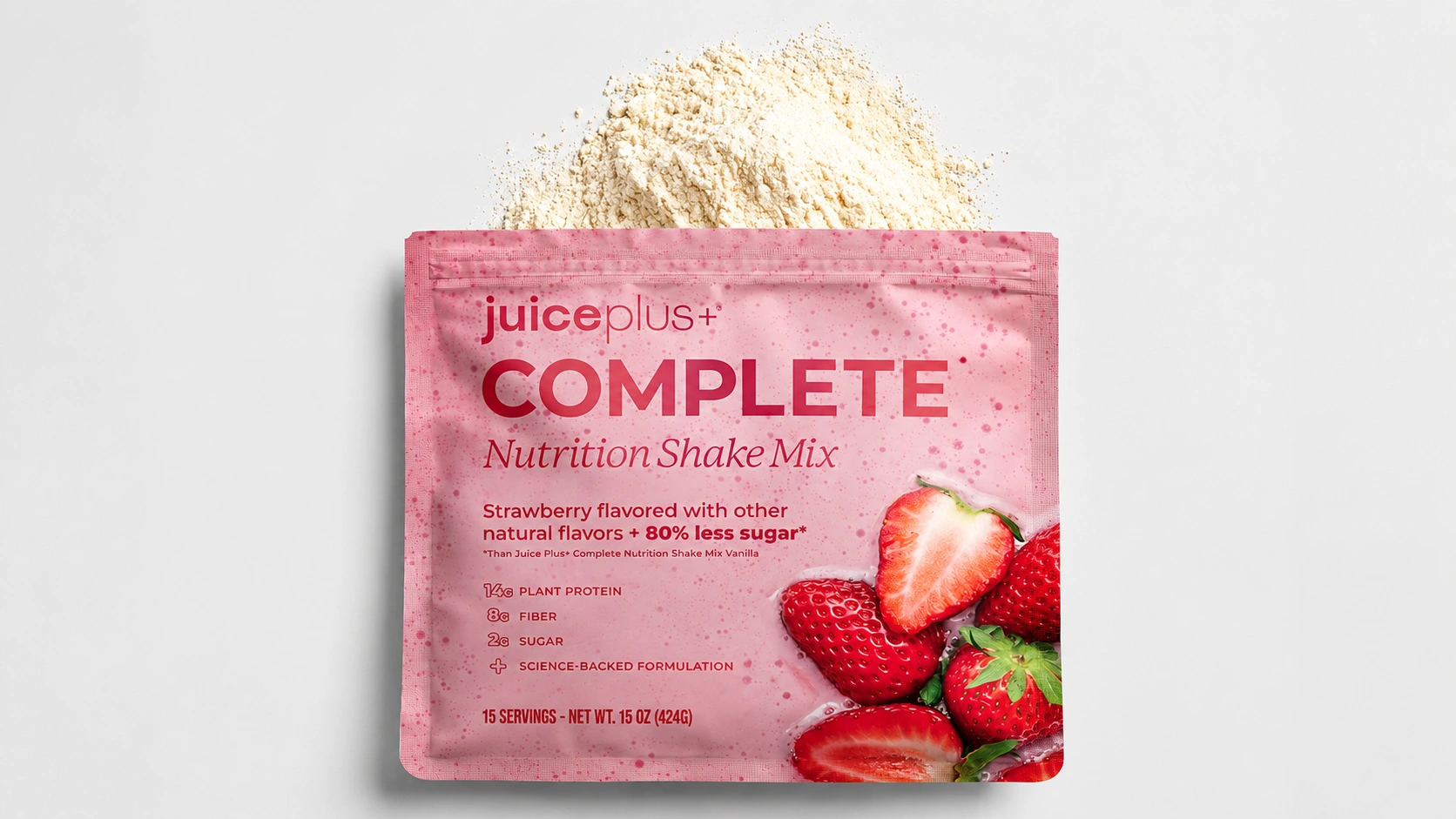
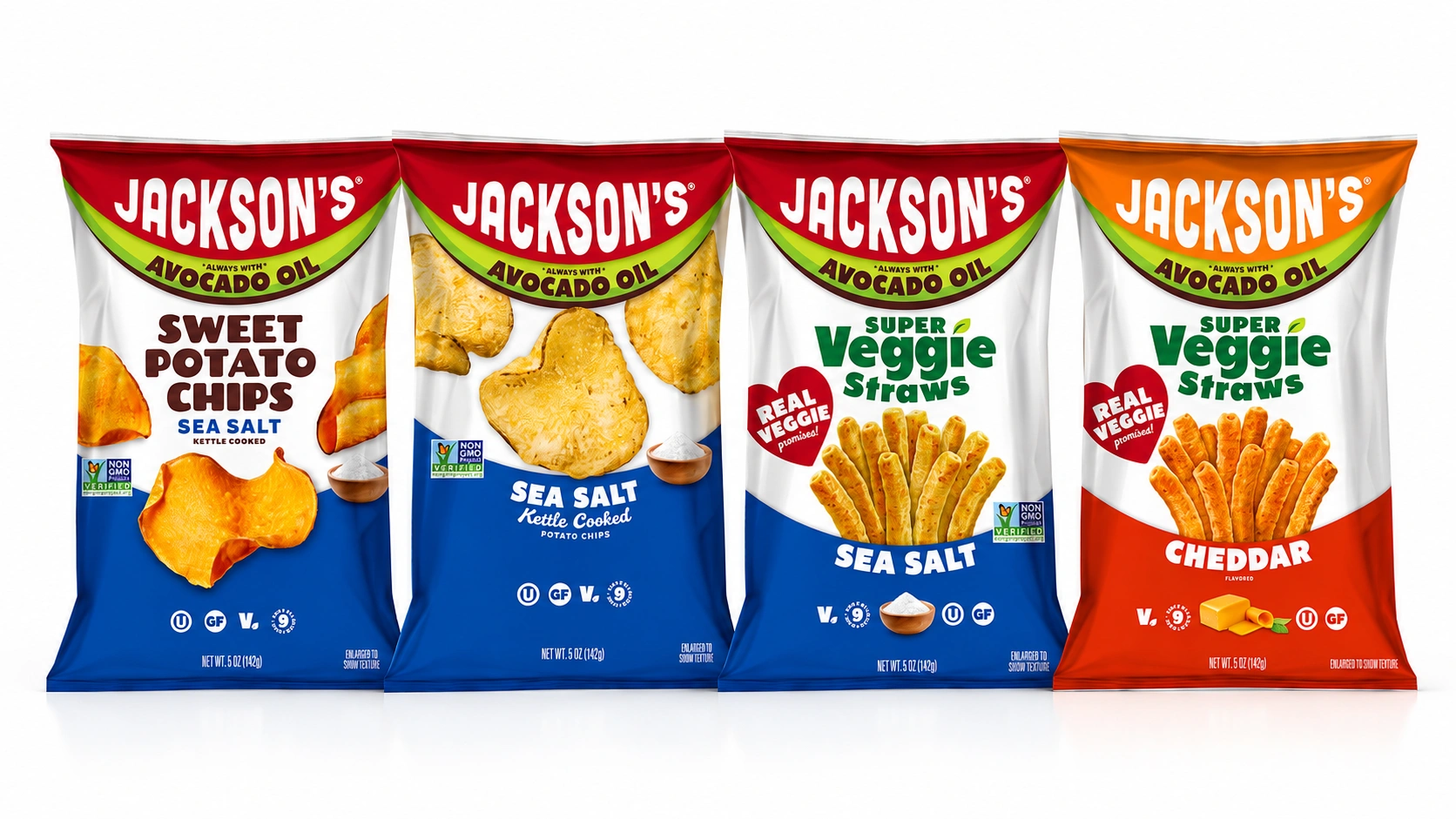
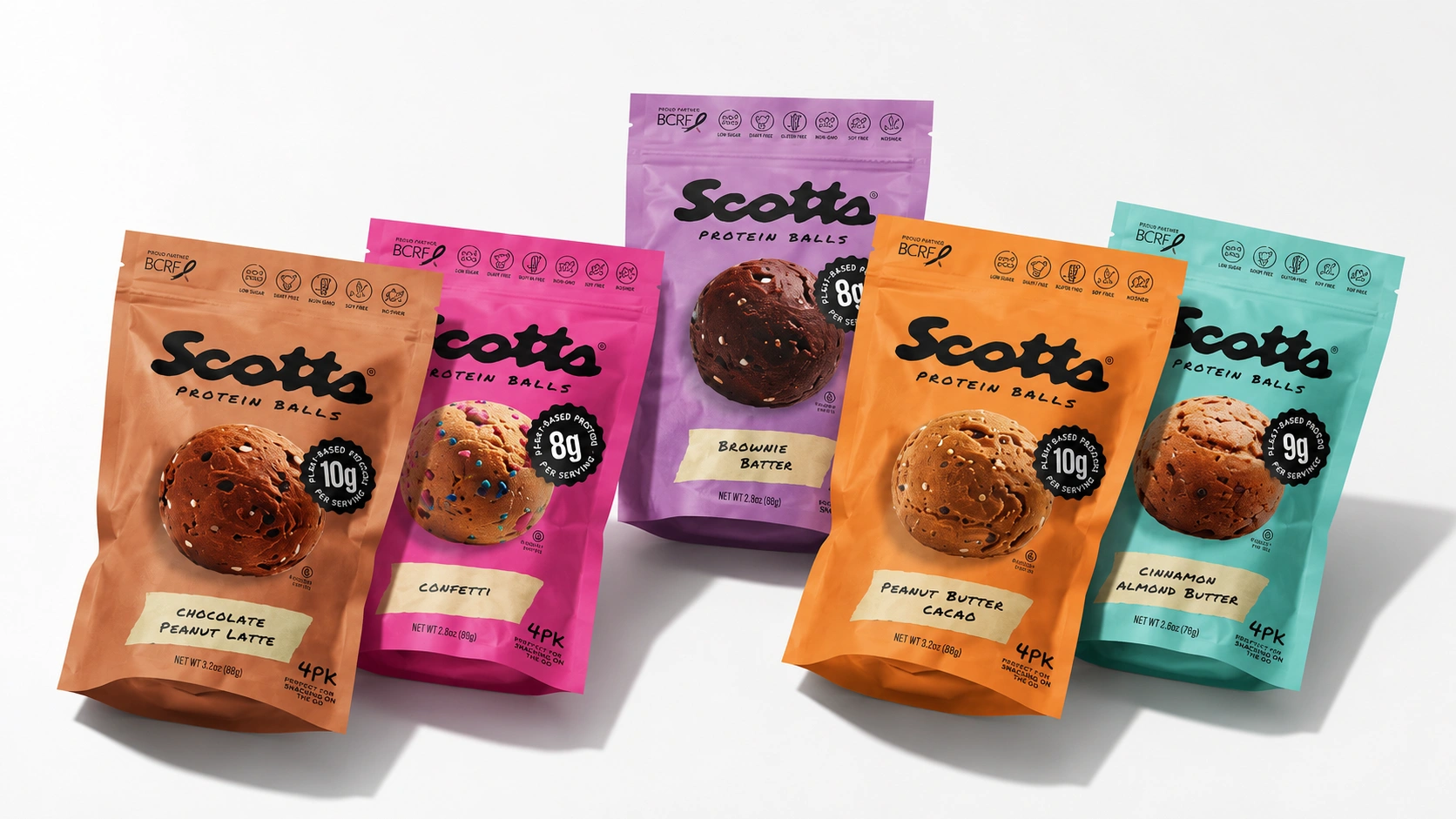
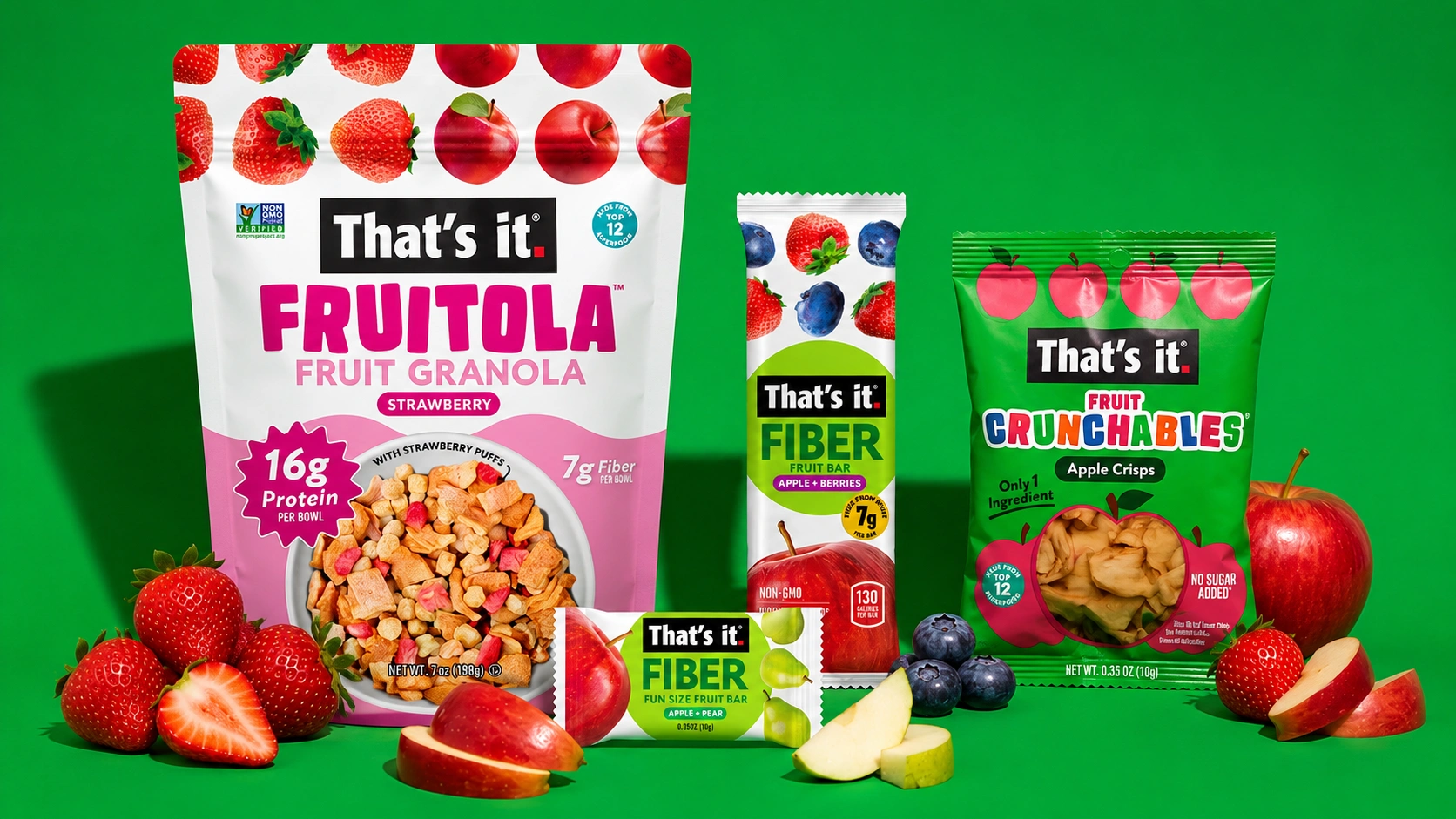
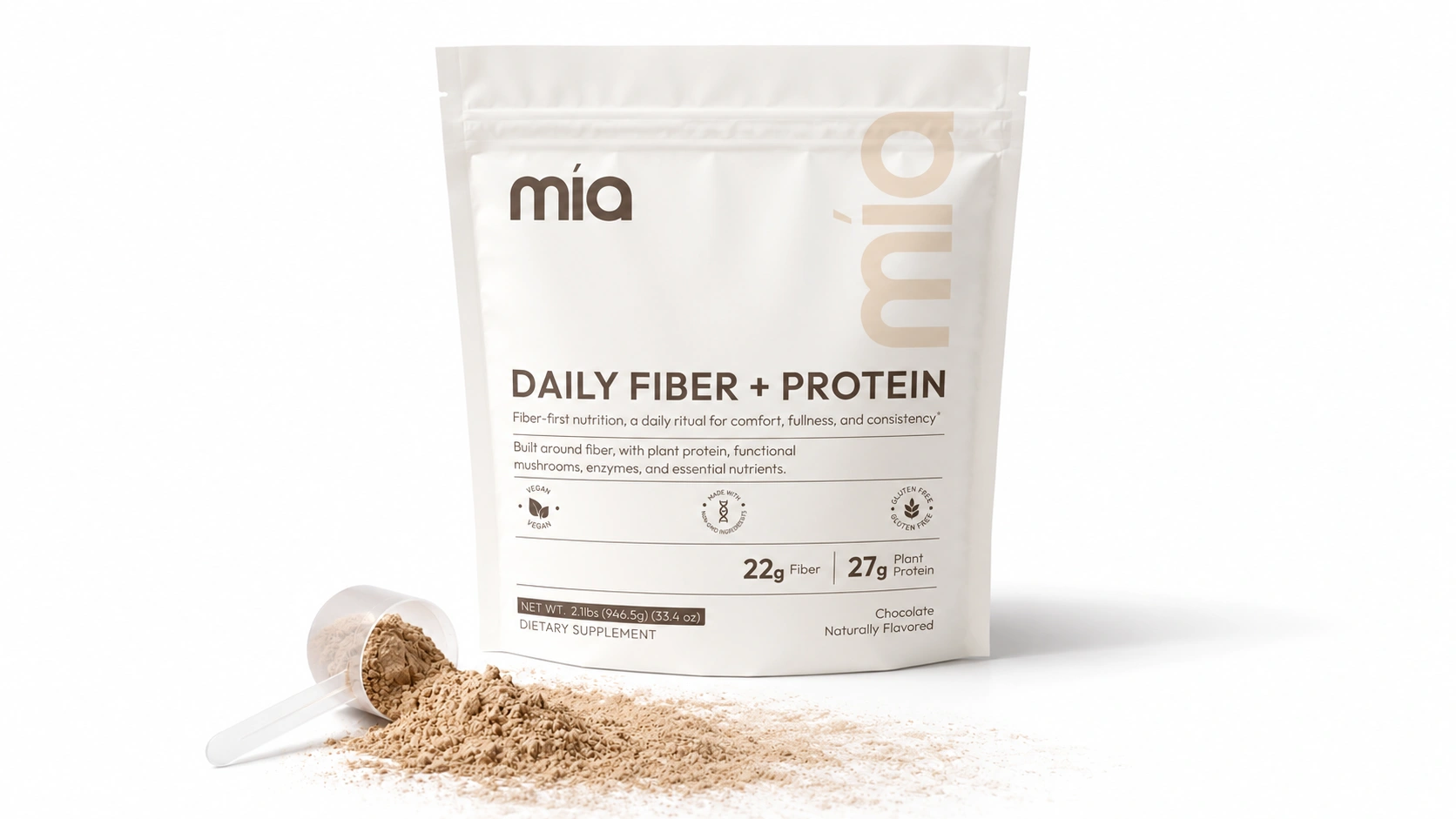
Beyond preservation, the company is also focusing on features that respond to changing consumer habits. Anti-fog windows designed to improve product visibility, resealable closures for repeated use, and grab-and-go packaging formats reflect the growing demand for convenience alongside freshness. The packaging is available in multiple formats, including rollstock, preformed pouches, and lidding applications, giving food producers flexibility across a range of products such as leafy greens, precut fruits and vegetables, and raw nuts.
The announcement also points to broader industry priorities extending beyond appearance and convenience. Longer shelf life can help reduce food waste throughout distribution and at home, while recyclable packaging designs respond to increasing interest in environmental responsibility and evolving packaging regulations. Although consumers often judge fresh produce by what they can see, advances in packaging technology are becoming an increasingly important part of delivering that experience. American Packaging Corporation’s latest emphasis illustrates how innovation in food packaging is evolving to support freshness, operational efficiency, and sustainability at the same time.