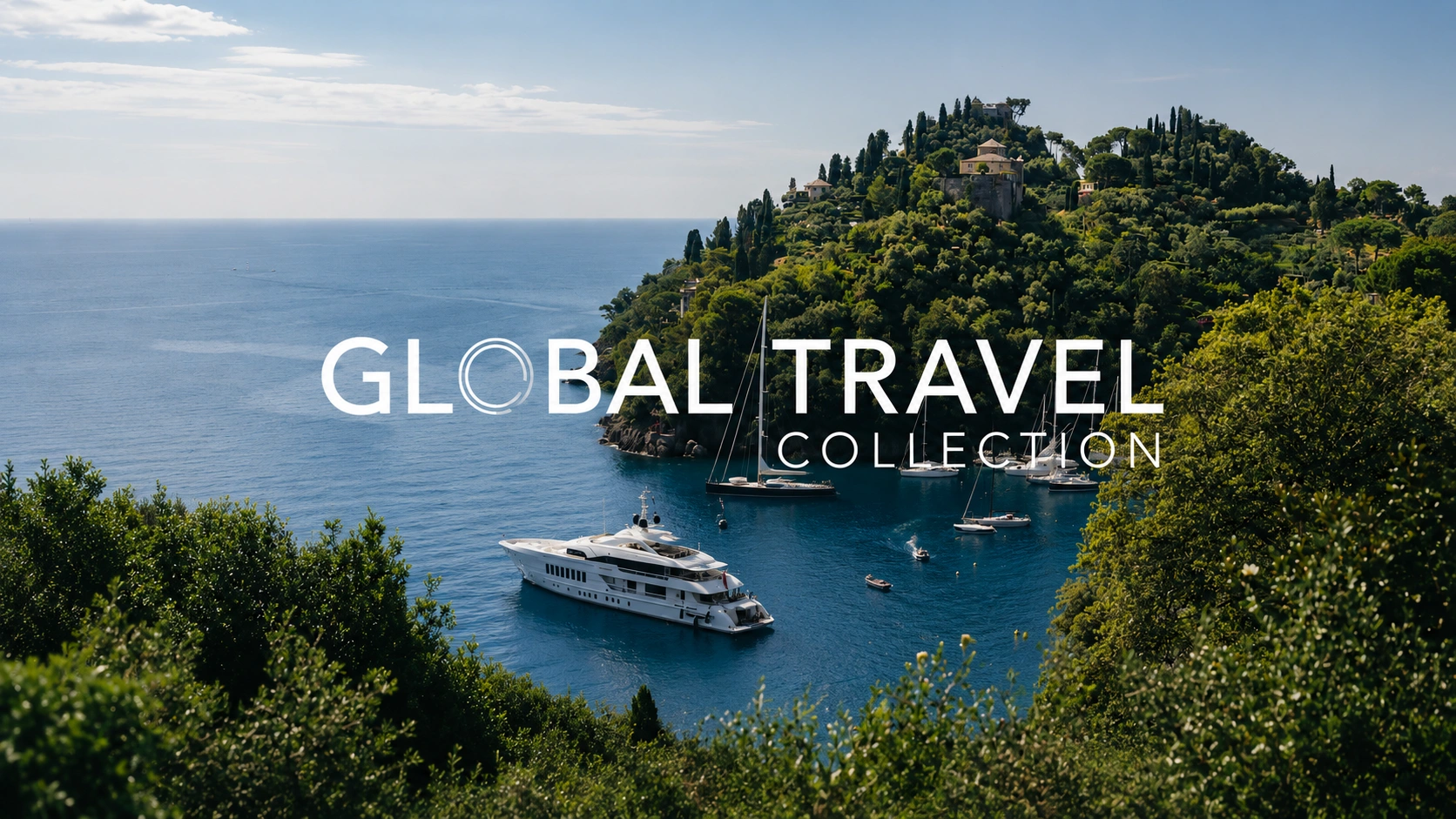
Global Travel Collection reports growing demand for hotel-branded voyages, suggesting luxury travelers are following trusted hospitality brands from land to sea rather than traditional cruise lines.
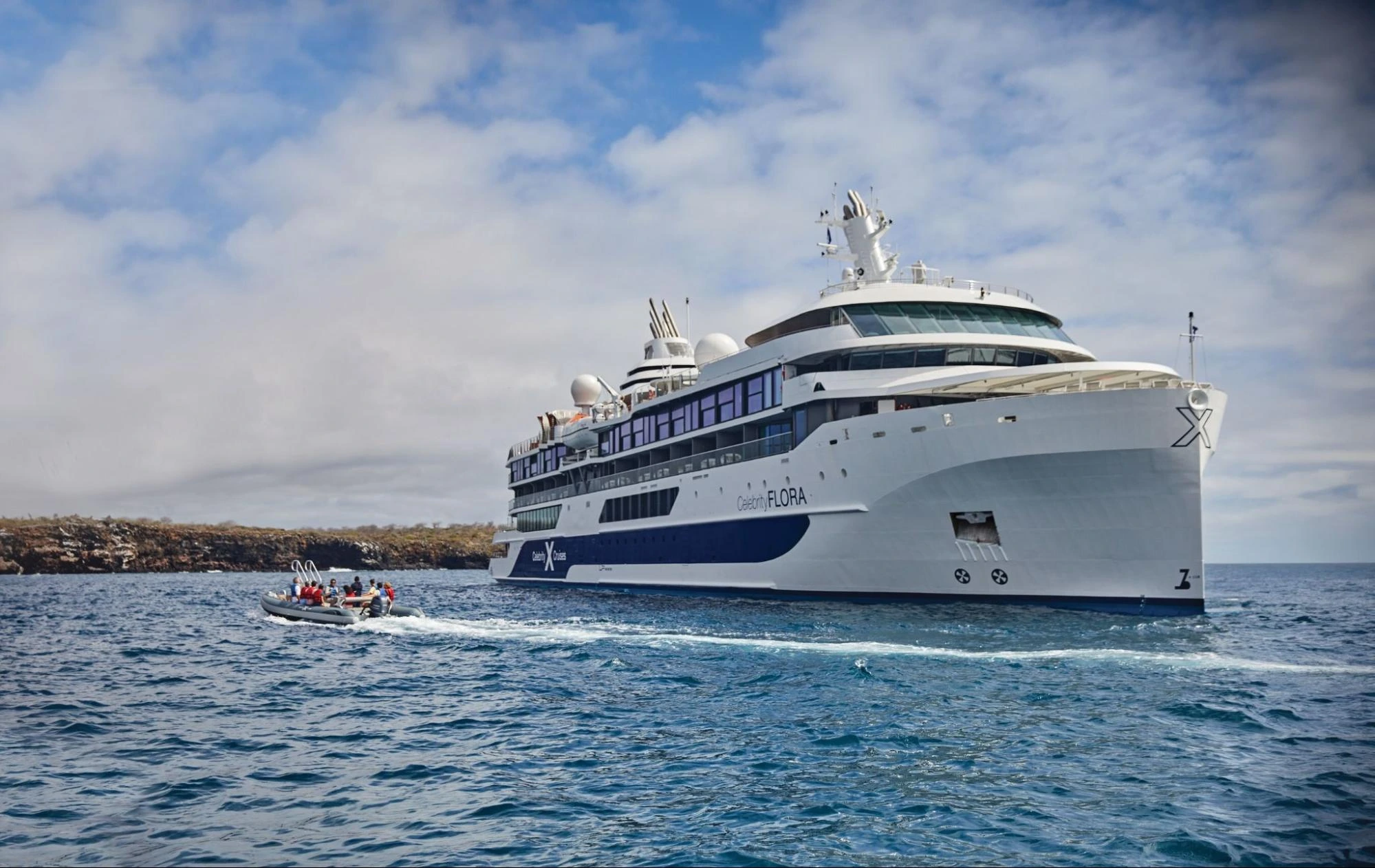
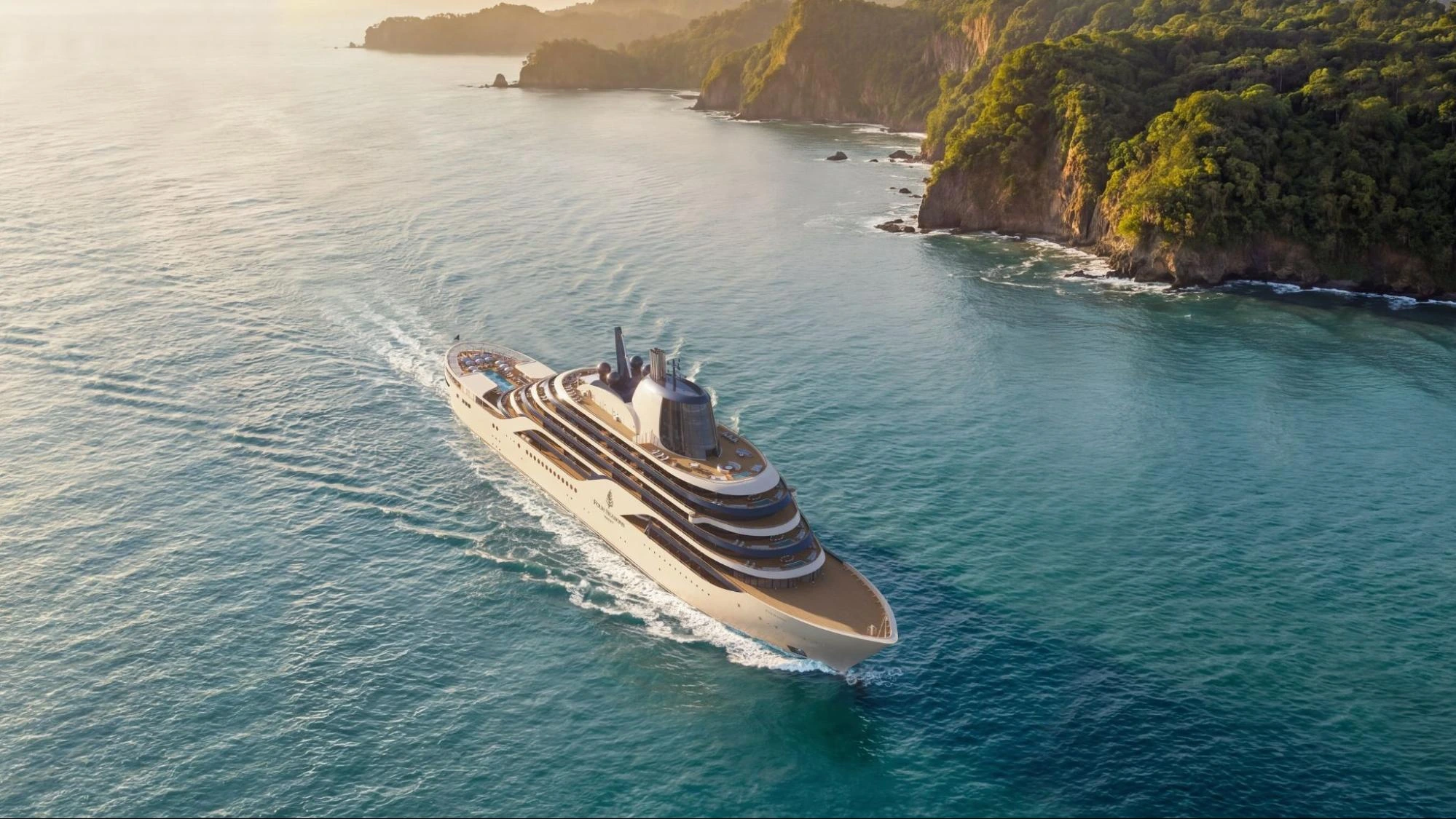
Global Travel Collection says a new segment of the luxury cruise market is emerging as prominent hotel and hospitality brands expand onto the water. According to the company’s 2026 booking data, branded voyages now account for 5 percent of its future cruise reservations, with an average booking value of approximately $40,000. The figures suggest that luxury hospitality companies are not simply entering an established cruise market but attracting travelers who may not have previously considered cruising at all.
One of the more notable findings is the profile of the customer. Rather than experienced cruisers upgrading to more expensive itineraries, Global Travel Collection reports that many bookings are coming from guests with long-standing loyalty to luxury hotel brands. For these travelers, the appeal appears to stem less from comparing cruise operators and more from extending a trusted hospitality experience into a different setting. The shift illustrates how brand loyalty has become an increasingly influential factor in luxury travel purchasing decisions.
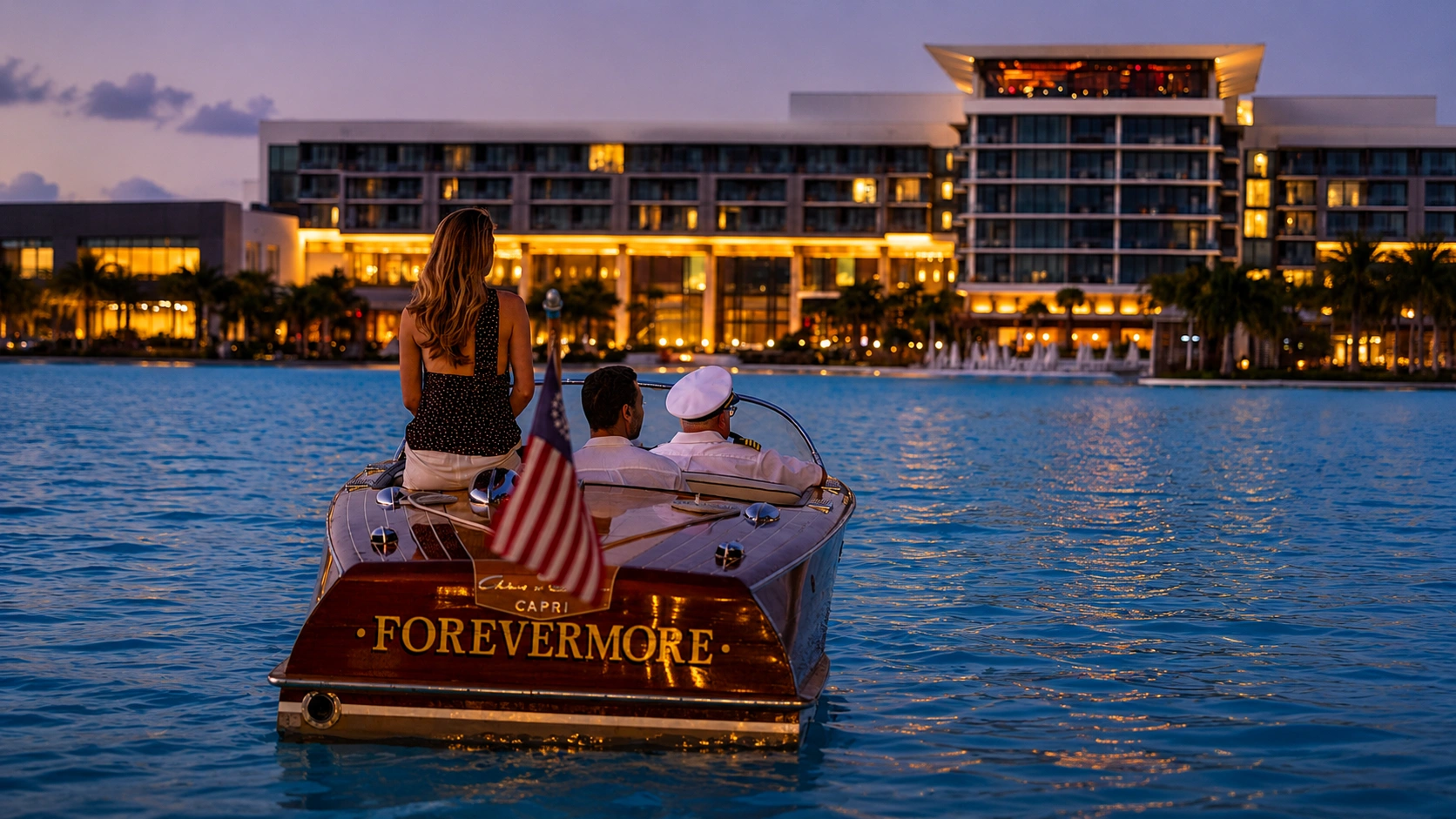
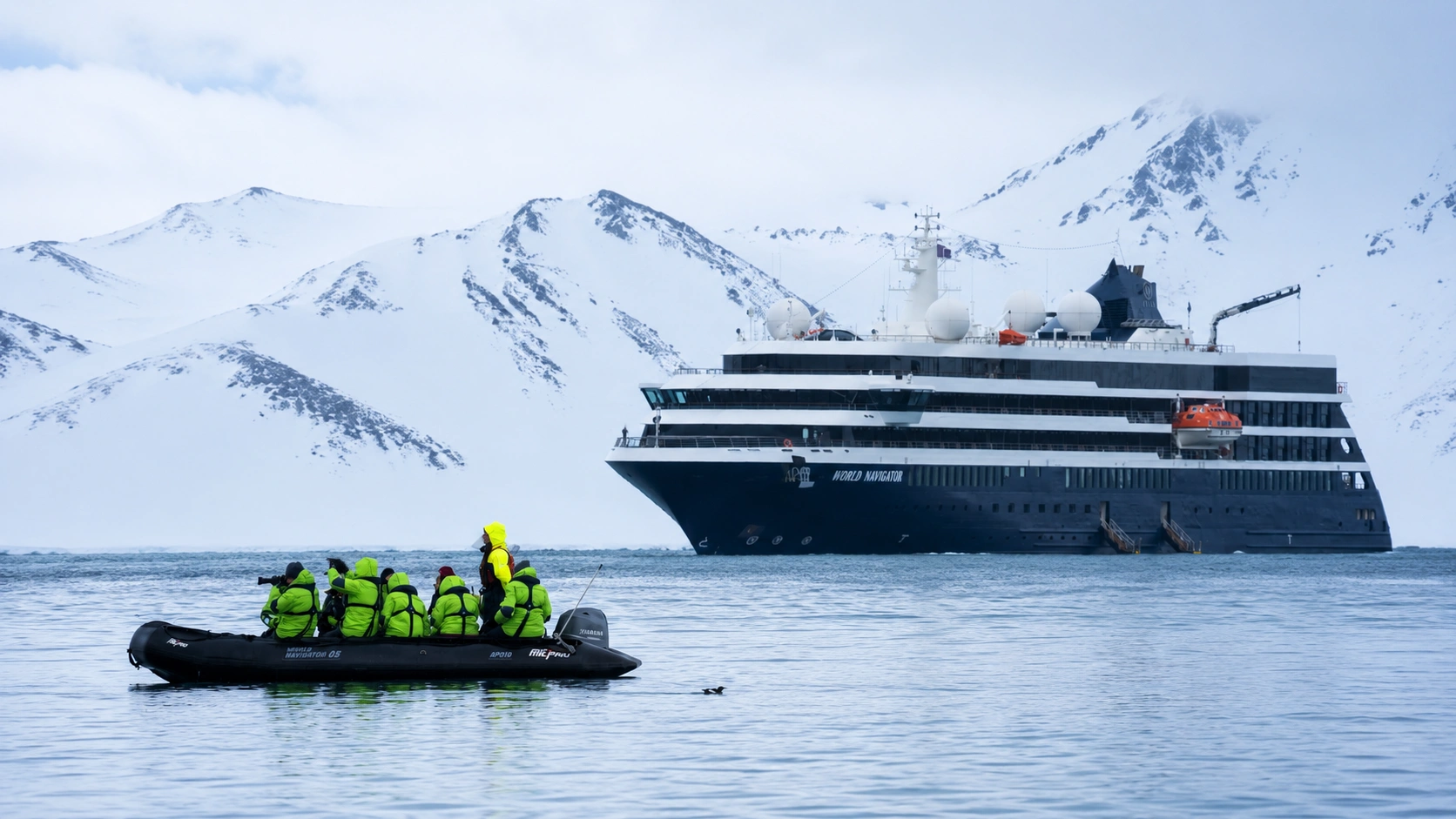
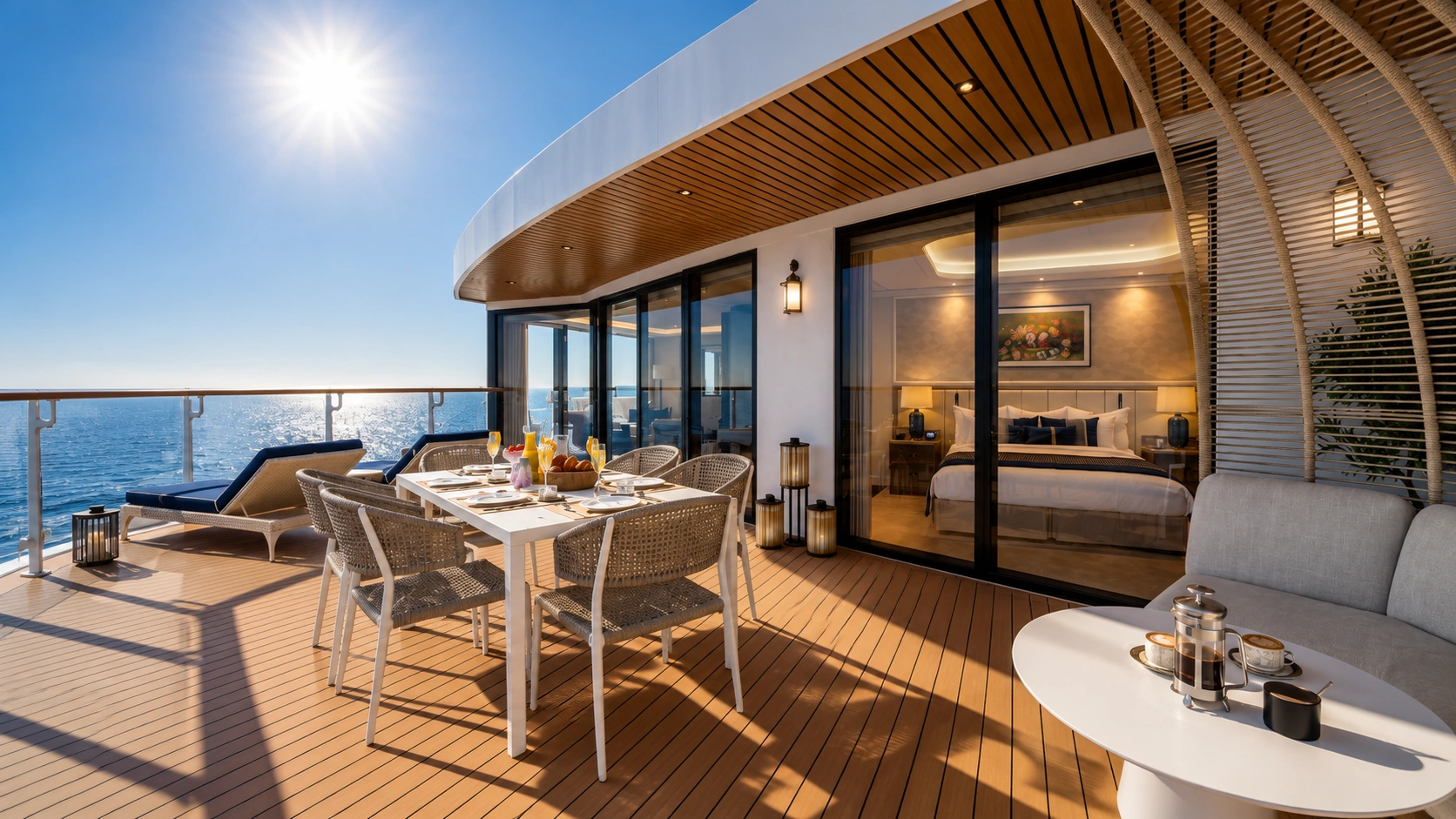
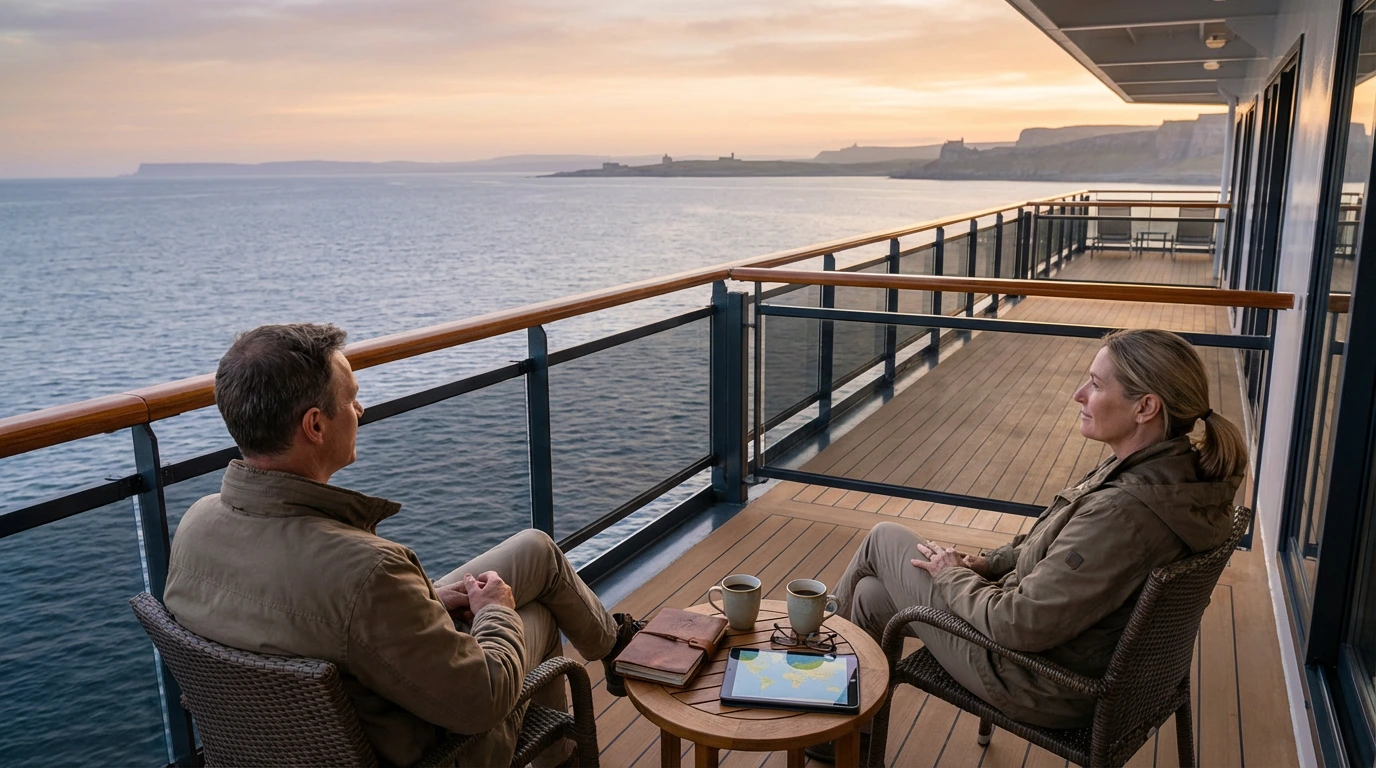
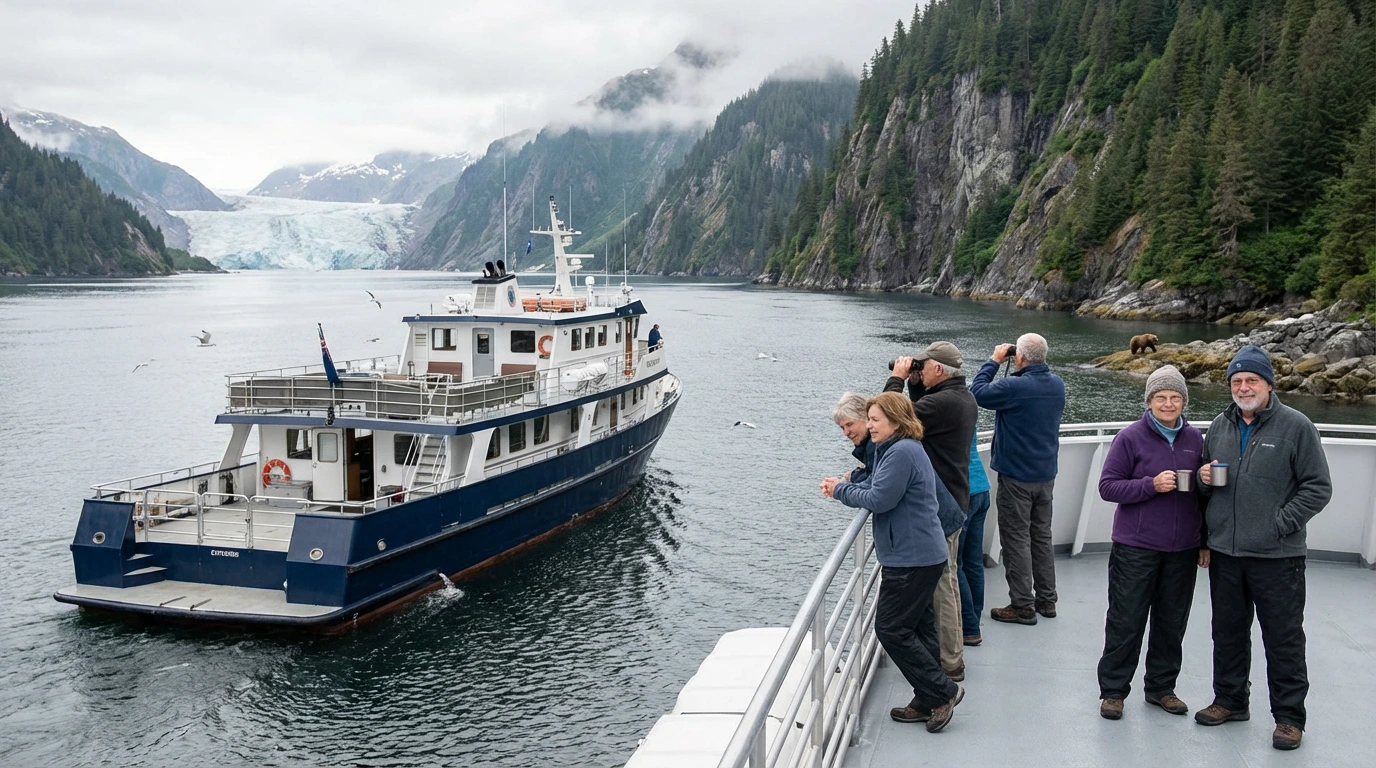
The trend also reflects broader changes in what affluent travelers are seeking from vacations. Privacy, personalized service, spacious accommodations, and carefully curated experiences have become defining characteristics of the luxury travel market, particularly in the years following the pandemic. Yacht voyages and smaller ships often align with these preferences, offering an alternative to larger cruise vessels while maintaining a level of exclusivity that resembles high-end resorts more than conventional cruises.
Global Travel Collection’s data indicates that demand for yacht travel continues to grow alongside this evolution, with year-over-year sales increasing by roughly $3 million. The company also points to broader industry forecasts that project continued expansion across the cruise sector, including particularly strong growth in river and yacht cruising. While these figures reflect market momentum, they also highlight how cruise offerings have diversified well beyond the traditional image of large ocean liners serving mass-market travelers.
If these booking patterns continue, hotel-branded voyages could represent a lasting shift in how luxury hospitality companies extend their relationships with customers. Instead of competing solely through destinations or onboard amenities, brands are increasingly selling continuity of experience across multiple forms of travel. For travelers who already associate a hotel name with a particular standard of service, the transition from a luxury suite on land to one at sea may feel less like trying a new type of vacation and more like continuing a familiar one.