The fast-food chain is introducing new customer service roles and a Whopper guarantee, reflecting a broader industry focus on consistency, accountability, and guest experience.
Burger King is expanding its ongoing brand transformation by introducing two customer-focused initiatives designed to improve the in-store dining experience. The company says the changes were shaped by feedback gathered through a nationwide listening campaign, during which customers shared their experiences directly with the brand. The latest measures include a new “Your Way Champion” restaurant role and a Whopper Guarantee, signaling that operational consistency has become as important as menu innovation in today’s competitive quick-service restaurant industry.
The emphasis on service reflects changing consumer expectations across fast food. Customers increasingly expect orders to be accurate, customized correctly, and resolved quickly when something goes wrong. While speed remains important, restaurants are also under pressure to deliver a more reliable experience across thousands of locations, particularly as mobile ordering, loyalty programs, and personalized menu options make operations more complex. In that environment, customer satisfaction often depends as much on execution as it does on the food itself.
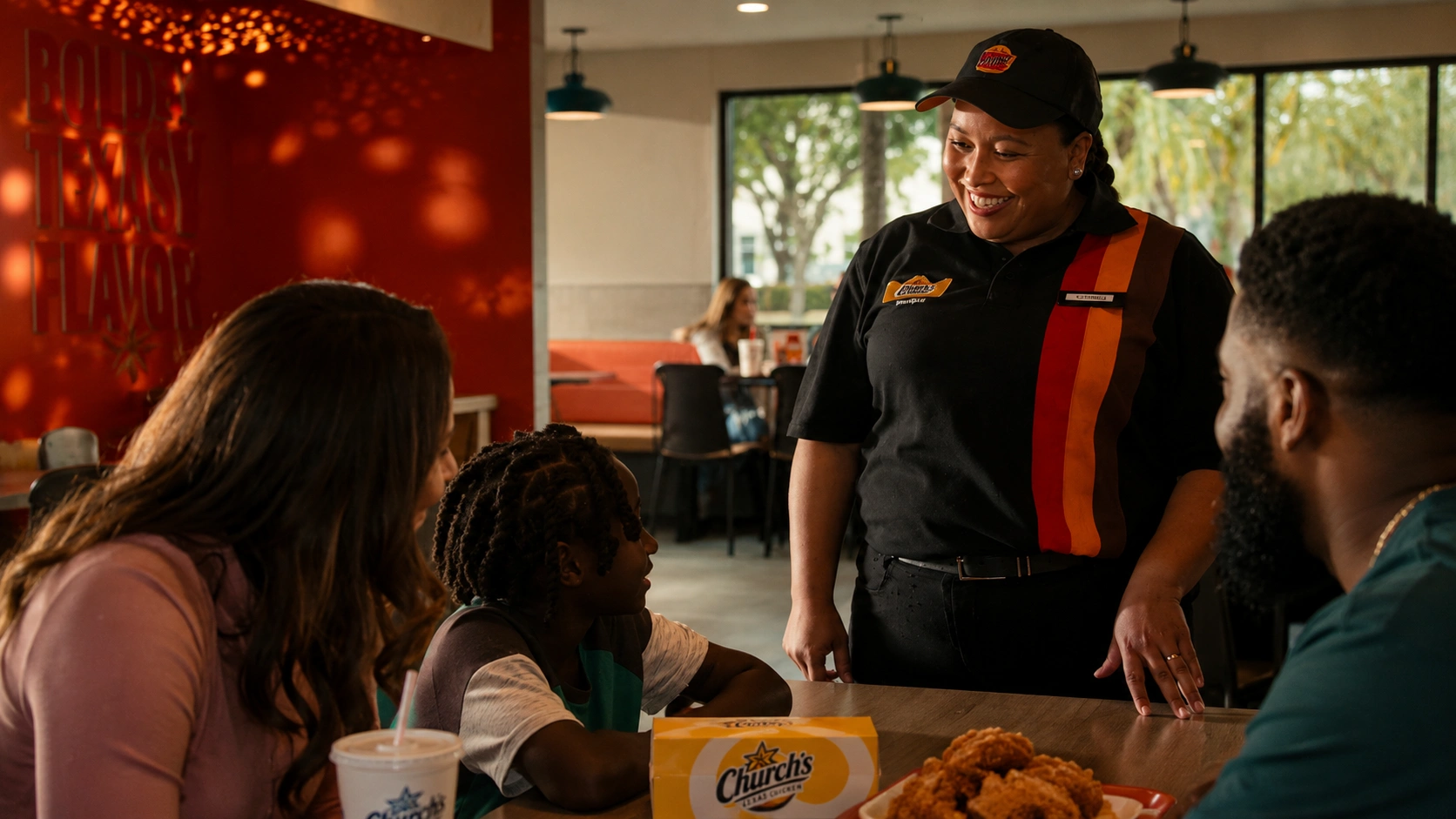
Burger King’s new Your Way Champion role is intended to provide a visible point of contact inside participating restaurants, with responsibilities that include welcoming guests, verifying customized orders, and addressing issues before they escalate. The company is also investing in additional training and resources to support the position. Alongside the new role, the Whopper Guarantee formalizes a commitment to replacing sandwiches that do not meet customer expectations and provides a complimentary Whopper on a future visit if a remake is necessary, adding an extra layer of accountability to the experience.
These initiatives follow a wider trend among restaurant chains that are relying more heavily on customer feedback to shape operational decisions. Rather than focusing exclusively on new menu items or promotional campaigns, brands are increasingly using surveys, digital engagement, and loyalty platforms to identify recurring service concerns and implement measurable improvements. The strategy recognizes that retaining customers often depends on consistently delivering familiar products rather than continually introducing new ones.
Burger King’s latest efforts suggest that the next phase of competition in fast food may be defined less by menu expansion and more by execution. As customer expectations continue to rise, brands are being challenged to prove that they can consistently deliver quality, personalization, and responsive service at scale. Whether these initiatives lead to lasting improvements will ultimately depend on how effectively they are carried out across the company’s extensive restaurant network.