The freezer-aisle launch reflects how legacy snack brands are extending beyond pantry staples as consumers seek recognizable flavors in new formats and experiences
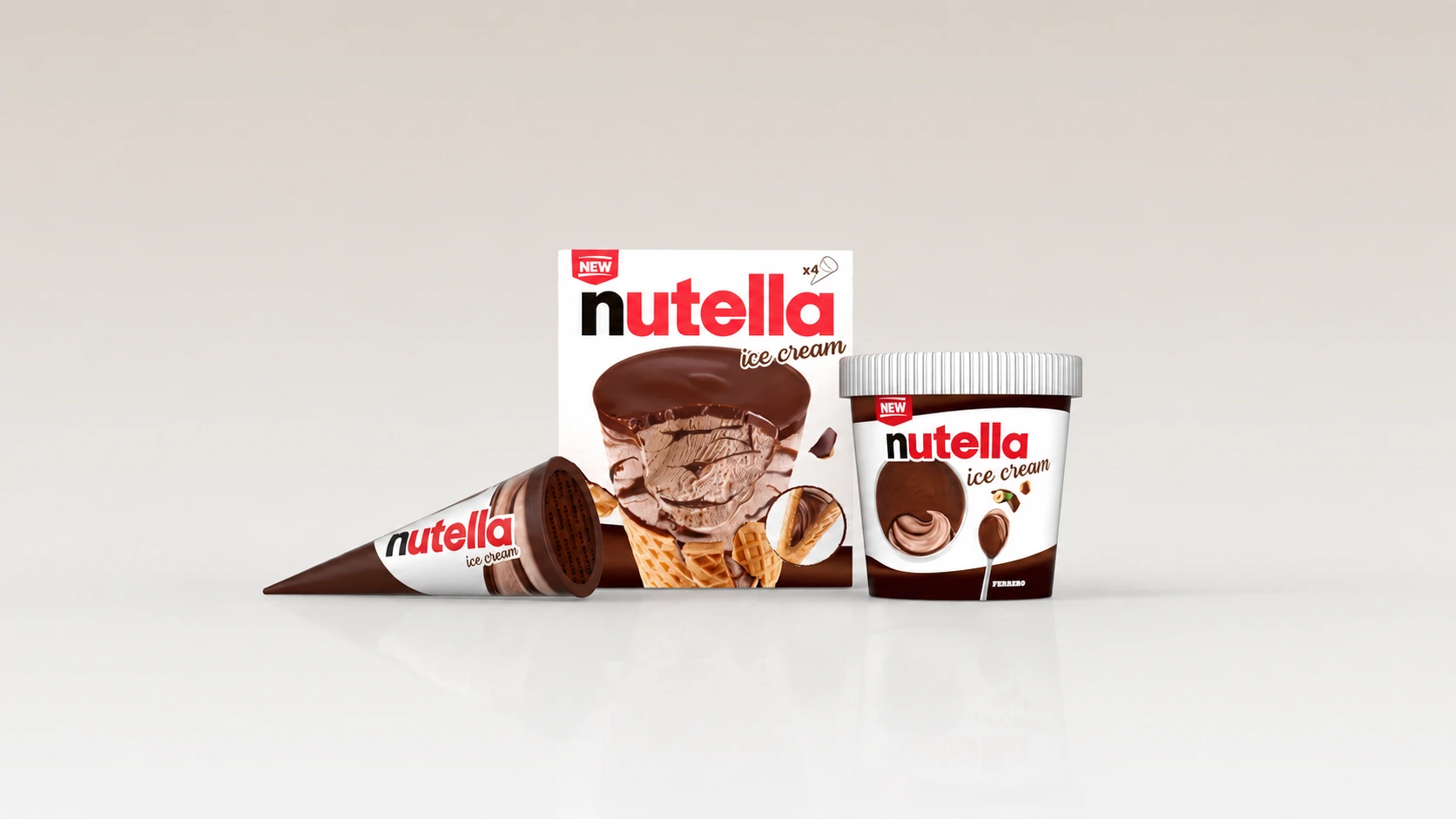
Nutella has officially entered the U.S. ice cream market through a new partnership with Wells Enterprises, bringing its signature hazelnut-cocoa flavor into freezers nationwide for the first time. Available in both pints and cone multipacks, the launch marks another example of how globally established food brands are expanding into adjacent categories to maintain relevance in an increasingly crowded snack and dessert market. Rather than introducing an entirely new flavor identity, the strategy leans heavily on familiarity and nostalgia.
The move arrives at a time when major consumer brands are under growing pressure to create products that feel both recognizable and novel. In recent years, grocery aisles have become increasingly dominated by brand extensions that transform existing products into cereals, frozen desserts, beverages, and limited-edition collaborations. For companies like Ferrero, which owns Nutella, expanding into frozen treats offers a way to deepen brand engagement without fundamentally altering the product consumers already know.
Ice cream, in particular, has become a testing ground for this kind of crossover branding. Consumers increasingly gravitate toward products tied to established flavors and emotional associations, especially as grocery prices continue to rise and shoppers become more selective about indulgent purchases. A recognizable name like Nutella carries a level of trust and predictability that newer dessert brands often struggle to establish, especially in categories where impulse buying plays a major role.
The launch also highlights the growing importance of texture and format in packaged food innovation. According to the announcement, the ice cream incorporates Nutella swirls and layered textures intended to recreate the familiar experience of eating the spread itself. That emphasis reflects a broader shift in the dessert industry, where brands increasingly compete not only on flavor but also on sensory experience, portability, and versatility across different consumption occasions.
At the same time, the product underscores how legacy brands continue adapting to a consumer culture driven by social sharing and limited-time excitement. Promotions tied to “Freezer Fridays” and seasonal campaigns show how even long-established household names now operate within a marketing environment shaped by digital engagement and viral food culture. Nutella’s move into ice cream may appear straightforward on the surface, but it also reflects how modern food companies are rethinking where — and how — familiar brands can appear in everyday life.