Backed by a $1.7 billion investment, Sphere Abu Dhabi reflects how cities are increasingly using large-scale entertainment infrastructure to shape tourism, identity, and global influence
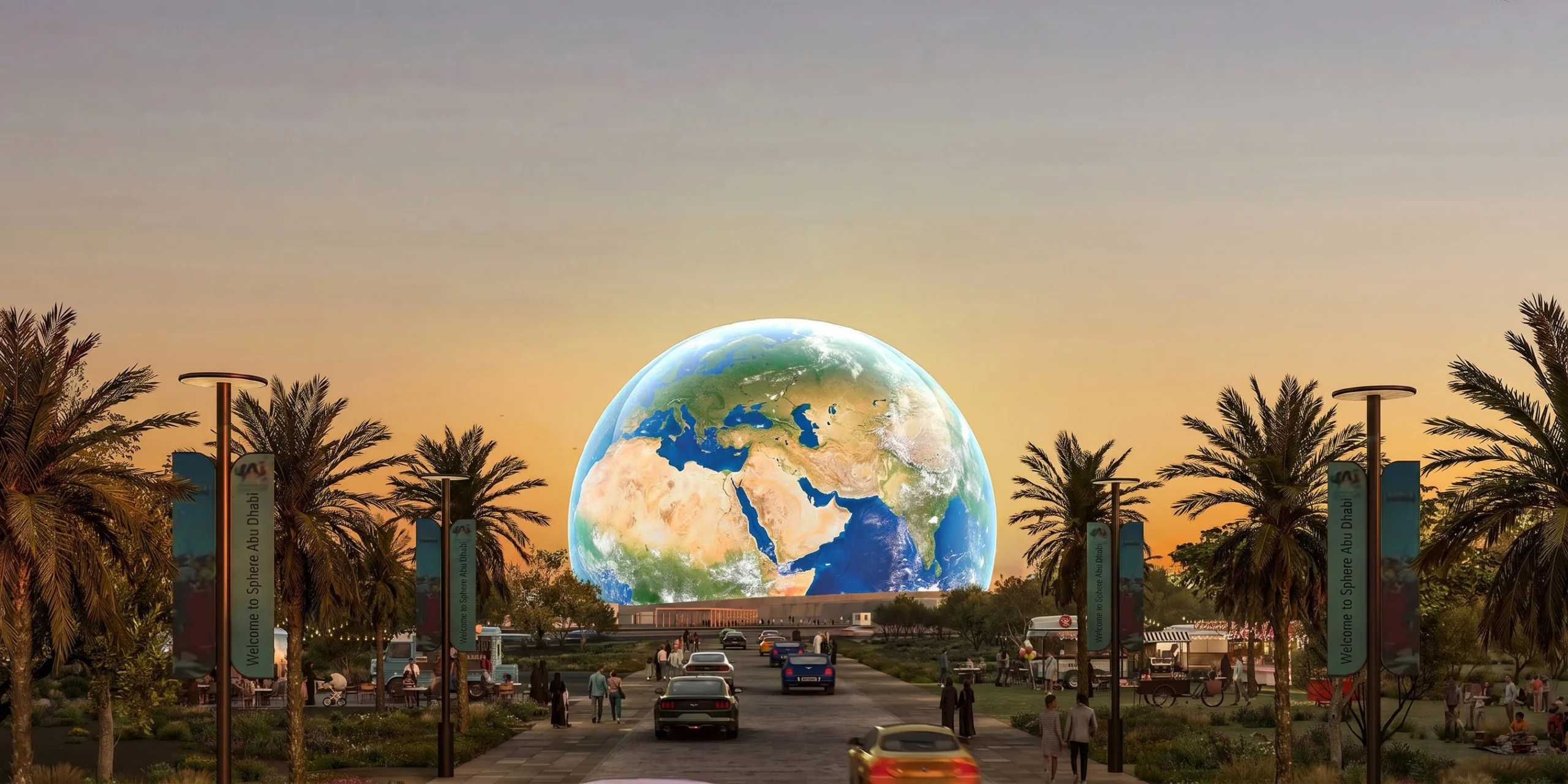
The Department of Culture and Tourism – Abu Dhabi is bringing one of the world’s most recognizable new entertainment concepts to Yas Island, announcing plans to build Sphere Abu Dhabi in partnership with Sphere Entertainment Co. The venue, expected to open by the end of 2029, will become the first Sphere location outside the United States and represents one of the most ambitious entertainment infrastructure investments in the region to date.
The project arrives at a moment when cities around the world are competing not only for tourists, but also for cultural relevance and global visibility. Since opening in Las Vegas in 2023, the original Sphere has become as much a media phenomenon as a concert venue, known for its immersive interior technology and massive LED-covered exterior. Abu Dhabi’s decision to bring a version of the concept to Yas Island reflects a broader strategy of building destination-scale attractions that blend tourism, architecture, and cultural branding into a single experience-driven economy.
Sphere Abu Dhabi is expected to hold up to 20,000 people and host immersive productions, concerts, sporting events, conferences, and large-scale brand activations. According to the announcement, the venue’s exterior “Exosphere” will also showcase Emirati artists and visual storytelling, suggesting the project is intended not simply as an imported entertainment product, but as a platform for local cultural expression on a global stage.
Its location on Yas Island places the venue within an already expanding network of attractions that includes theme parks, luxury hotels, Formula 1 events, and the planned Disney resort project. Together, these developments point to Abu Dhabi’s continued effort to diversify its economy beyond energy by investing heavily in tourism, entertainment, and cultural infrastructure. Large-scale projects like Sphere are increasingly being positioned not only as visitor attractions, but also as long-term economic engines capable of generating jobs, international partnerships, and sustained global attention.
The announcement also highlights how immersive technology is reshaping expectations around live entertainment itself. Venues are no longer competing solely on artist lineups or seating capacity; they are competing on sensory experience, digital spectacle, and the ability to create globally shareable moments. In that sense, Sphere Abu Dhabi may represent more than a new concert venue. It reflects a growing belief among governments and entertainment companies alike that immersive environments are becoming a central part of how cities define themselves in the modern tourism economy.