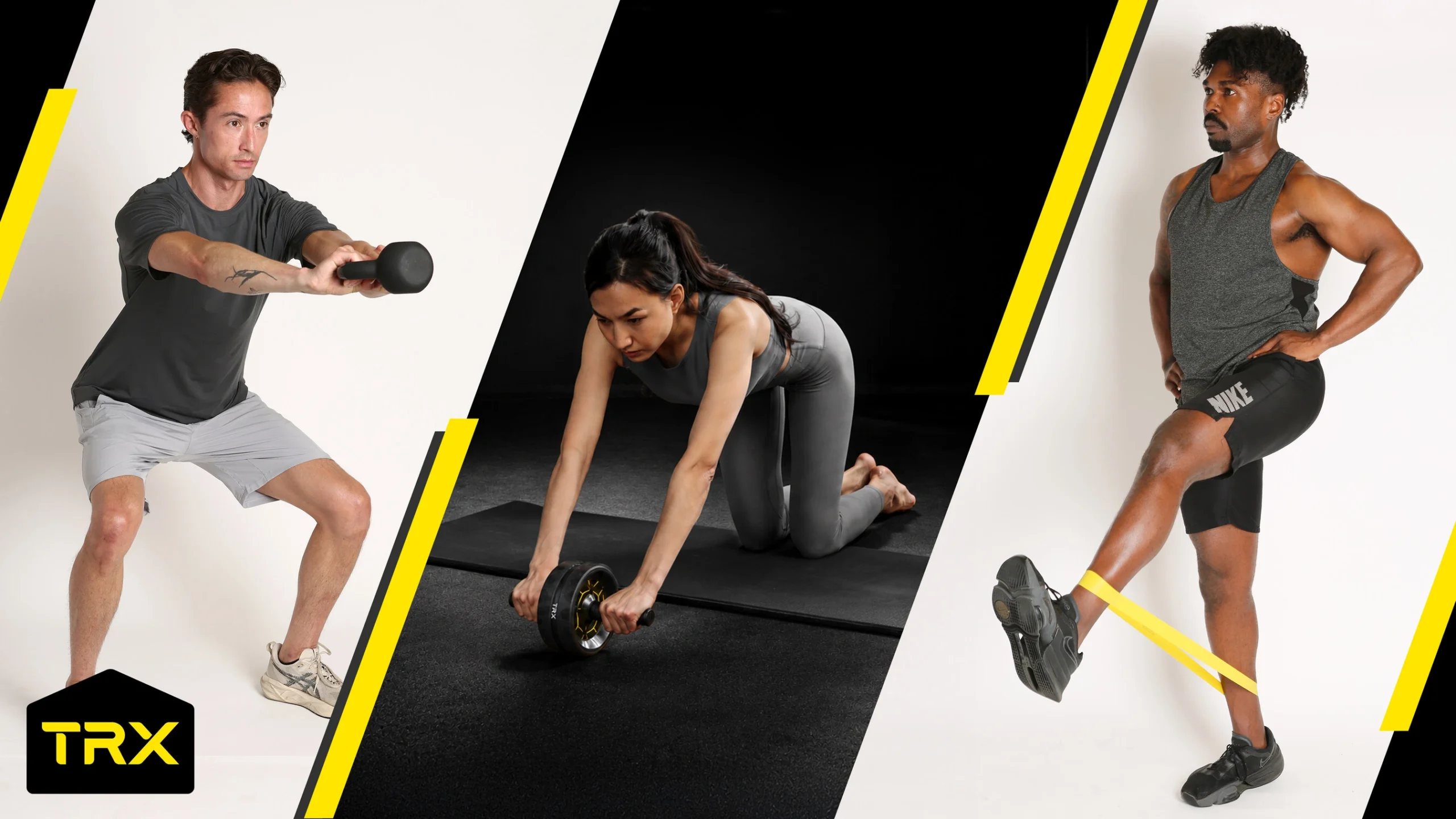
A new partnership with Blulabs signals TRX’s shift beyond gyms and training facilities, reflecting how functional fitness and at-home wellness have become increasingly central to everyday consumer habits.
TRX is taking a significant step beyond its traditional professional fitness audience by partnering with Blulabs to introduce a broad consumer product line into mass retail stores. Long associated with commercial gyms, military training, and athletic performance, the company is expanding into categories that include home fitness equipment, recovery tools, apparel, and accessories, with products scheduled to reach retailers this fall. The move represents more than a product launch; it reflects an effort to make a brand rooted in specialized training more accessible to everyday consumers.
The agreement gives TRX access to Blulabs’ established retail network, which spans more than 25,000 stores, allowing the fitness company to reach shoppers far beyond specialty sporting goods outlets. The new lineup includes kettlebells, adjustable dumbbells, resistance bands, Pilates kits, massage devices, foam rollers, gym bags, and performance apparel. By broadening its portfolio, TRX is positioning itself to participate in the growing consumer demand for versatile fitness products that support workouts, recovery, and active lifestyles both inside and outside the home.
The expansion also mirrors broader changes in the fitness industry that have accelerated over the past several years. Home workouts, hybrid exercise routines, and functional training have become lasting habits for many consumers, creating demand for equipment that is portable, adaptable, and suitable for a wide range of fitness levels. TRX already has an established reputation through its Suspension Trainer system, with more than three million units sold globally, and the company says its training approach has been supported by peer-reviewed research examining health and athletic performance outcomes.
Competition in the consumer fitness market remains intense, with established sporting goods brands, digital fitness companies, and wellness-focused retailers all seeking a share of growing demand. Even so, TRX’s decision to extend its presence into mainstream retail highlights how established professional fitness brands are adapting to a market where consumers increasingly expect commercial-grade equipment to be available for personal use. Rather than focusing solely on athletes and trainers, the company is betting that functional fitness has evolved from a niche training philosophy into a mainstream category that continues to shape how people approach exercise and recovery at home.