The move signals a shift as niche, science-backed supplements targeting women’s cognitive health move from direct-to-consumer roots into mainstream retail visibility and everyday shopping routines
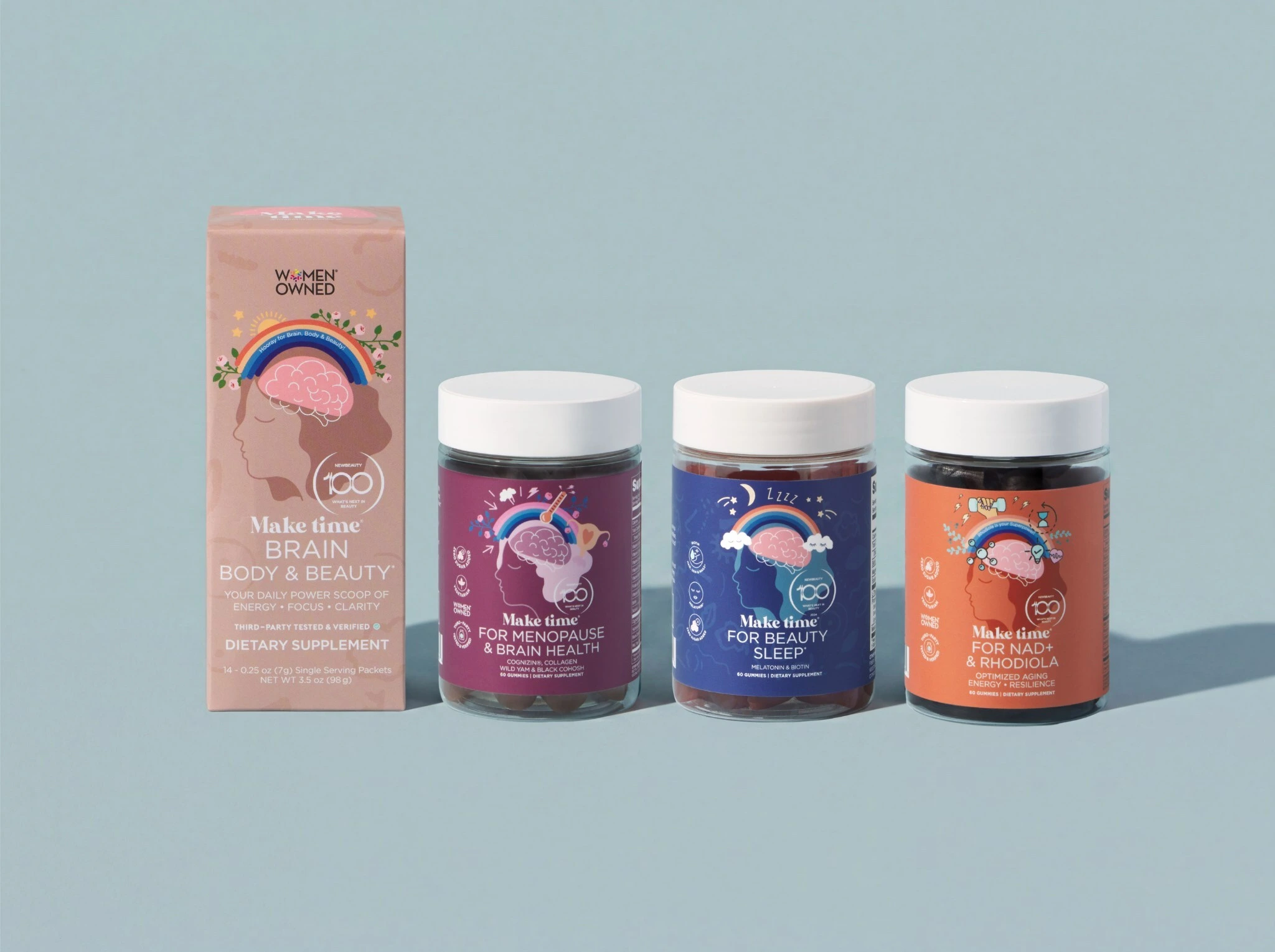
Make Time Wellness is entering national retail through a rollout in select Target stores, marking a notable step in the evolution of brain health products from niche offerings to more widely accessible consumer goods. The expansion reflects both the company’s growth ambitions and a broader shift in how wellness brands are reaching audiences beyond digital-first channels.
The brand’s product lineup is centered on cognitive health, with formulations designed to address concerns such as menopause-related brain fog, energy, and focus. Built around ingredients like NAD+, Rhodiola, and citicoline, the products aim to respond to a growing demand for supplements that move beyond general wellness toward more targeted, function-specific support. This approach aligns with a wider consumer trend favoring solutions framed as addressing underlying causes rather than surface-level symptoms.
What distinguishes this expansion is its emphasis on women’s brain health, an area that has historically received less visibility in mainstream wellness conversations. By bringing these products into a large retail environment, the company is effectively testing whether topics like cognitive decline, hormonal shifts, and mental clarity can become part of everyday consumer dialogue. The move suggests that once-specialized health concerns are increasingly being normalized within broader retail ecosystems.
The partnership with a major retailer also highlights how distribution strategies are changing for emerging wellness brands. Direct-to-consumer models have allowed companies to build early traction, but scaling often requires integration into physical retail spaces where discovery happens more organically. Placement in a widely visited store environment introduces the brand to consumers who may not actively seek out brain health solutions but are open to exploring them when presented alongside familiar categories.
More broadly, the expansion underscores how the wellness industry continues to fragment into more personalized segments. As consumers look for products tailored to specific life stages and health experiences, companies are responding with increasingly specialized offerings. Whether these products can maintain credibility and deliver measurable benefits at scale remains an open question, but their growing presence in mainstream retail suggests that personalized wellness is becoming a defining feature of the category.