The Franklin County Visitors Bureau’s annual living history event blends historical interpretation, community celebration, and remembrance of the 1864 burning that forever shaped Chambersburg’s identity.
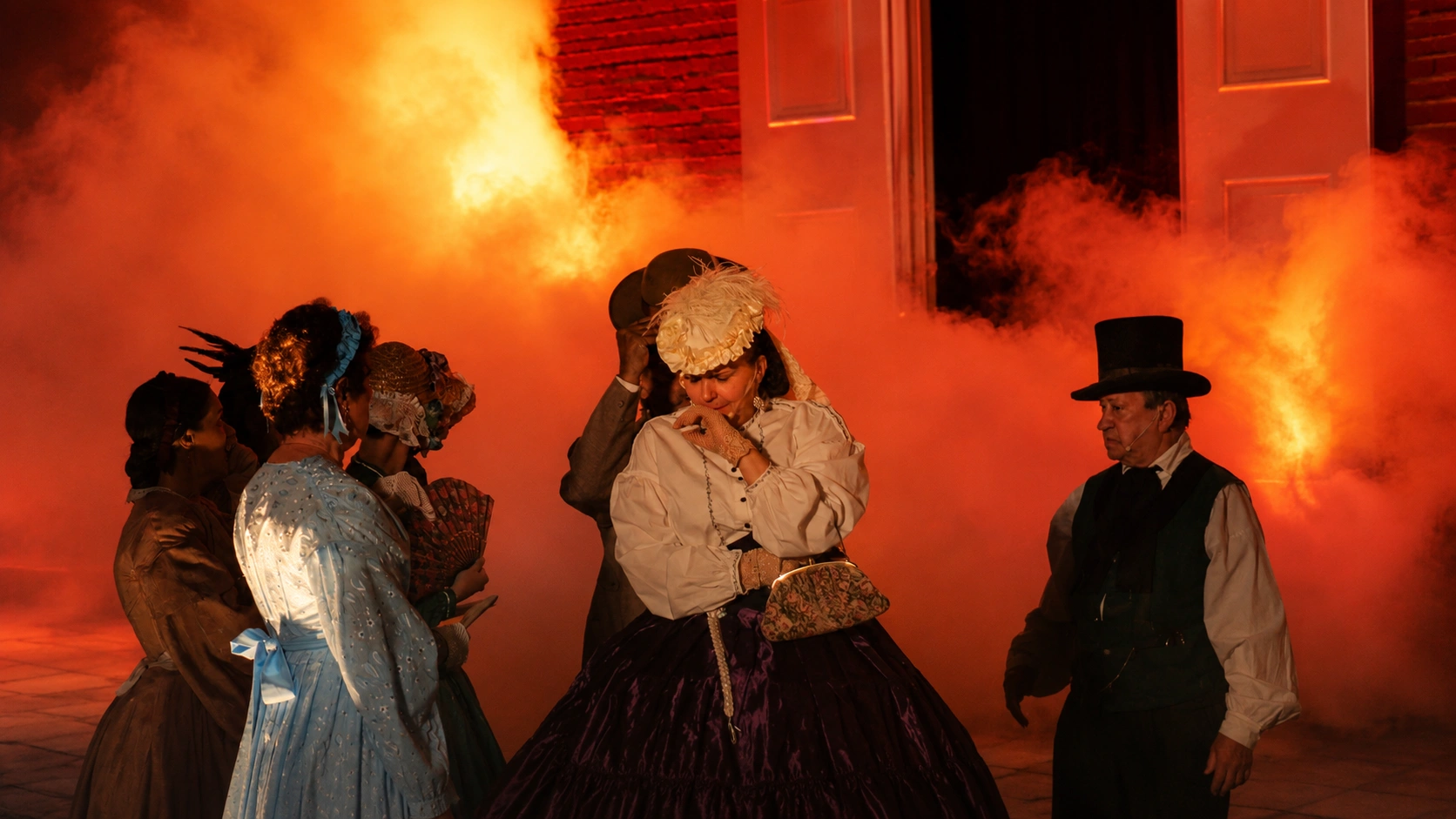
The Franklin County Visitors Bureau is once again inviting residents and visitors to reflect on one of the most significant moments in Pennsylvania’s Civil War history through its annual 1864 Ransoming, Burning & Rebirth of Chambersburg event on July 18. The program centers on the Confederate raid that culminated in the burning of Chambersburg on July 30, 1864, an event that left much of the town destroyed and made it the only major Northern community intentionally burned during the Civil War. Rather than presenting history solely through exhibits or lectures, the event recreates the experience with dramatic lighting, sound, and atmospheric effects that immerse audiences in the story of both devastation and recovery.
The day’s activities extend well beyond the evening reenactment, transforming downtown Chambersburg into a community-wide celebration of local history and culture. Old Market Day opens the festivities with local artisans, food vendors, music, and family activities, while the Franklin County Visitors Center will feature a patriotic quilt display celebrating American craftsmanship. Visitors can also explore sites that connect directly to the town’s past, including an open house at the historic Masonic Temple and exhibits at the Broad Street Fire Museum highlighting the history of local firefighting.
As the afternoon transitions into evening, the schedule broadens to include horse-and-wagon rides, a historical presentation examining abolitionist John Brown’s connections to Franklin County, and the finals of a local acoustic music competition. These activities underscore the event’s broader purpose: creating a gathering that celebrates the community as it exists today while acknowledging the events that shaped it more than 160 years ago.
The reenactment itself begins after sunset in Memorial Square, where actors, narration, lighting, and special effects recreate the Confederate ransom demand, the destruction of the town, and its eventual rebuilding. Rather than emphasizing military spectacle, the presentation focuses on the experiences of ordinary residents and the resilience that followed. By concluding with the symbolic restoration of light to the square, the performance shifts its attention from loss to recovery.
Across the United States, communities continue to explore new ways of interpreting difficult chapters of local history. Chambersburg’s annual portrayal illustrates how living history can preserve historical memory while strengthening civic identity, reminding audiences that the story of a place is shaped not only by moments of tragedy but also by the determination to rebuild in their aftermath.