
New booking data from Global Travel Collection suggests affluent travelers are rethinking when and where they vacation, favoring quieter seasons, private stays, and emerging destinations over crowded hotspots.
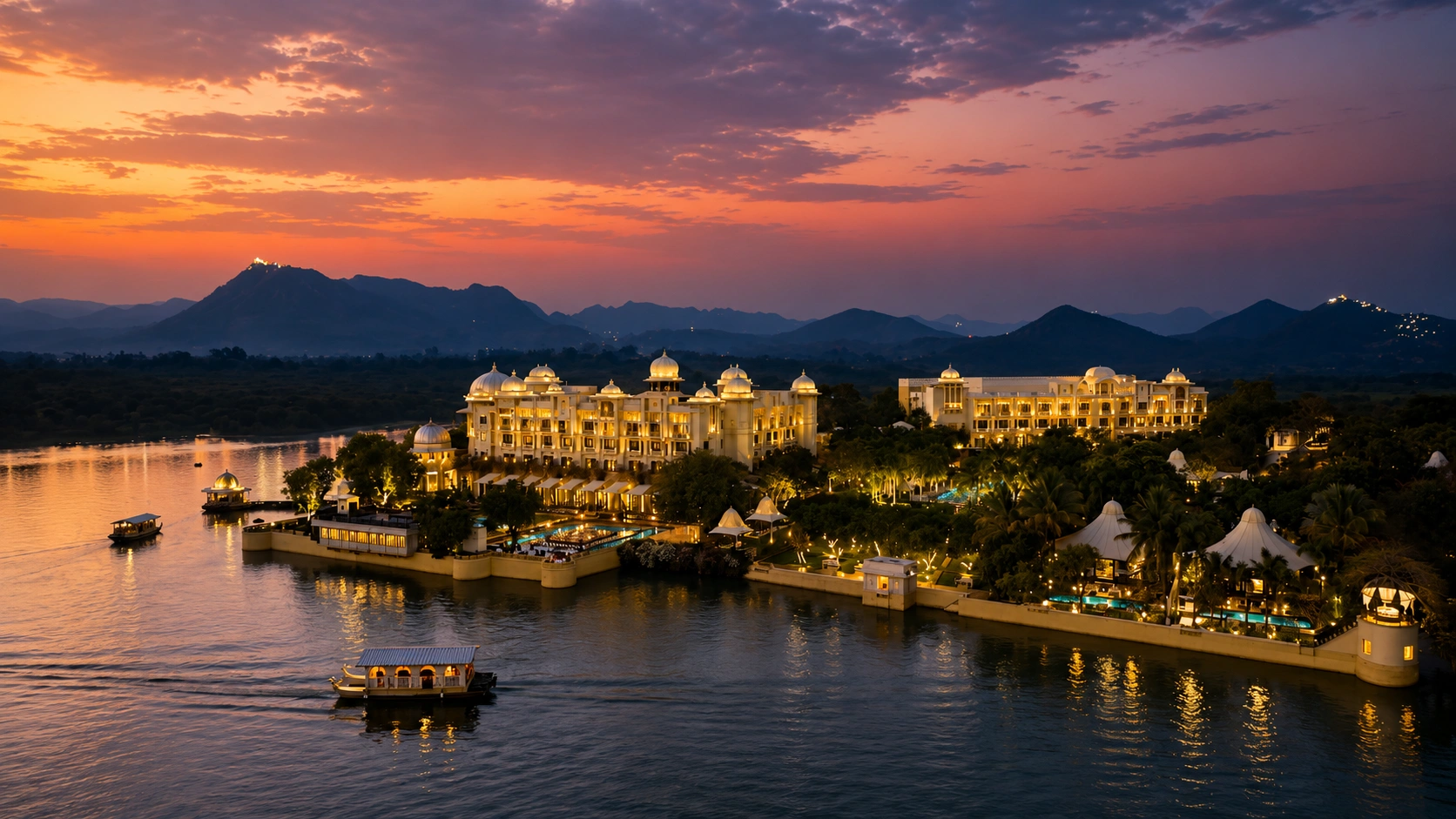
Global Travel Collection says luxury travel in 2026 is becoming less about following established itineraries and more about avoiding them. Drawing on its latest booking data, the travel advisory network reports that affluent travelers are increasingly choosing quieter seasons, cooler climates, and less crowded destinations instead of traditional summer hotspots. The shift reflects changing priorities among high-end travelers who appear to value flexibility, exclusivity, and a more personalized experience over the prestige of visiting the most popular locations at peak times.
One of the clearest changes is the growing appeal of Europe’s shoulder season. According to the company’s data, bookings for European travel in the fall have risen by 25 percent year over year, while summer bookings have declined by 10 percent. Rather than competing for reservations during the busiest weeks, travelers are opting for milder weather, fewer visitors, and easier access to sought-after hotels, restaurants, and cultural attractions. The trend suggests that timing has become as important as destination when planning premium travel experiences.
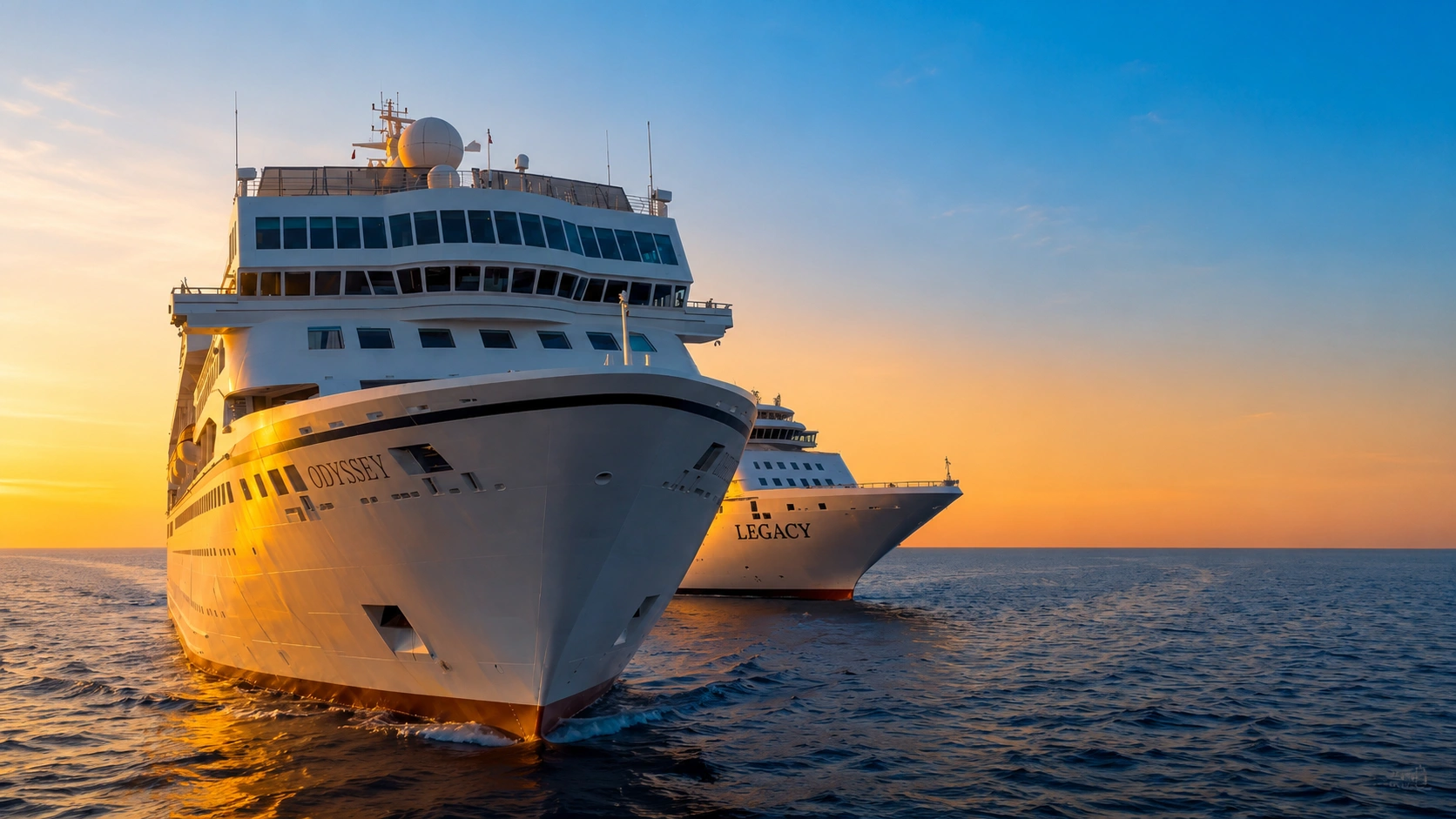
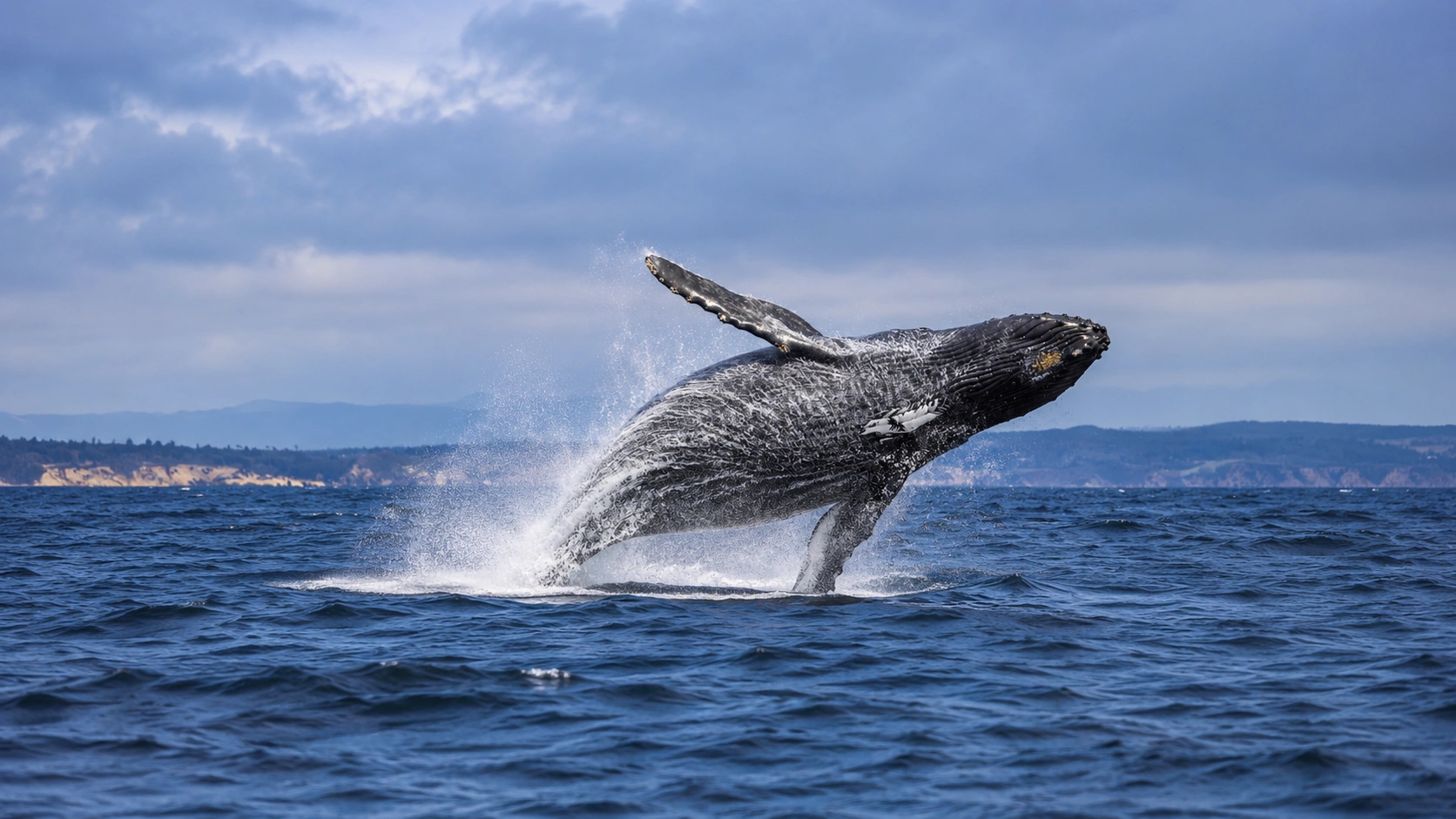
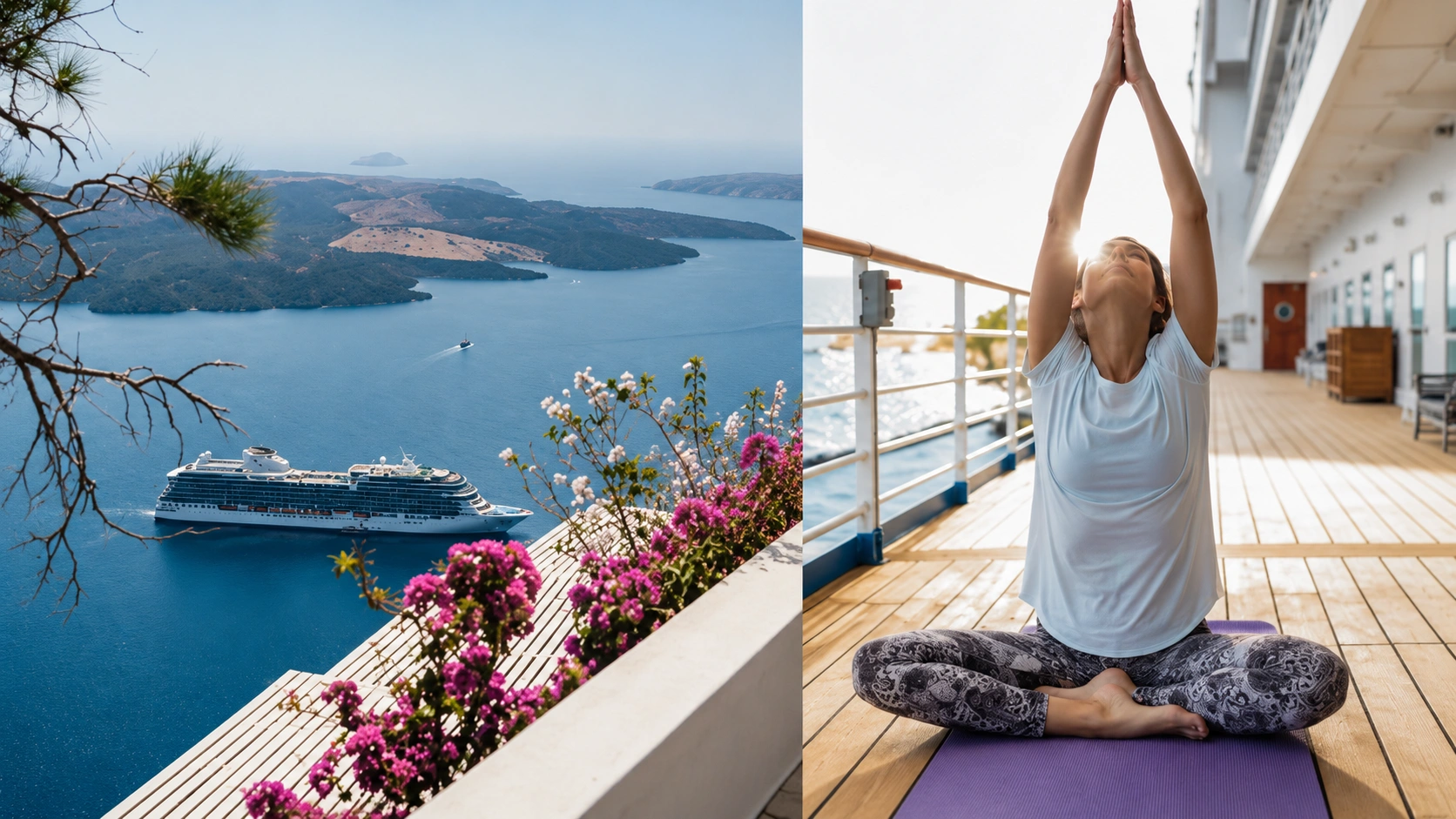
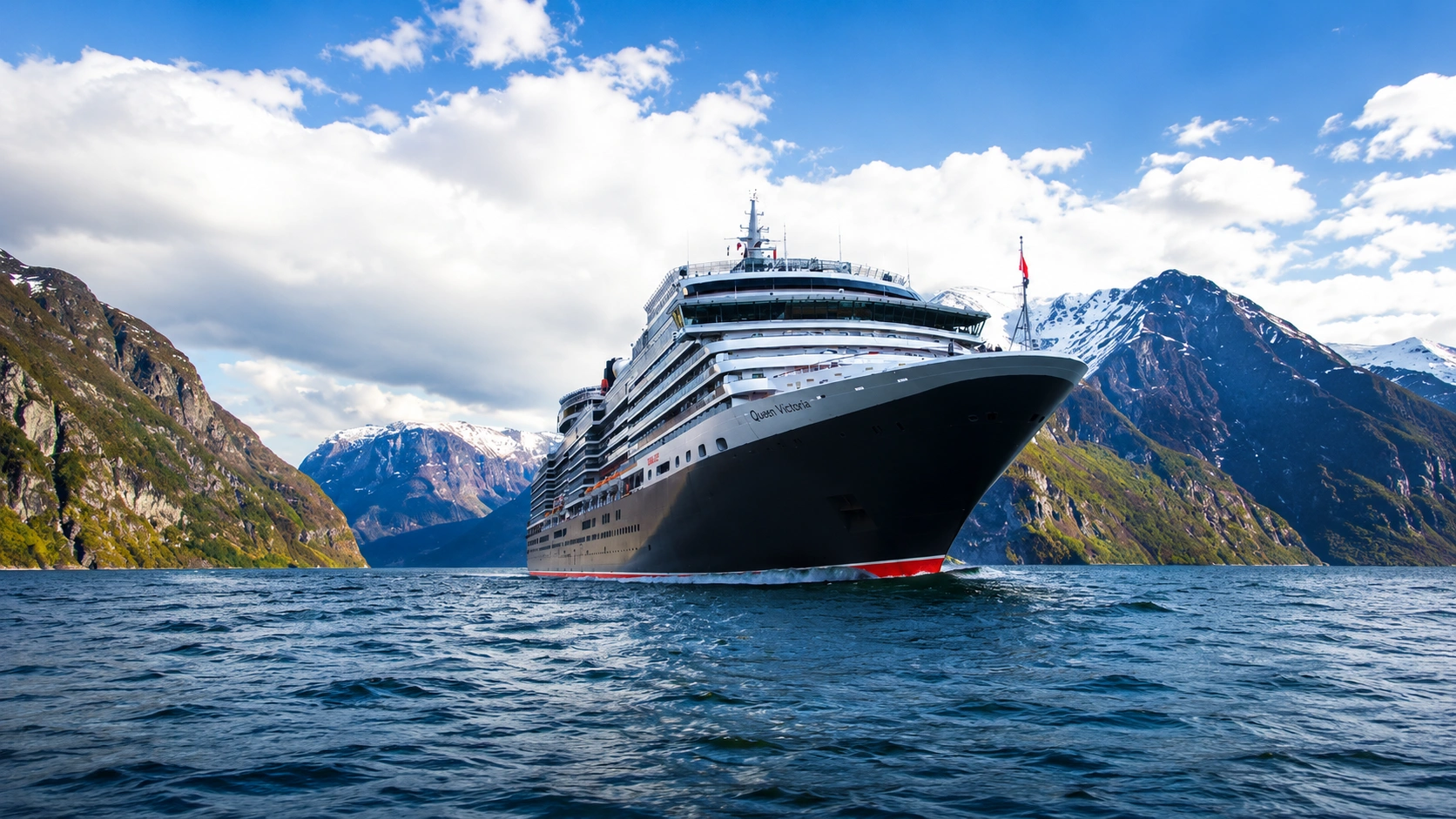
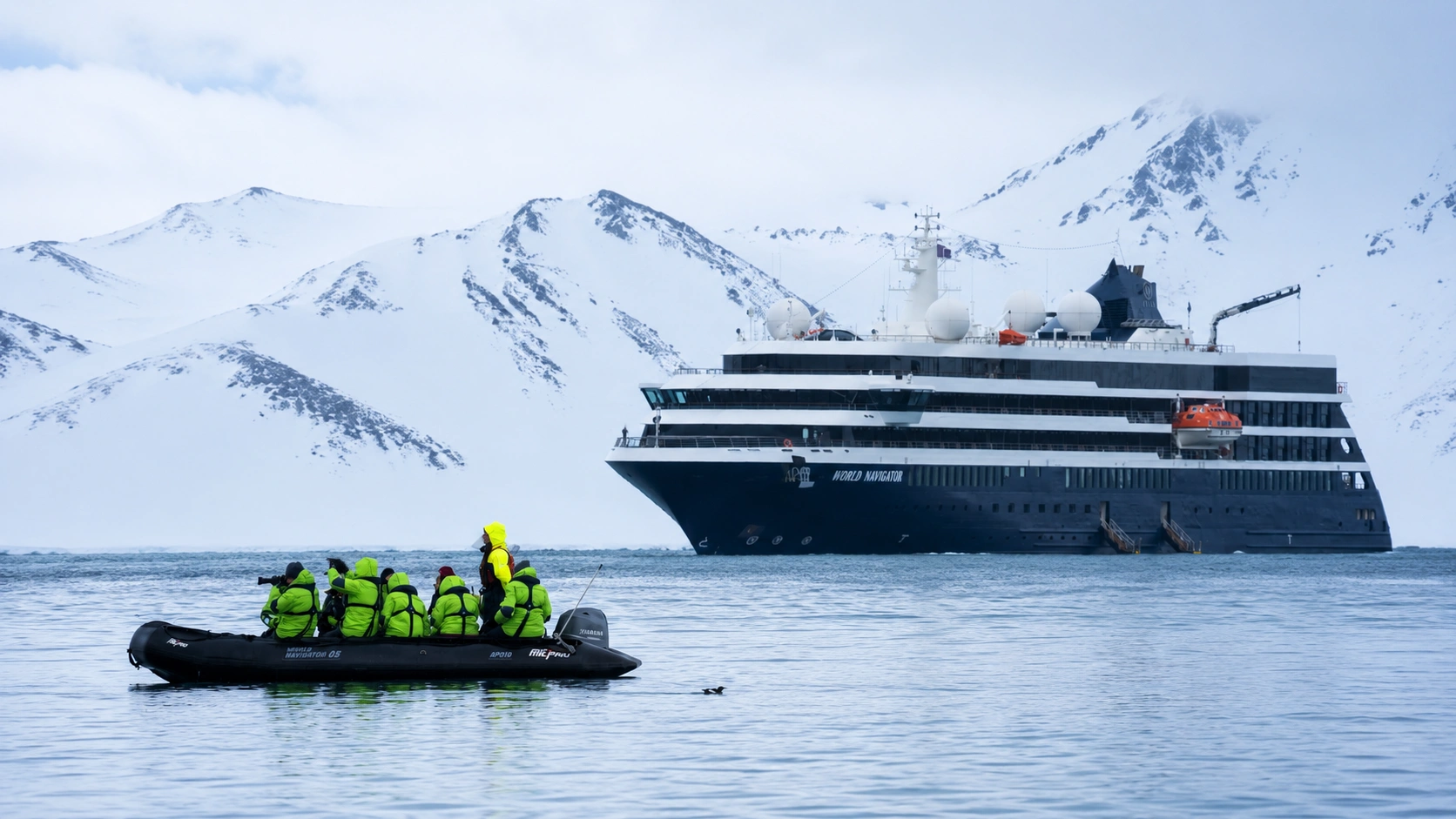
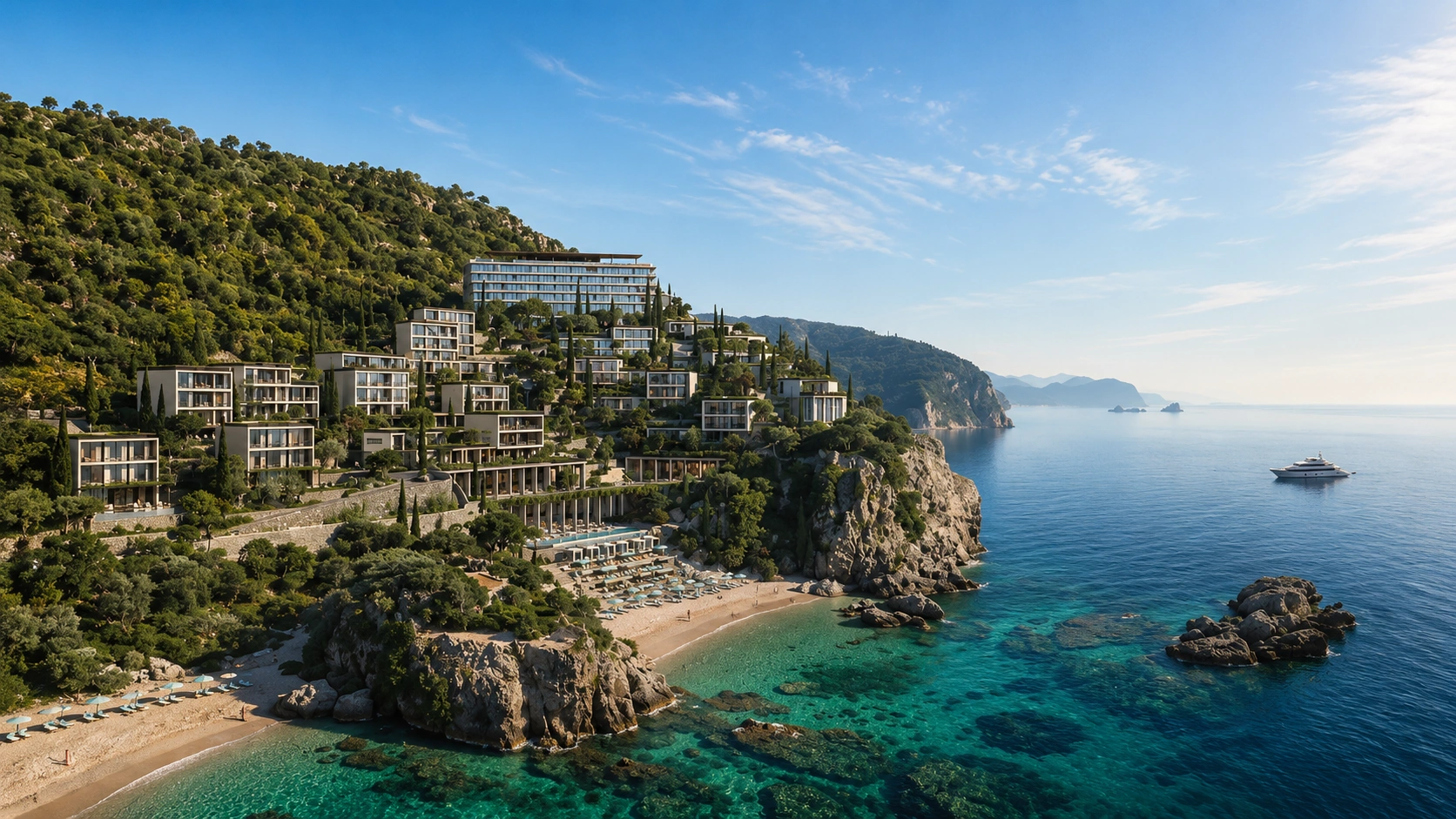
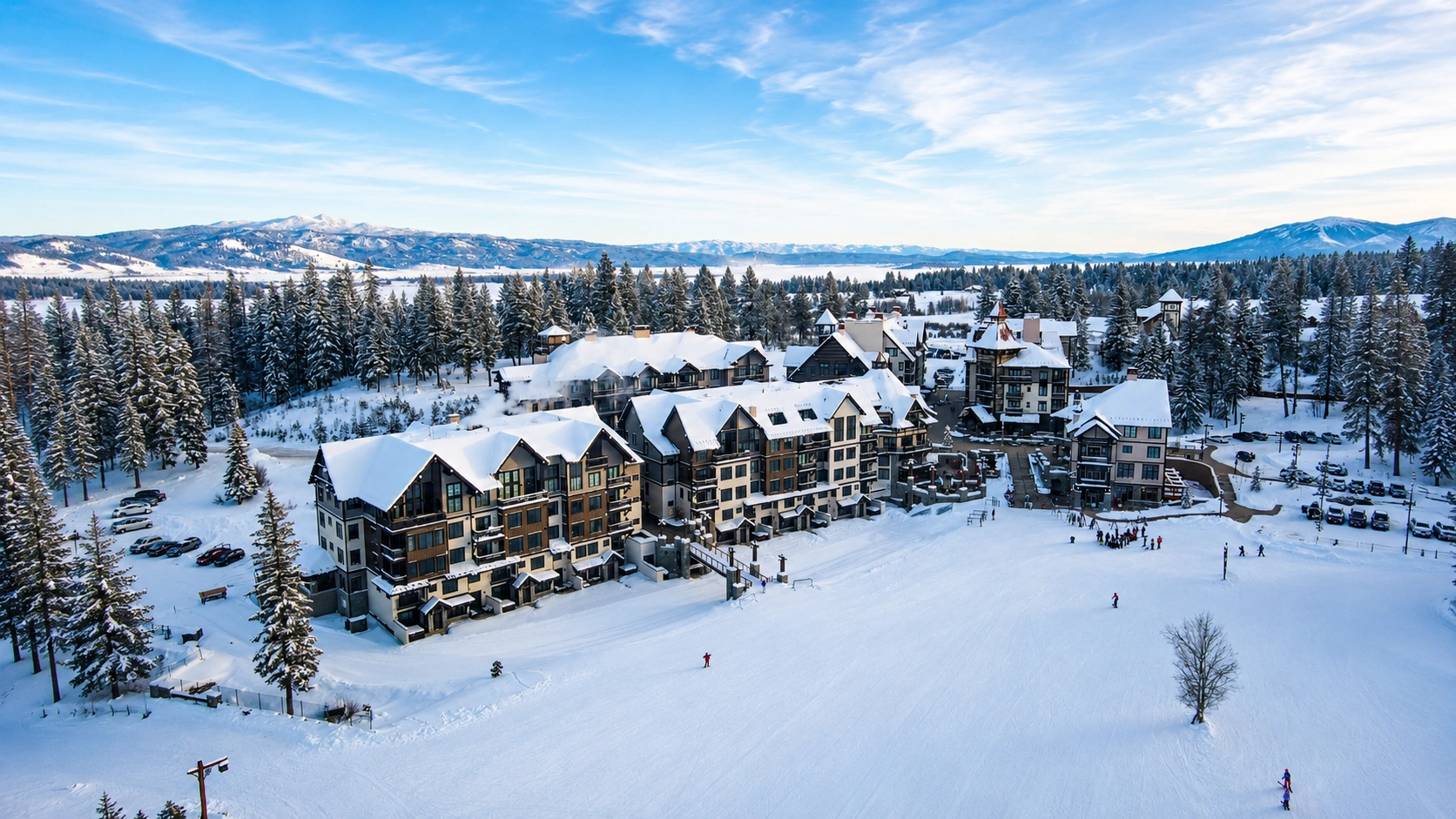
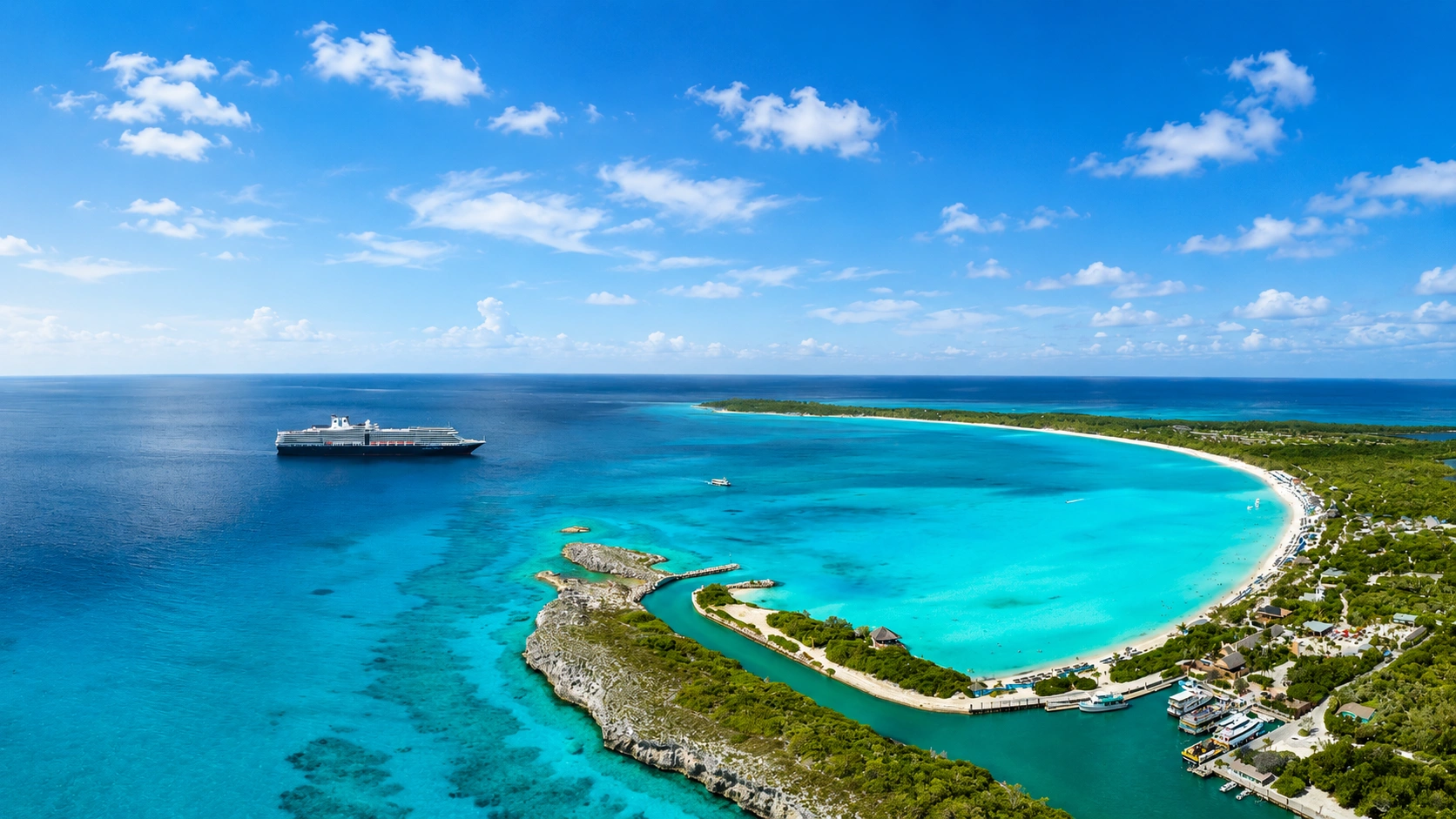
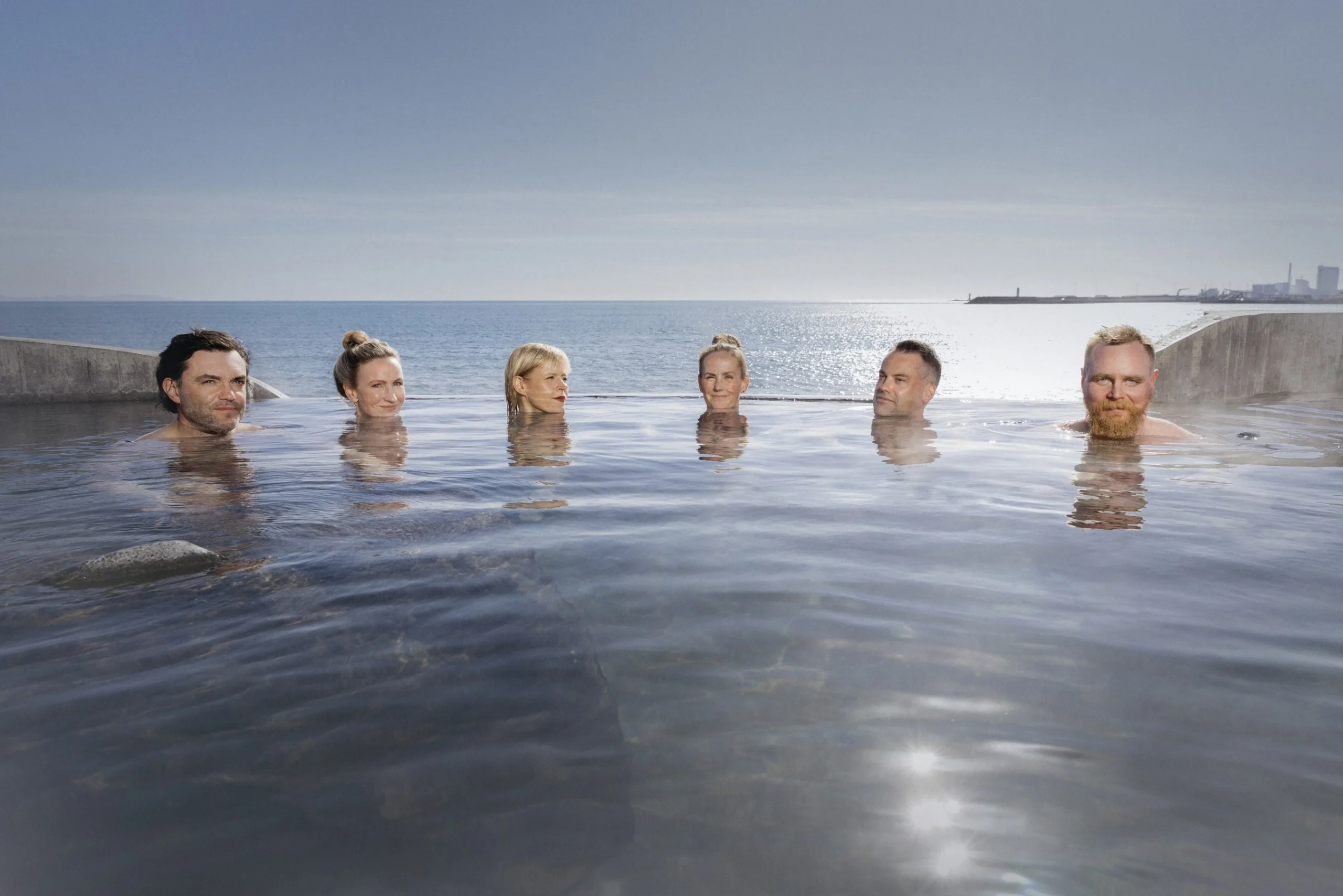
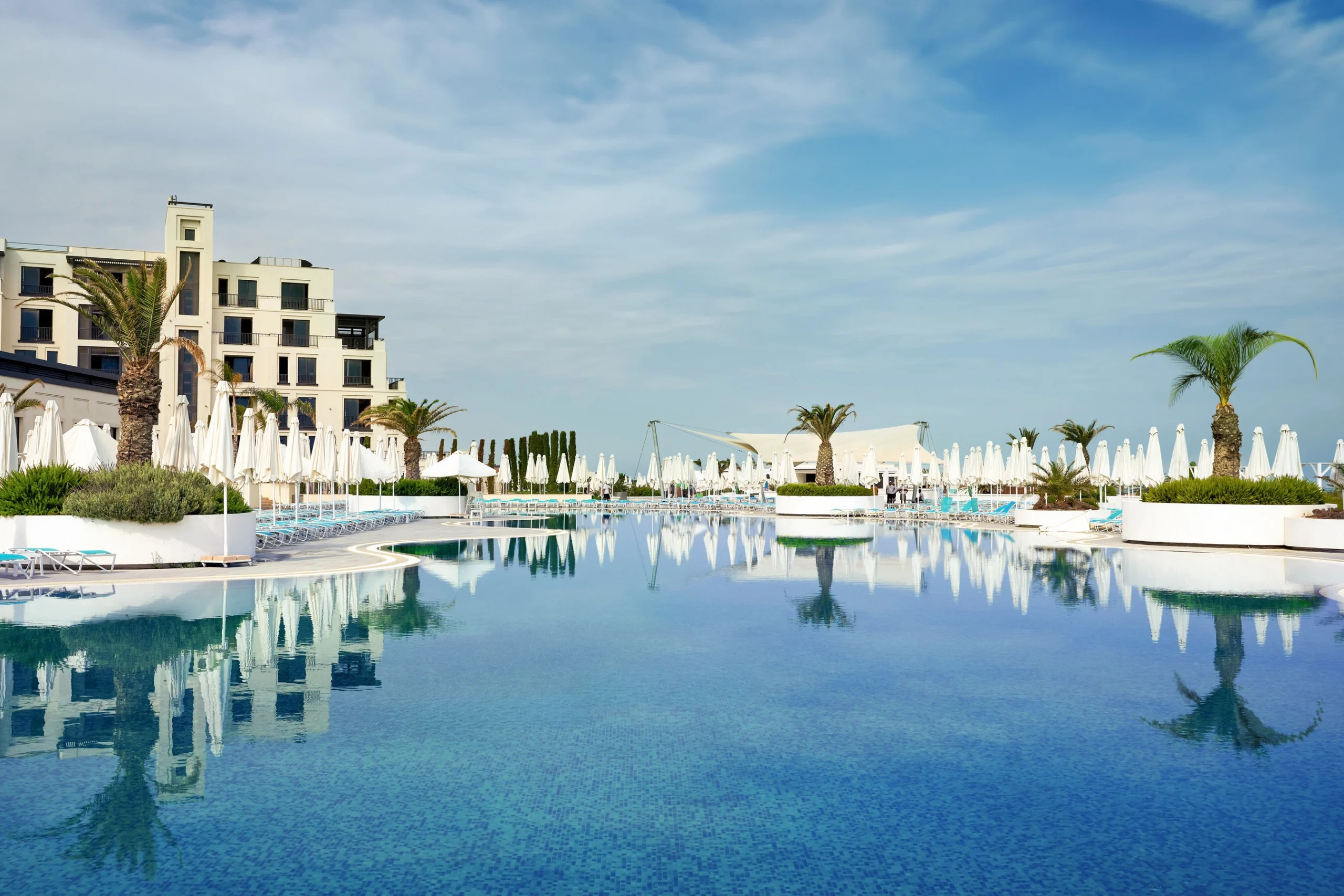
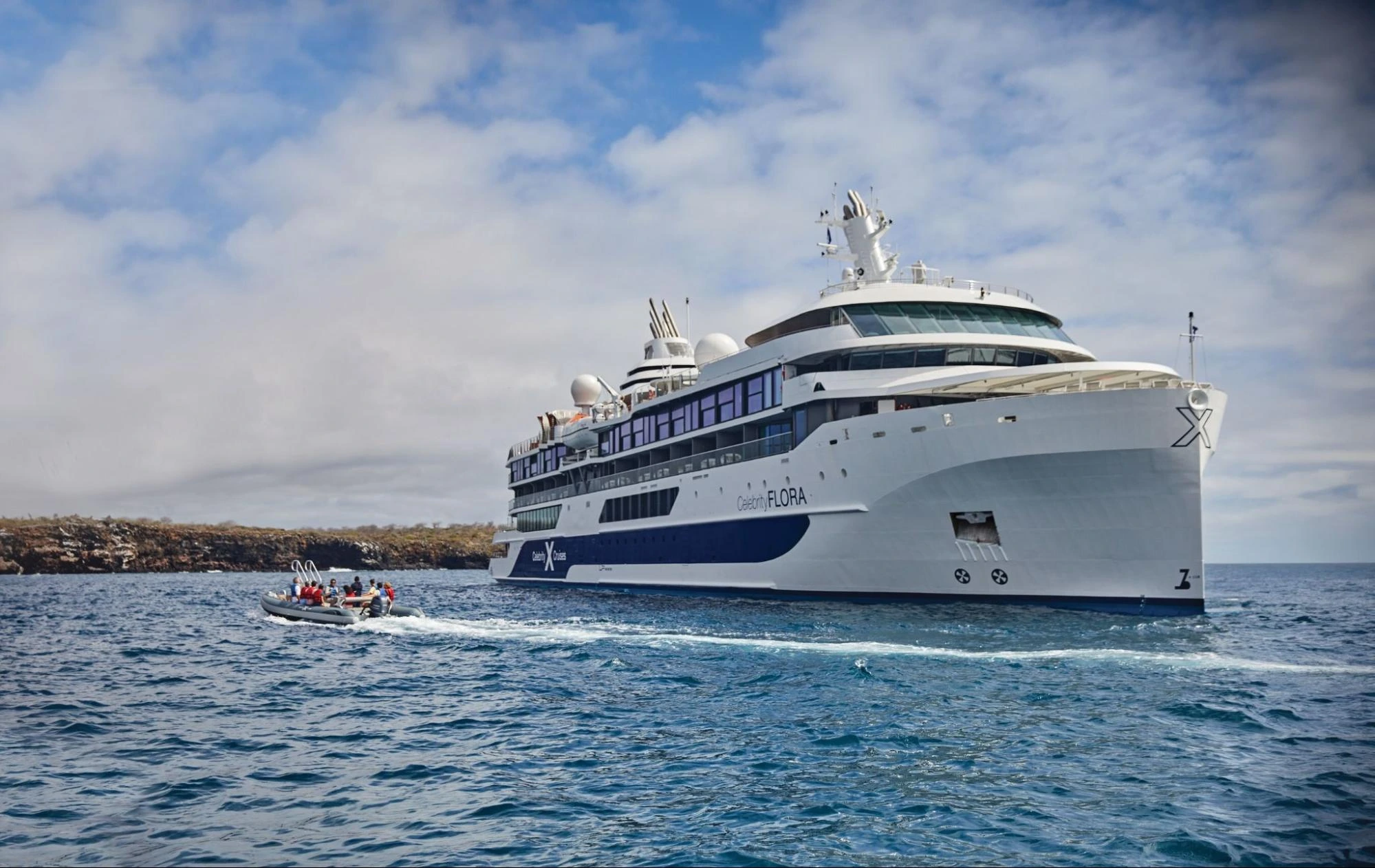
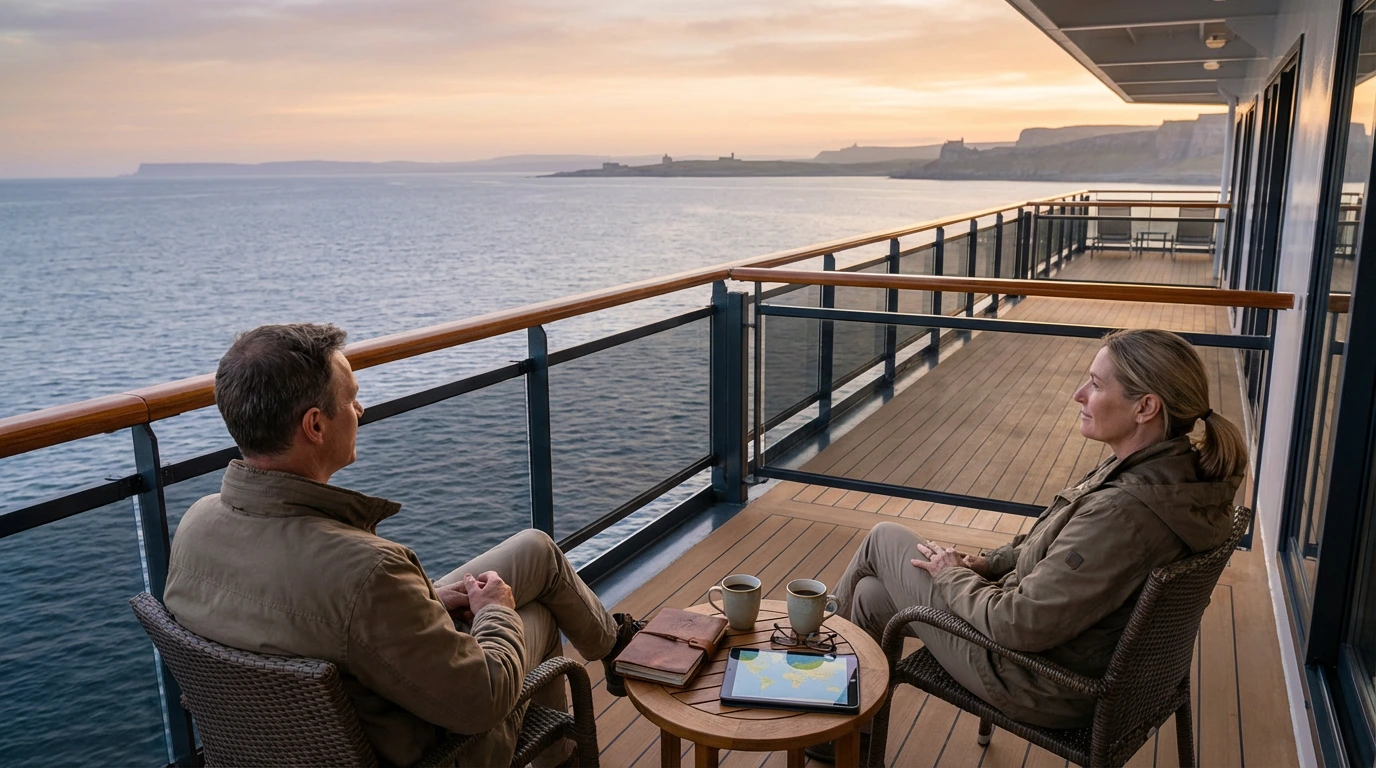
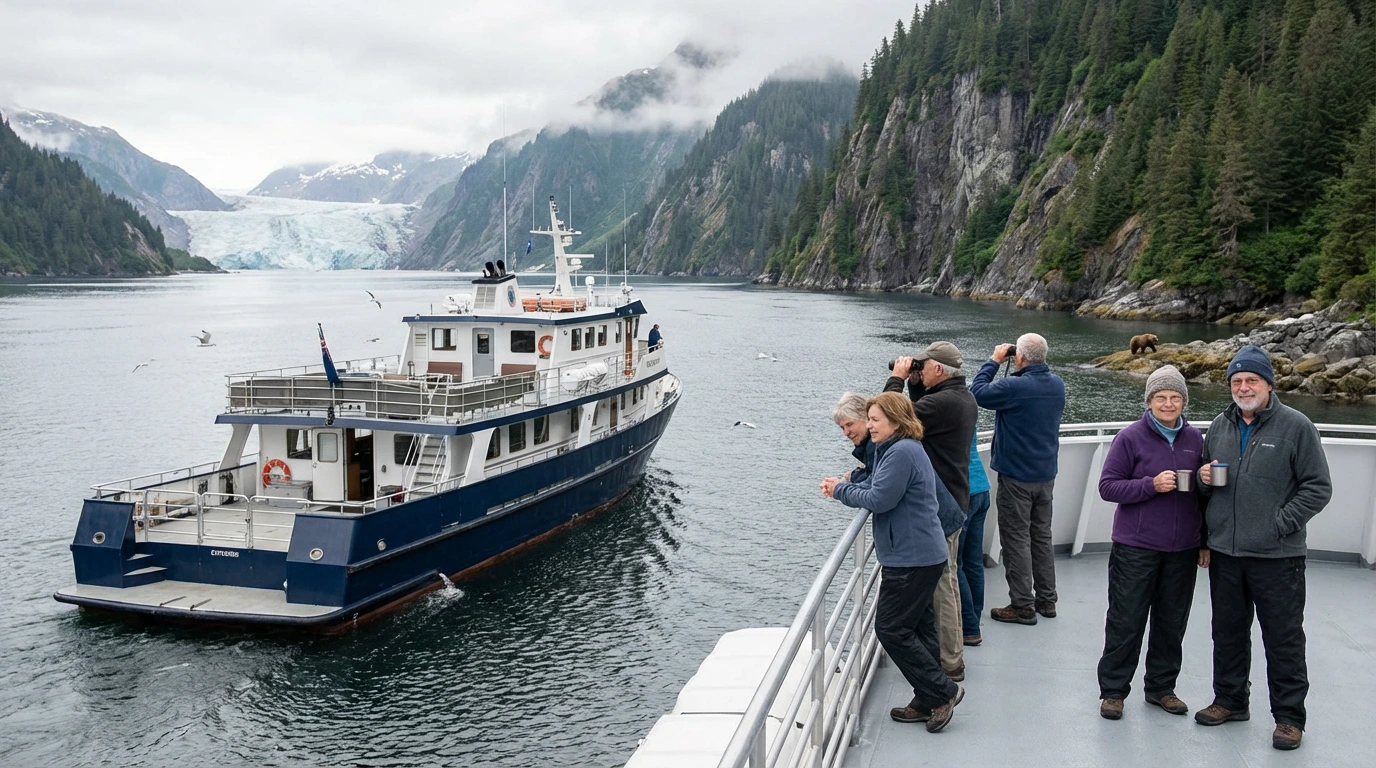
The destinations themselves are evolving as well. While the Mediterranean remains a cornerstone of luxury tourism, travelers are increasingly looking beyond heavily visited locations such as the Amalfi Coast and Santorini. Croatia, Montenegro, Albania, and quieter parts of Greece are attracting greater attention, offering similar coastlines and cultural experiences with fewer crowds. At the same time, colder regions—including Greenland and parts of Northern Europe—are emerging as desirable destinations, with Arctic lodges, expedition cruises, and nature-focused wellness experiences appealing to travelers seeking something different from the traditional beach holiday.
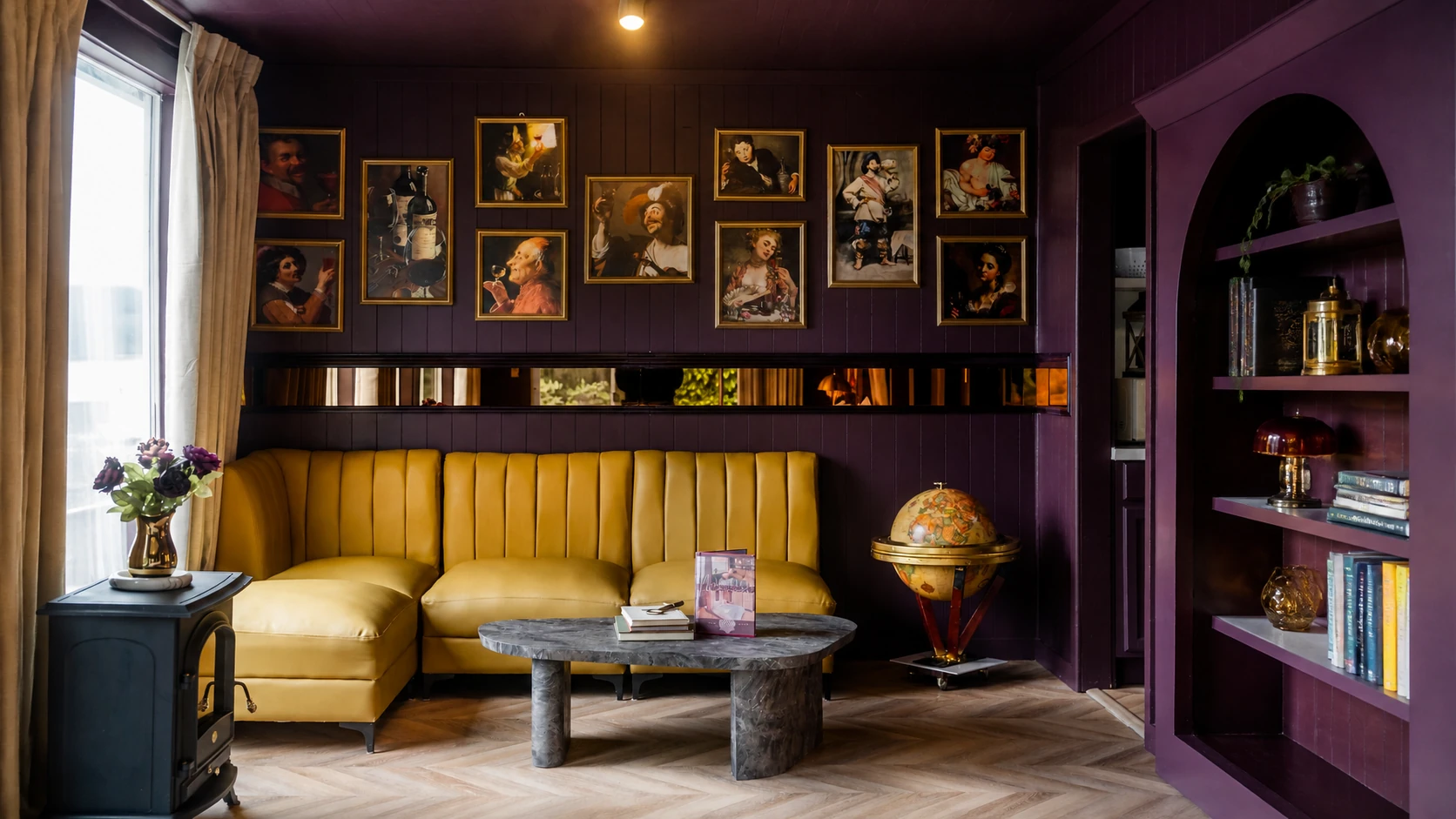
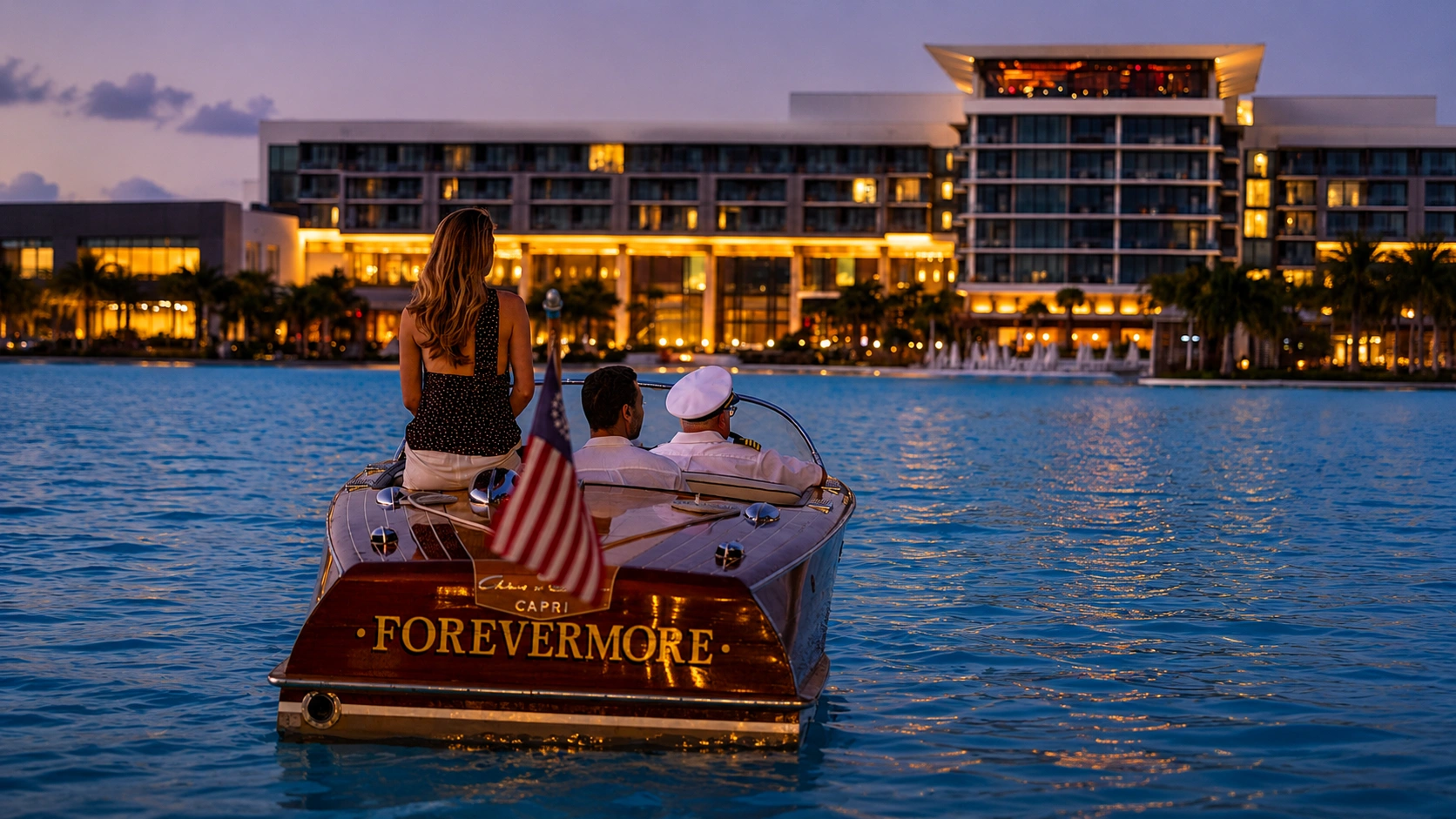
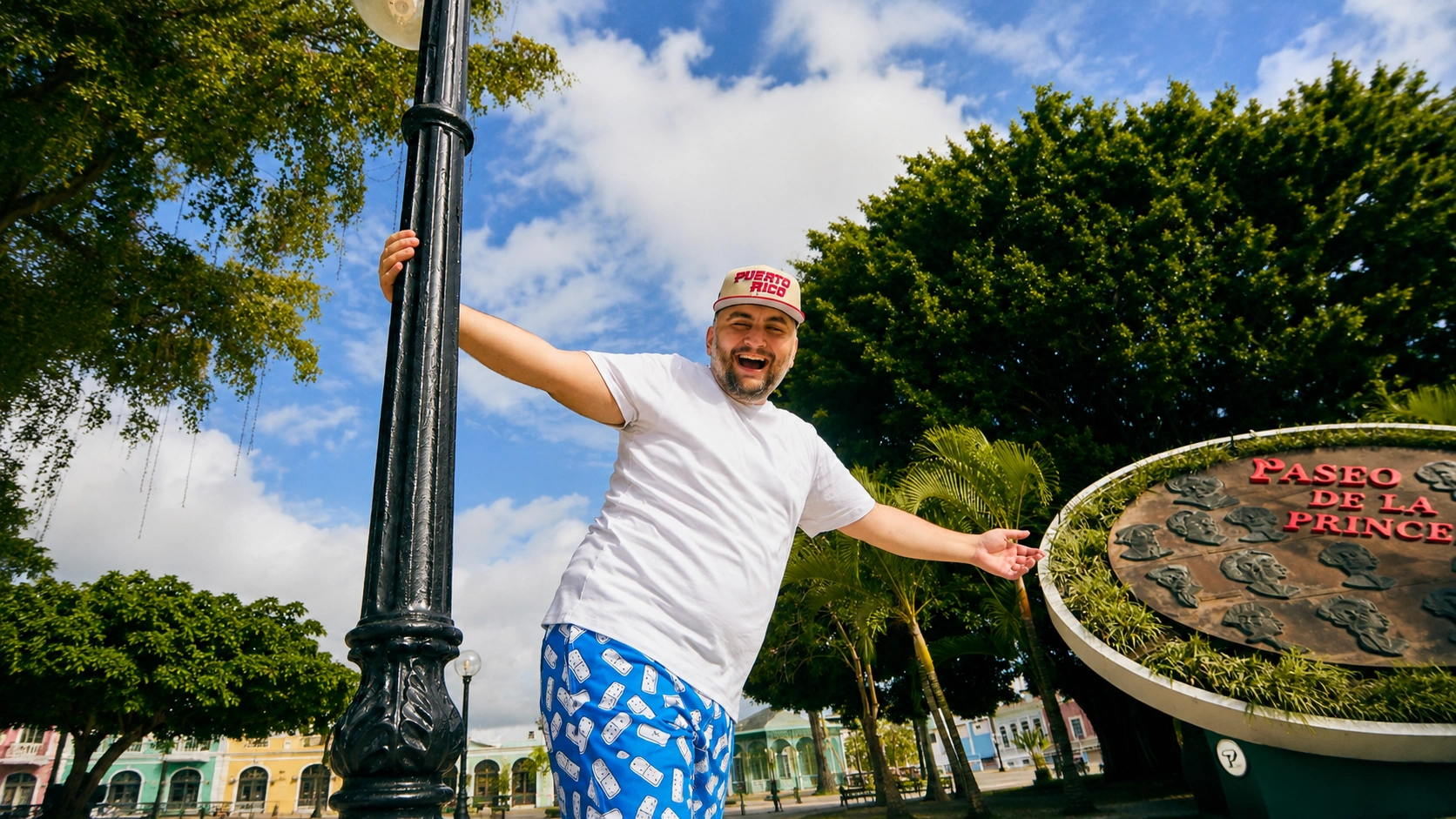
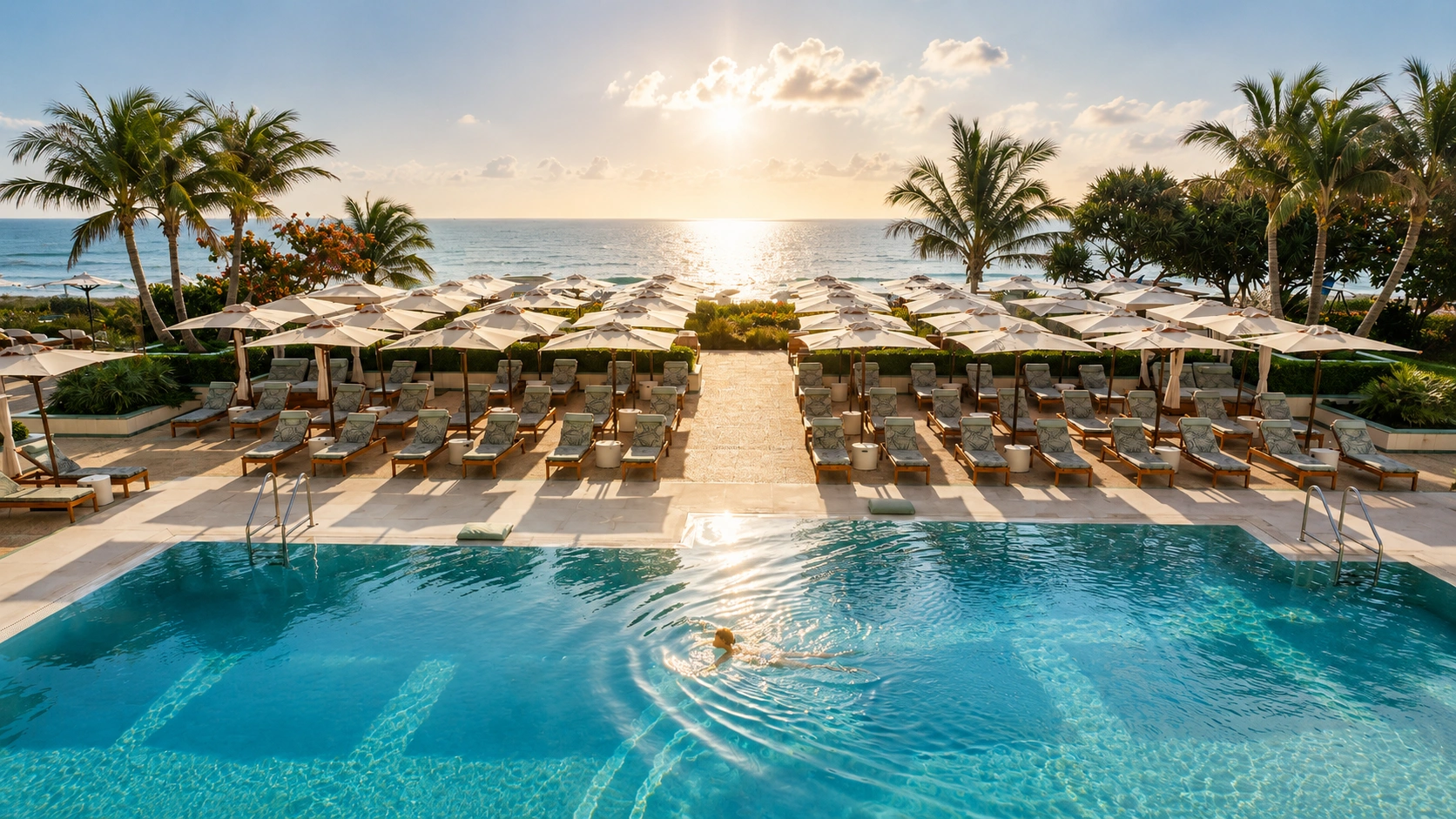
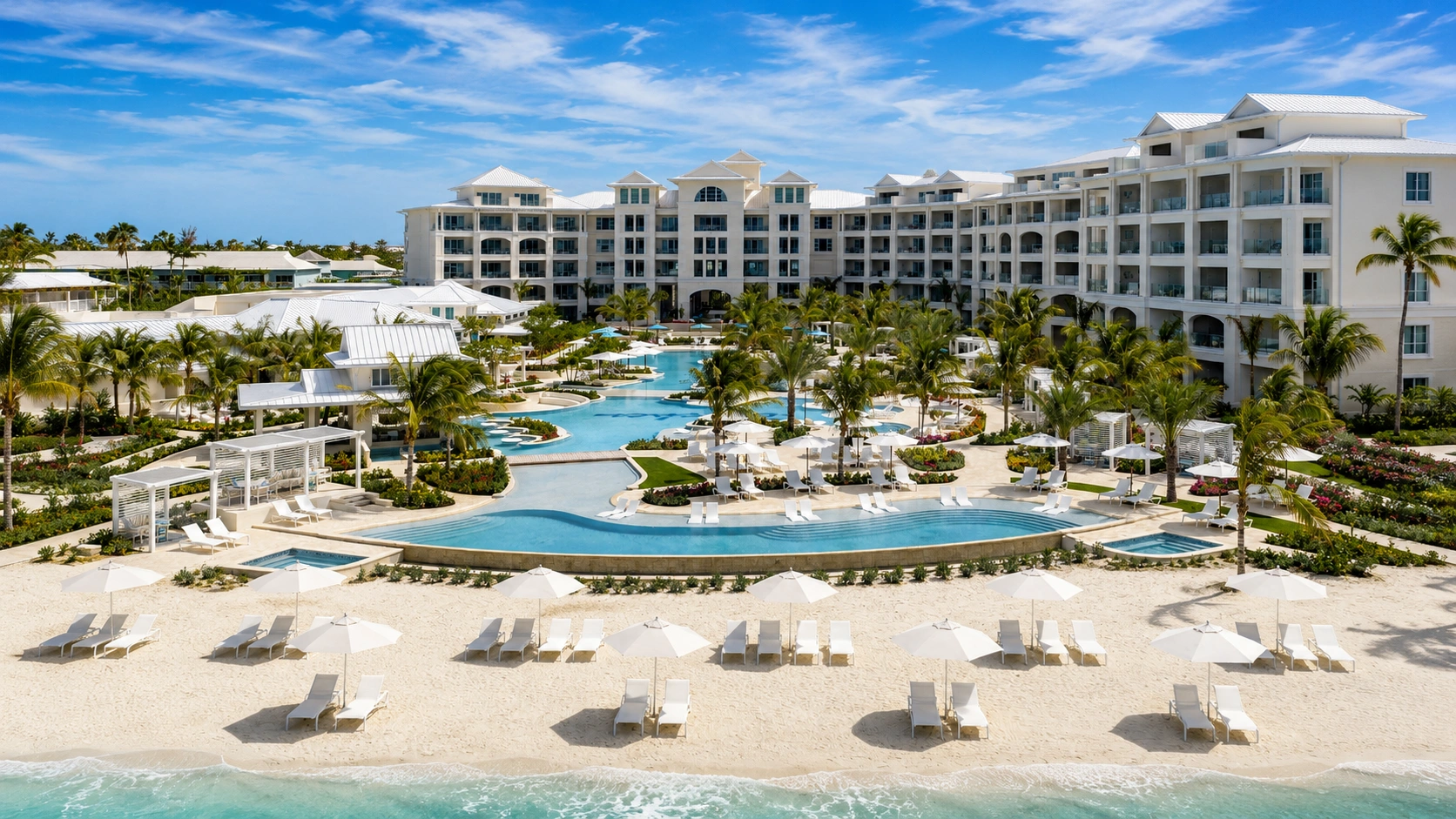
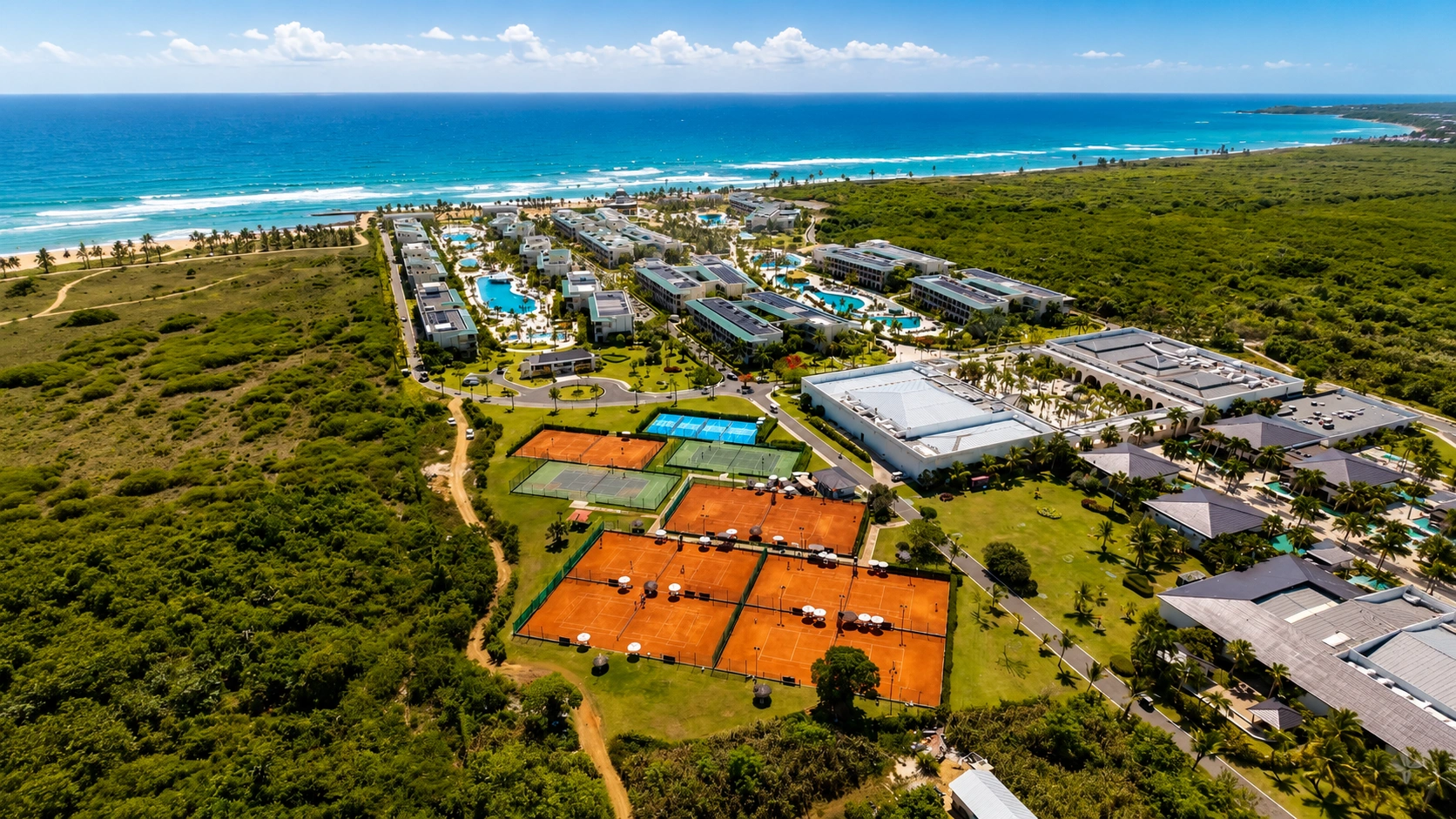
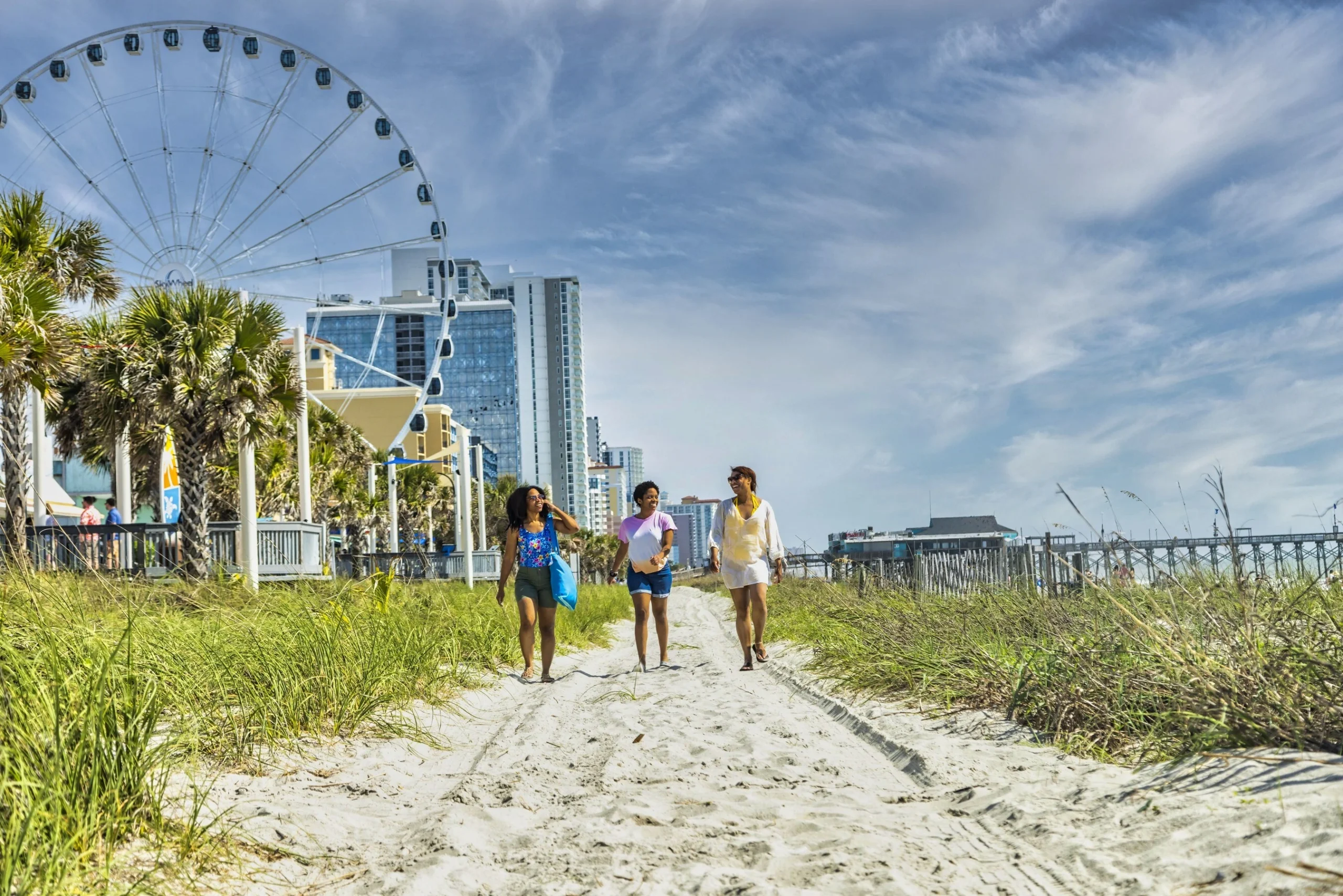
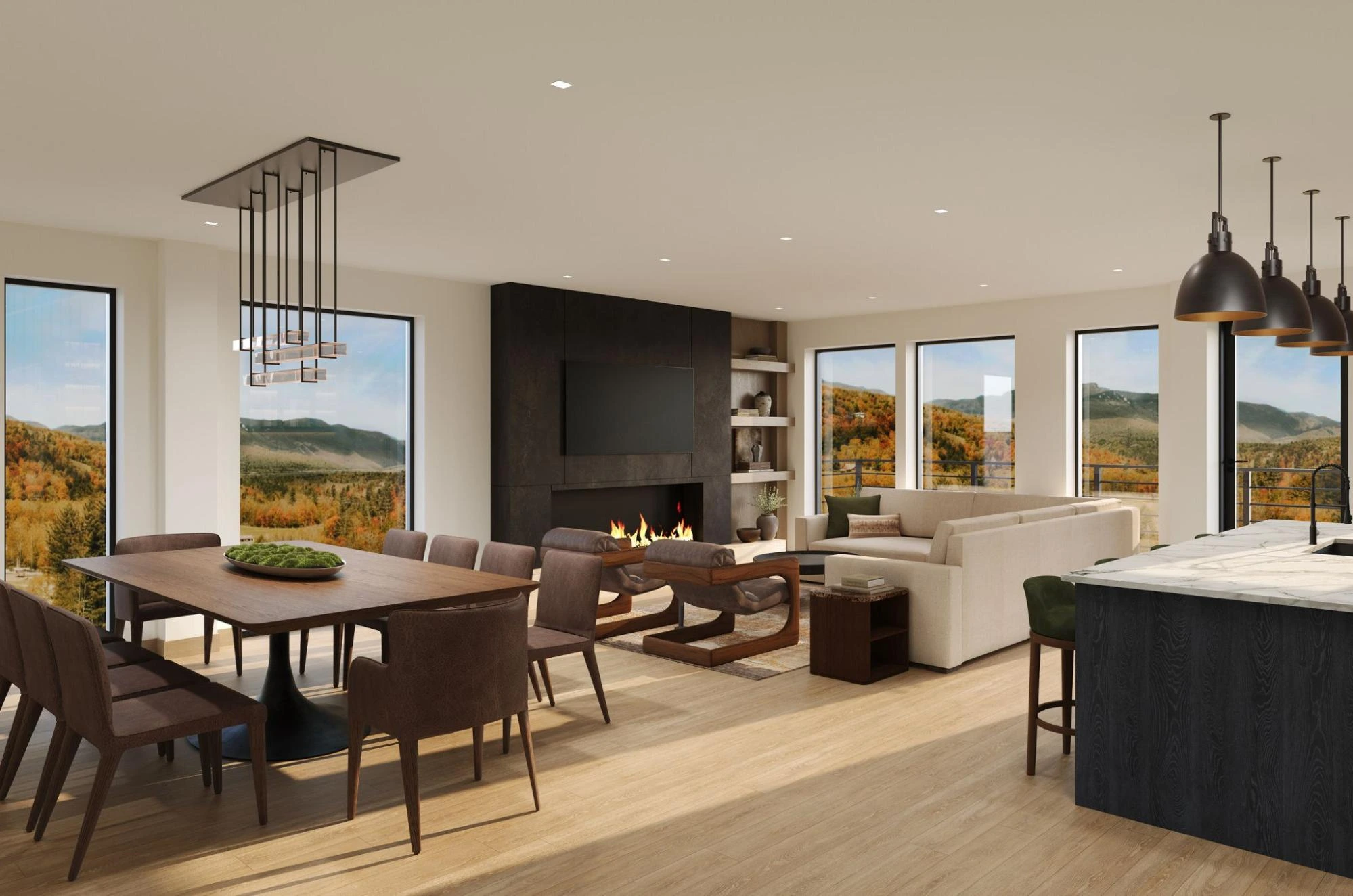
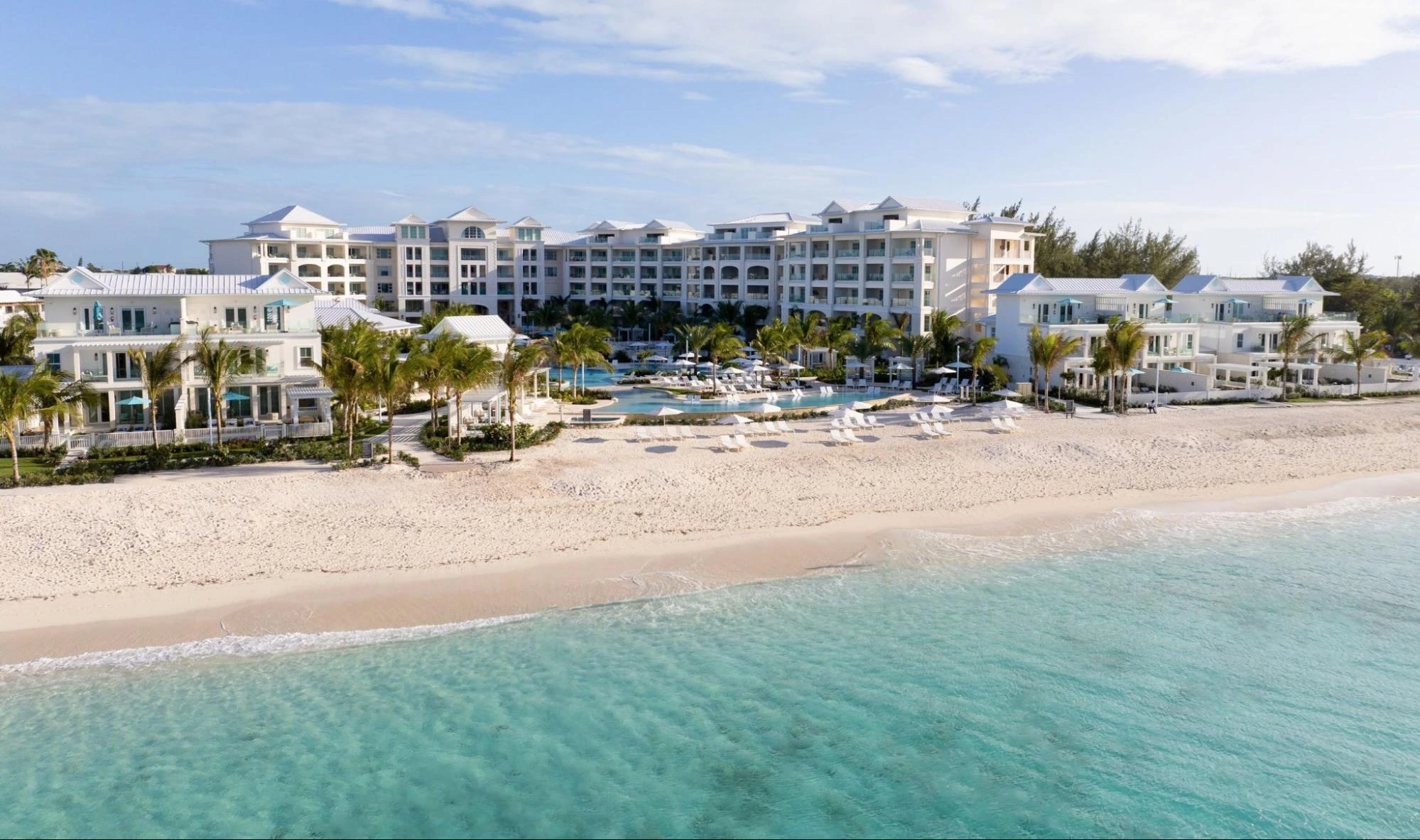
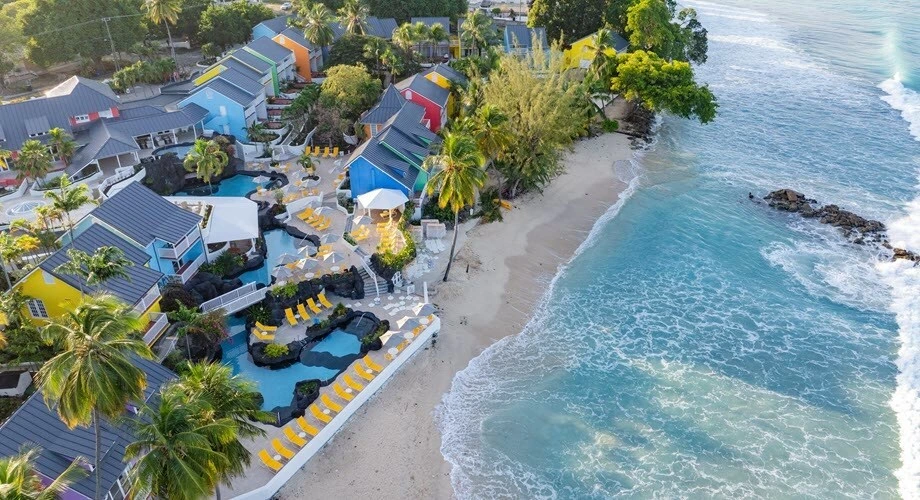
The report also points to a growing preference for privacy and flexibility. Demand for private villas and accommodations has increased, while domestic luxury travel within the United States is also gaining momentum, particularly for fall trips to destinations such as Hawaii, Miami, Rhode Island, and high-end ranch properties. Early holiday bookings for Caribbean islands, Japan, and Mexico further indicate that affluent travelers continue to invest in travel, but with a stronger emphasis on thoughtful planning and distinctive experiences. Together, these patterns suggest that luxury travel is increasingly defined not by where everyone else is going, but by finding places and moments that feel more exclusive, less predictable, and better aligned with individual preferences.