As digital art becomes more mainstream, Huion’s latest display tablet highlights how professional-grade creative technology is steadily moving into more accessible price ranges
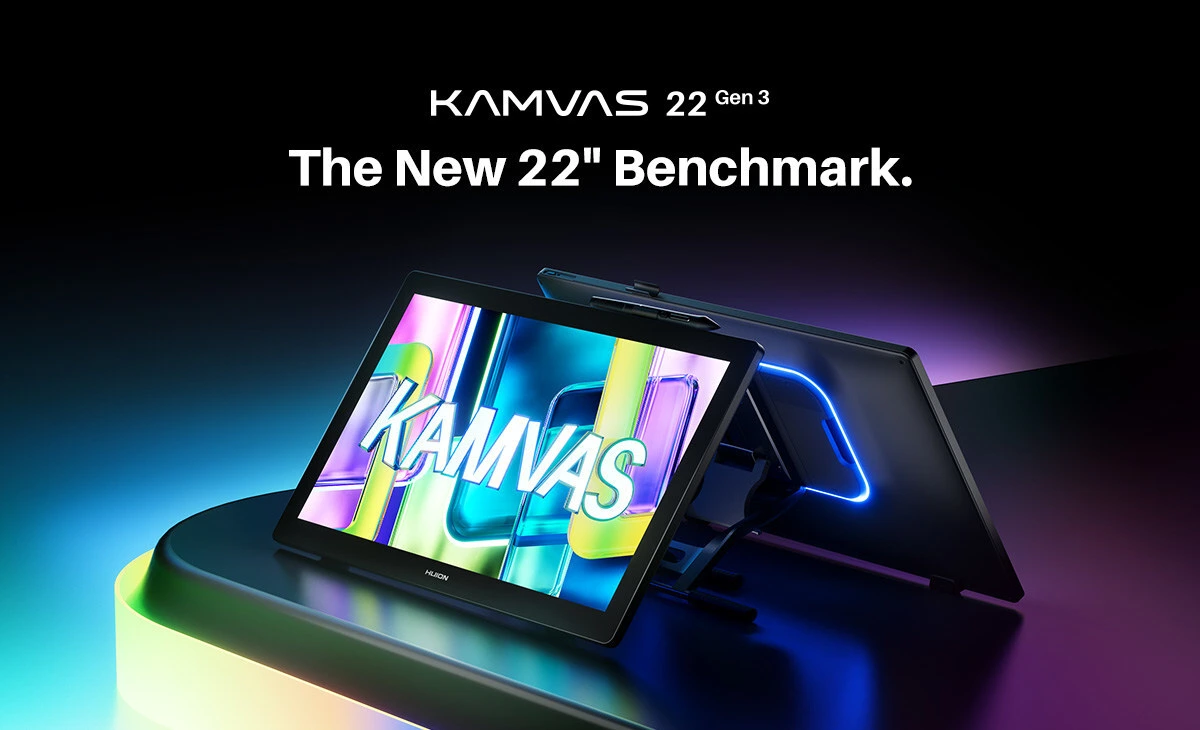
Huion has introduced the Kamvas 22 (Gen 3), a new 21.5-inch pen display that reflects a broader shift underway in the digital creative industry: advanced artistic tools are no longer reserved solely for large studios or high-end professionals. Announced this week, the drawing tablet combines features once associated primarily with premium hardware — including high color accuracy, textured glass surfaces, and advanced stylus responsiveness — into a product aimed at a much wider audience of artists, illustrators, and designers.
The launch comes during a period of rapid expansion in digital creativity, fueled by remote work, creator platforms, online education, and AI-assisted design workflows. As more people pursue illustration, animation, and visual storytelling independently, the market for affordable but capable creative hardware has grown significantly. Companies like Huion are increasingly competing not only on technical specifications, but also on how effectively they can narrow the gap between professional performance and consumer affordability.
The Kamvas 22 (Gen 3) appears designed with that balance in mind. The device features a 2.5K display, a 90Hz refresh rate, and Huion’s updated PenTech 4.0 stylus system, which includes 16,000 pressure levels and lower activation force intended to mimic the feel of traditional drawing tools. The inclusion of a nano-etched glass surface and expanded color coverage across standards such as Adobe RGB and Display P3 also reflects how expectations for visual accuracy have risen well beyond the professional studio environment.
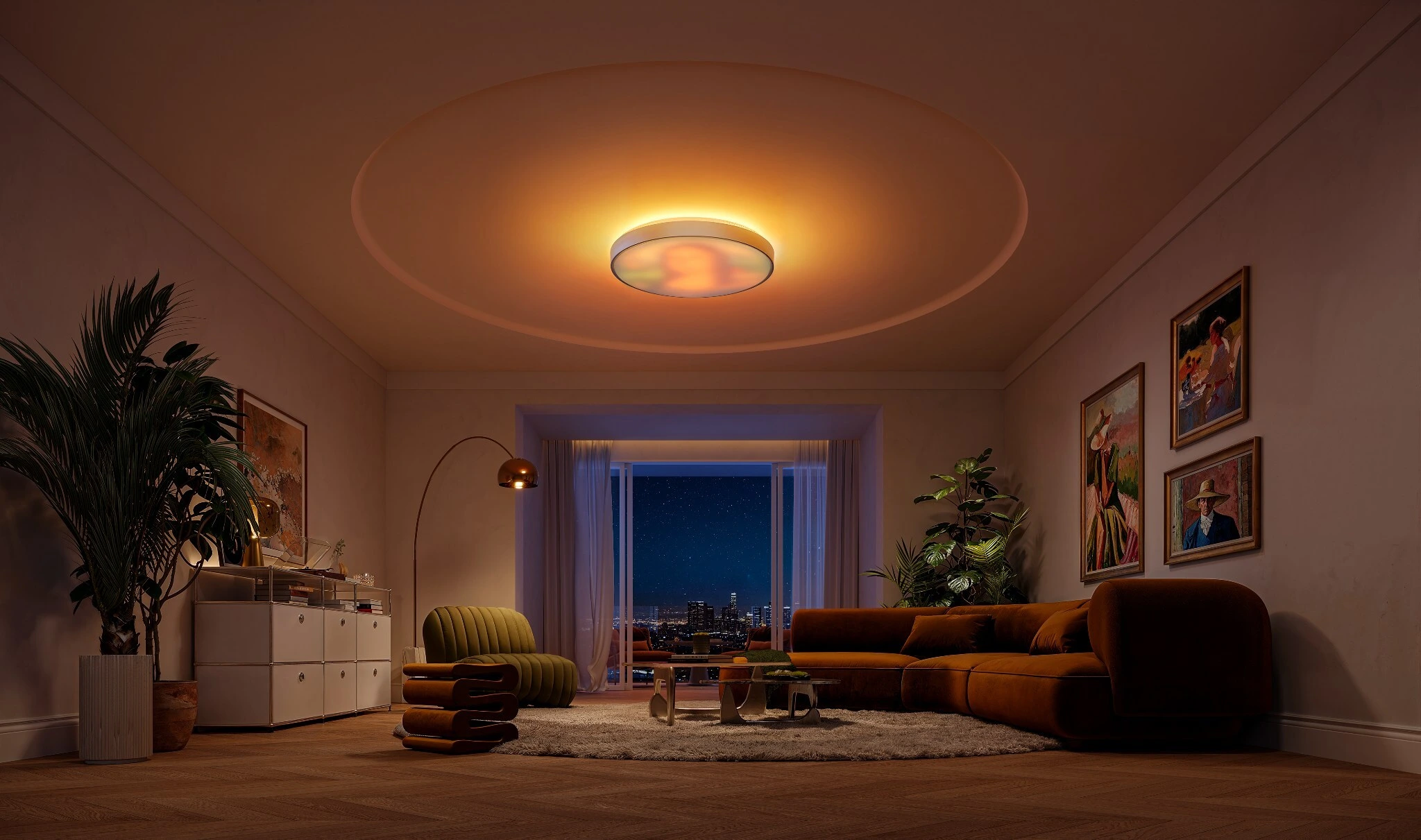
At the same time, the product illustrates how creative technology companies are increasingly selling experience as much as functionality. Huion’s emphasis on immersive workflow features, customizable ambient lighting, and a “paper-like” drawing feel speaks to a market where emotional comfort and workspace personalization have become part of the creative process itself. For many artists, particularly freelancers and independent creators, the studio is now a home office, making ergonomics and atmosphere more central to purchasing decisions.
The release of the Kamvas 22 (Gen 3) also underscores the intensifying competition within the digital art hardware industry. As once-niche creative tools become mainstream consumer products, manufacturers are under pressure to innovate faster while keeping costs manageable. Huion’s latest launch suggests the company sees the future of creative hardware not in exclusivity, but in making increasingly sophisticated artistic tools available to a broader generation of creators.