By centering Stream Deck as a universal control layer and leaning into local AI computing, CORSAIR’s CES 2026 showcase reflects a broader industry turn toward integrated systems, not isolated devices.
CORSAIR arrived at CES 2026 with a message that goes beyond new peripherals, signaling a deliberate evolution of its business. Long associated with high-performance gaming components, the company used the show to frame itself as a platform builder spanning gaming, content creation, productivity, and local AI computing. That repositioning matters as hardware makers search for relevance in an era where differentiation increasingly comes from software, workflow integration, and control.
At the center of this strategy is Stream Deck, which CORSAIR is positioning as a unifying interface rather than a niche tool for streamers. By treating it as a common control layer across games, creative software, and system functions, CORSAIR is betting that tactile, user-driven control still has value in increasingly automated environments. Early support for Model Context Protocol hints at a future where AI agents and human users share the same interface, reducing friction between intent and execution.
Hardware announcements at CES reinforced this platform logic rather than standing alone as product showcases. The GALLEON 100 SD keyboard, which integrates Stream Deck functionality directly into a full-size mechanical keyboard, illustrates how CORSAIR is collapsing once-separate devices into single control surfaces. The significance lies less in novelty and more in how such hybrids reflect a push to make complex systems manageable without adding layers of software complexity.
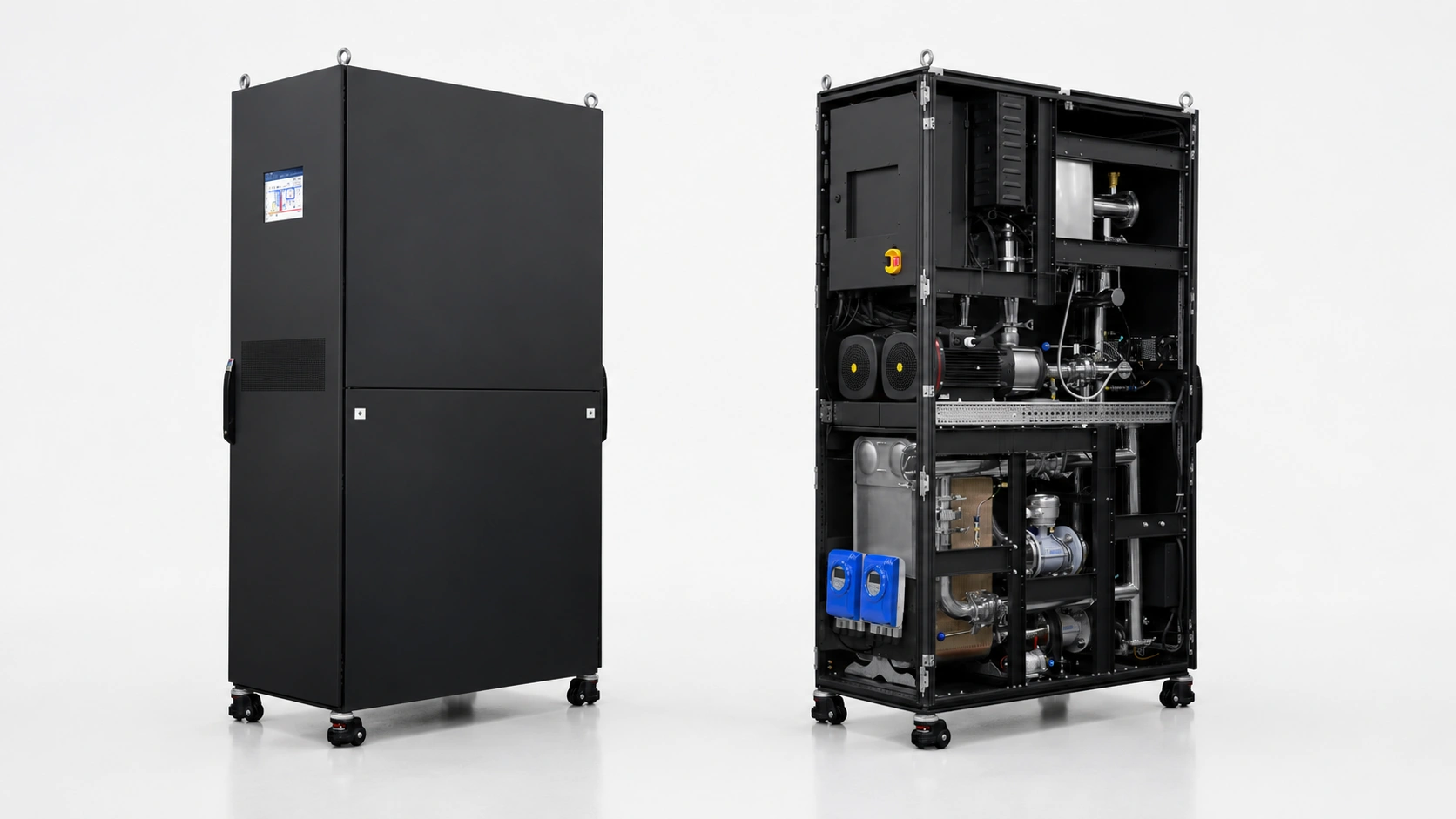
CORSAIR’s emphasis on local AI computing is another signal of changing assumptions in the industry. As AI workloads grow more latency-sensitive and privacy-conscious, the company is positioning on-device inference as a practical alternative to cloud dependence. Systems like its AI Workstation and edge-focused developer kits suggest CORSAIR sees demand not just from gamers, but from engineers, educators, and organizations that want tighter control over data and performance.
Taken together, CORSAIR’s CES presence reads as a response to a maturing PC and gaming market. Growth is no longer just about faster components, but about how tools fit into broader workflows and emerging AI use cases. Whether CORSAIR can execute on this more ambitious vision remains an open question, but CES 2026 made clear that the company sees its future less as a parts supplier and more as an orchestrator of increasingly complex digital systems.