Foot Locker’s partnership with Uber Eats reflects how rapid delivery services are expanding beyond food, reshaping consumer expectations for convenience across retail categories.
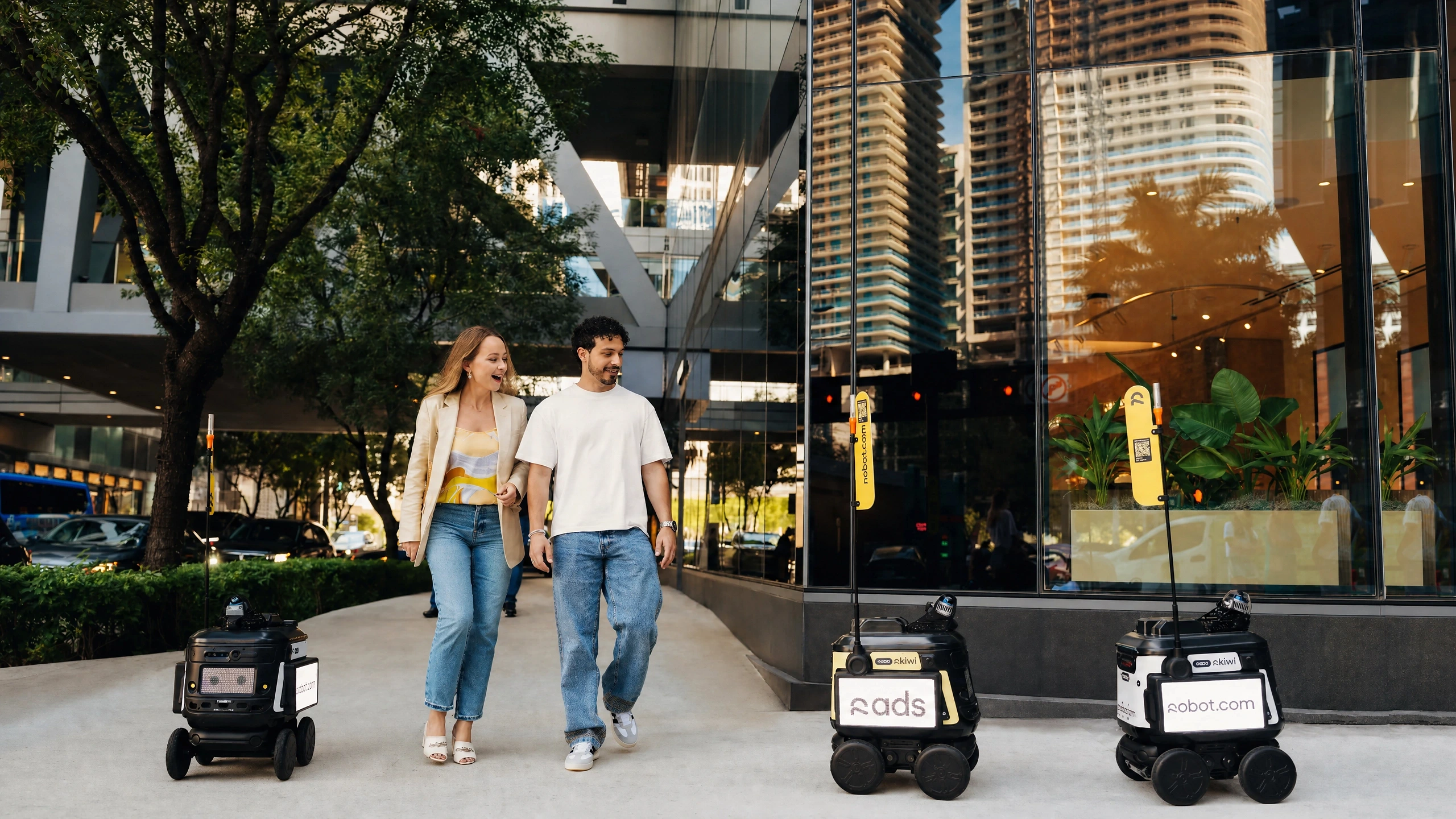
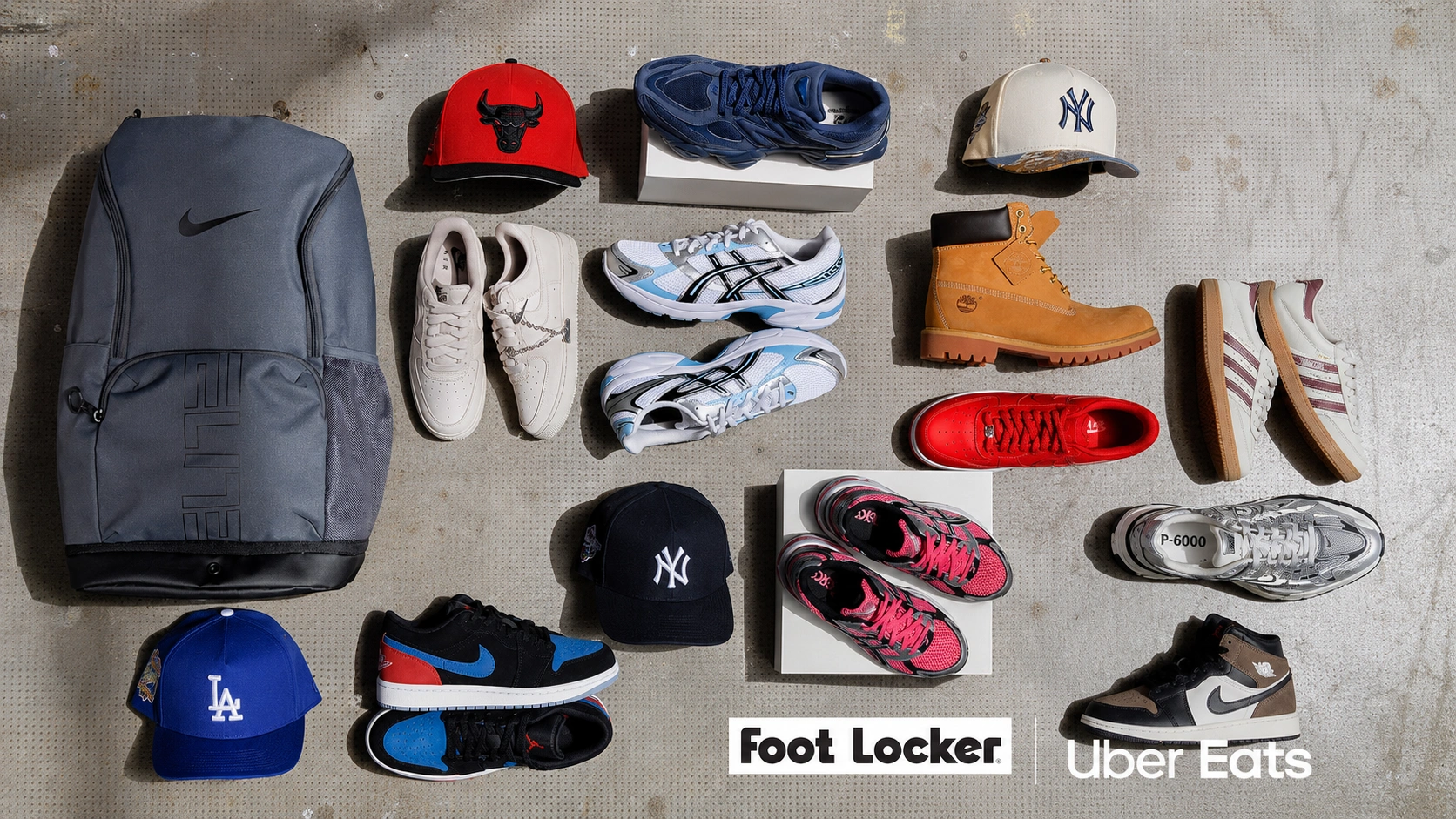
Foot Locker has partnered with Uber Eats to make products from Foot Locker, Kids Foot Locker, and Champs Sports available for on-demand and scheduled delivery from more than 1,000 stores across the United States. The agreement marks another step in the continued expansion of rapid delivery services beyond groceries and restaurant meals, bringing athletic footwear, apparel, and accessories into a marketplace increasingly defined by speed and convenience. As retailers compete to meet shoppers wherever they choose to browse, delivery platforms are becoming an important extension of the traditional store experience.
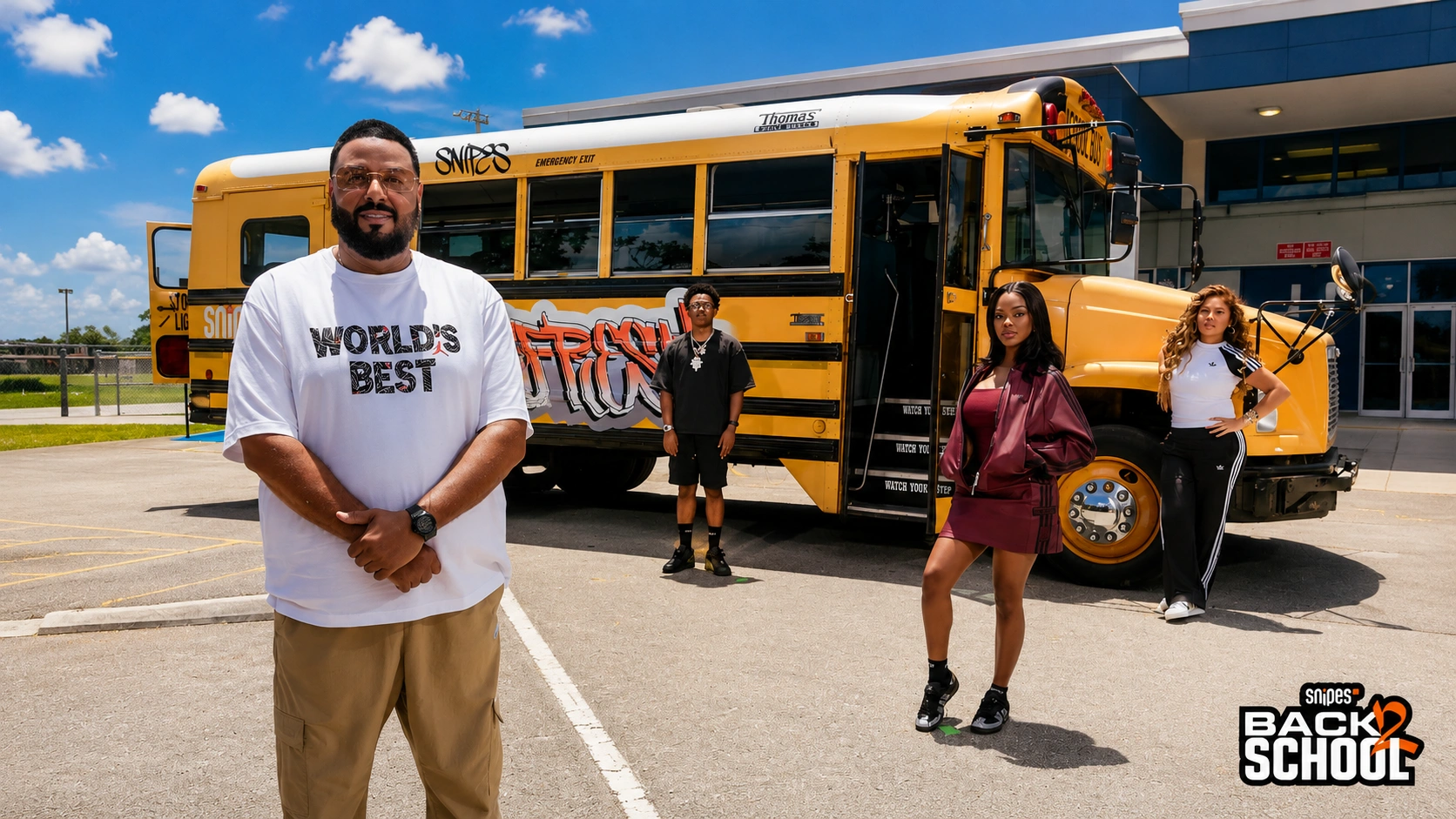
The timing of the rollout coincides with the back-to-school shopping season, when demand for shoes and apparel typically rises. While seasonal timing is significant, the broader implication is how consumers are changing their purchasing habits. Rather than planning shopping trips days in advance, many now expect the option to receive retail products on the same day, mirroring expectations that first emerged through food delivery and grocery services.
For Uber Eats, the partnership represents another expansion of its retail ambitions. Over the past several years, the platform has steadily broadened its offerings beyond prepared meals to include categories such as beauty products, electronics, home improvement supplies, and sporting goods. Adding national footwear and apparel retailers reinforces the company’s effort to position its app as a destination for a wide variety of everyday purchases rather than a service focused solely on dining.
The collaboration also illustrates how traditional retailers are adapting to a more fragmented shopping landscape. Consumers increasingly move between physical stores, retailer websites, marketplaces, and third-party delivery platforms depending on urgency and convenience. By making inventory accessible through an established delivery network, retailers can reach customers who may prioritize immediate fulfillment over visiting a store or waiting several days for standard shipping.
As retail and logistics continue to converge, partnerships like this suggest that rapid fulfillment is becoming an expected feature across more product categories. While not every purchase requires immediate delivery, the expansion of on-demand access to footwear and apparel demonstrates how convenience is evolving from a competitive advantage into a standard part of the modern retail experience, influencing how shoppers discover, purchase, and receive products throughout the year.