With new robotic cleaners and its first cordless disinfecting floor device, iRobot is betting that households want connected cleaning tools that balance automation with hands-on control.
iRobot is expanding beyond the product category that made its name by introducing a broader floor-care lineup built around both robotic and manual cleaning. Alongside five new Roomba robot models, the company has unveiled the Roomba Electro Plus, its first non-robot hard floor cleaner, signaling a shift toward a more comprehensive approach to home maintenance rather than relying solely on autonomous devices. The move reflects changing consumer expectations as households increasingly seek flexible cleaning solutions that fit different rooms, surfaces, and routines.
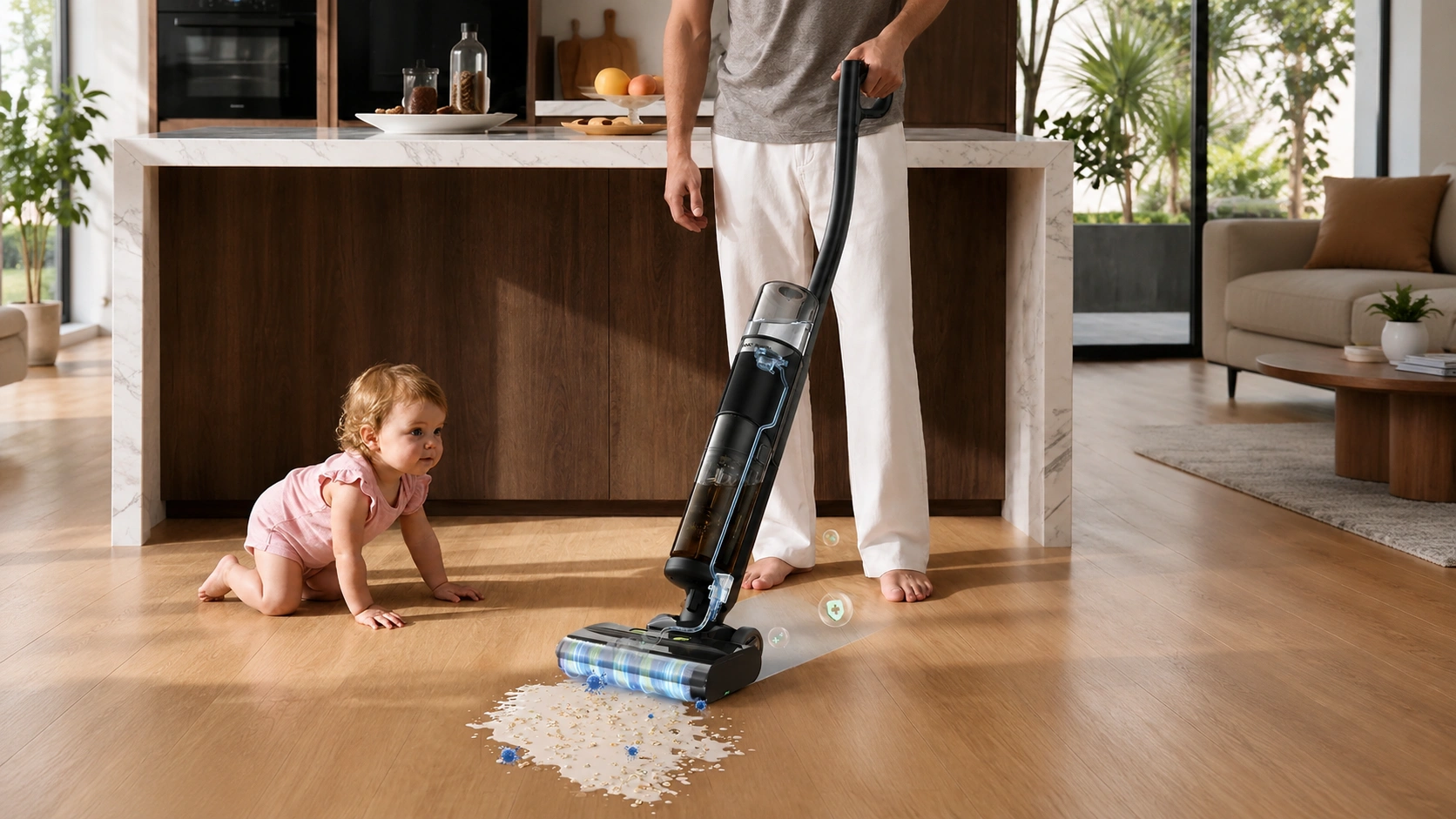
The new cordless hard floor cleaner combines vacuuming, mopping, and disinfecting into a single device while using electrolyzed water technology that converts ordinary tap water into a sanitizing solution. According to iRobot, the system can eliminate 99.99% of bacteria, viruses, fungi, and germs without added chemicals or steam. Whether those features prove compelling for consumers may depend on how much value they place on reducing cleaning products while maintaining effective sanitation, an area of growing interest since heightened awareness of household hygiene in recent years.
At the same time, iRobot is refreshing its Roomba portfolio with models that emphasize smarter navigation, stronger suction, and greater automation. The new robots are designed to operate more effectively in homes with tighter layouts, lower furniture, and everyday obstacles, while several models incorporate LiDAR mapping and AI-based object recognition to avoid hazards such as cables, shoes, and pet waste. Higher-end versions also include automated docking stations capable of emptying debris, washing mop rollers, and reducing the amount of routine maintenance required from owners.
Taken together, the announcements suggest that the robotic vacuum market is entering a more mature phase. Rather than presenting automation as a complete replacement for traditional cleaning, manufacturers increasingly acknowledge that many households still alternate between robotic maintenance and manual deep cleaning. By offering both types of products within a connected ecosystem, iRobot is positioning itself to compete on convenience as much as on robotics. The company’s latest expansion therefore represents more than a series of product launches—it reflects a broader evolution in how home cleaning technology is being designed around everyday living, where automation complements, rather than entirely replaces, human involvement.