At this year’s mobile industry gathering, the telecom equipment maker positions artificial intelligence not as a feature, but as the connective tissue linking networks, cloud infrastructure and consumer devices.
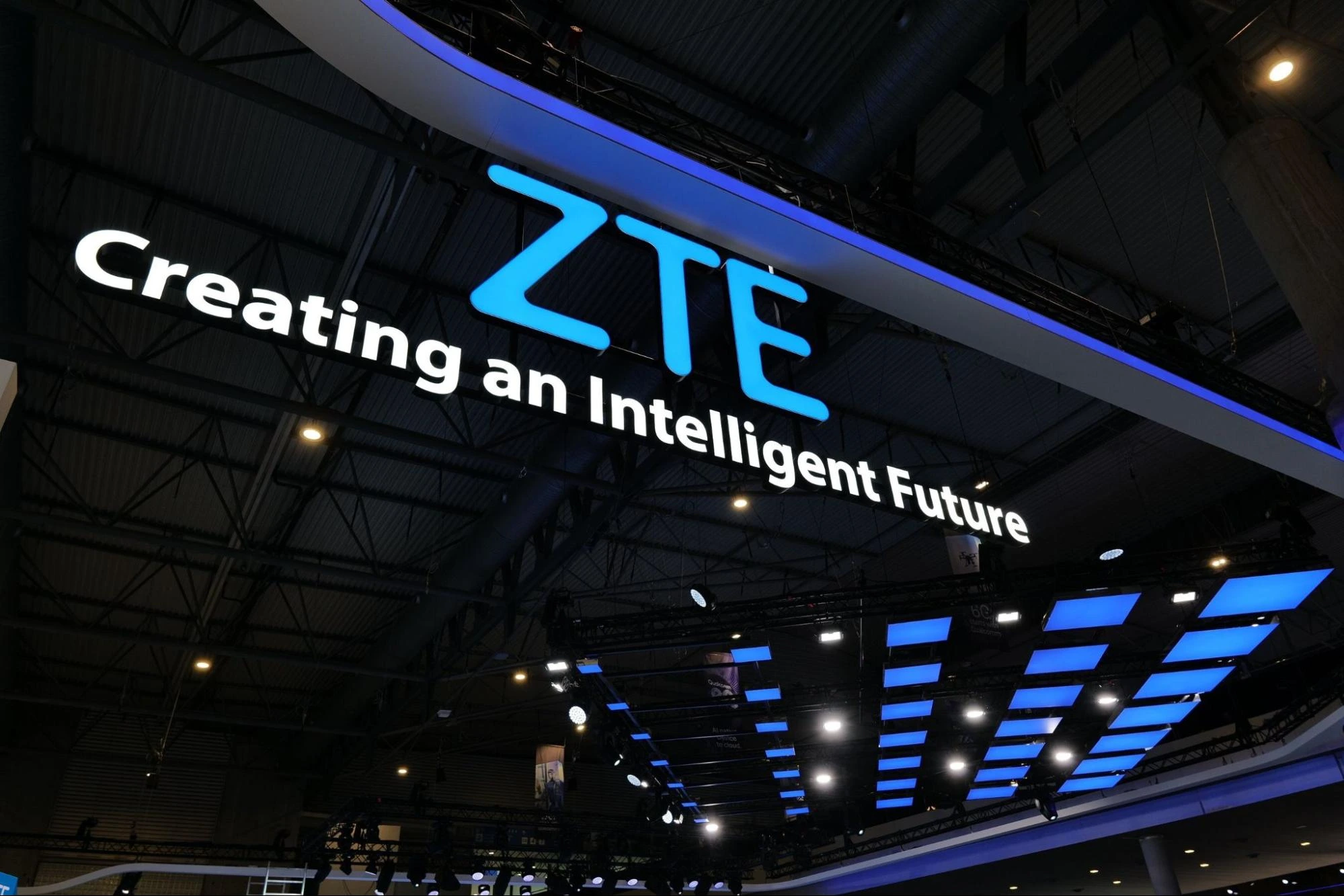
ZTE used MWC Barcelona 2026 to outline an expansive vision built around what it calls a full-stack integration of artificial intelligence and information communications technology. The company’s showcase spans four domains—connectivity, cloud infrastructure, smart home systems and personal devices—reflecting how deeply AI is being woven into both network architecture and everyday hardware.
Rather than focusing on a single product, ZTE presented an ecosystem strategy that extends from telecom infrastructure to consumer smartphones. In mobile and optical networks, the company emphasized AI-driven automation and steps toward higher levels of autonomous network management. It also demonstrated early-stage technologies such as a 6G prototype featuring more than 2,000 antenna elements, pointing to the long horizon on which major telecom vendors now operate.
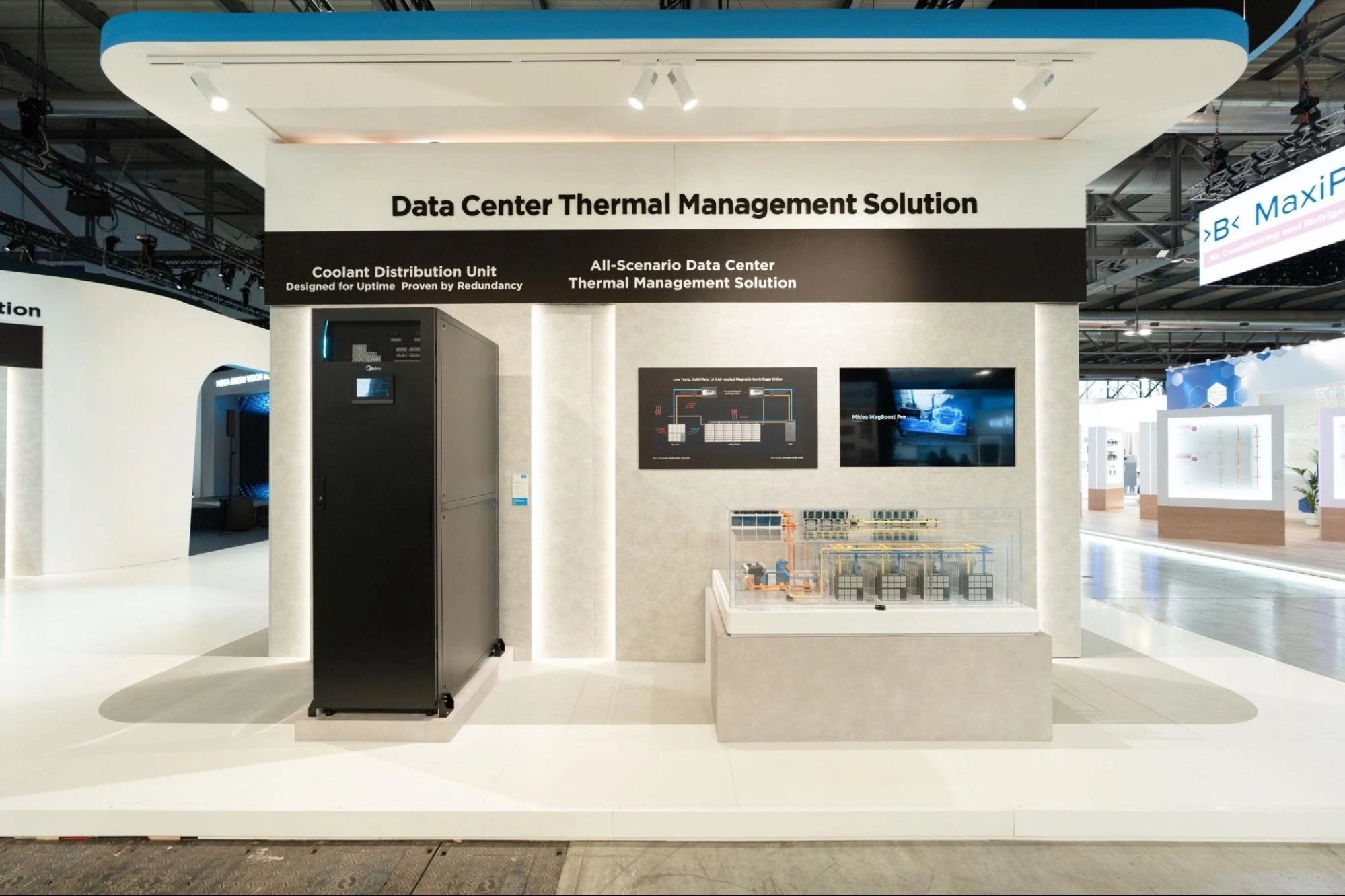
On the computing side, ZTE highlighted modular data center designs and energy-efficiency measures, including advanced cooling systems and high-voltage power architectures. These developments speak to a broader industry concern: how to support AI workloads that demand enormous processing capacity without unsustainable energy consumption.
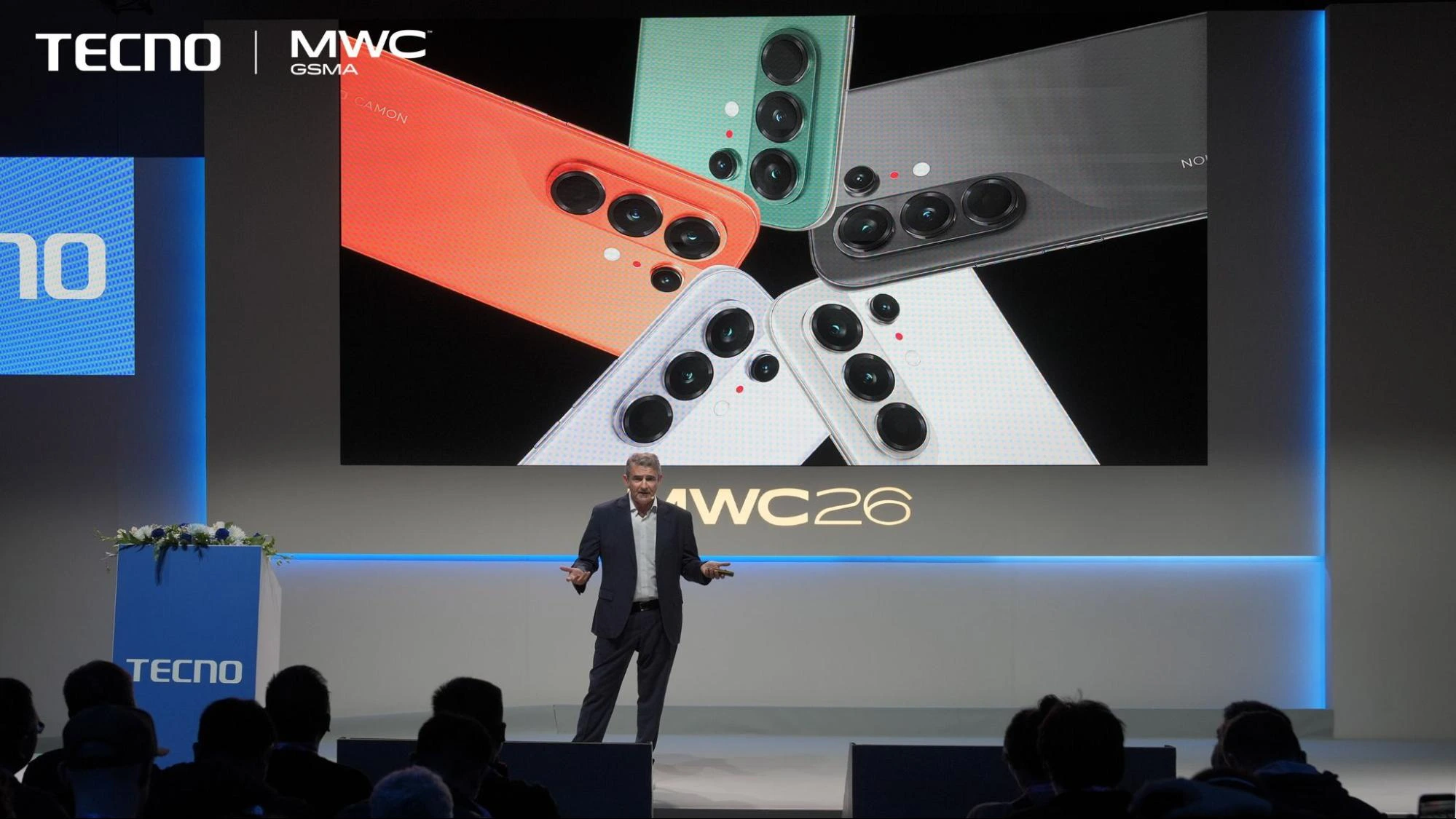
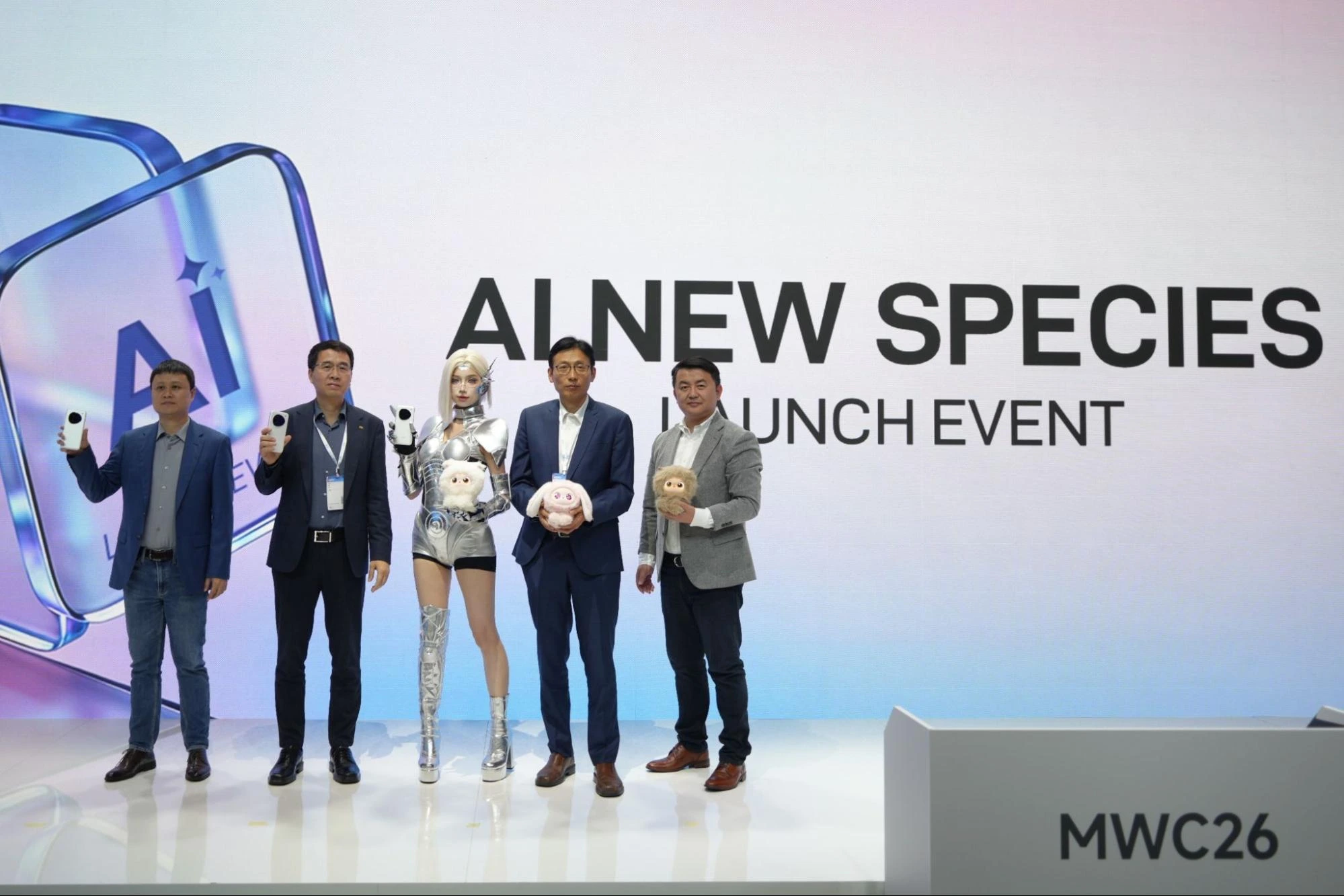
The company’s consumer-facing portfolio mirrors that infrastructure push. Smart home gateways, Wi-Fi 8 mesh solutions and AI-enhanced displays signal an effort to embed intelligence at the network edge. Meanwhile, its smartphone lines, including gaming-focused models, are framed as “AI-native,” suggesting that artificial intelligence is increasingly integrated into operating systems and user interfaces rather than layered on top.
Large industry events like MWC often function as stages for ambition as much as for finished products. ZTE’s emphasis on “Connectivity + Computing” indicates that telecom equipment makers are repositioning themselves not merely as network providers, but as architects of digital ecosystems where AI coordinates devices, data centers and services.
As telecom markets mature and competition intensifies, differentiation increasingly hinges on how seamlessly companies can merge hardware, software and services. ZTE’s broad AI narrative reflects that shift—an acknowledgment that the next phase of connectivity will depend less on speed alone and more on how intelligently networks and devices interact across the entire digital chain.