At its NAVIGATE 2026 summit, H3C framed artificial intelligence not as a single product trend, but as a long-term transformation reshaping infrastructure, security, and global partnerships
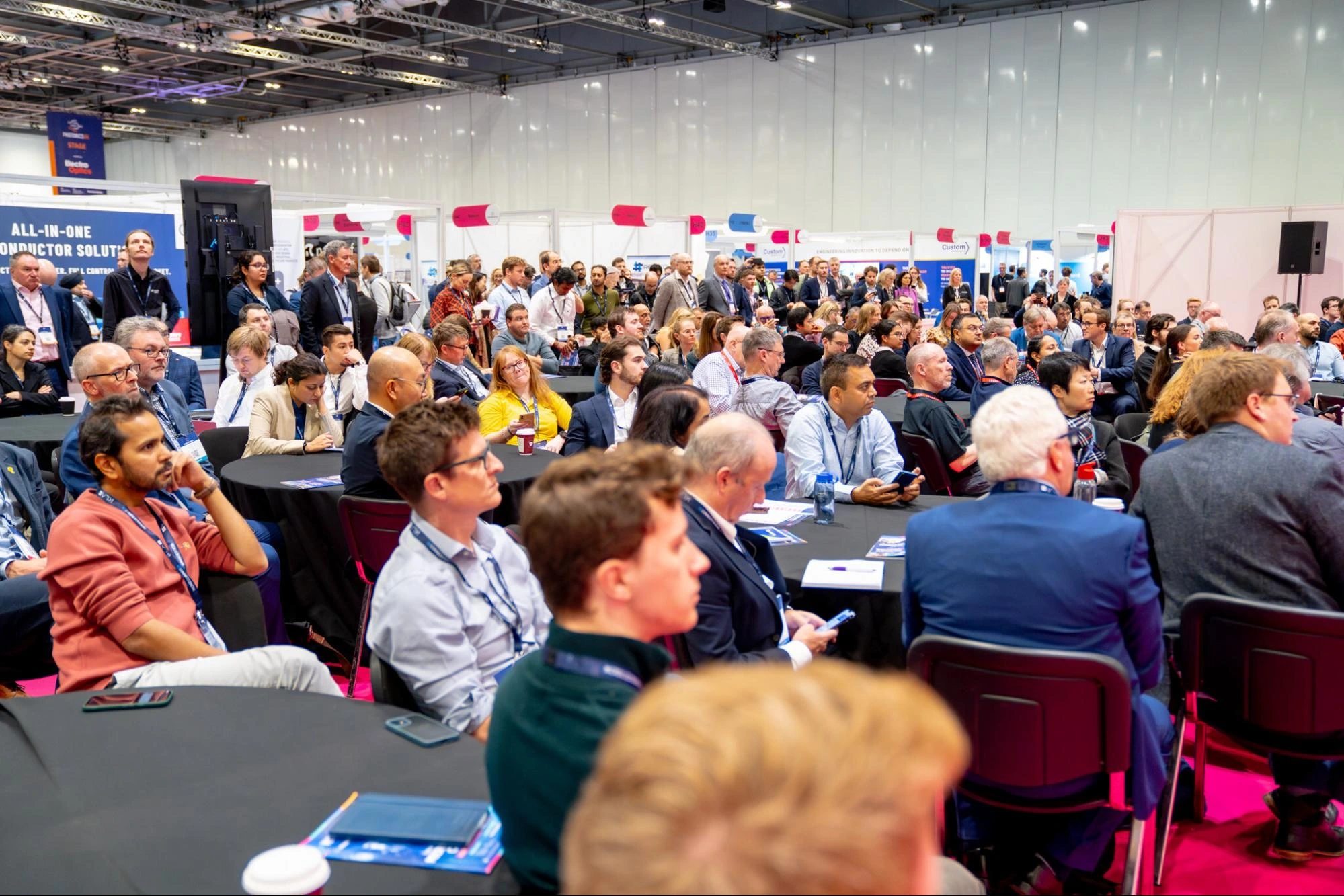
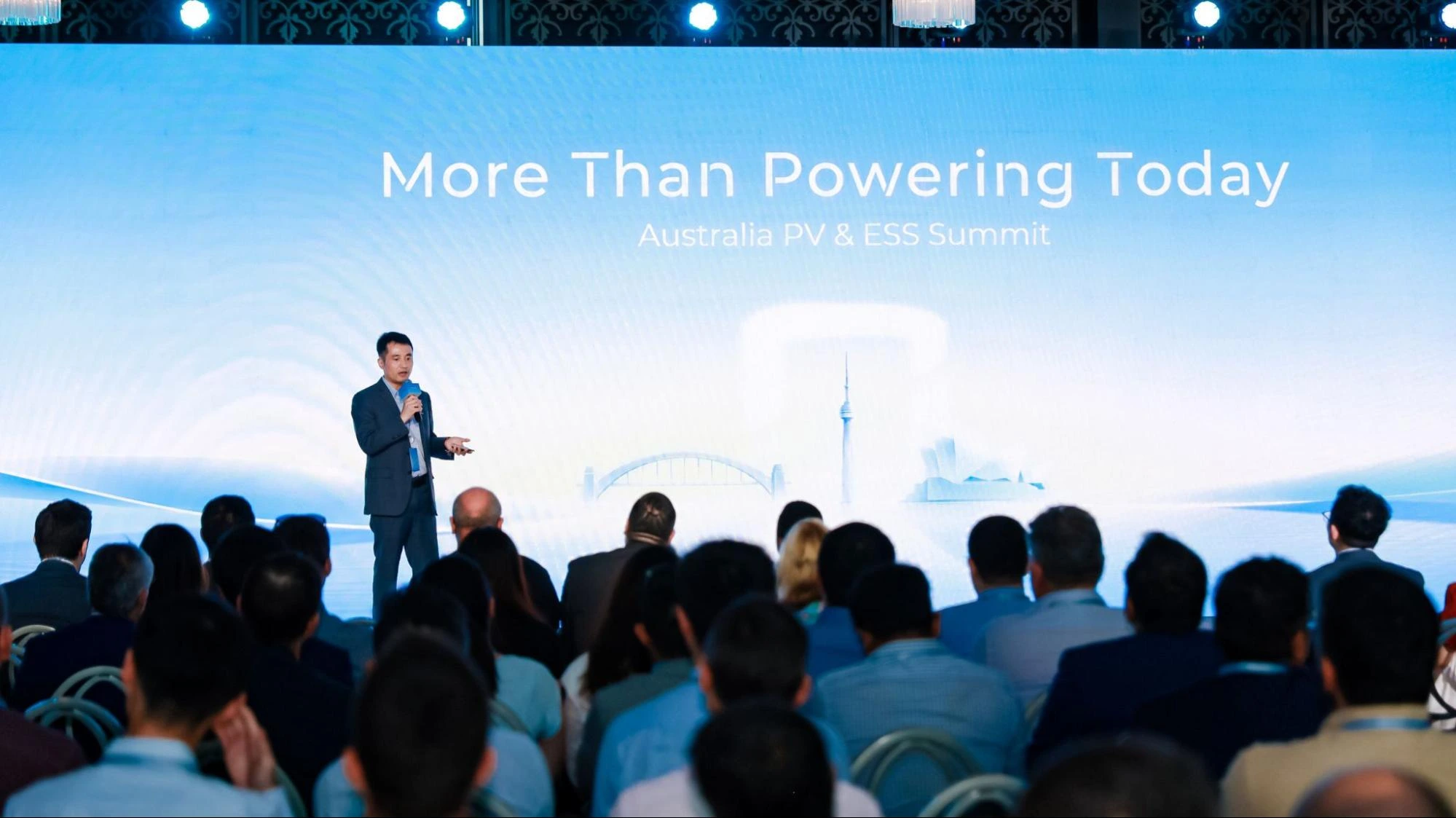
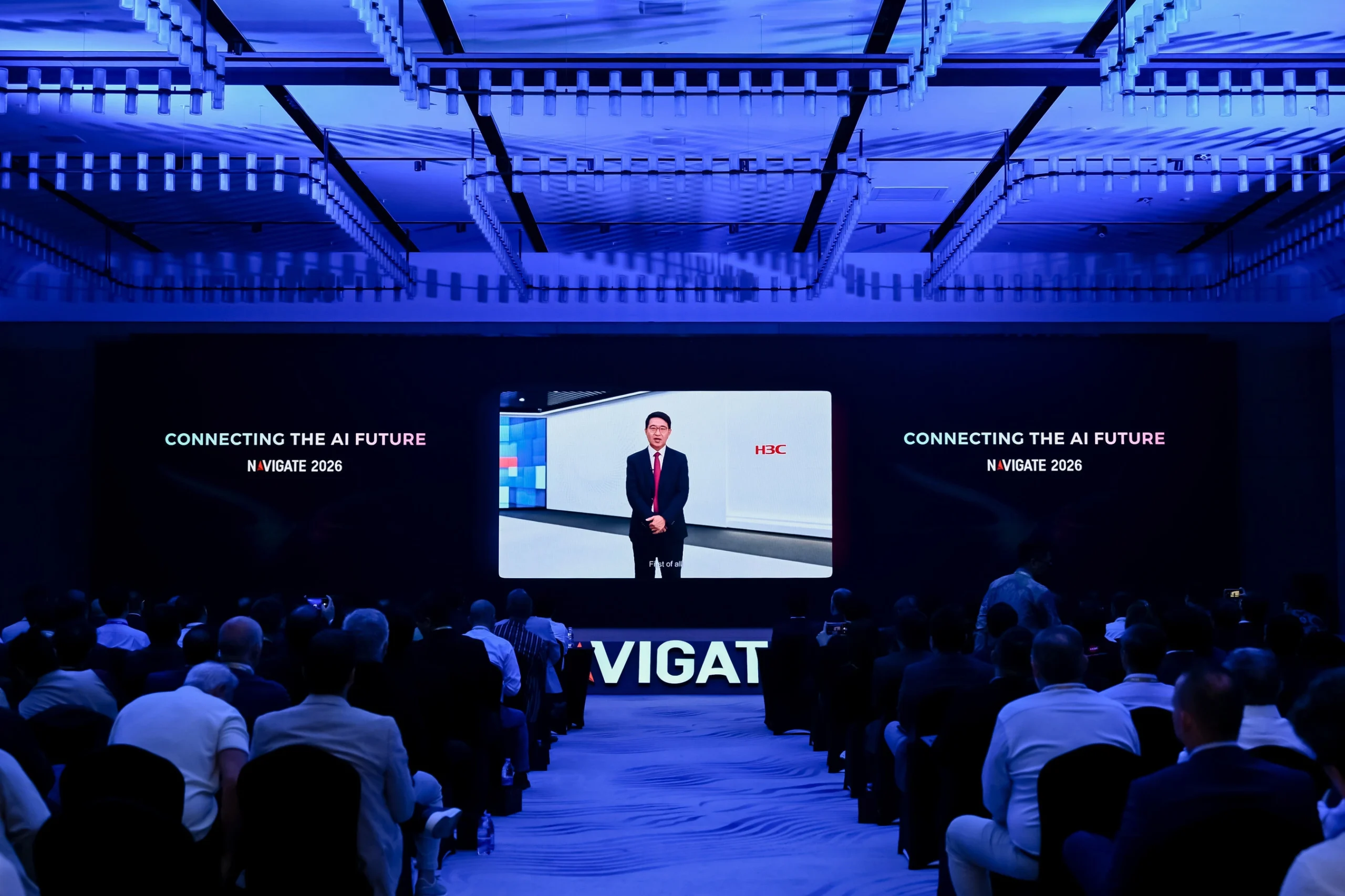
H3C used its NAVIGATE 2026 International Summit in Hangzhou to present a broader vision for how companies may need to rethink digital infrastructure in the age of artificial intelligence. Bringing together industry executives, academic institutions, and technology partners, the event reflected a growing consensus across the global technology sector: AI’s rapid evolution is placing new demands on networks, computing systems, cybersecurity, and energy efficiency at a scale traditional infrastructure models may struggle to support.
Rather than focusing solely on product announcements, H3C positioned itself as a long-term infrastructure partner for organizations navigating this transition. Executives repeatedly emphasized the idea that AI growth depends not only on computing power, but on the coordination between computing, connectivity, storage, cloud services, and operational management. The company described this approach as a full-stack strategy designed to improve what it called “Token value,” referring to the efficiency and economic performance of AI systems.
The summit also highlighted how infrastructure conversations are increasingly tied to broader concerns around sustainability and resilience. H3C discussed efforts to improve energy efficiency in intelligent computing centers through liquid cooling systems and greener power usage, reflecting mounting pressure on the tech industry to address the environmental cost of large-scale AI deployment. At the same time, the company outlined a cybersecurity strategy built around using AI systems to predict and counter emerging threats before they escalate, a concept becoming more common as AI-generated attacks grow more sophisticated.
Another notable theme was the importance of international partnerships in shaping AI adoption. Representatives from universities, telecommunications firms, and regional technology partners shared examples of infrastructure collaboration across education, telecom, and enterprise sectors. H3C repeatedly framed these relationships as central to its global strategy, reflecting how AI development is increasingly becoming a competitive issue not just for companies, but for national and regional economies seeking technological independence and long-term growth.
The conference ultimately served as a reminder that the future of AI may depend less on isolated breakthroughs and more on the systems supporting them. As governments and businesses race to integrate AI into daily operations, the conversation is shifting toward questions of scalability, interoperability, energy use, and trust. H3C’s summit reflected an industry increasingly aware that building the AI era will require not only smarter models, but also stronger infrastructure beneath them.