At Auto China 2026, a transformable SUV concept highlights how automakers are rethinking flexibility, as evolving lifestyles push vehicles to serve multiple roles beyond traditional categories
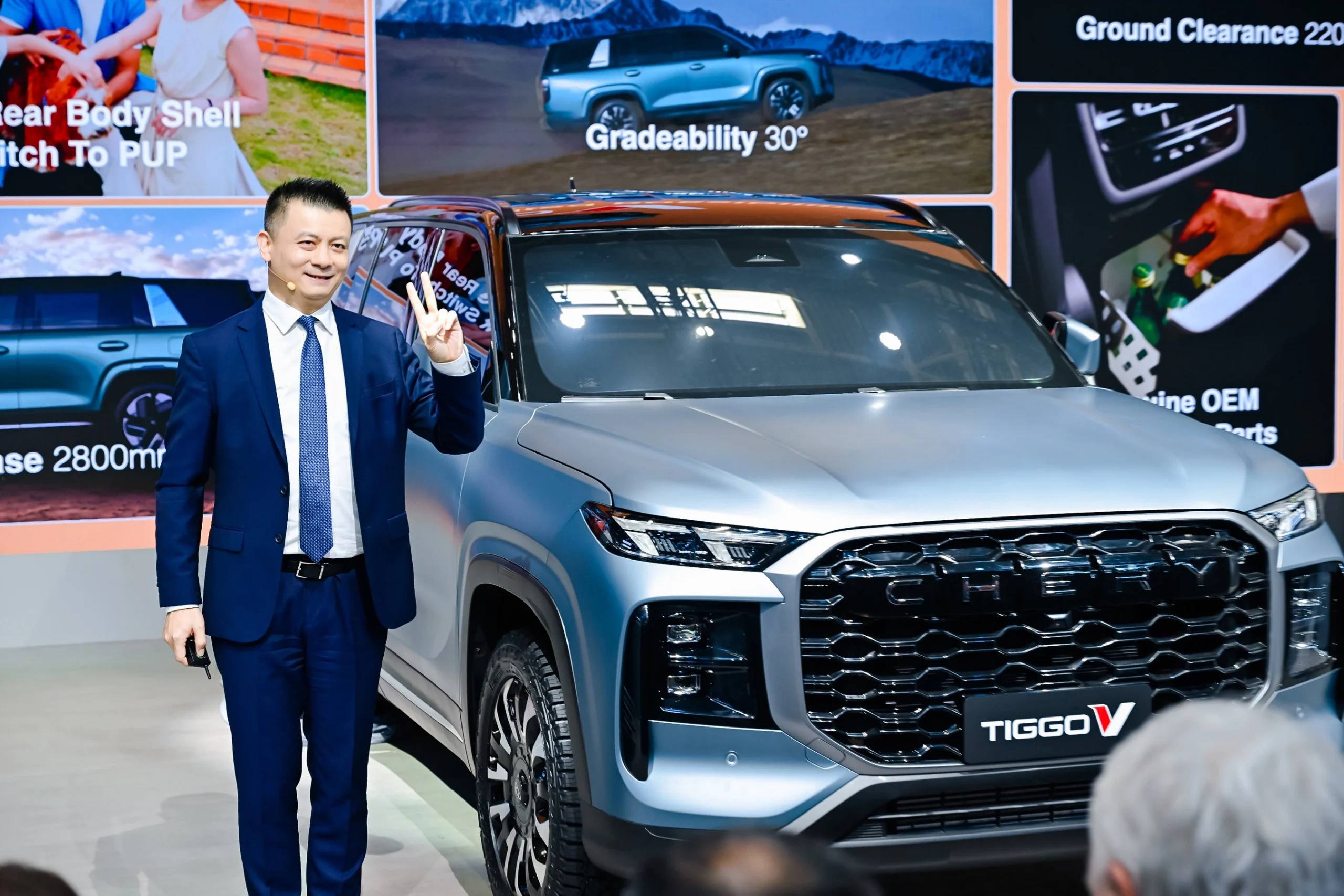
Chery Automobile Co., Ltd. introduced its TIGGO V at Auto China 2026, presenting it as a multi-purpose vehicle designed to shift between different driving and usage scenarios. Positioned as part of the TIGGO lineup, the model emphasizes adaptability, with the ability to transition among SUV, MPV, and pickup-style configurations. The debut reflects a broader attempt to address changing expectations around how families use vehicles in daily life.
Rather than focusing solely on performance or styling, the TIGGO V centers on versatility as a defining feature. In SUV mode, it offers higher ground clearance and off-road capability, while its MPV configuration prioritizes interior space with a three-row, seven-seat layout. A third mode introduces cargo-oriented functionality, allowing the vehicle to handle transport needs that extend beyond typical passenger use.
This approach aligns with a growing trend in automotive design, where manufacturers are responding to more fluid patterns of mobility. Families increasingly expect a single vehicle to accommodate commuting, leisure travel, and utility tasks without requiring multiple specialized models. The inclusion of modular storage, configurable seating, and adaptable cargo space suggests a shift toward vehicles that act as flexible platforms rather than fixed-use products.
The TIGGO V also incorporates hybrid technology, reflecting ongoing pressure to balance efficiency with capability. By combining a plug-in hybrid system with features such as automated parking assistance, the model illustrates how electrification and driver-assistance technologies are becoming standard expectations, even in vehicles positioned for everyday family use.
While it remains to be seen how widely such transformable concepts will be adopted, the TIGGO V signals an effort to redefine what a “family car” can be. As mobility needs diversify, automakers appear increasingly willing to experiment with designs that blur traditional categories. In that sense, the model is less about a single product and more about an evolving idea: that future vehicles may need to adapt as quickly as the lives they are built to serve.