
By successfully completing a full transition flight, the 5-ton eVTOL challenges the industry’s small-aircraft assumptions and points toward broader use cases in cargo, regional travel, and emergency response.
AutoFlight has introduced Matrix, describing it as the world’s first 5-ton class electric vertical take-off and landing (eVTOL) aircraft, and publicly demonstrated its ability to complete a full transition flight. The aircraft took off vertically, transitioned into cruise flight, and then returned to a vertical landing—an important technical milestone for an industry still working to prove reliability beyond controlled prototypes.
The demonstration matters because transition flight remains one of the most difficult engineering hurdles for eVTOL aircraft, requiring stable performance across multiple aerodynamic modes. AutoFlight says the Matrix test validated complex systems including high-power electric propulsion and advanced flight control. With a maximum take-off weight of 5,700 kilograms and a wingspan of 20 meters, the aircraft is positioned closer to conventional regional aviation than the smaller, urban-focused designs that have dominated much of the sector.
Matrix will be offered in both passenger and cargo configurations, reflecting a strategy that goes beyond air taxis. The passenger variant supports either 10 business-class seats or six VIP seats, while the cargo version introduces a hybrid power system capable of carrying up to 1,500 kilograms. Its forward-opening door is designed to fit two AKE standard air cargo containers, a detail that suggests AutoFlight is thinking in terms of existing logistics infrastructure rather than novelty aircraft operations.
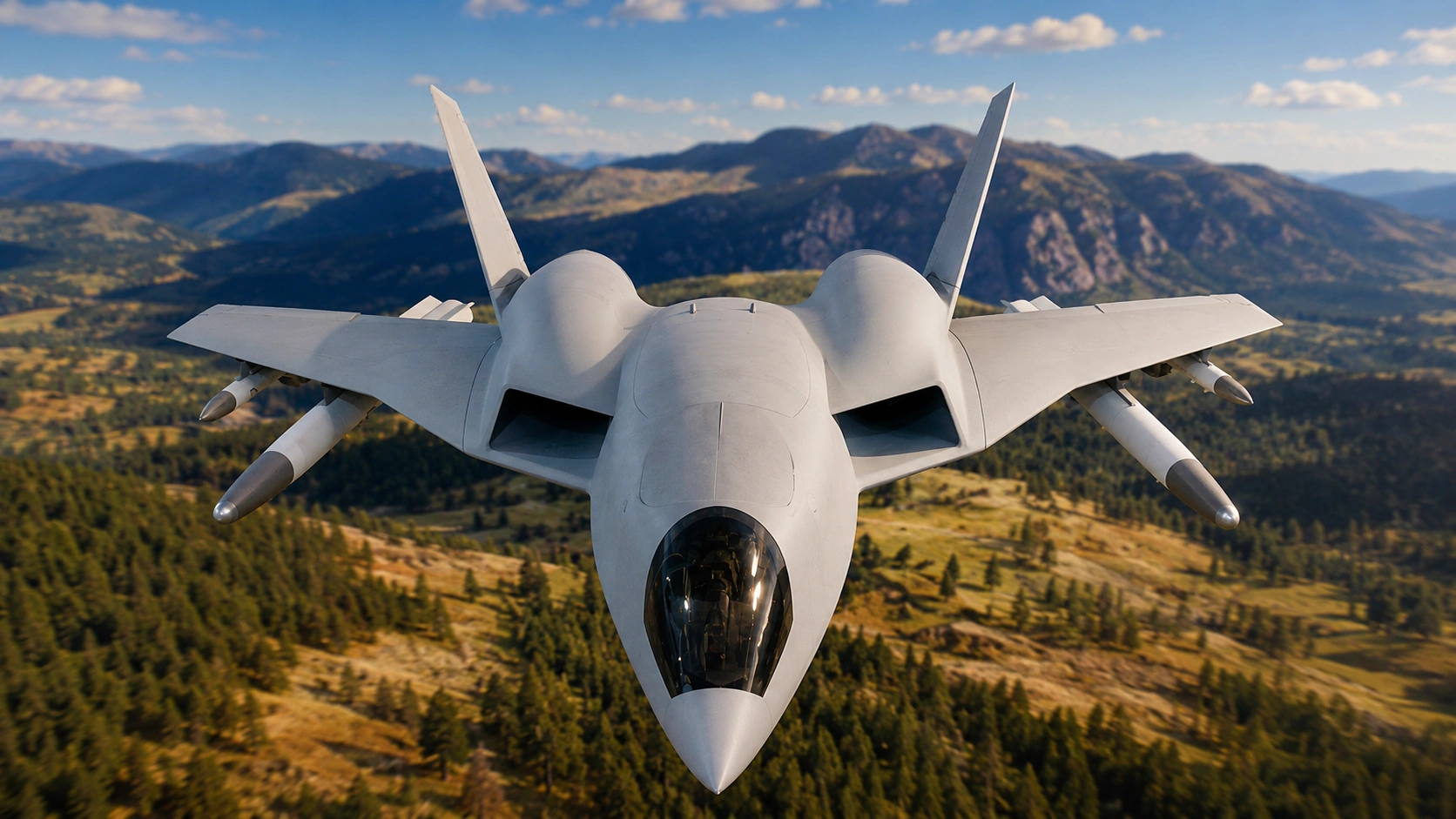
The design uses a compound wing “Lift and Cruise” configuration with a triplane layout and a six-arm structure, intended to improve aerodynamic stability across flight phases. AutoFlight says the pure electric version has a maximum range of 250 kilometers, while a hybrid-electric variant extends that to 1,500 kilometers. If those performance claims translate into operational reality, it would place Matrix in a category where regional passenger routes and heavier logistics missions become more plausible targets.
In a market often framed around short-hop commuting, the unveiling of a larger aircraft is a reminder that the “low-altitude economy” may develop unevenly. AutoFlight’s broader lineup—ranging from industrial applications to autonomous logistics—suggests the company is betting that eVTOL adoption will be driven as much by cargo and utility needs as by consumer transportation. Matrix, at minimum, marks a step toward scaling electric aviation beyond its early, lightweight assumptions.