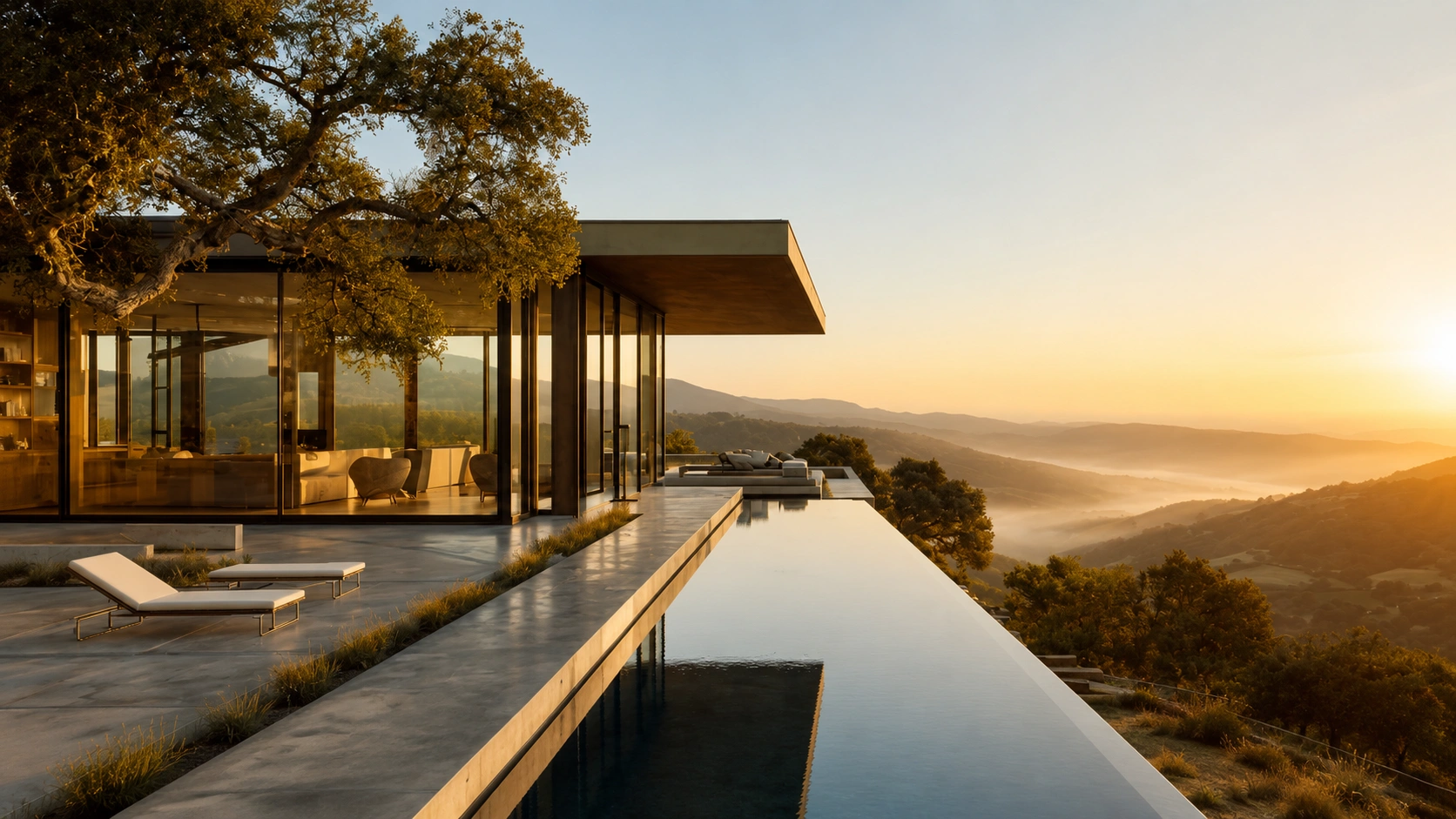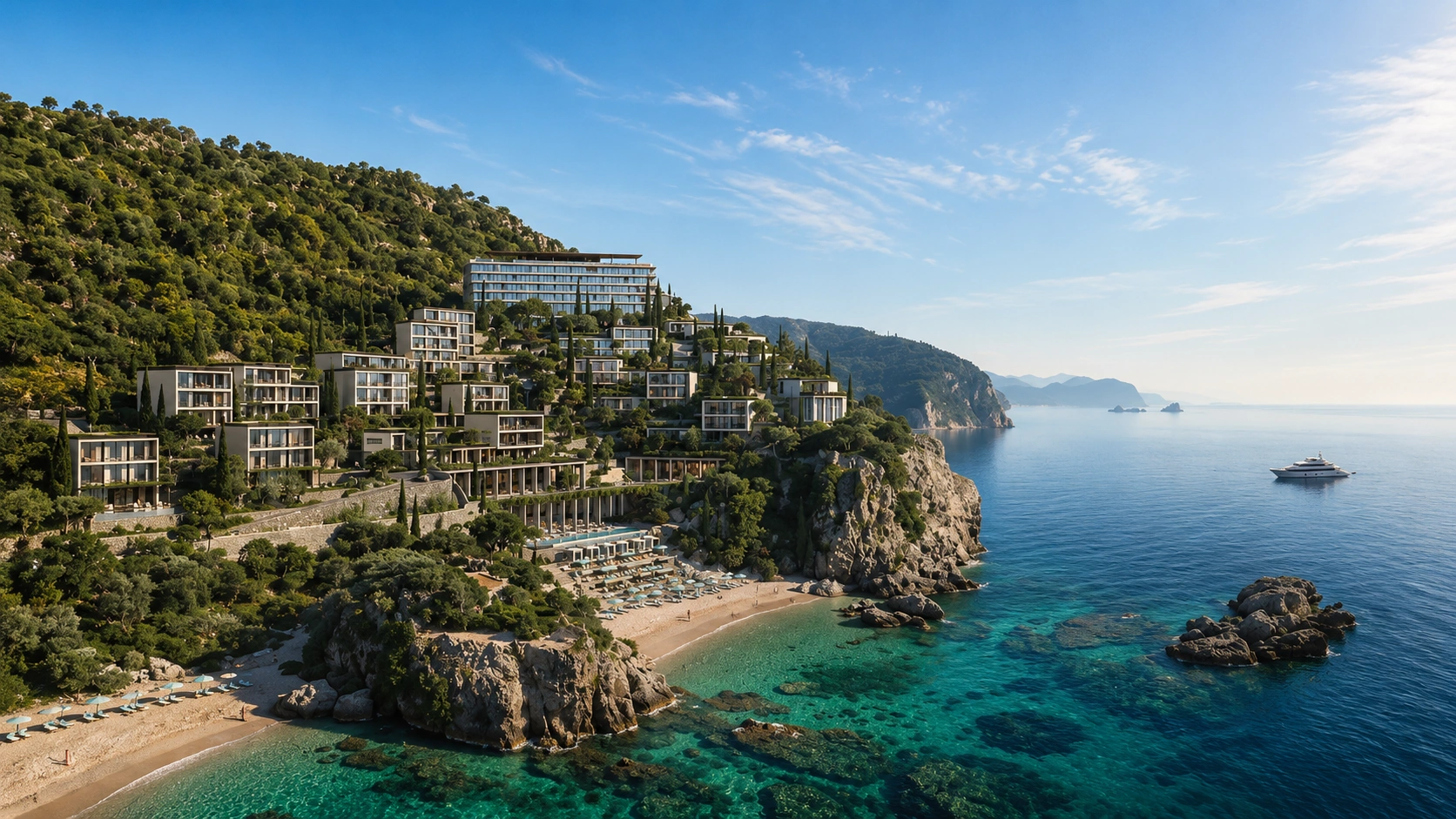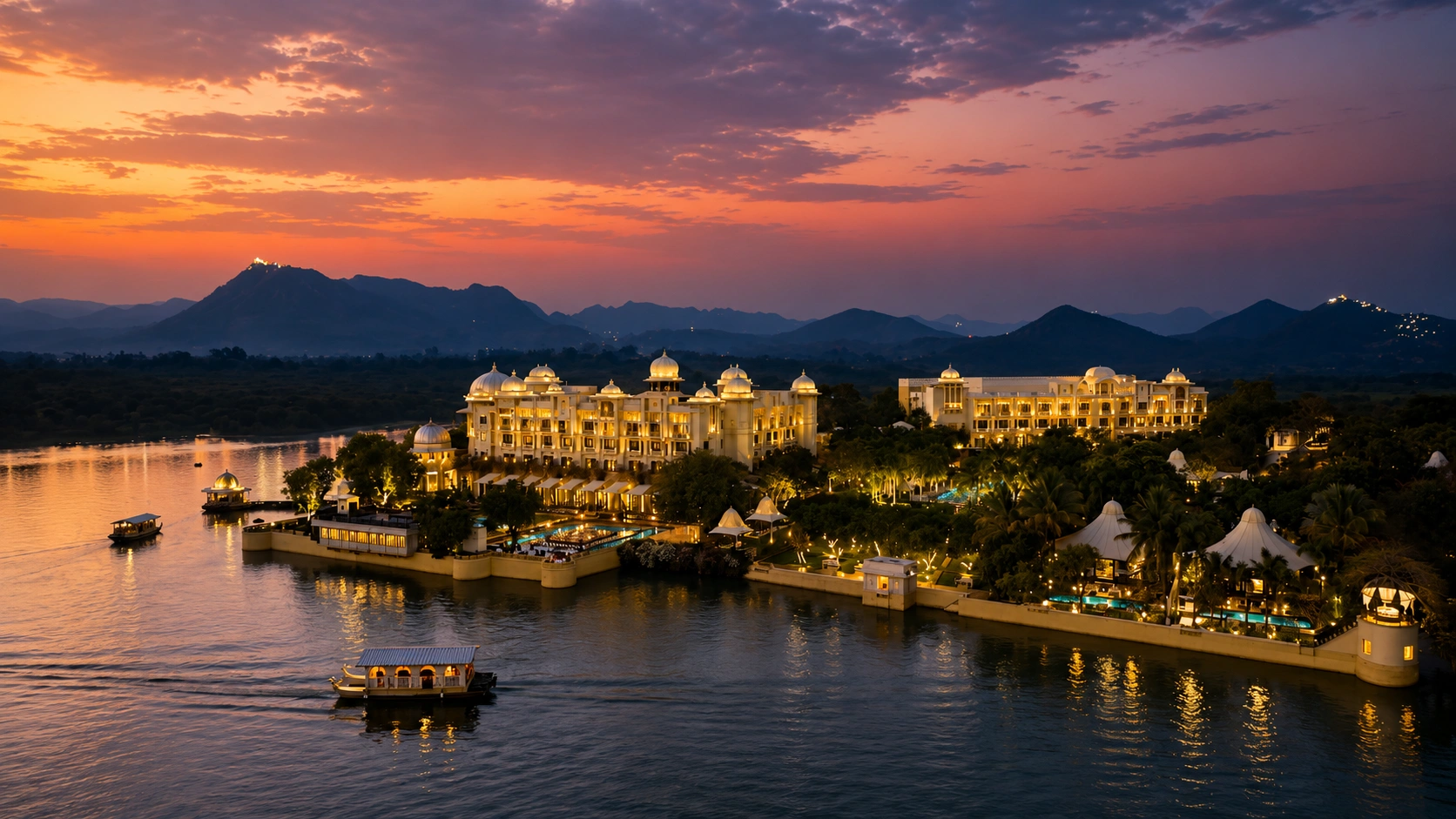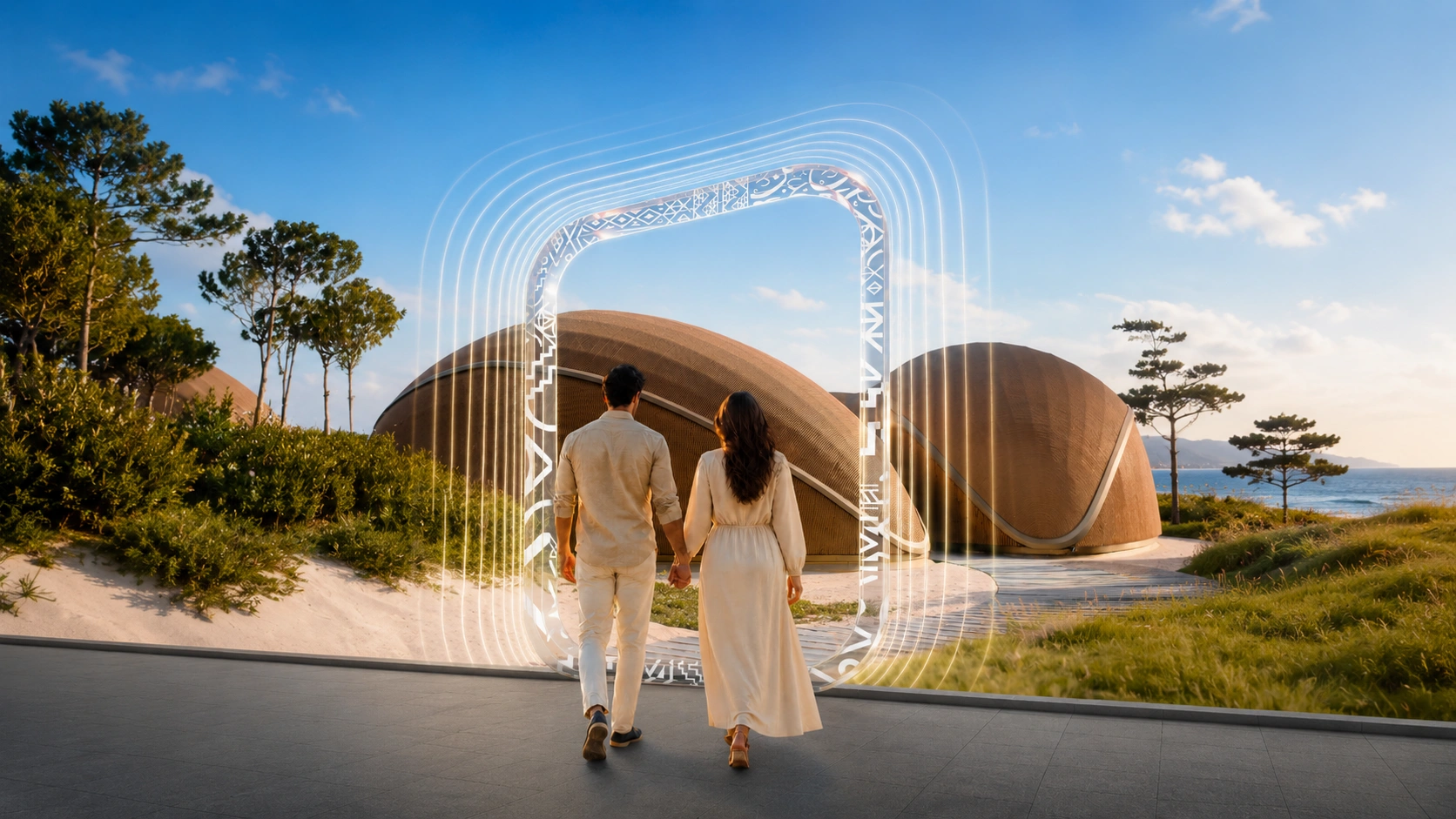
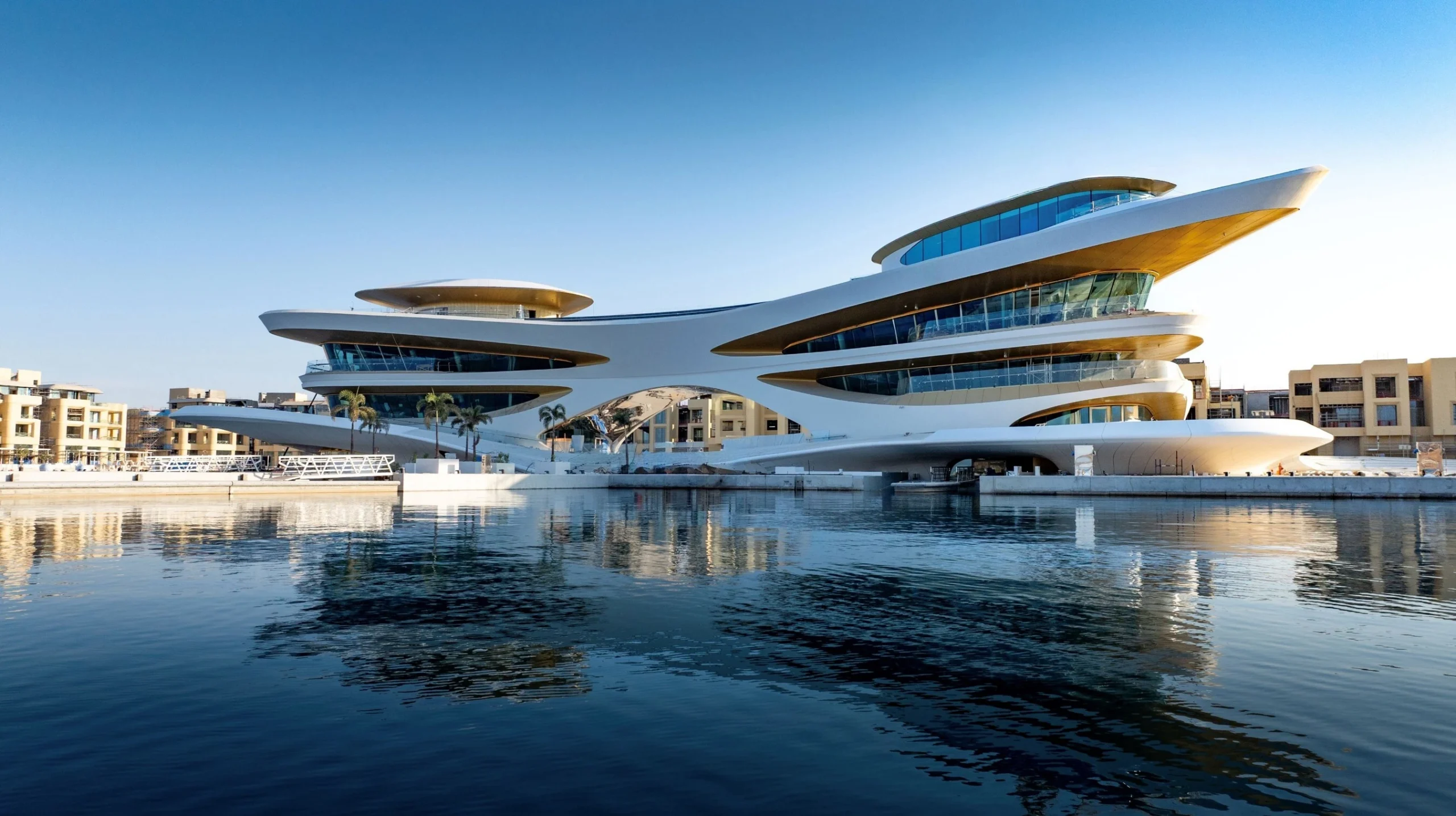
A Global Wellness Institute report highlights how large-scale projects are redefining luxury real estate by blending sustainability, environmental restoration, and human-centered design
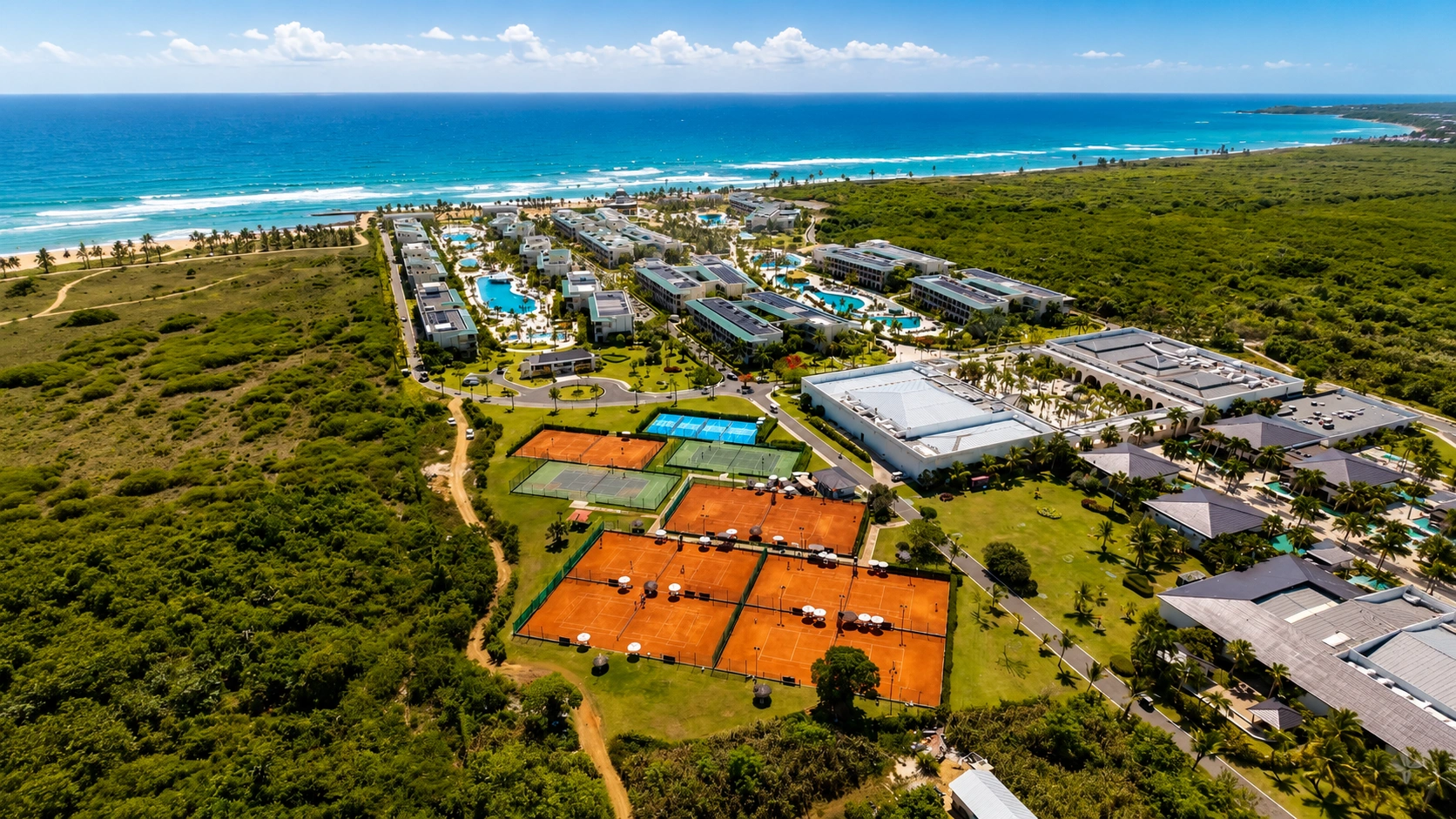
AMAALA, developed by Red Sea Global, has been recognized by the Global Wellness Institute (GWI) as part of a new report highlighting projects shaping the future of wellness-oriented real estate. The Saudi-based coastal destination was included among a select group of developments that emphasize the integration of environmental sustainability with human well-being, reflecting a growing shift in how large-scale luxury projects are conceived.
Rather than focusing solely on amenities or aesthetics, the recognition centers on AMAALA’s attempt to embed wellness principles into the structure of the development itself. This includes the use of renewable energy systems, water recycling infrastructure, and design approaches that draw from the surrounding Red Sea landscape. The emphasis suggests that wellness is increasingly being framed not as an add-on feature, but as a foundational element of long-term planning.
The project also illustrates how the concept of “wellness real estate” is evolving beyond individual residences or resorts into broader, integrated communities. AMAALA incorporates branded residences, hospitality partnerships, and lifestyle offerings alongside environmental initiatives such as native plant cultivation and habitat regeneration. This convergence reflects a wider industry trend in which real estate developers are positioning entire destinations around health, longevity, and environmental stewardship.
Another notable aspect of the recognition is its inclusion of workforce considerations within the definition of wellness. The development’s approach to employee accommodation and community infrastructure indicates a broader interpretation of well-being that extends beyond end users to those involved in building and maintaining the project. This signals a shift toward more holistic metrics of success in large-scale developments.
As countries like Saudi Arabia pursue economic diversification strategies, projects such as AMAALA are being positioned as both tourism drivers and long-term investments in sustainable infrastructure. The GWI’s acknowledgment highlights how these developments are increasingly evaluated not just for their scale or luxury, but for how effectively they balance environmental impact, cultural context, and human experience.