Marriott’s Tribute Portfolio has brought its indie-leaning design identity to an all-inclusive format for the first time, reshaping expectations of what “easy” travel can look like on Barbados’ West Coast.
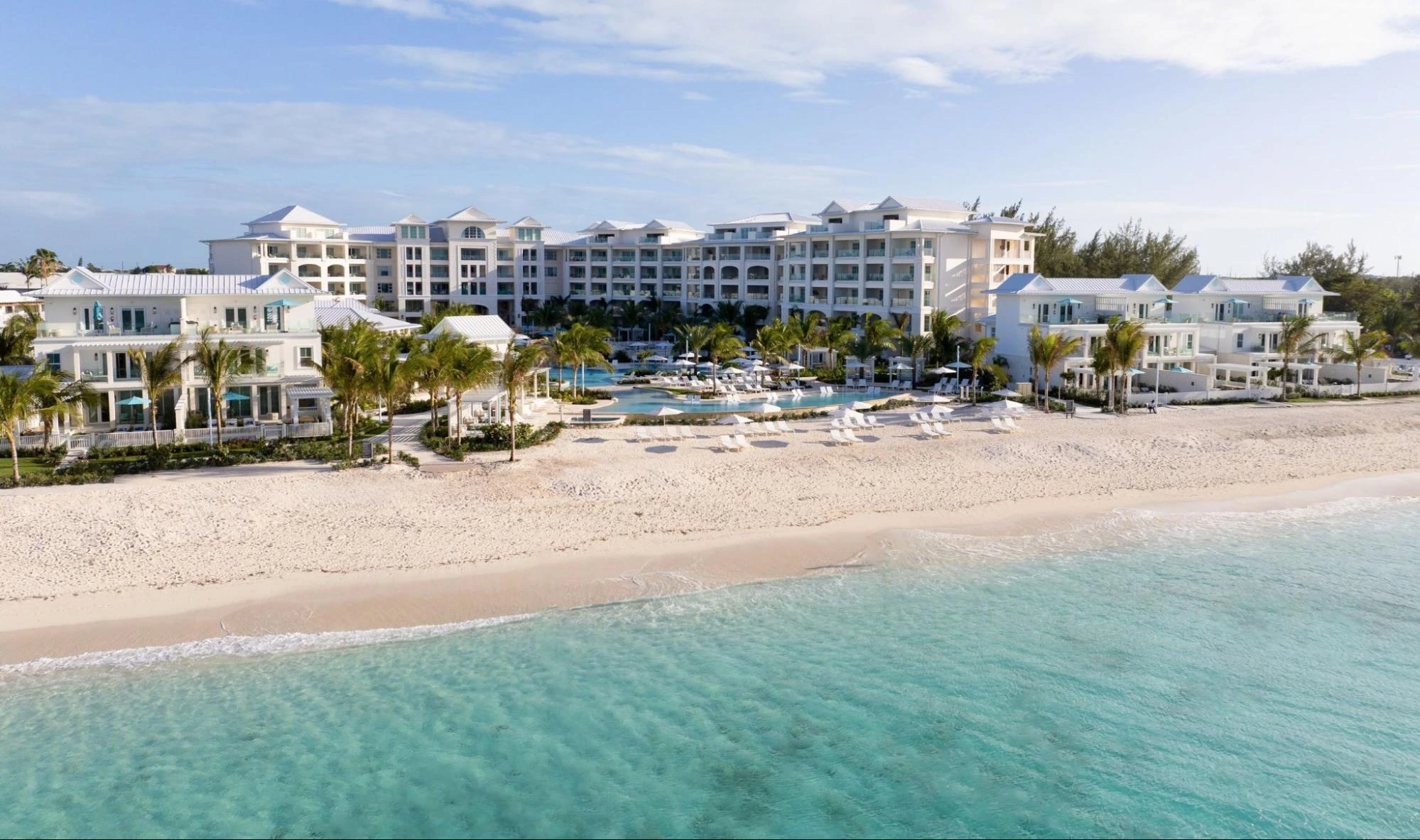
Crystal Cove, now reopened as Crystal Cove, Barbados, A Tribute Portfolio All-Inclusive Resort, marks a notable shift for both Marriott International and the Caribbean hospitality market. Positioned on Barbados’ West Coast near the island’s best-known calm waters and beaches, the 88-room property becomes the first all-inclusive resort under Marriott’s Tribute Portfolio flag. The move reflects how major hotel groups are increasingly trying to blend structured convenience with a more personality-driven, boutique sensibility.
Traditionally, all-inclusive resorts have leaned toward predictable formulas: standardized dining, uniform décor, and entertainment designed for maximum broad appeal. Tribute Portfolio, by contrast, has built its reputation around “characterful” hotels meant to feel local, textured, and visually distinct. Crystal Cove is being framed as an attempt to combine those two worlds—an all-inclusive model that still signals individuality rather than sameness.
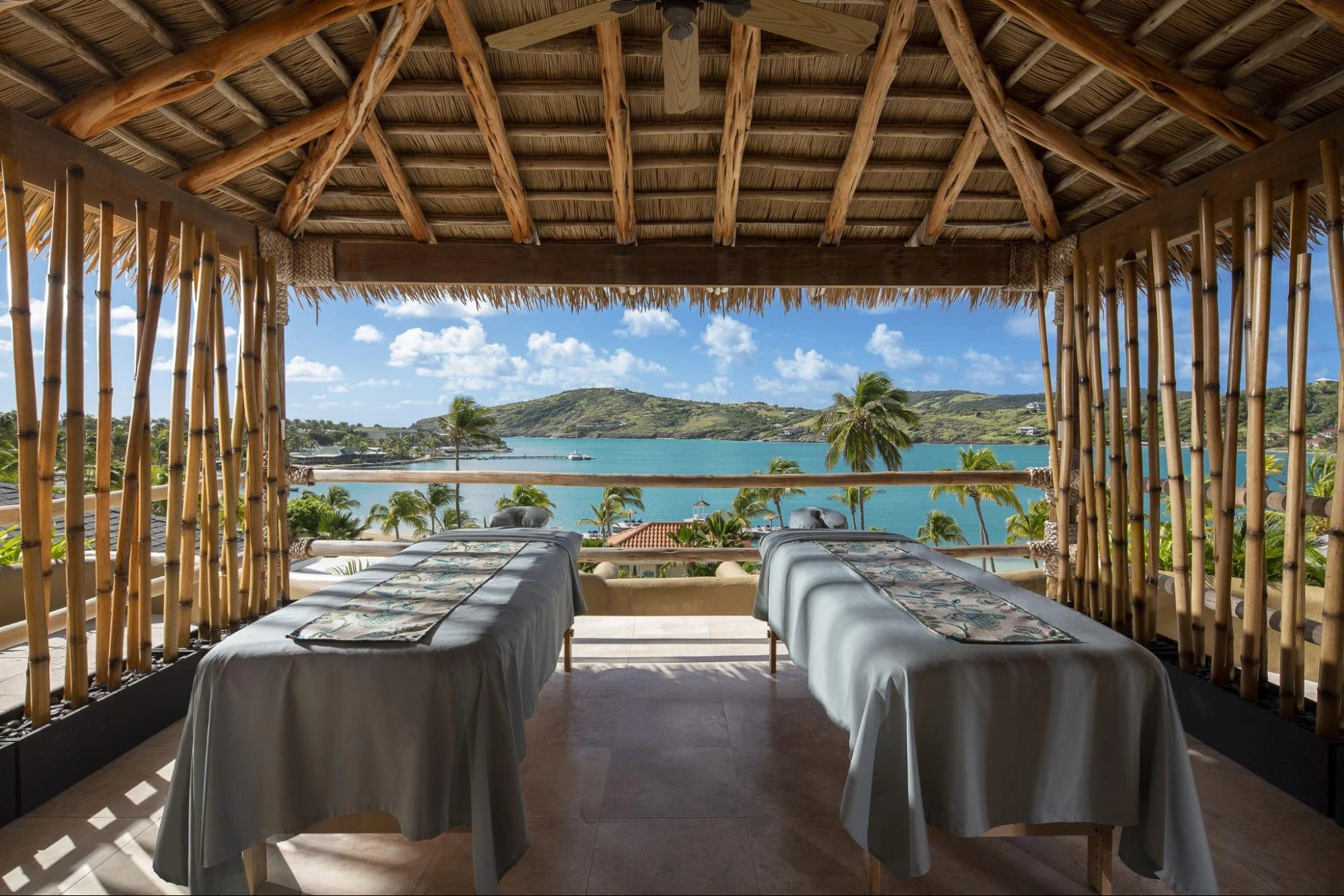
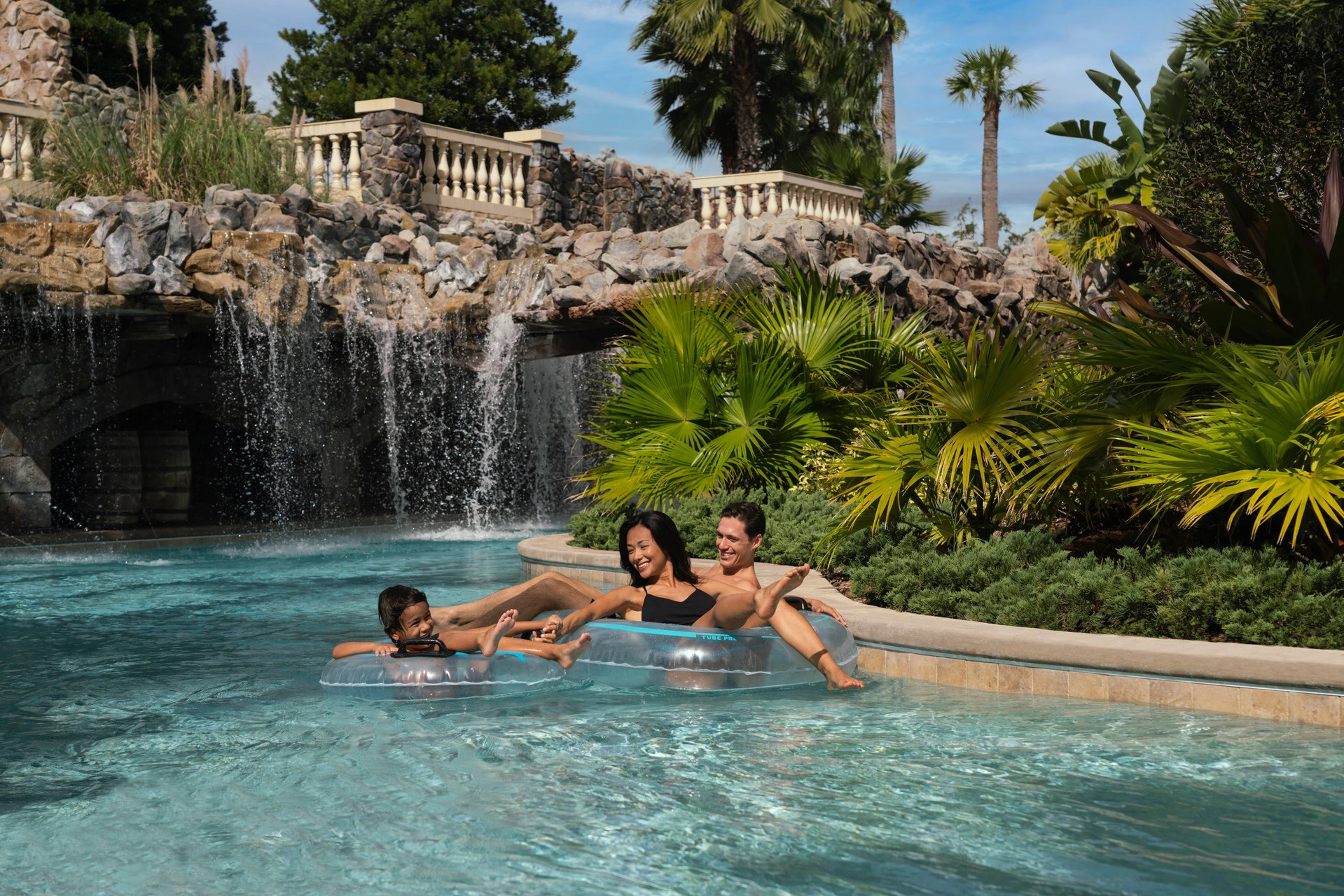
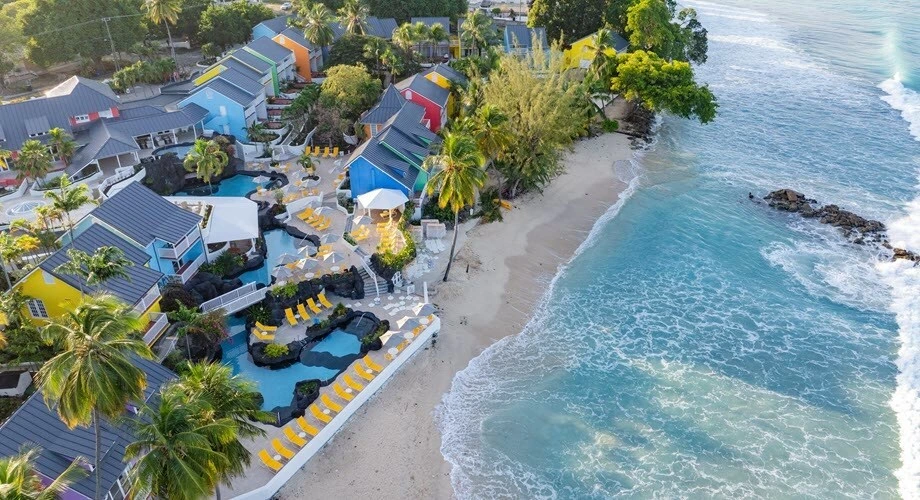
The resort’s design and layout are described as intentionally social, with lagoon-style pools, terraces, and open-air gathering spaces meant to encourage guests to move around rather than stay contained. Rooms and suites offer either ocean or garden views, and the overall aesthetic is positioned as bright and distinctly Barbadian, aligning with the brand’s emphasis on a “sense of place.” Its location, roughly 16 miles from Grantley Adams International Airport, places it close enough for easy arrival while still embedded in a quieter coastal stretch.
Dining, often the defining feature of any all-inclusive experience, is presented here as a mix of casual and curated. Crystal Cove includes two restaurants, a coffee and wine bar, and its long-running Cave Bar, a swim-up setting tucked behind a waterfall. Guests are also offered access to a “Dine Around Program,” extending meal options to participating sister properties in the Barbados Collection—an approach that suggests all-inclusive travel is expanding beyond single-property boundaries.
Programming leans heavily into shared experiences, from motorized and non-motorized water sports to family-focused offerings through a kids club partnership with CAMP, a company known for hands-on creative activities. The resort also includes a fitness center and meeting space for up to 70 people, pointing to a growing overlap between leisure travel and work-adjacent retreats. In a region where luxury tourism is evolving quickly, Crystal Cove’s relaunch offers a case study in how large hospitality brands are reworking familiar resort categories to match changing traveler expectations.