A major hospitality project in Georgia signals how emerging tourism markets are embracing large-scale, mixed-use destinations that combine entertainment, retail, and gaming into a single ecosystem.
Planet Hollywood Resorts International is entering the Georgian capital with a large-scale development that aims to introduce the country’s first integrated resort. The project, announced through partnerships with Orbi Group and Block Group, reflects a broader trend of global hospitality brands targeting fast-growing regional markets.
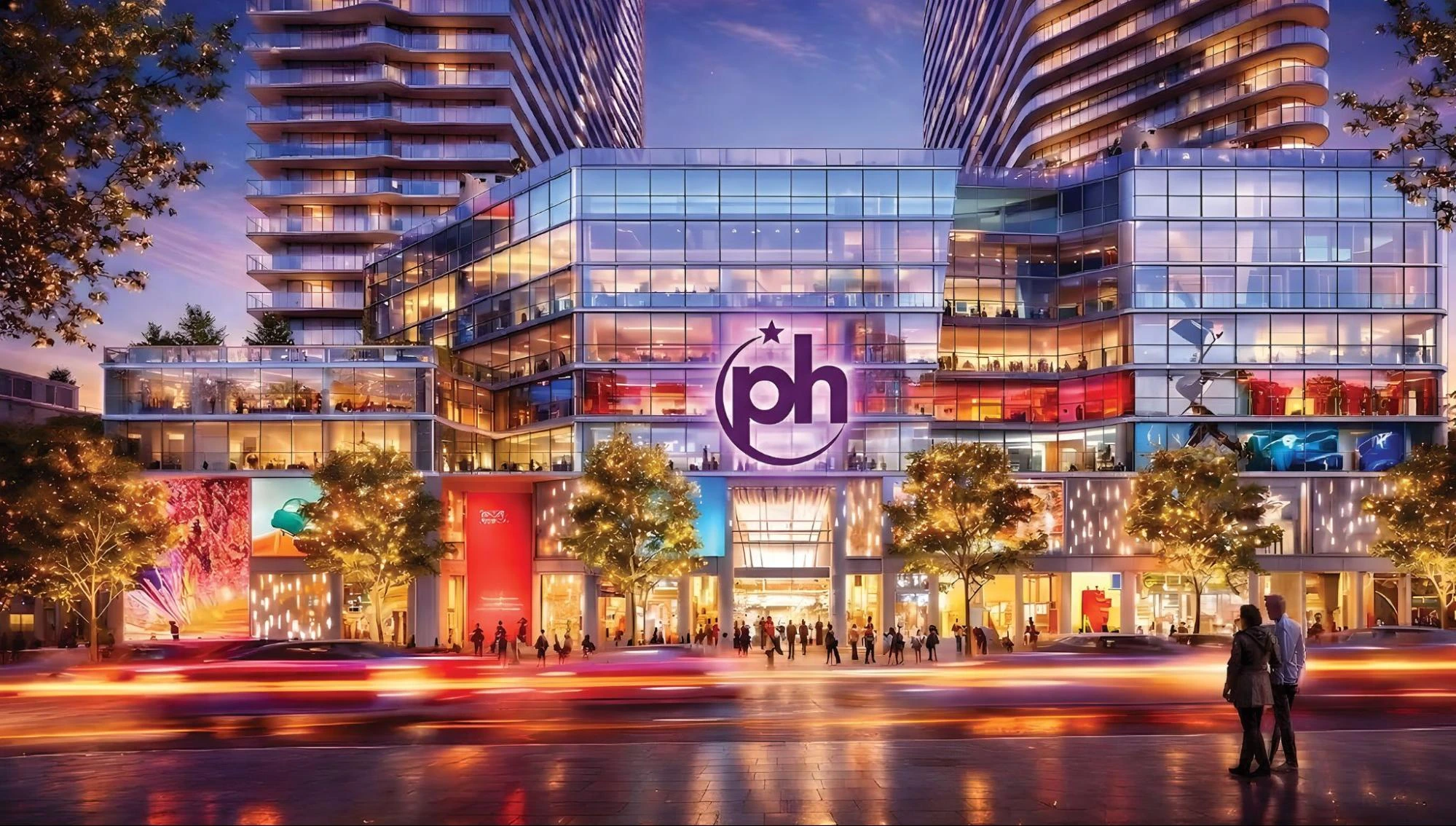
Planned for central Tbilisi, the development will form part of a two-tower complex totaling 1,200 rooms, including a 500-room Planet Hollywood Hotel & Casino and a 600-room Radisson Blu property. The site is expected to feature a casino, a large entertainment venue, retail space anchored by Harvey Nichols, and a range of dining and nightlife offerings, positioning it as a multi-use destination rather than a conventional hotel.
This kind of integrated resort model, long associated with cities like Las Vegas and Macau, has increasingly been adapted for new geographies seeking to boost tourism and diversify their economies. By combining hospitality, entertainment, and retail in a single location, such developments aim to extend visitor stays and increase spending, while also reshaping urban districts around them.
For Tbilisi, the project arrives at a moment of growing international attention, as the city balances its historic identity with a rapidly evolving tourism sector. Large-scale investments like this can accelerate visibility on the global stage, though they also raise questions about how local character is preserved amid rapid development.
The announcement also underscores a strategic shift for Planet Hollywood, which has been expanding its brand beyond traditional restaurant and entertainment venues into destination-scale hospitality projects. Partnering with local developers allows the company to enter new markets while navigating regulatory, cultural, and operational complexities.
If completed as planned, the resort is expected to generate significant employment and economic activity, with projections of over 2,000 permanent jobs. Its long-term impact, however, will depend on how effectively it integrates into the city’s broader tourism ecosystem and whether it attracts sustained international demand.
More broadly, the Tbilisi project reflects how the global hospitality industry is evolving toward experience-driven destinations. Rather than focusing solely on accommodation, developers are betting on environments that blend culture, commerce, and entertainment into a single, immersive offering.