
An in-depth conversation with the founder of a fast-growing AI CRM on trust, timing, and human-centered automation.
Key Takeaways
- AI should surface insight, not replace human judgment
- CRM success depends on context, not just data volume
- Automation works best when it feels invisible to users
- Founders must balance speed with ethical responsibility
- Customer trust is the ultimate competitive advantage
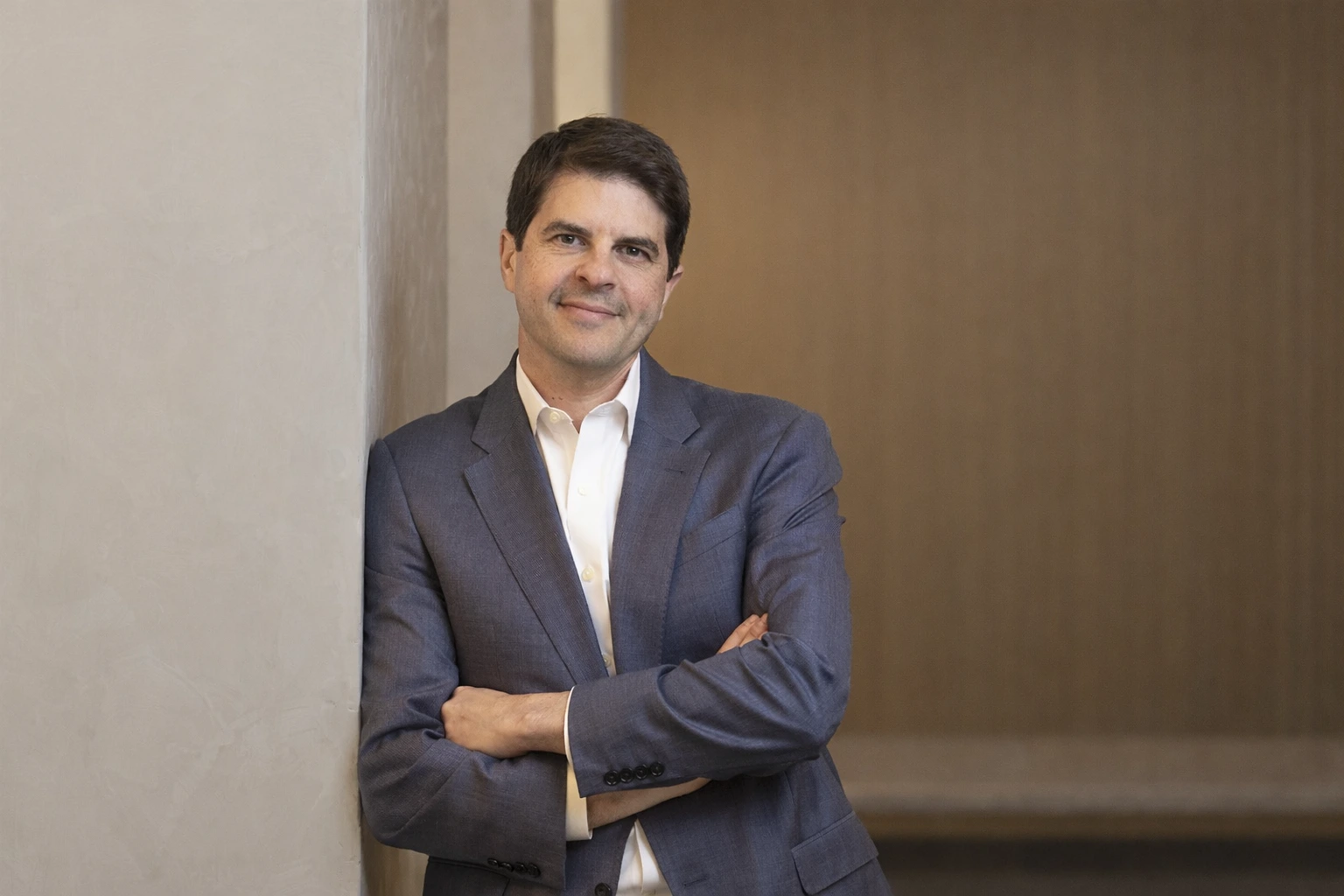
When customer relationship management first moved to the cloud, it promised clarity and efficiency. A decade later, many teams feel buried under dashboards, alerts, and fragmented customer data. That tension is what led Alex Moreno, founder and CEO of the AI-native CRM startup Relentis, to rethink what a CRM should actually do. Rather than asking users to adapt to software, Moreno set out to build a system that adapts to human behavior. In this interview, he reflects on the company’s rapid growth, the role of AI in modern sales and service teams, and why restraint may be the most underrated design principle in enterprise software.
Interview
Q1: You started Relentis after working in both sales and product roles. What problem were you personally trying to solve?
Absolutely. Before founding Relentis, I spent years bouncing between sales leadership and product teams, and I kept noticing the same pattern. CRMs were technically powerful, but they demanded constant manual upkeep—logging calls, updating fields, chasing reminders. Instead of helping me build relationships, they pulled me away from them.
The breaking point came when I realized most insights we wanted already existed in the data; we just weren’t extracting them in a useful way. I didn’t want another CRM with more features. I wanted one that understood intent, timing, and context. Relentis started as a very personal attempt to build the CRM I wished I’d had—one that worked quietly in the background and only spoke up when it truly mattered.
Q2: Many companies claim to be “AI-powered.” What does that actually mean in your product?
That phrase has become almost meaningless, hasn’t it? For us, AI isn’t a marketing layer—it’s the core operating system. But importantly, it’s not there to automate everything. It’s there to prioritize.
Relentis uses AI to observe patterns across conversations, deal movement, and customer behavior, then translate that into recommendations. For example, instead of telling a sales rep to “follow up,” it might suggest why now is the right moment, or flag that a deal is stalling because a stakeholder hasn’t been engaged. The goal is not to replace decision-making, but to sharpen it.
If users feel like the AI is bossing them around, we’ve failed. The system should feel like a thoughtful assistant, not a manager.
Q3: Growth often creates pressure to move fast. How do you maintain product discipline while scaling?
This has been one of the hardest parts of the journey. When demand accelerates, there’s a temptation to say yes to every feature request and every enterprise customization. Early on, we made a conscious decision to optimize for coherence over breadth.
We have a simple internal rule: if a feature doesn’t reduce cognitive load for the user, it doesn’t ship. That means we say no a lot—sometimes painfully so. But discipline compounds. A focused product scales better than a bloated one, especially when AI models depend on clean, consistent workflows.
Scaling responsibly also means investing heavily in infrastructure and governance early, even when it slows things down. That’s not glamorous, but it’s essential.
Q4: How do you think AI is changing the relationship between companies and their customers?
I think we’re at a crossroads. AI gives companies the ability to be more responsive and more personal at scale—but it also gives them the ability to be intrusive. The difference comes down to intent.
Used well, AI can help teams listen better. It can highlight frustration before it turns into churn, or surface opportunities to add value that a human might miss. Used poorly, it becomes noise—over-automated emails, tone-deaf outreach, and a sense that no one is actually paying attention.
At Relentis, we talk a lot about “earned automation.” The idea is that automation should only kick in once you’ve demonstrated relevance and respect. Customers don’t mind efficiency; they mind indifference.
Q5: What advice would you give founders building AI-first companies today?
First, spend more time on the human side of the problem than the technical one. The models will improve, the tools will get cheaper, but understanding real user behavior is still the hardest part.
Second, be honest about trade-offs. AI introduces real ethical and operational questions—around data use, bias, and accountability. Addressing those early isn’t a constraint; it’s a competitive advantage.
Finally, remember that trust compounds faster than growth. In enterprise software especially, reputation travels quickly. If users feel respected and supported, they’ll forgive imperfections. If they feel manipulated or overwhelmed, no amount of intelligence will save the product.
Looking Forward
Relentis’ rise reflects a broader shift in how businesses think about customer relationships—not as pipelines to optimize, but as signals to interpret thoughtfully. Moreno’s emphasis on restraint, context, and trust offers a counterpoint to the prevailing “more automation is better” narrative. As AI becomes embedded in every layer of business software, the differentiator may no longer be intelligence alone, but judgment. In that sense, the future of CRM may depend less on how much AI can do, and more on knowing when it should stay quiet.