
As FirstService Residential expands its leadership team, the move highlights how residential management firms are navigating rising operational complexity across condo and co-op housing
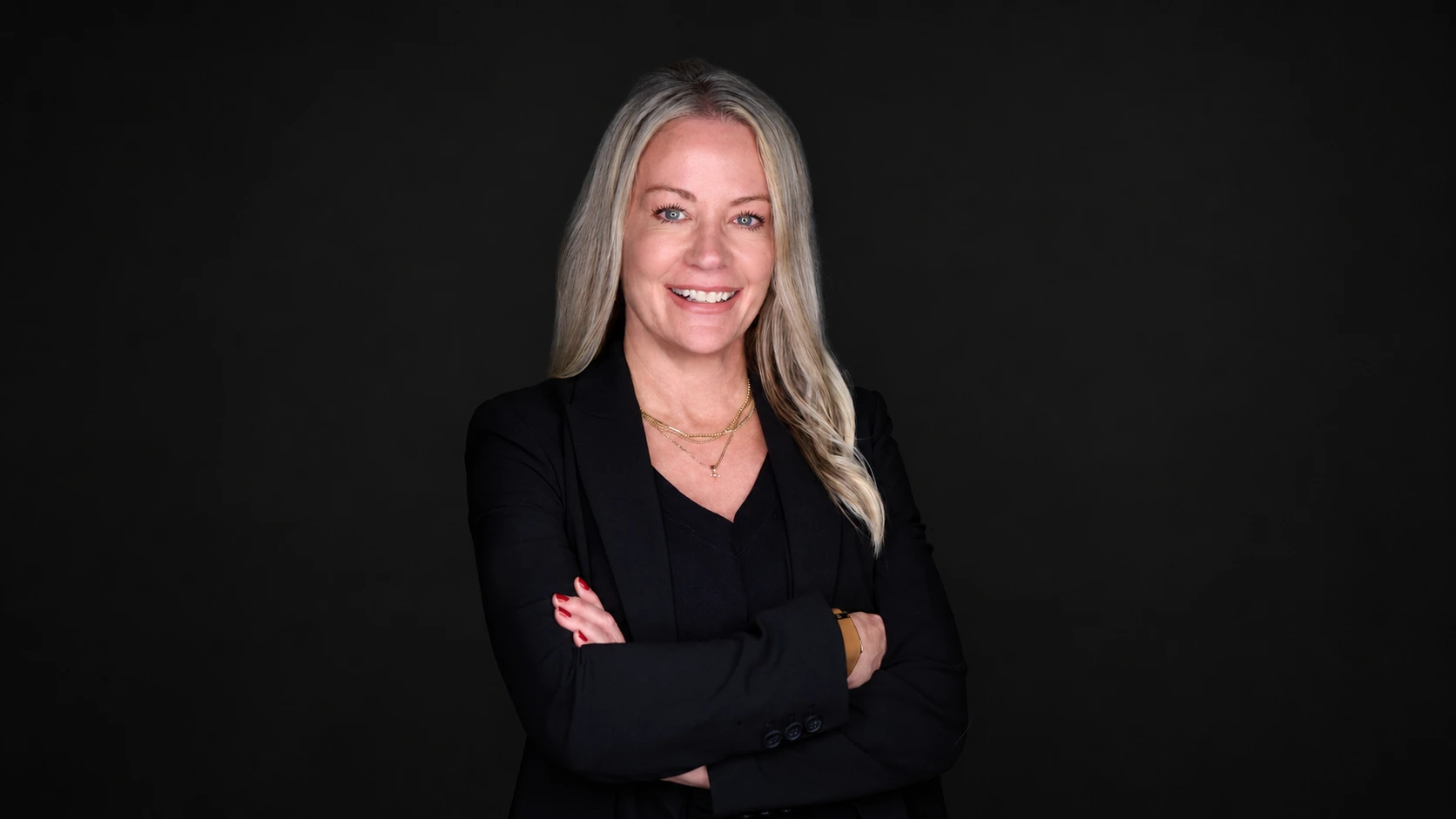
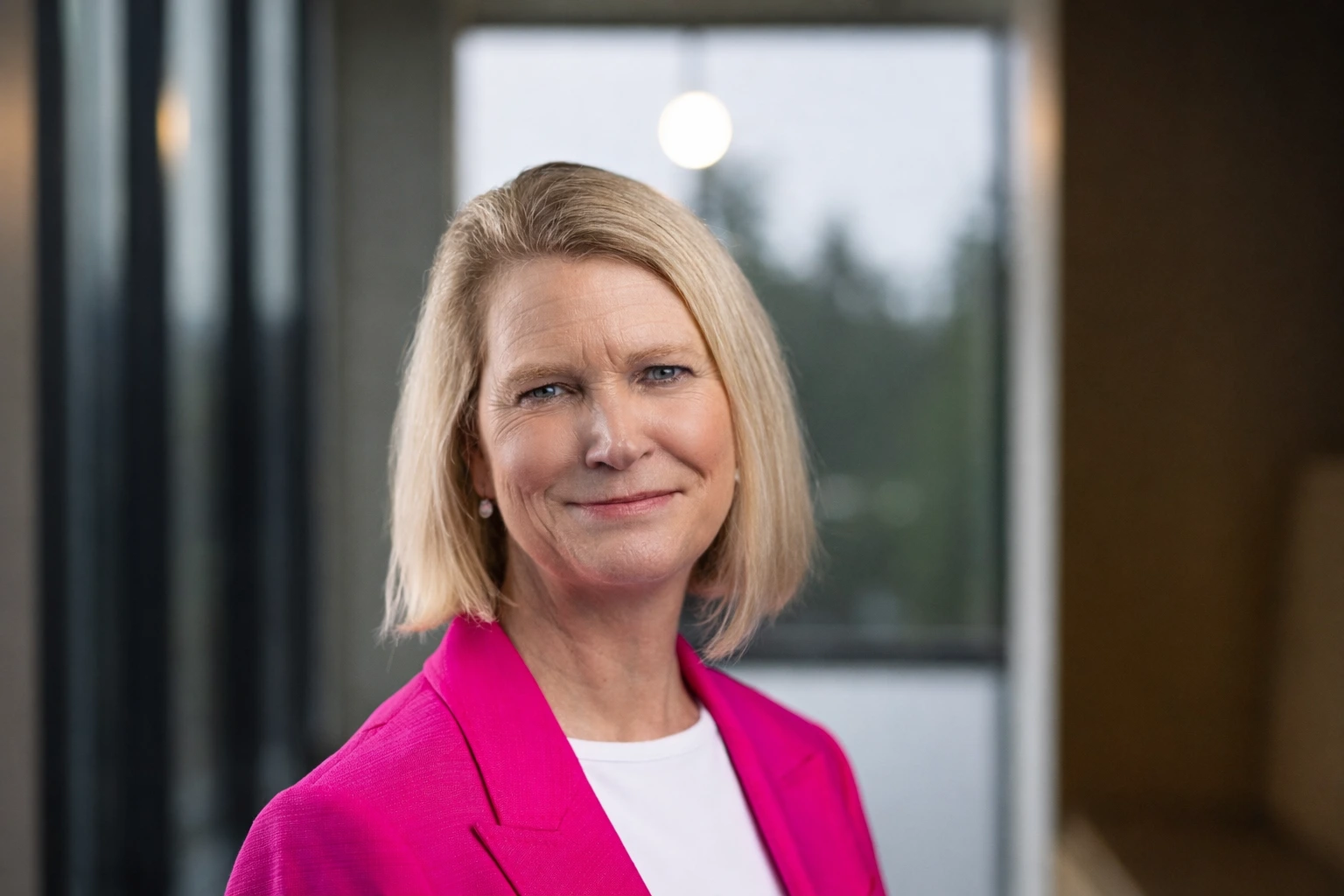
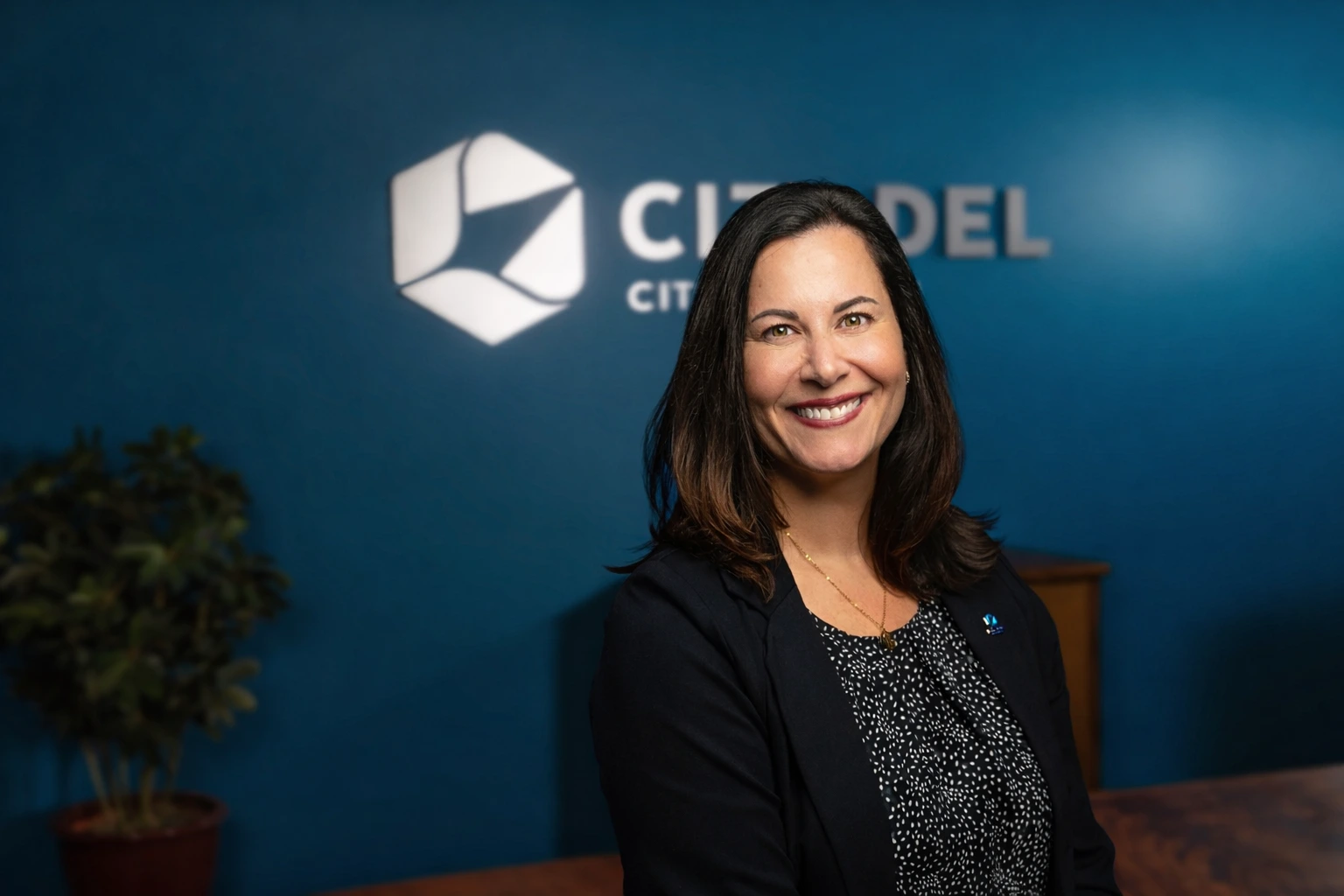
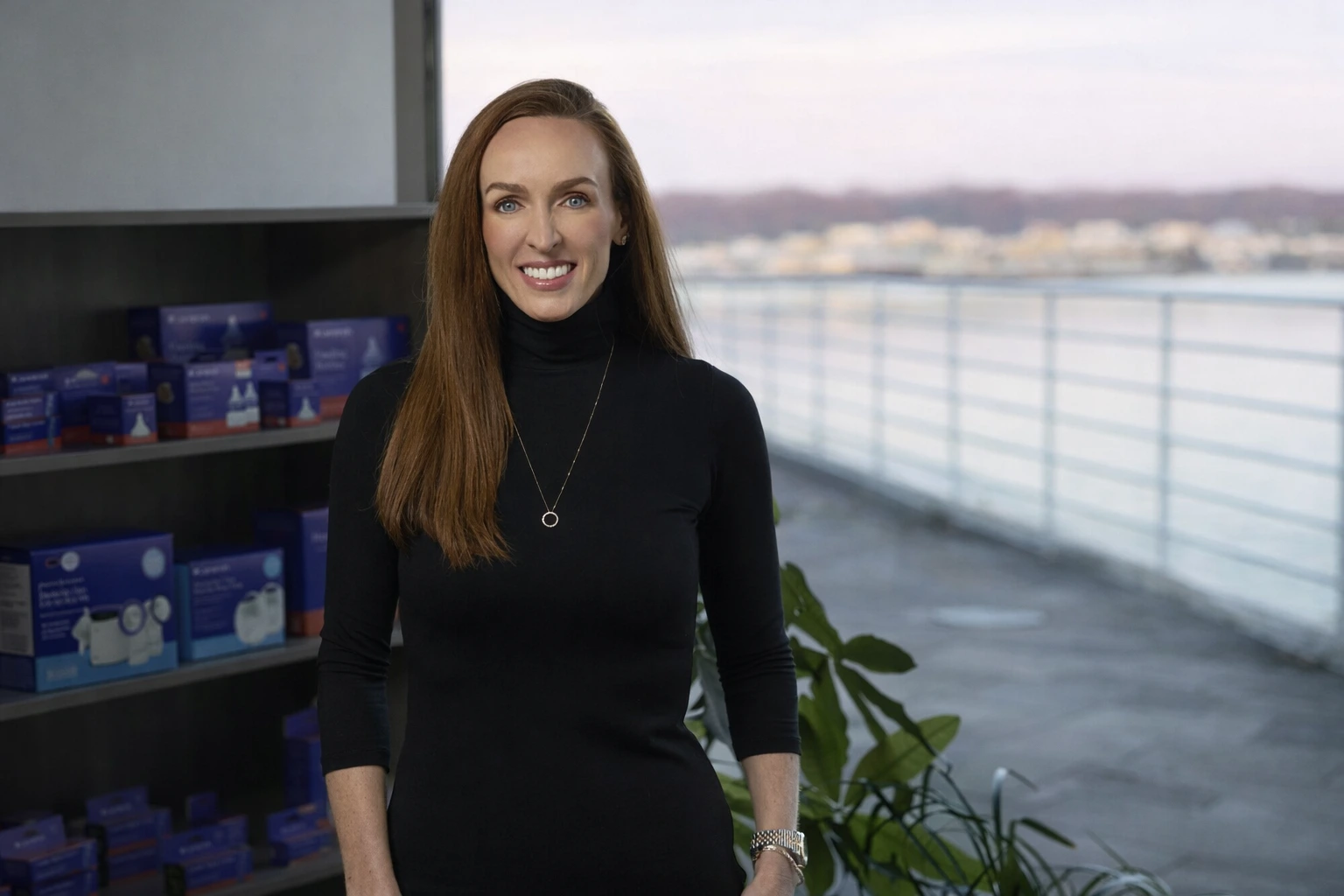
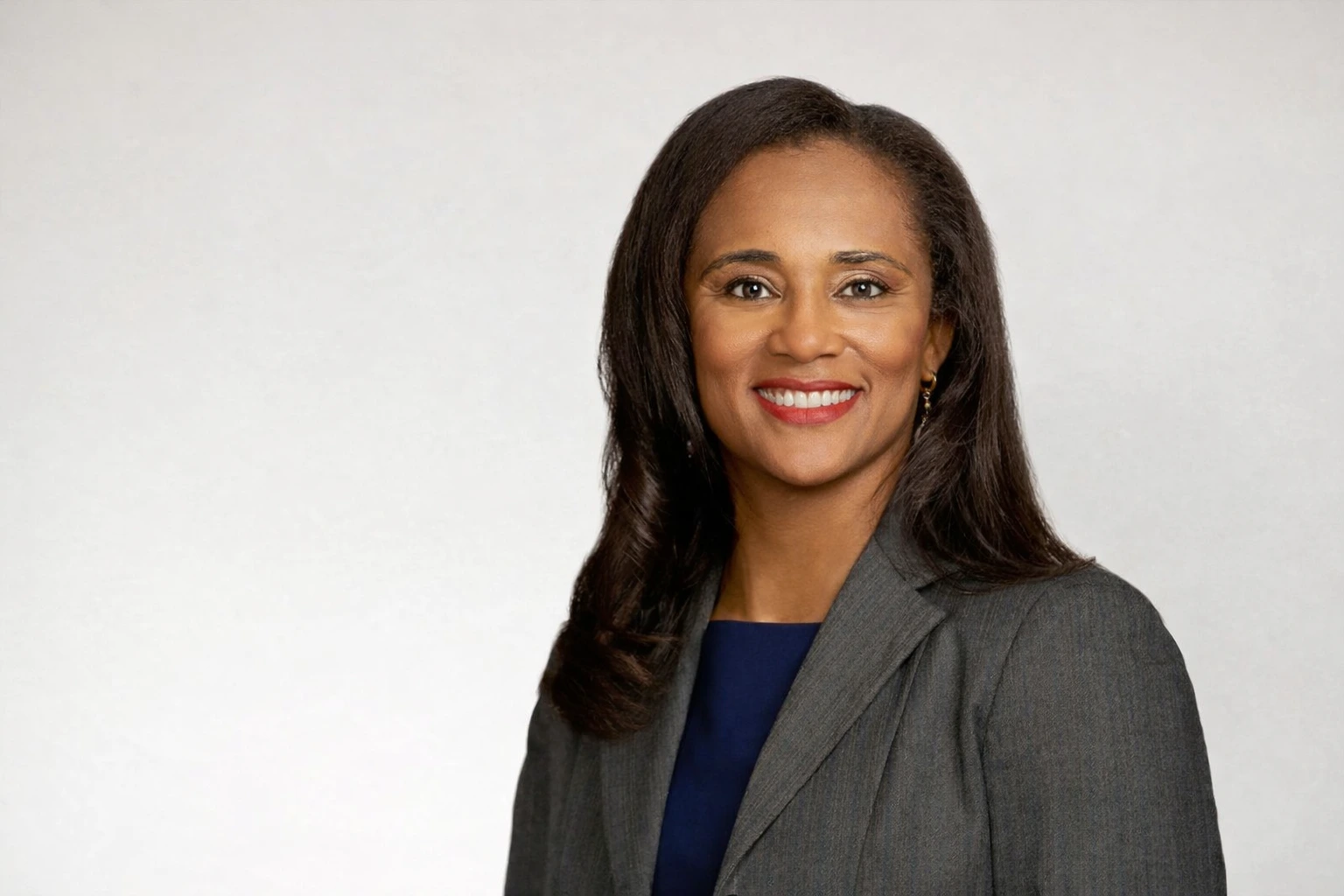
FirstService Residential has appointed Maria Hurst as Senior Vice President of its Condo/Coop Werny Division in New York, a leadership move that reflects broader shifts taking place across the residential property management industry. In her expanded role, Hurst will oversee a large portfolio of condominium and cooperative properties while guiding operational strategy and management teams across the division. The appointment comes as residential buildings, particularly in dense urban markets like New York City, face mounting pressure to balance aging infrastructure, regulatory compliance, and evolving resident expectations.
Hurst’s career trajectory within the company mirrors a wider trend in property management toward operational specialization and long-term institutional leadership. Since joining FirstService Residential in 2003 as an assistant property manager, she has advanced through multiple leadership positions tied to both established buildings and new developments. Her experience includes overseeing capital improvement initiatives such as façade restorations, roof replacements, and energy-efficiency compliance projects, responsibilities that have become increasingly central to modern residential management.
The promotion also underscores how the role of property management companies has evolved beyond basic building operations. In cities with aging housing stock and complex regulatory frameworks, management firms are increasingly expected to function as strategic advisors capable of navigating energy mandates, infrastructure modernization, and large-scale maintenance planning. New York’s Local Law 11 façade requirements and energy benchmarking regulations, both referenced in Hurst’s experience, are examples of how compliance responsibilities now shape much of the industry’s day-to-day work.
At the same time, resident expectations have shifted significantly over the past decade. Luxury condominiums and cooperatives increasingly compete not only on location or amenities, but also on service quality, communication, and operational responsiveness. That shift has elevated the importance of leadership roles focused on coordination, long-term planning, and resident experience rather than solely facilities management.
Hurst’s appointment reflects how established property management firms are preparing for a future in which operational expertise and organizational continuity matter as much as traditional real estate knowledge. As urban residential buildings become more technologically integrated and regulation-heavy, leadership within the sector increasingly depends on professionals capable of balancing infrastructure demands with the service expectations of modern city living.