How geospatial analytics and machine learning are reshaping decision-making across global property markets
Commercial real estate has long relied on experience, relationships, and historical benchmarks to guide decision-making. But as markets become more complex and data becomes more abundant, those traditional methods are no longer enough on their own. The challenge is no longer access to information, but making sense of it in a way that leads to better outcomes.
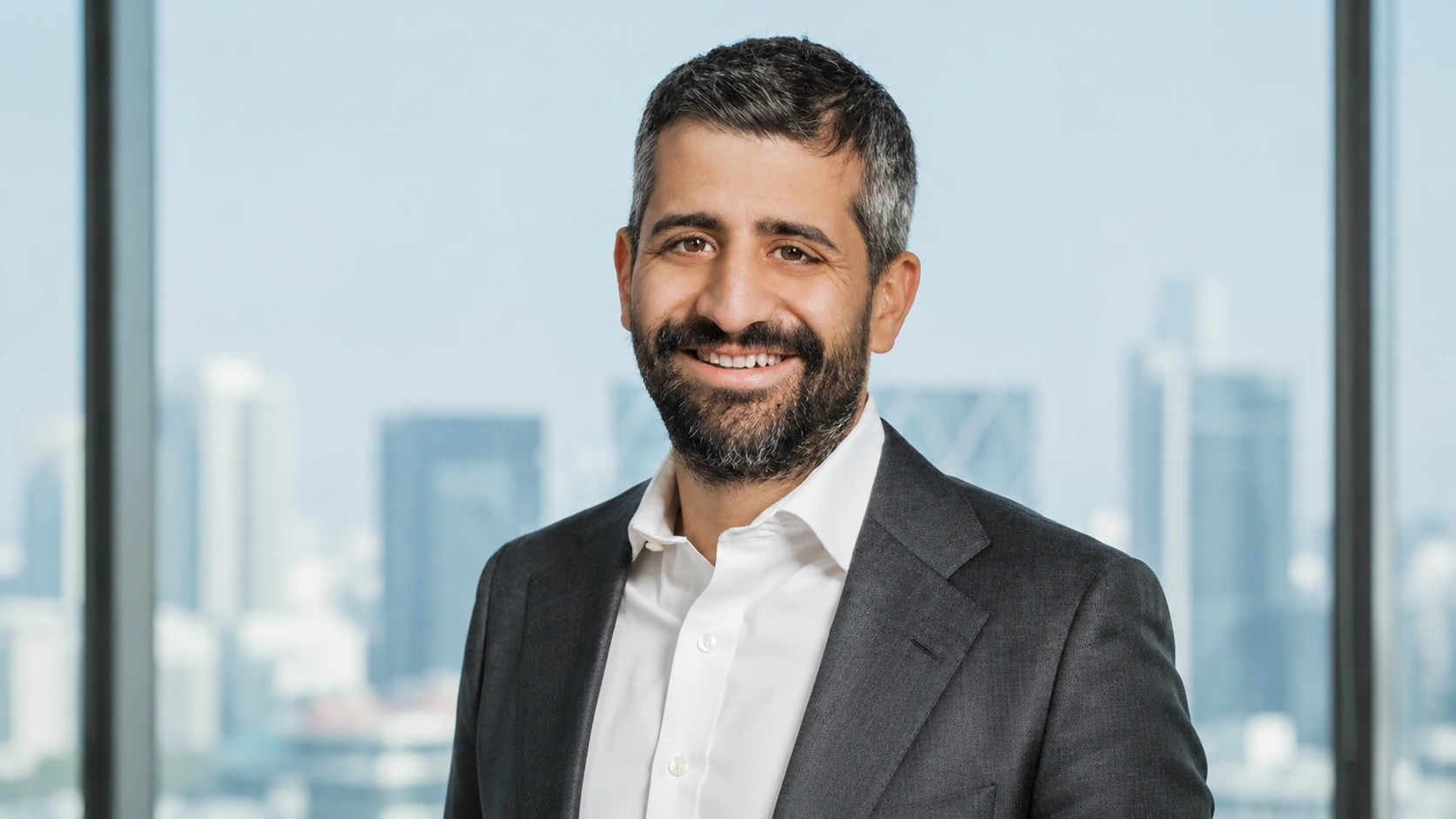
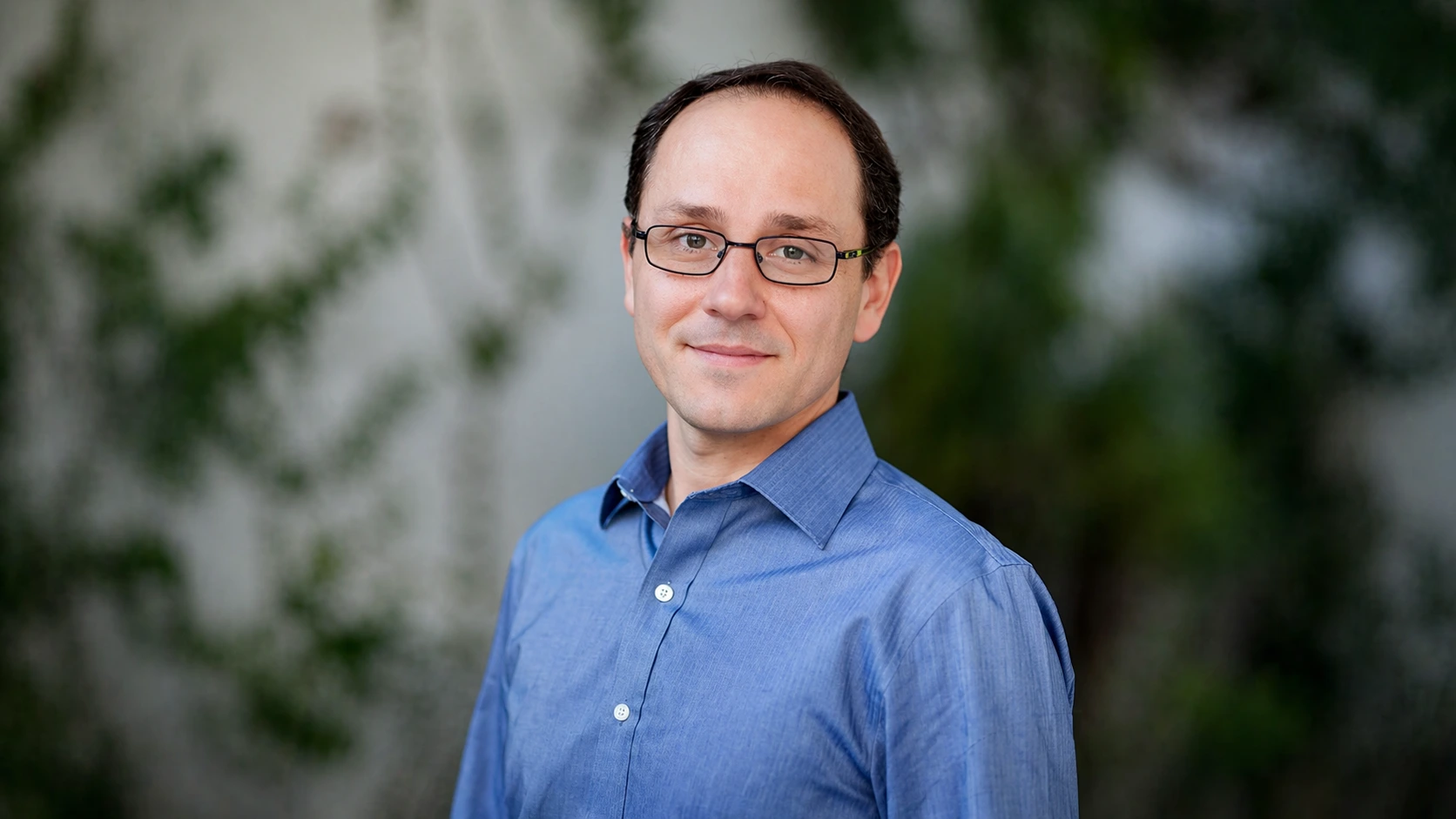
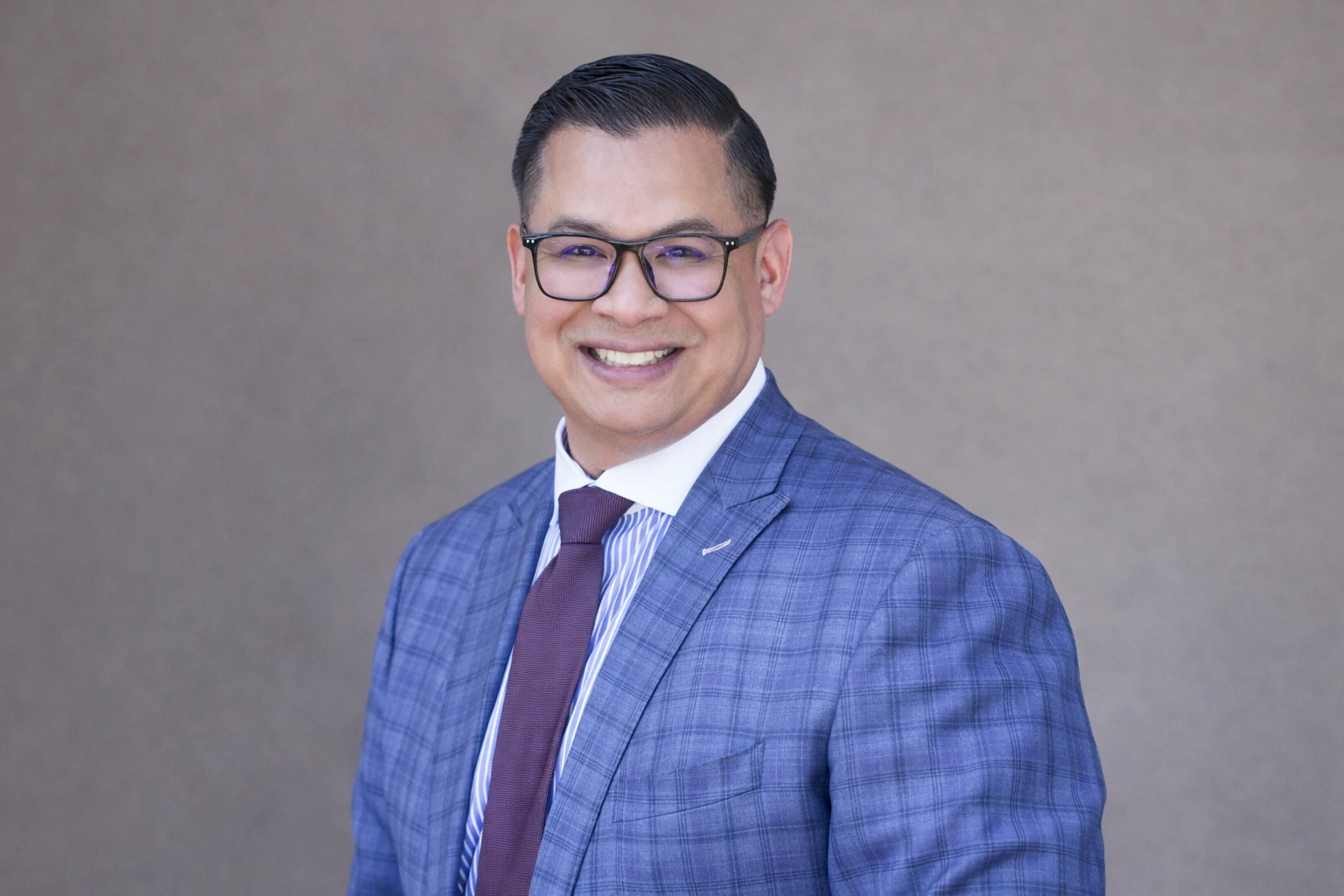
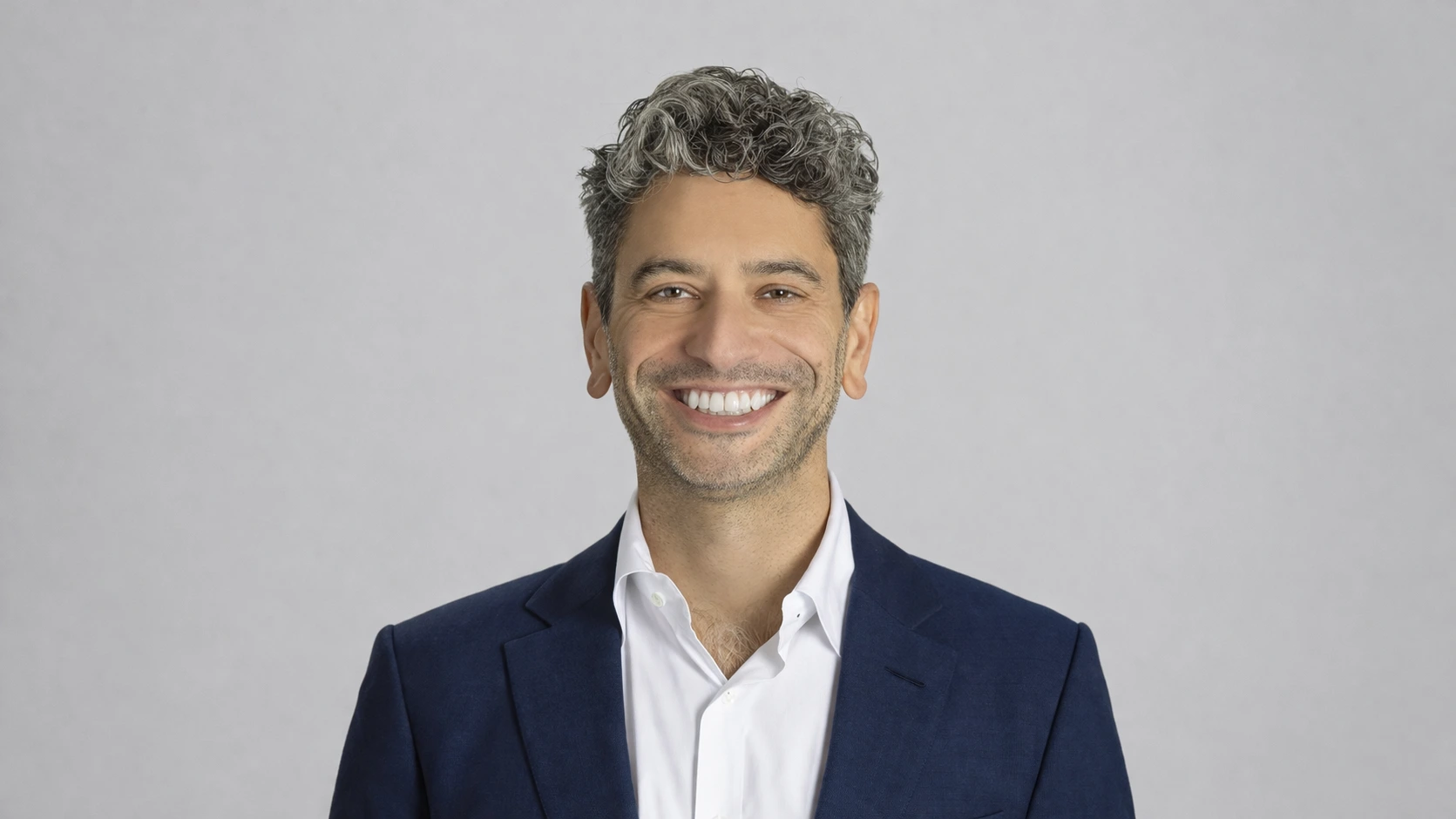
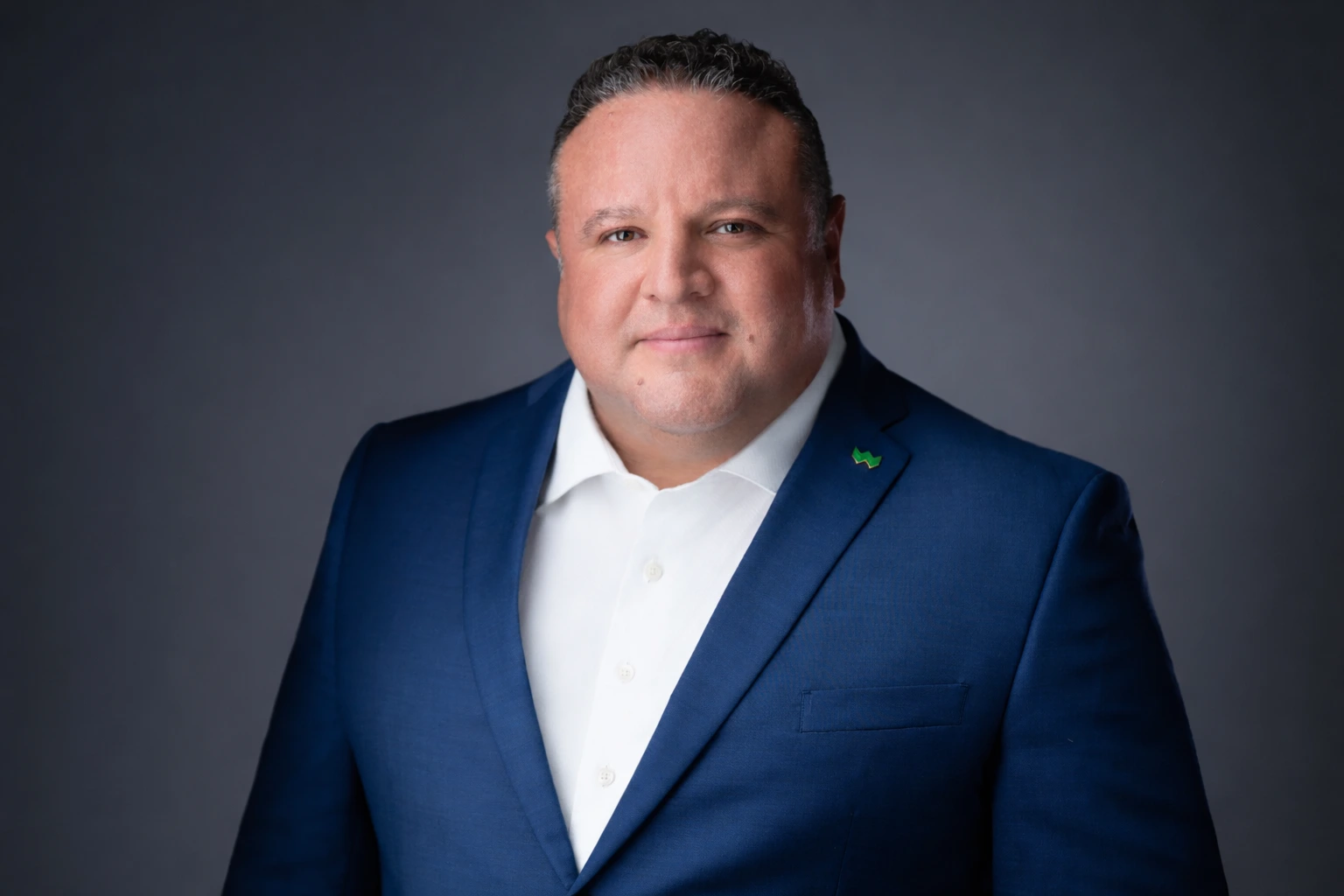
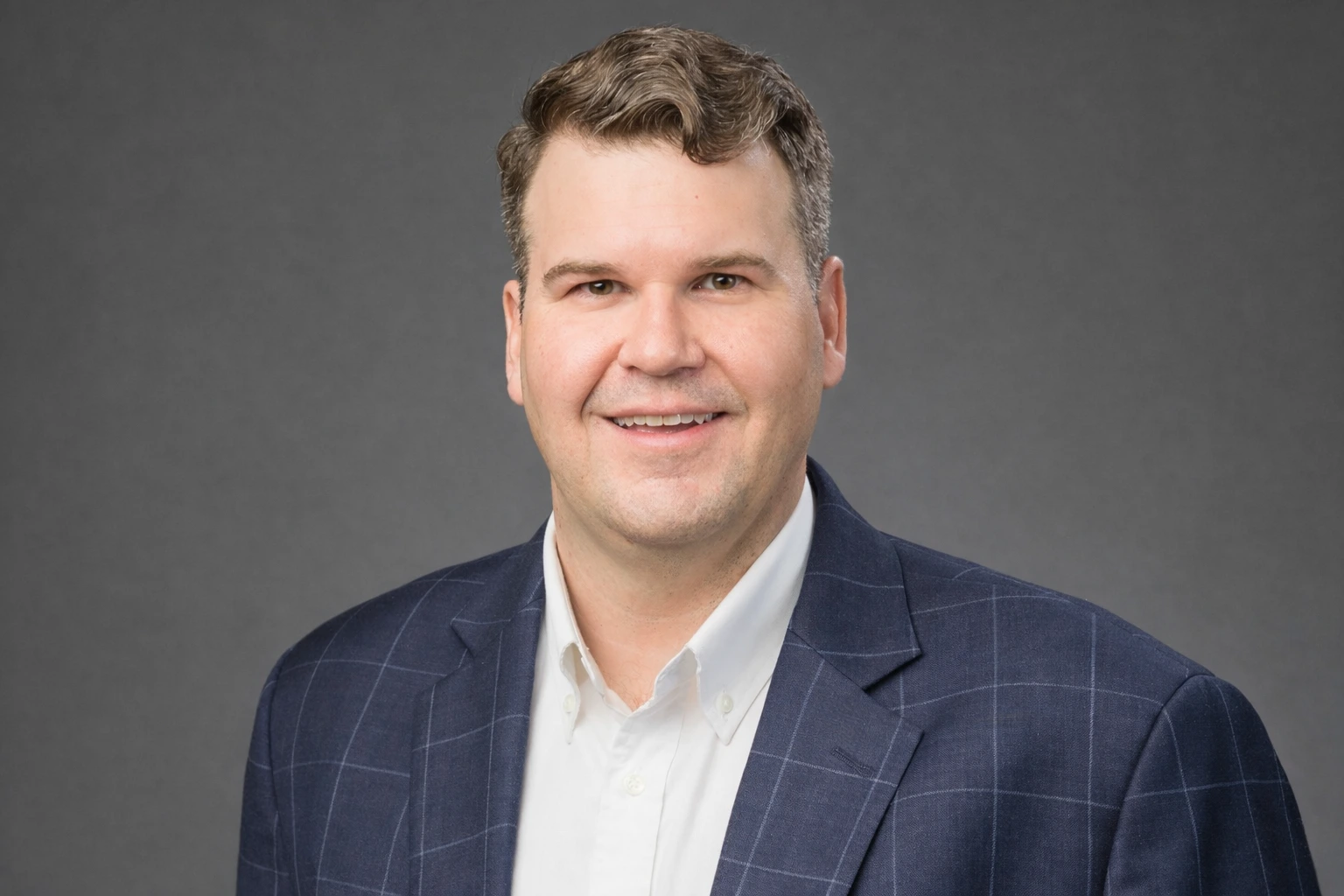
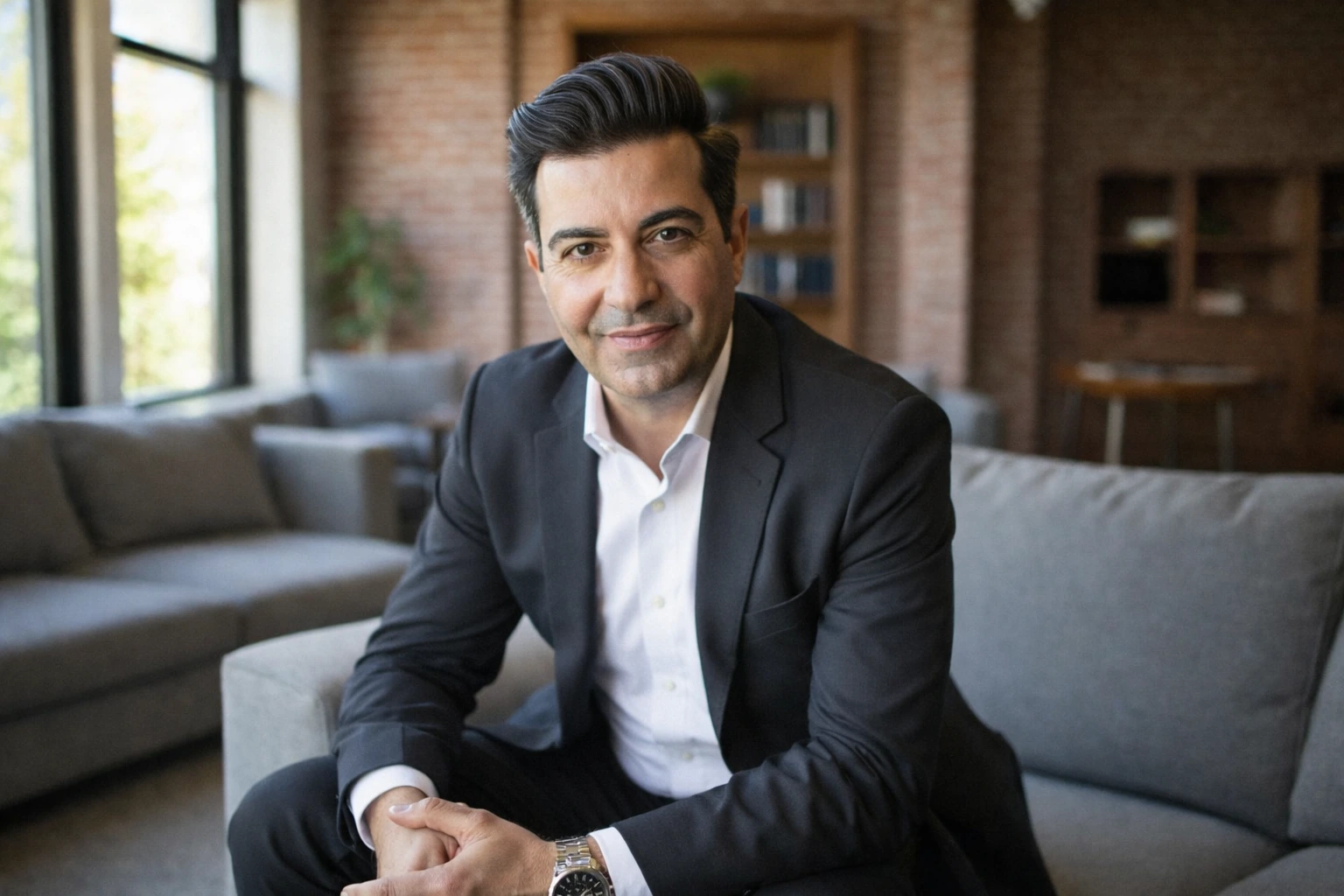
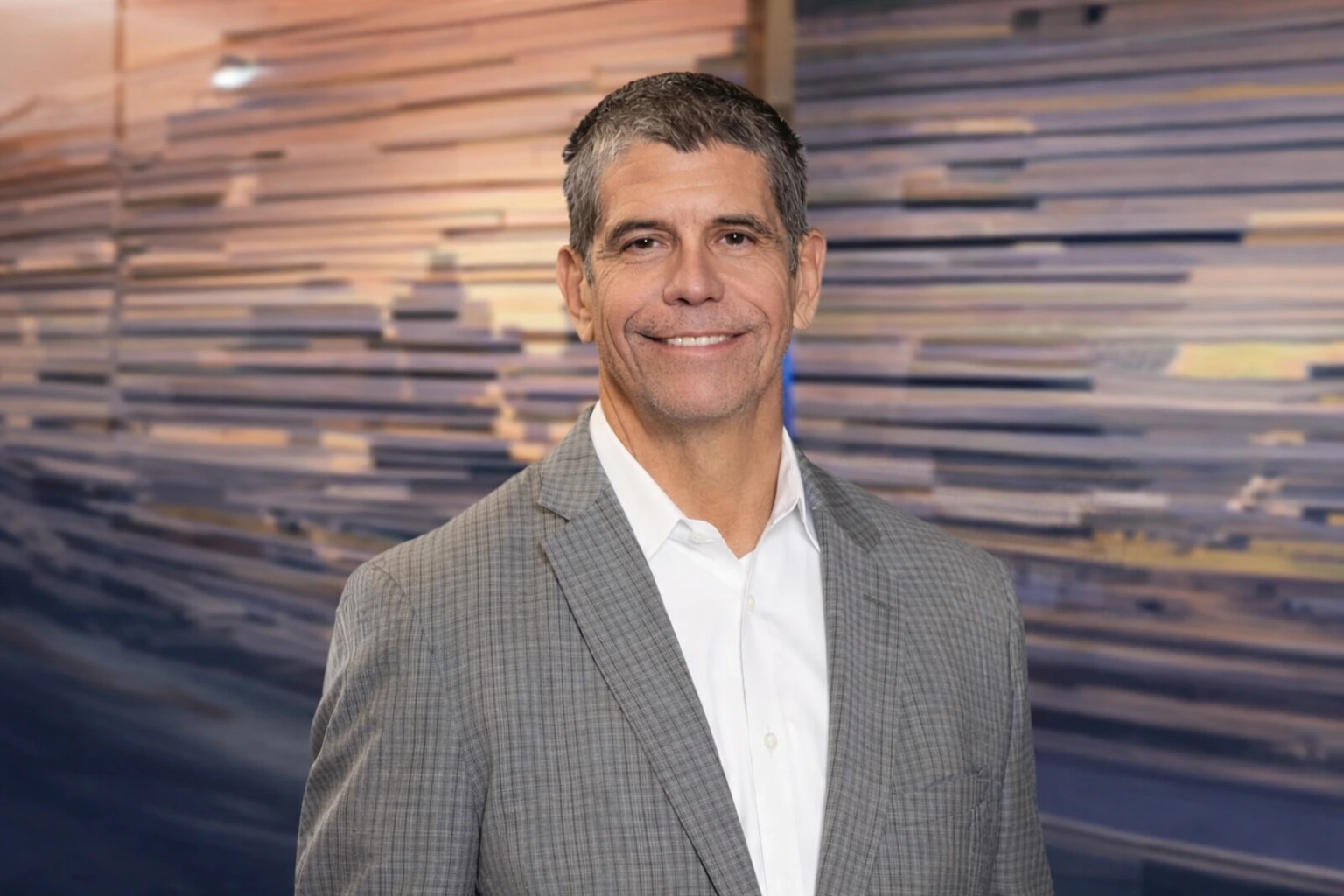
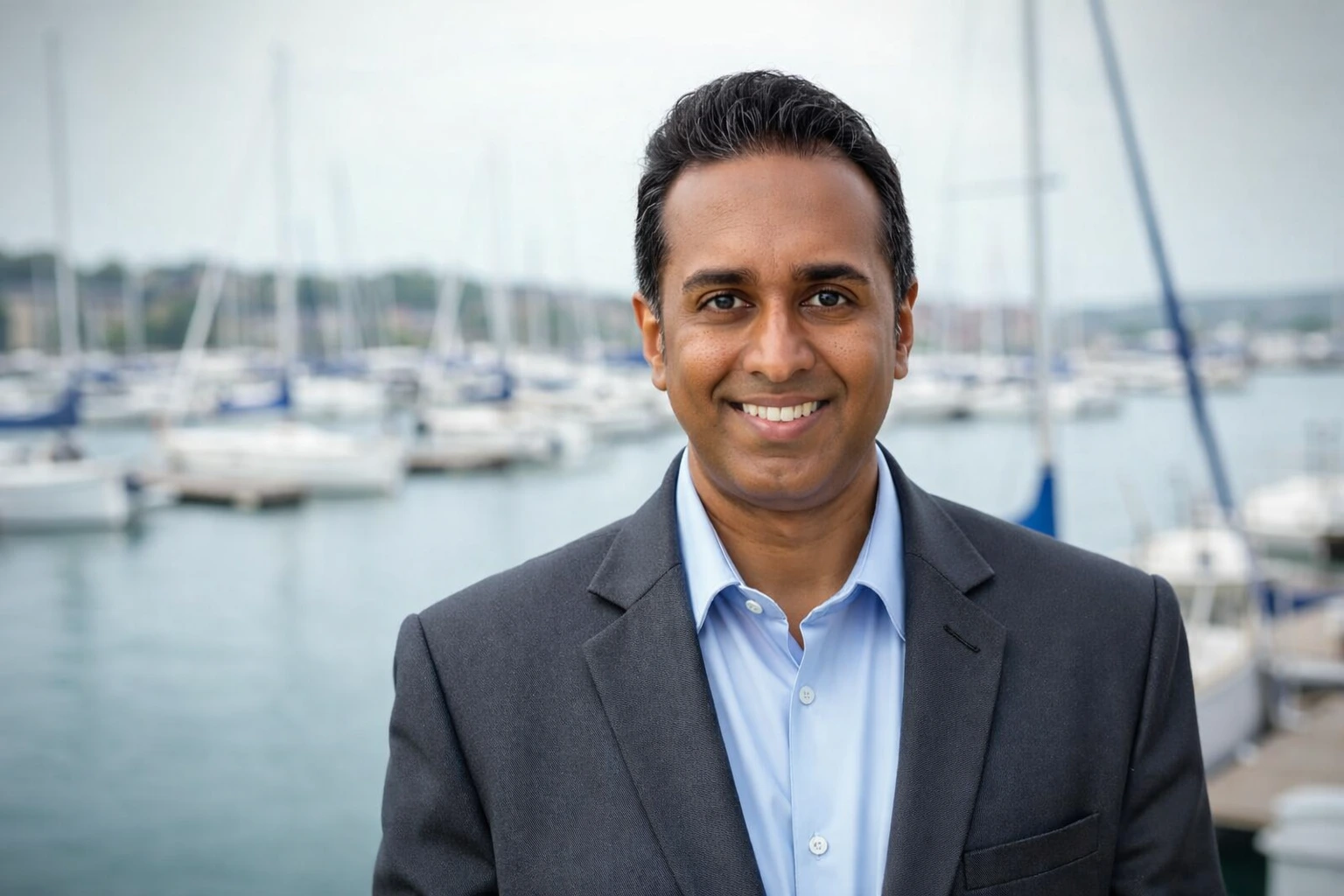
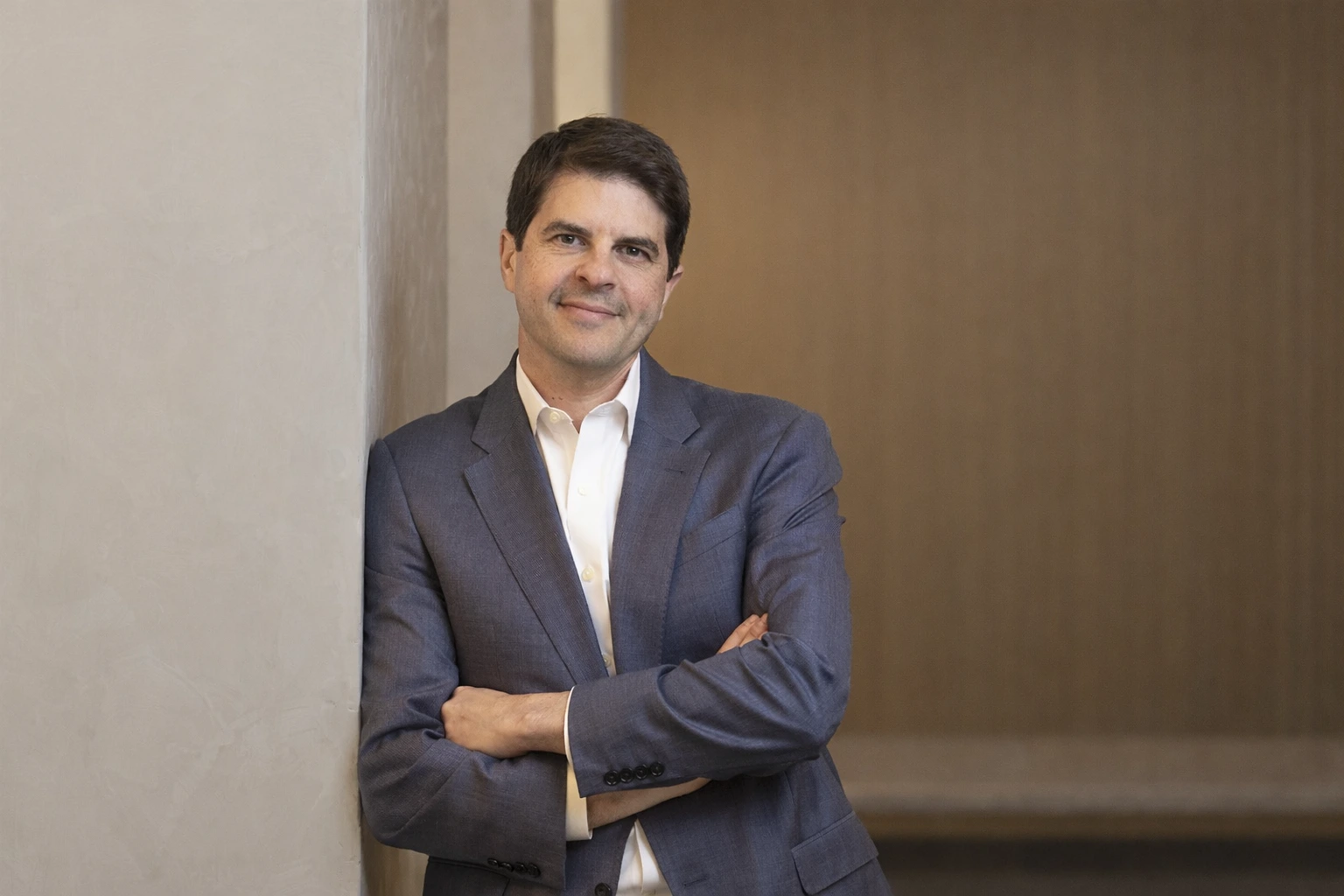
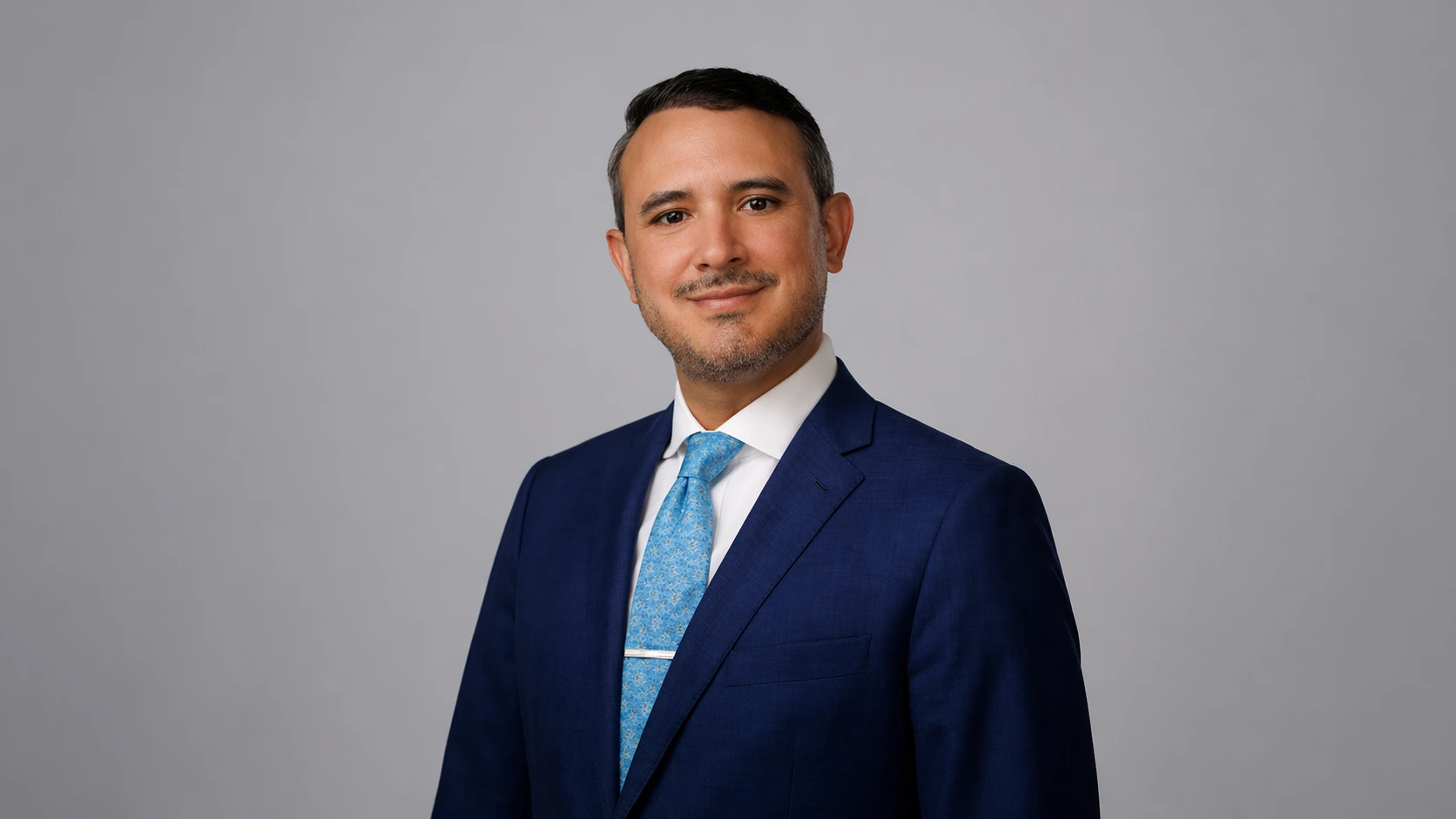
Cushman & Wakefield’s recent appointment of Dr. Miguel A. Rodriguez as Head of Data Science & Geospatial Analytics signals a deeper push into that next phase. As part of the firm’s Quantitative Insights Group, Rodriguez will lead efforts to translate large-scale datasets into actionable intelligence for investors and occupiers, using a combination of geospatial analytics, econometrics, and machine learning.
In this conversation, Rodriguez shares how data science is evolving within real estate, what it means for clients, and how the industry can balance advanced analytics with the human relationships that have always defined it.
An Interview with Dr. Miguel A. Rodriguez
For readers who may be less familiar with the role of data science in commercial real estate, how would you describe this new position and the value it brings to Cushman & Wakefield’s clients?
Miguel: The commercial real estate industry has been stuck for a long time with the same ways of looking at outcomes: historic leases, comps, submarket trends, and all those familiar metrics. We find that in today’s data-driven environment we can and should do more. We can use Cushman & Wakefield’s proprietary databases of millions of transactions, not to mention its other data from asset or construction management, socioeconomic and demographic data and a variety of other public and private datasets, and put those into systems that answer important questions: what is happening, what will likely be happening, and where? What is the actual cause of the effect? We believe our analysis methods using machine learning and AI, in addition to traditional economics and social science, will provide for actionable insights to our clients.
The creation of the Quantitative Insights Group signals a deeper investment in data-driven advisory. What shifts in the real estate market are driving the need for more advanced analytics and predictive modeling?
Miguel: The real estate market has become far more complex and less predictable than it was even a decade ago. Occupiers and asset owners now have access to significantly more data, but the real challenge is turning that data into actionable insight. We’re seeing faster market cycles, more localized market cycles, and a lot of policy-driven shifts from global markets, interest rate decisions, and even policy coming from state and provincial legislatures and city halls. Occupiers continue to figure out right-sizing in a hybrid environment, and they now face questions of staffing levels given an ever-changing AI landscape.
On the investor side, with today’s cap rates there is even more pressure to justify decisions with precision rather than intuition. Decisions are and will remain framed around highly micro income-oriented metrics. The way to get there is to use more advanced analytics and predictive modeling. My goal is that we provide advisory services and build tools that cut through noise, detect patterns early, and support more confident, forward-looking decision-making.
Your work brings together geospatial data, econometrics, and machine learning. How do these disciplines combine to produce insights that are actually actionable for investors and occupiers?
Miguel: A famous geographer, Waldo Tobler, gave us the first law of geography: “everything is related to everything else, but near things are more related than distant things.” I’m an urban planner by background, and I think of real estate in terms of the place, on a map, interacting and in dialogue with its environment. Those spatial patterns—clustering, momentum, spillovers, emerging hotspots—are critical to account for. Unfortunately I see a lot of analysis out there that simply does not look at important considerations of geography.
Nowadays we have very advanced spatial tools, and GIS has come such a long way since even the 2010s. We can do really interesting geospatial analysis using rather large datasets, like millions of buildings and transactions, to tease out patterns in space and intersect them with other economic indicators. This leads to more precise analysis because we’ve accounted for something so important to real estate: place! Doing so also enables us to build decision intelligence platforms and mapping systems that give clients birds eye views of what is going on in their region, or across regions.
Commercial real estate has traditionally relied on experience and relationships. How do you see data science changing decision-making without losing that human element?
Miguel: I love nothing more than being in a room where I can provide answers to some questions that require some quantitative or spatial analysis, and to translate it all so decision-makers can understand and act. I’ve done this throughout my career for clients, and public sector decision-makers like governors and mayors. That, I find, does build rapport and trust when I can say what we know and back it up, or be candid of what we don’t know yet.
A lot of what I foresee doing with our team is supplementing our leadership and top brokers who have the on-the-ground relationship and years of trust. We augment their ability to work with key clients by opening up new conversations that are based on our data platforms, tools, and analyses. If we can help them start a conversation asking, “have you seen this interesting map?”, for example, then our team will have done a lot of its job of moving conversations, and our services, forward.
As cities and workplace dynamics continue to evolve, how do you see data and geospatial analytics shaping the future of real estate strategy over the next decade?
Miguel: Over the next decade, I think data and geospatial analytics will become much more embedded in how real estate strategy is developed, not just as a back-end of some computers and wonks like me, but as a core part of decision-making. Real estate has always been about location, but we’re now in a position to quantify and model “place” in much more sophisticated ways.
We’ll see greater integration of spatial data with economic, demographic, and behavioral signals to better understand how cities are evolving. We want to use these advanced tools to zoom in more than has been done in the past, block by block, not just at a high level. That includes everything from how people move through urban environments, how zoning and policy matters, to how different industries cluster and change over time.
At the same time, I expect predictive capabilities to improve meaningfully. The folks I know in academia are coming up with improved machine learning methods and tools every day, and every time forecasting abilities get better. This will help clients not just react to trends, but anticipate them. We can redefine what a submarket is, be more bespoke to each client and industry, and account for things like area patterns, placemaking, walkability, transportation, and so much more.
This helps us forecast demand shifts and recommend ways for optimizing portfolios, so the ability to combine geospatial intelligence with machine learning will be a key differentiator. I’m excited and think these ways of looking at the real estate world will really differentiate our services to add more value than ever before.
A More Precise Lens on Place and Performance
As the real estate industry continues to evolve, the role of data is shifting from a supporting function to a central driver of strategy. Cushman & Wakefield’s investment in data science and geospatial analytics reflects a broader recognition that understanding markets now requires both scale and precision.
If the next decade delivers on that promise, decision-making in real estate may become less about reacting to past trends and more about anticipating what comes next. In that environment, the firms that can connect data, place, and human insight will be the ones that define how cities and portfolios take shape.