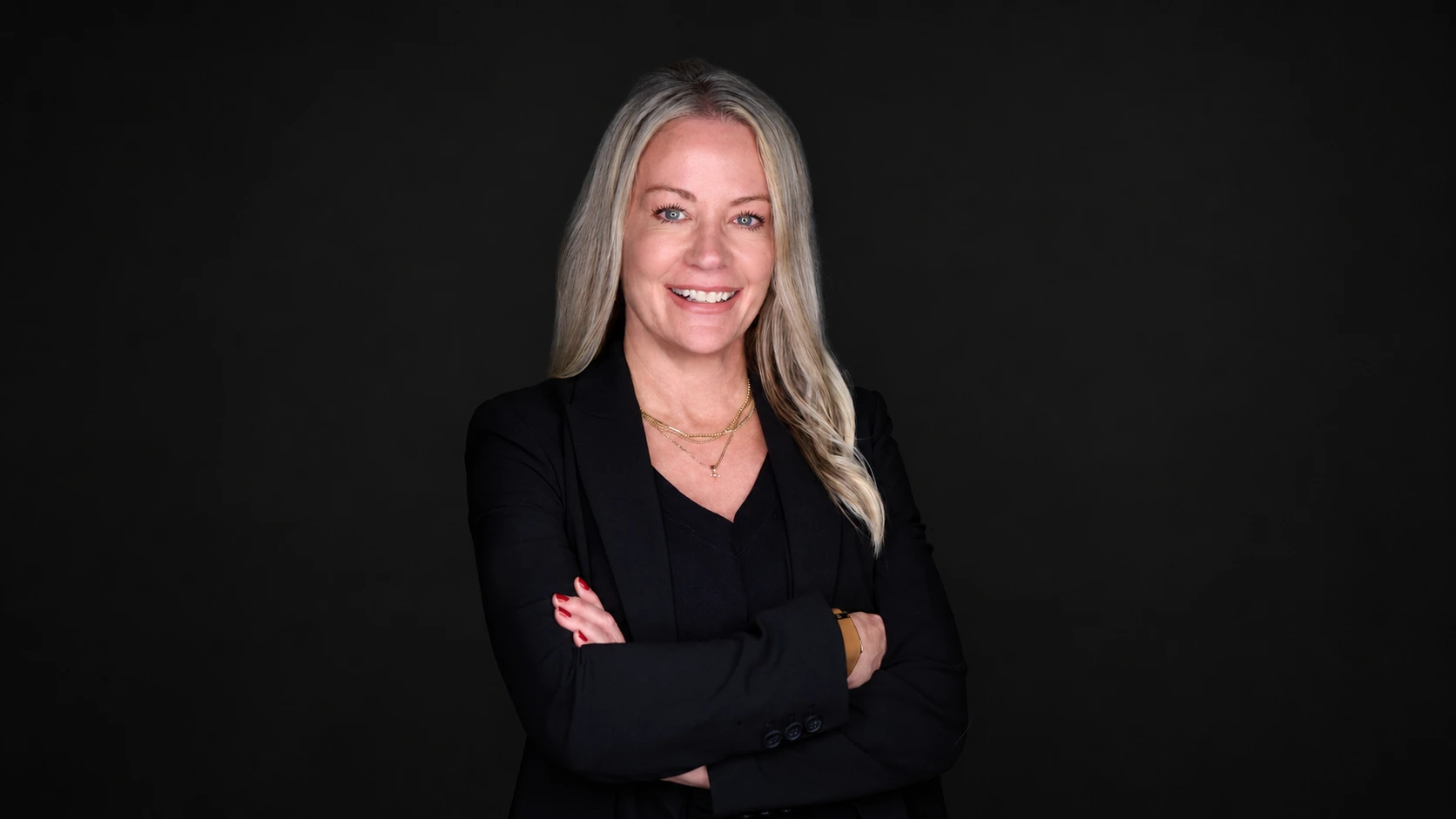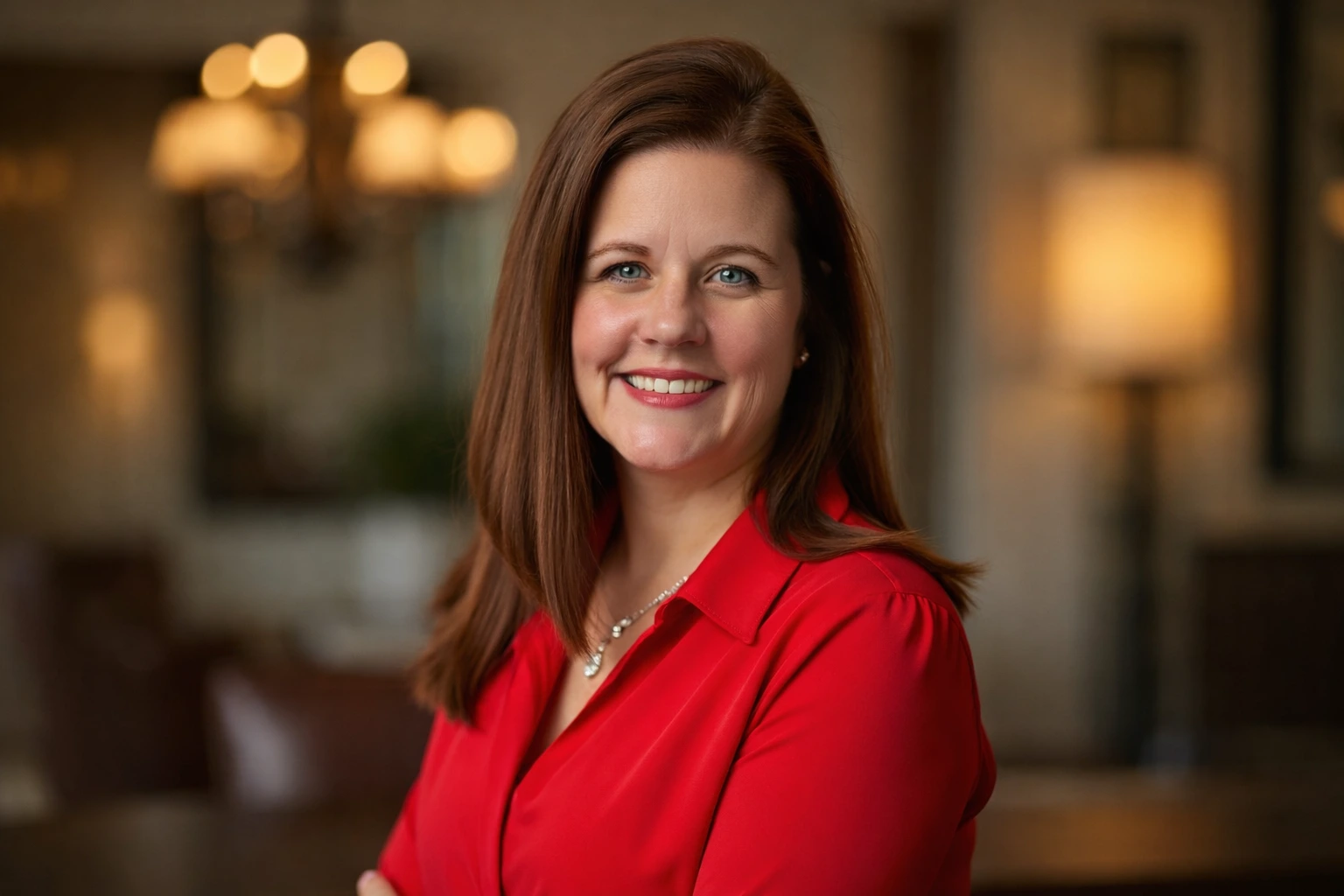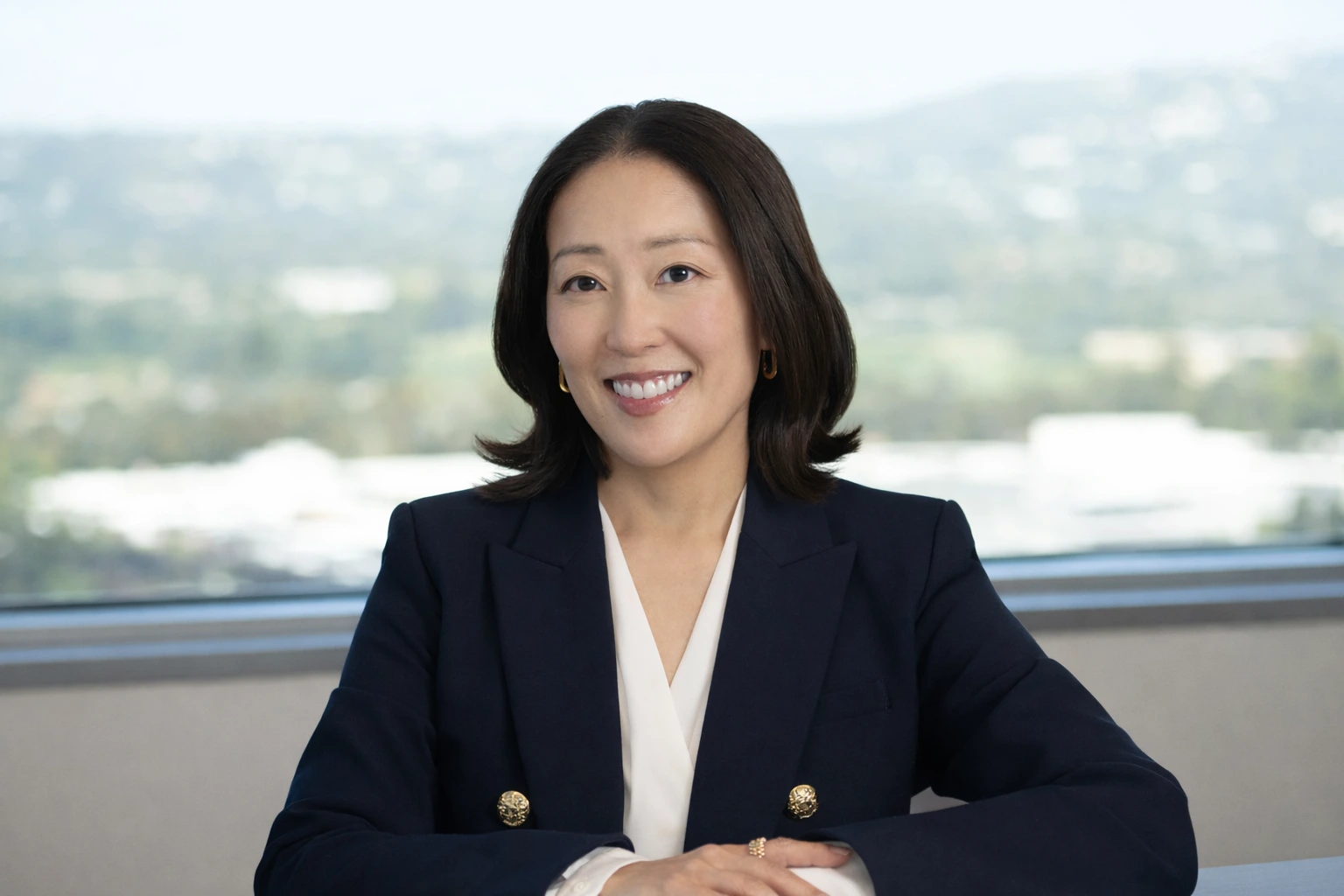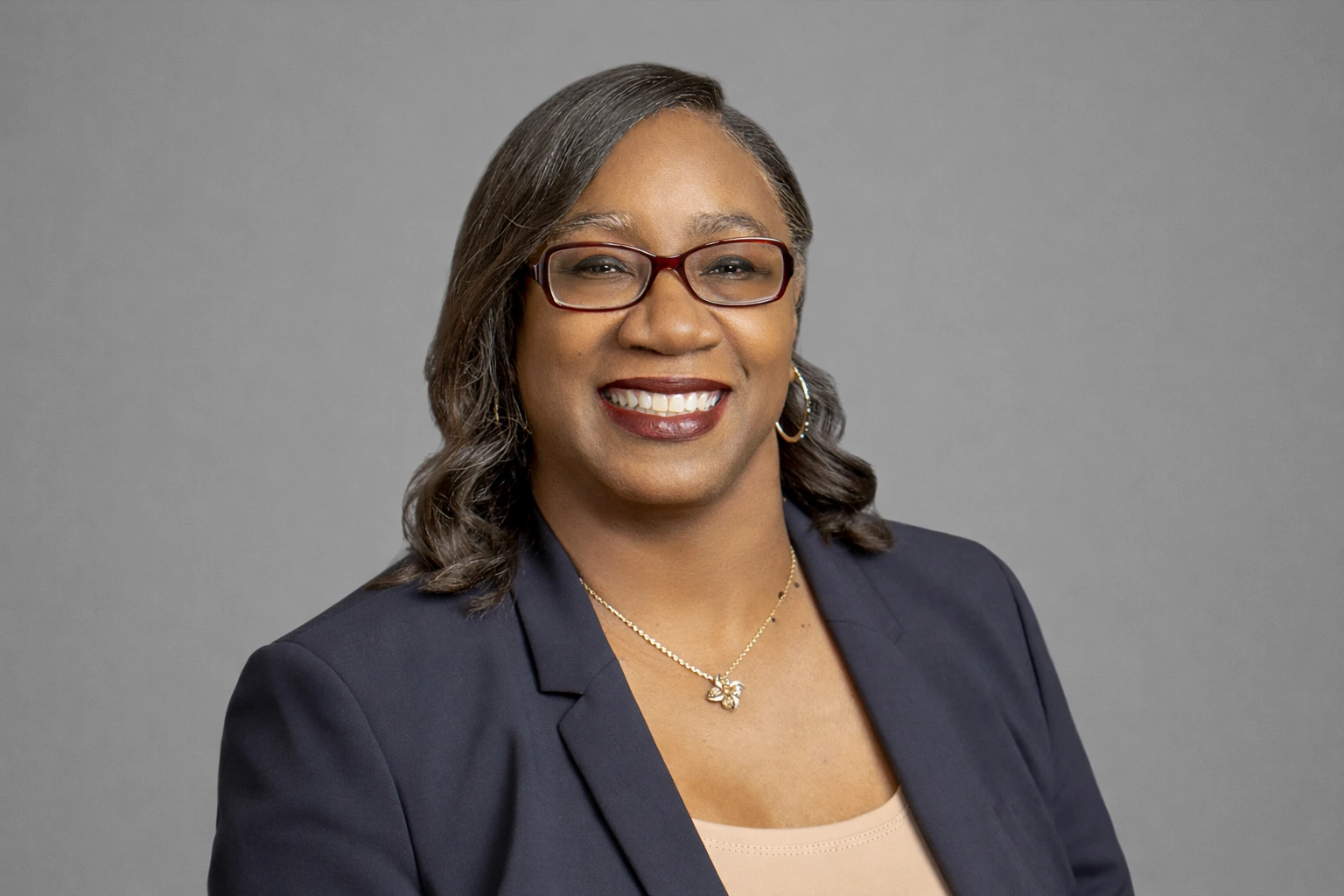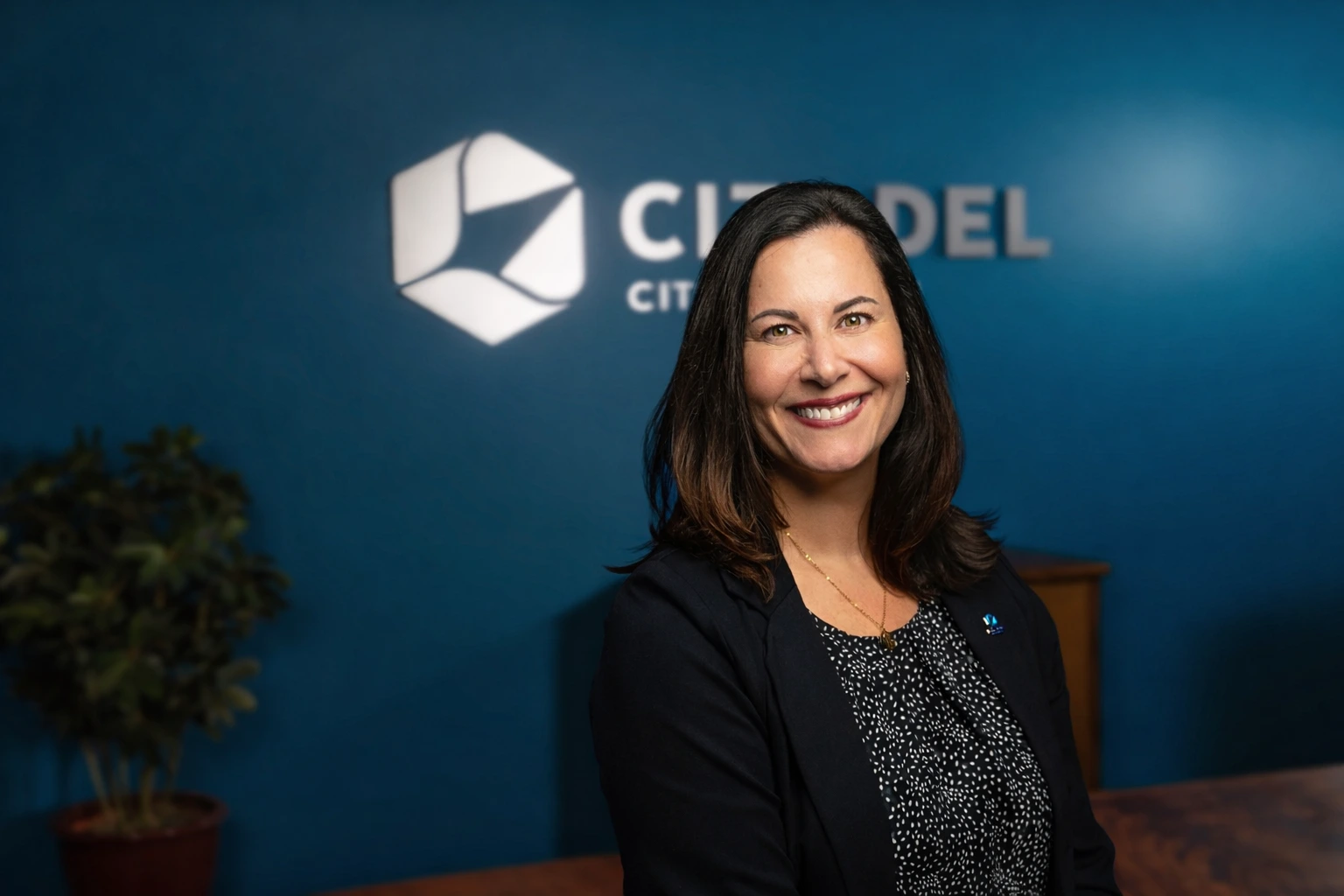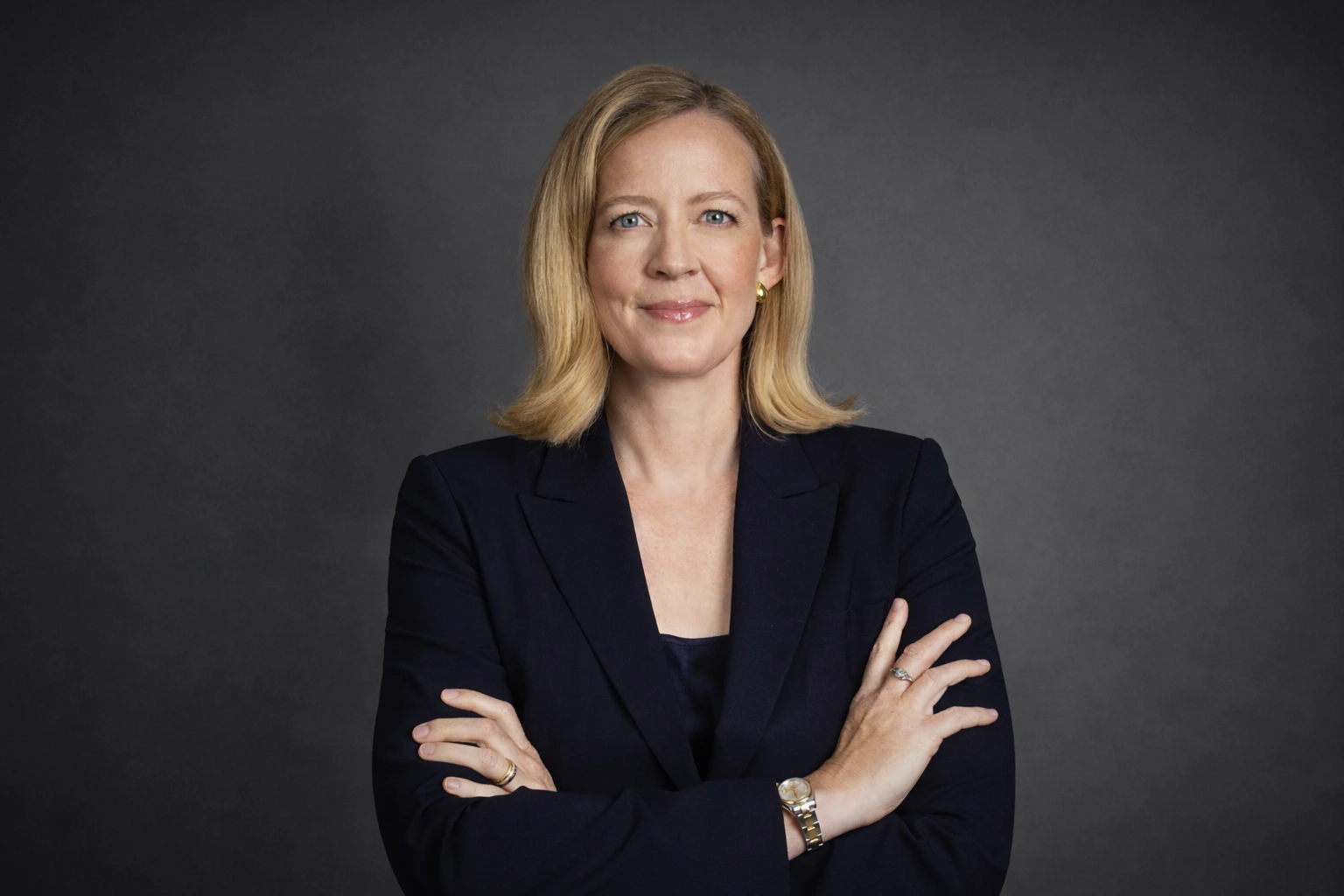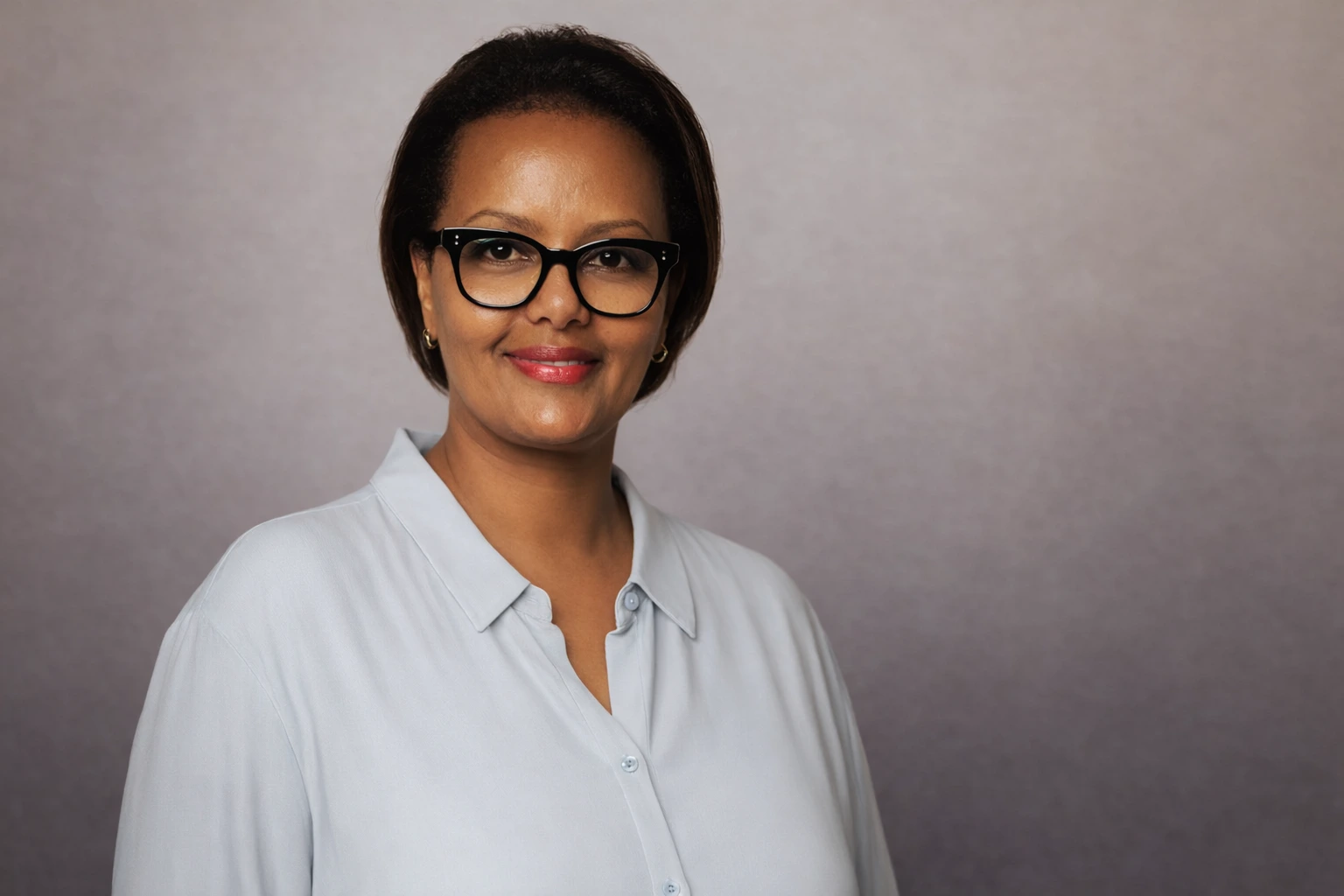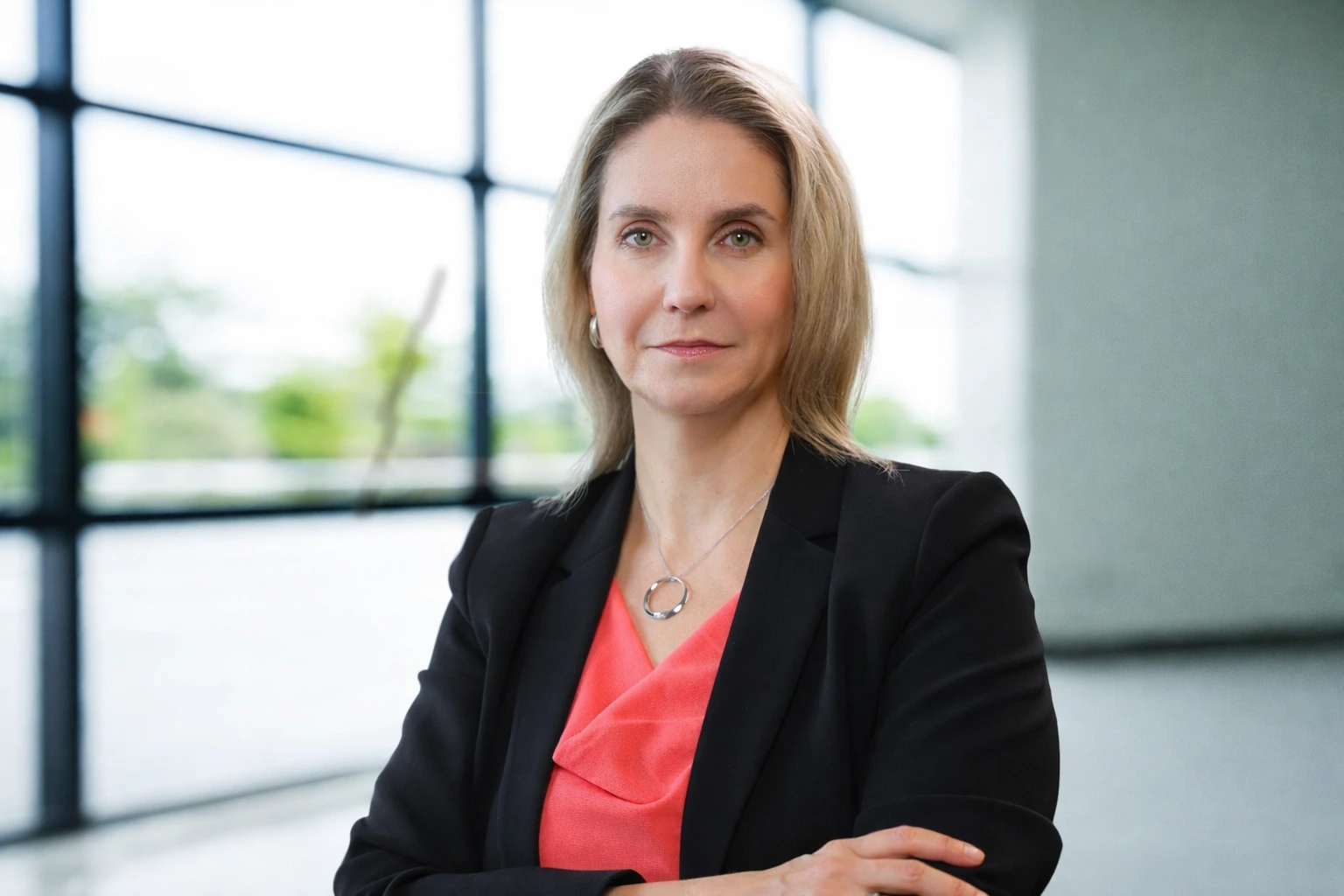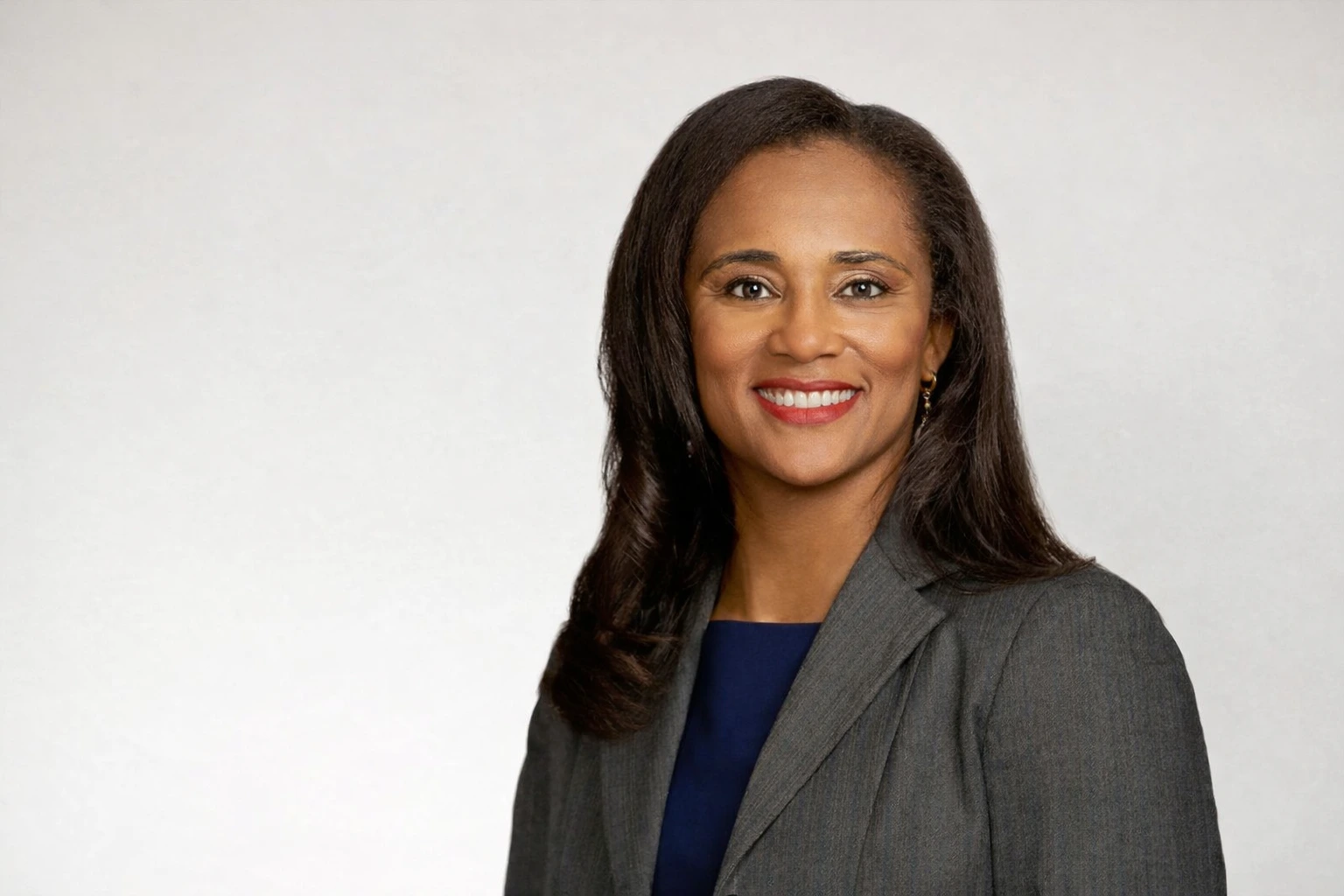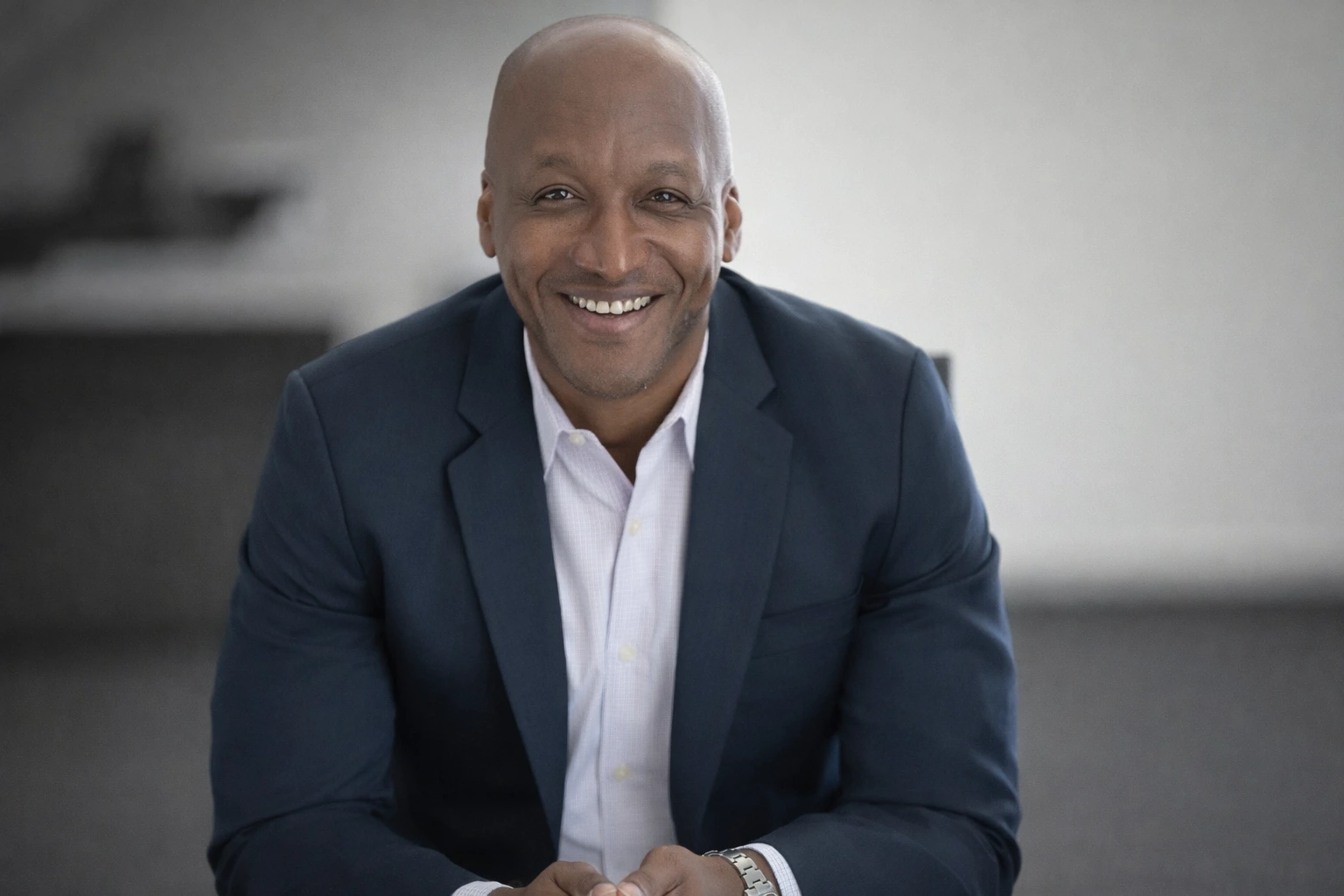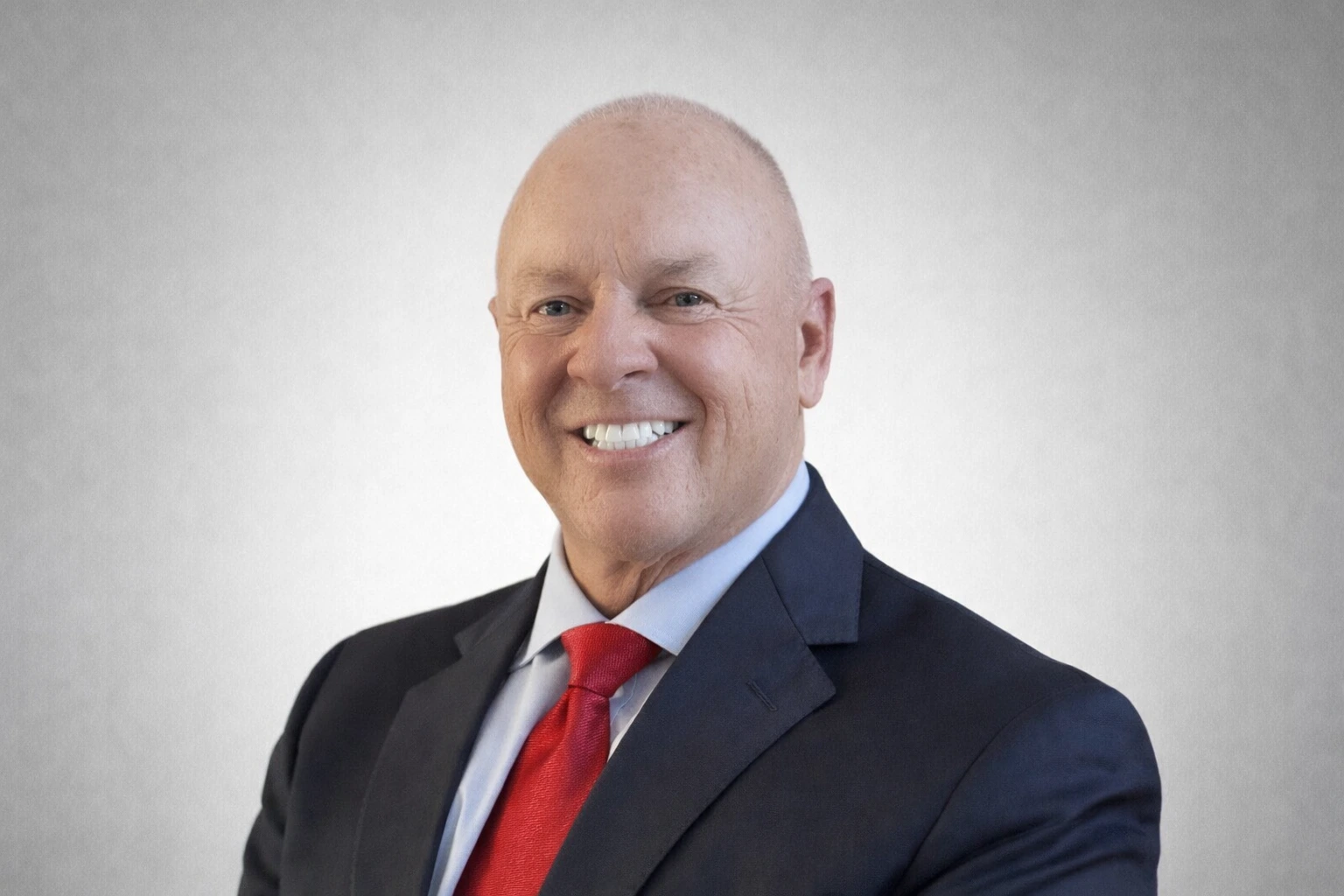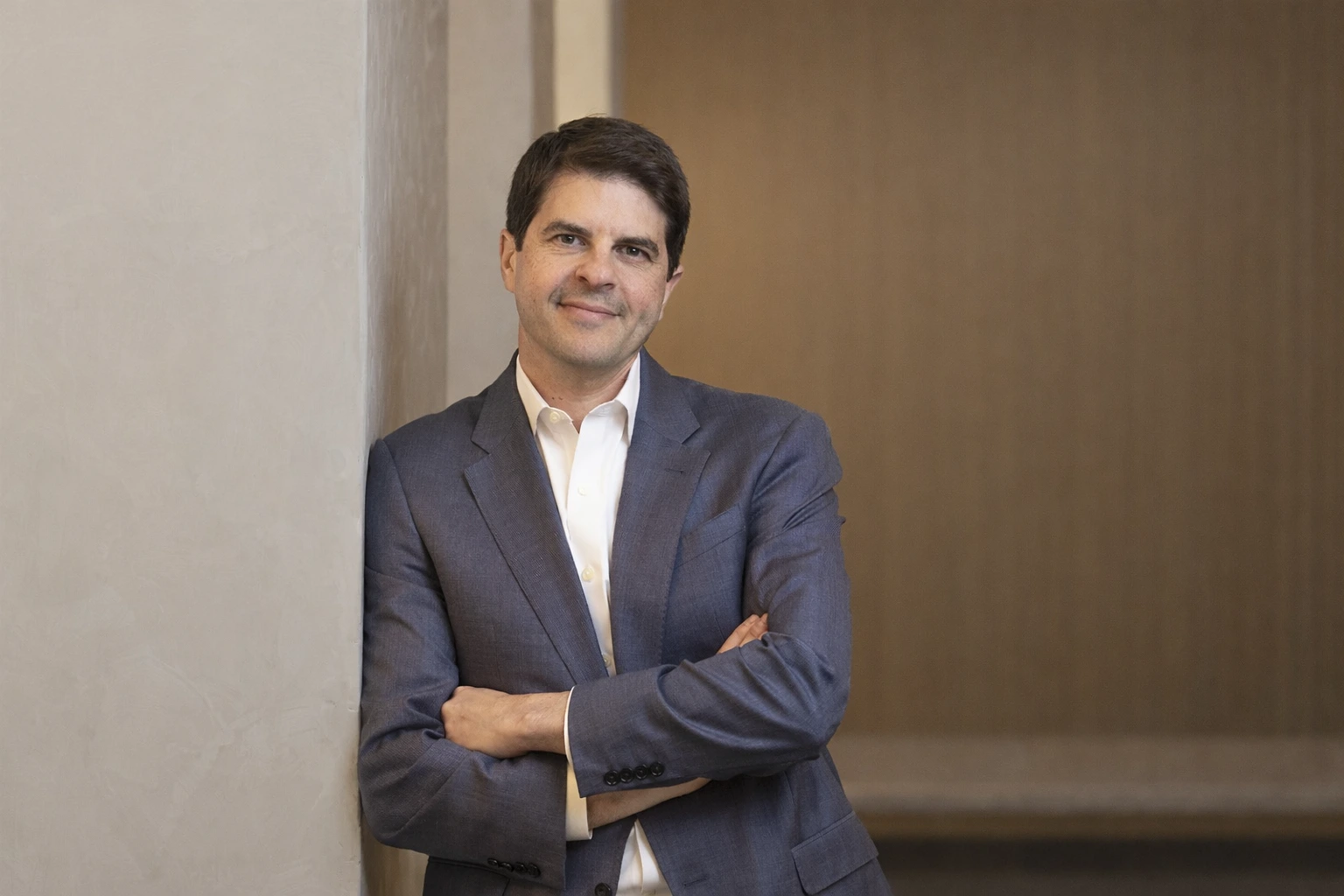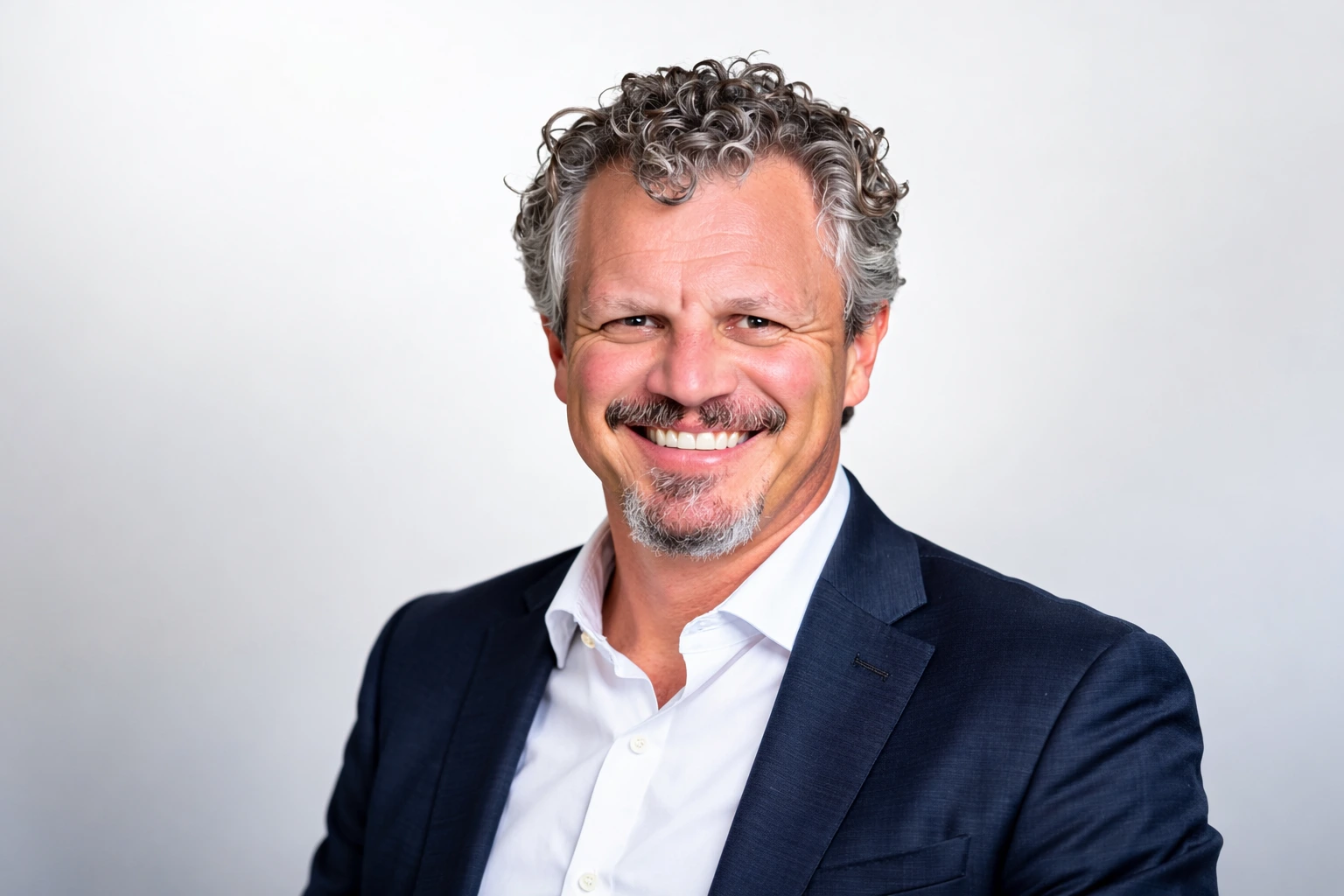
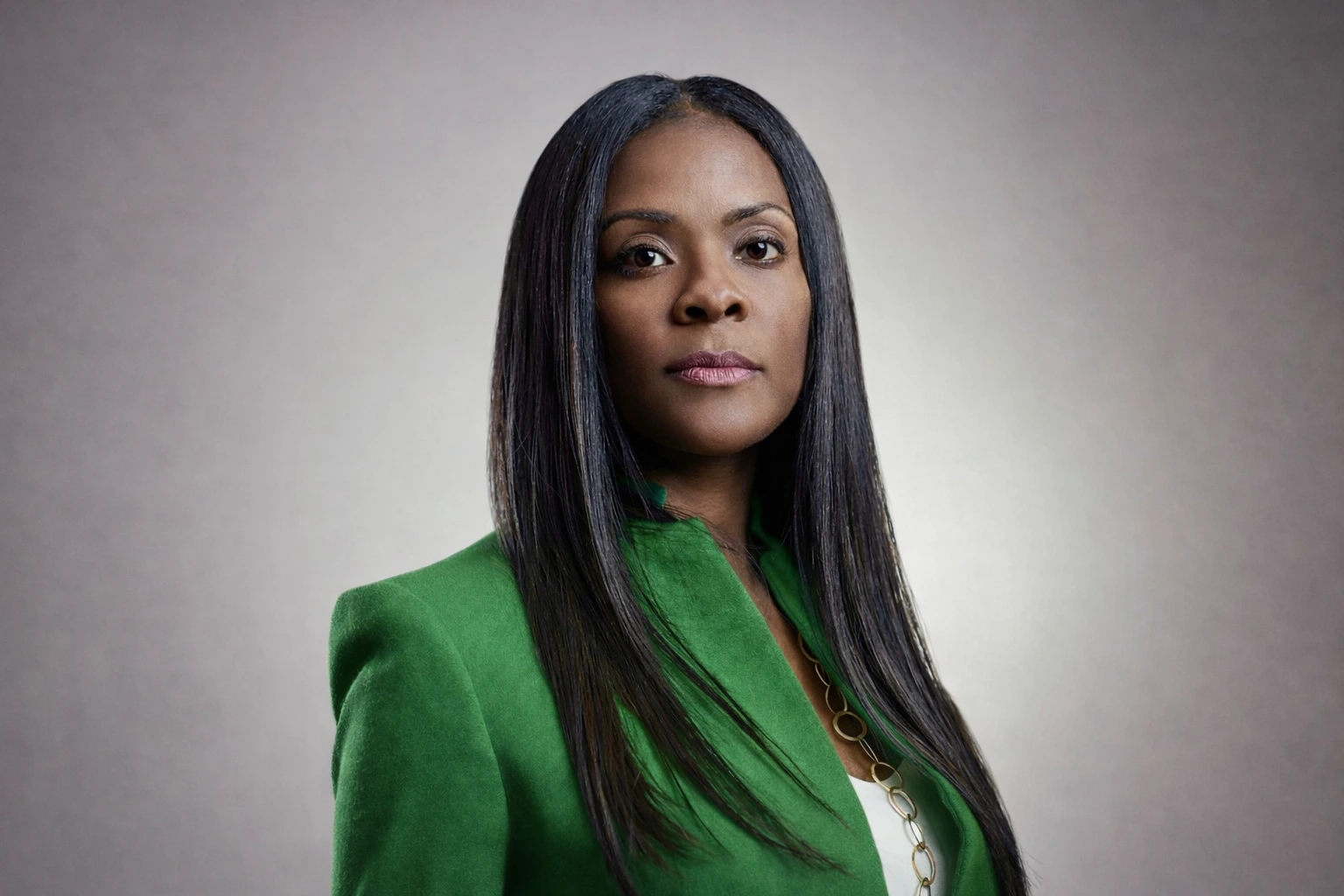
Phocas Financial Corporation has appointed Yolanda Foreman as Chairperson and CEO, marking a leadership transition that reflects both continuity and a broader shift in how mid-sized investment firms navigate changing market conditions.
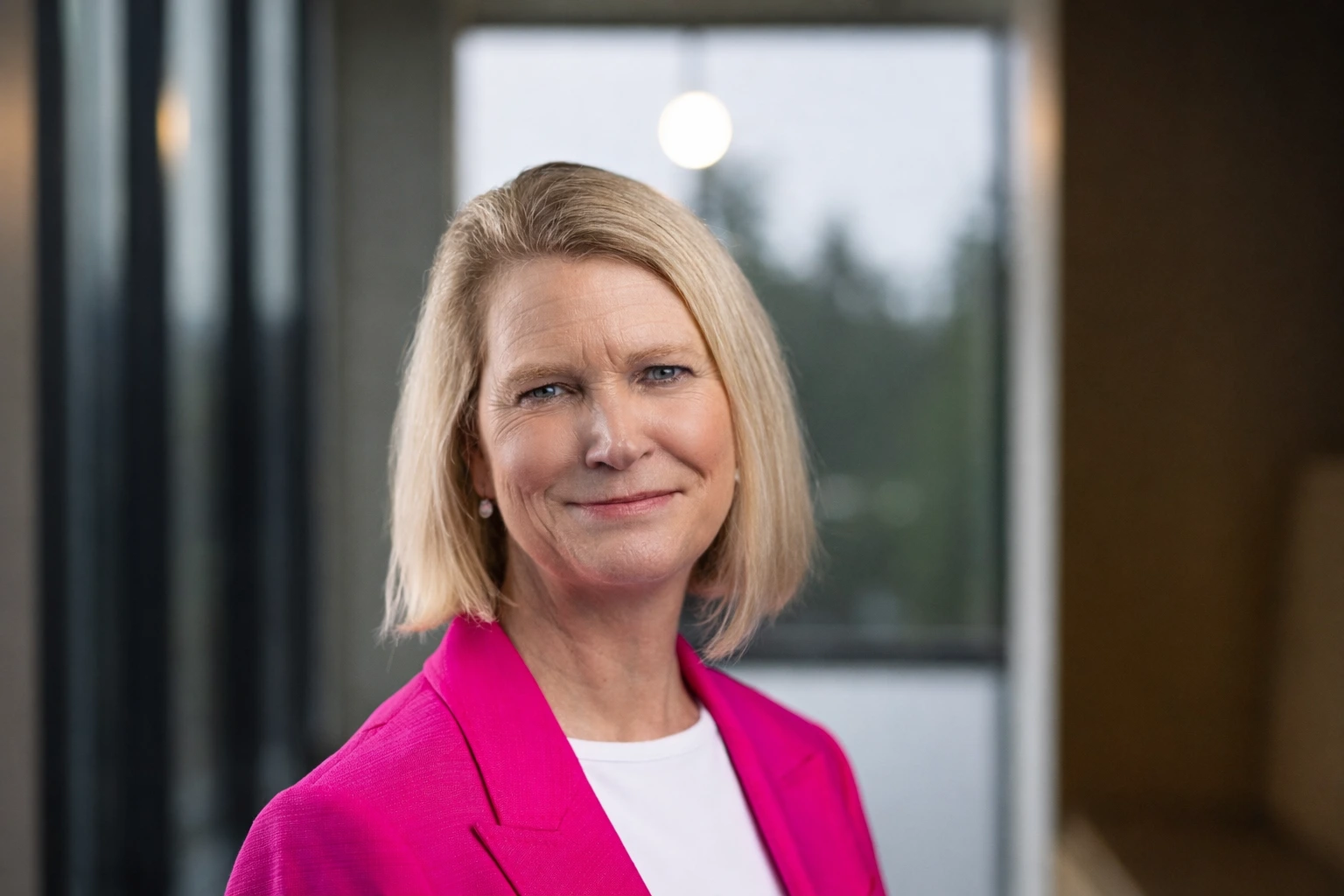
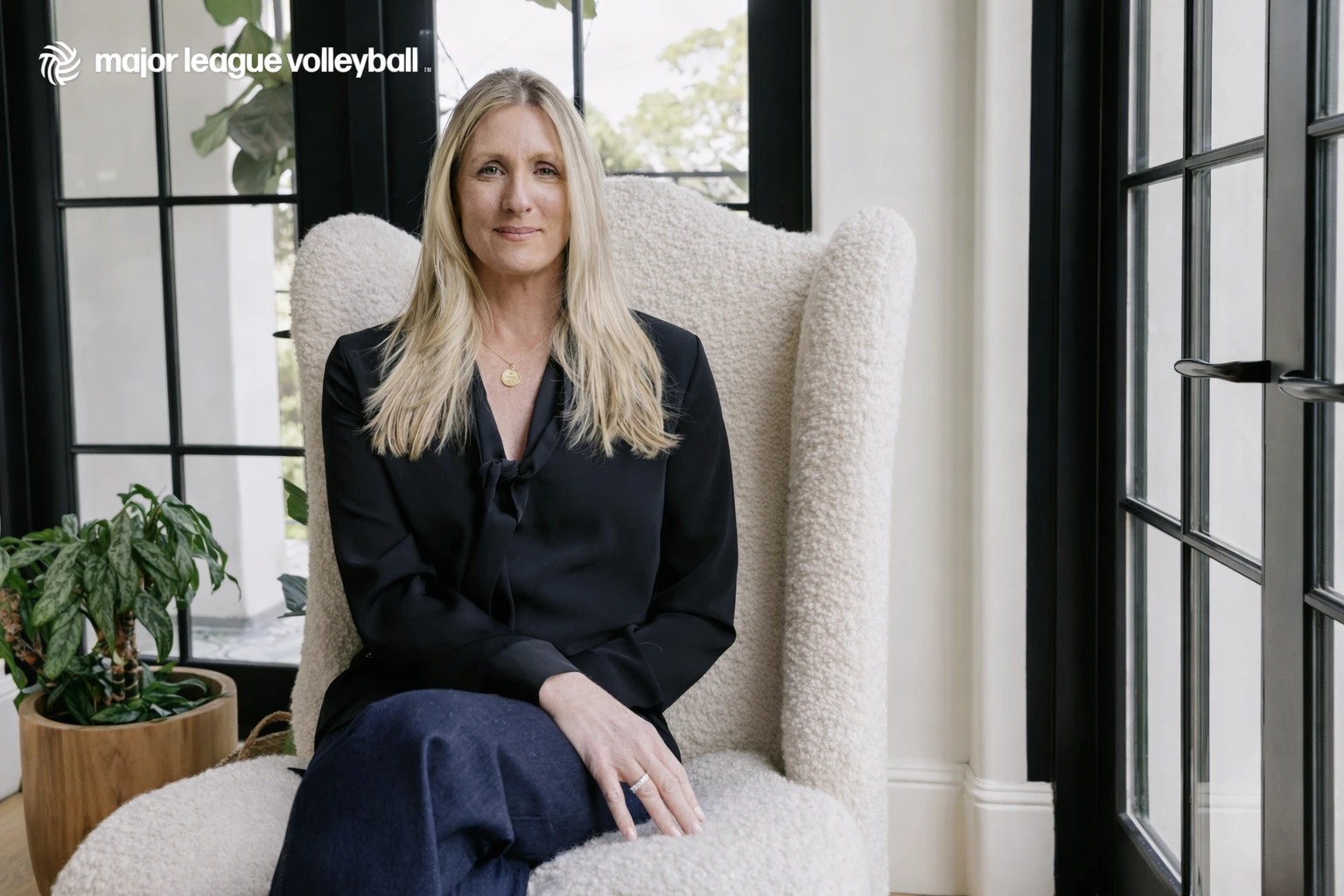
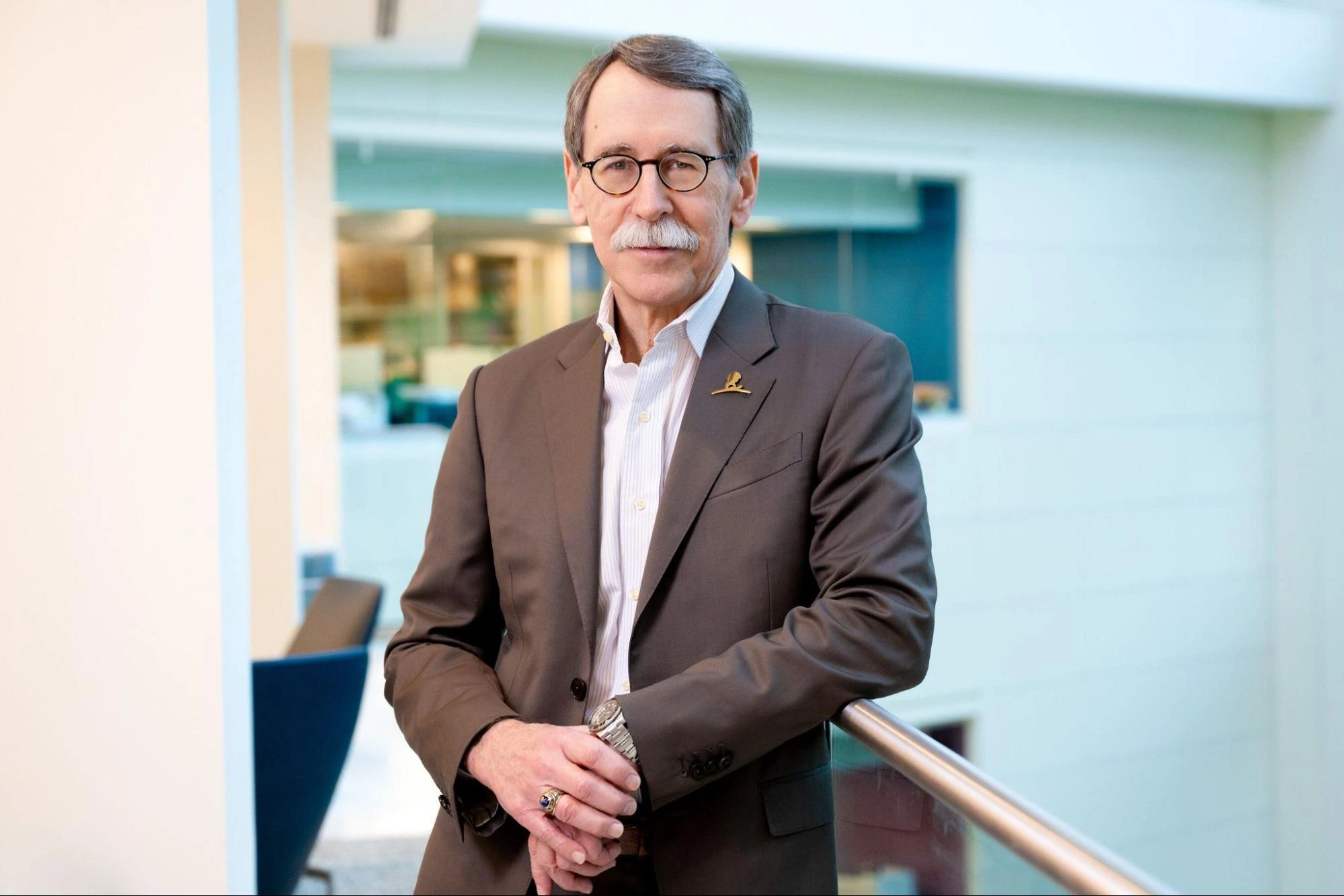
Phocas Financial Corporation announced that Yolanda Foreman will assume the role of Chairperson and Chief Executive Officer, succeeding William Schaff, who is stepping back from the firm’s institutional business. The move signals a leadership transition from within, with Foreman having joined the firm in early 2020 and played a central role during a period of significant market disruption.
Foreman’s tenure at Phocas began just as the COVID-19 pandemic reshaped global financial markets, creating an environment defined by volatility and uncertainty. Her experience guiding the firm through that period is positioned as a key factor in her appointment, suggesting an emphasis on stability and adaptability as core leadership traits. The transition also reflects a broader industry pattern, where firms increasingly elevate leaders with crisis-tested experience rather than relying solely on long-standing tenure.
The firm, which manages approximately $800 million in assets primarily for U.S. public pension plans, has built its reputation around a focused small-cap value equity strategy. Its flagship approach, launched in 2006, has delivered consistent outperformance relative to its benchmark in recent years, providing a foundation for continuity as leadership evolves.
At the same time, the leadership change highlights the importance of succession planning in investment management, particularly among firms that rely on long-term institutional relationships. By promoting from within, Phocas appears to be reinforcing client confidence while maintaining its existing investment philosophy and operational approach.
Schaff’s continued involvement in a different capacity suggests an effort to balance renewal with institutional memory. Such transitions are often delicate, requiring firms to retain strategic direction while adapting to new leadership perspectives.
As Foreman steps into the dual role of Chairperson and CEO, the firm enters a period that may test how effectively it can translate past performance into future growth. In a market environment where investor expectations and competitive pressures continue to evolve, leadership changes like this often serve as both a signal of stability and an opportunity for recalibration.