
The appointment highlights how cannabis companies are turning to regional expertise and regulatory experience as Europe’s medical market evolves and competition intensifies across fragmented frameworks
Curaleaf Holdings, Inc. has appointed Torsten Greif to its board of directors, a move that reflects the company’s increasing focus on Europe as a growth market. The decision comes as cannabis operators seek to navigate a patchwork of regulations while building scalable operations across borders.
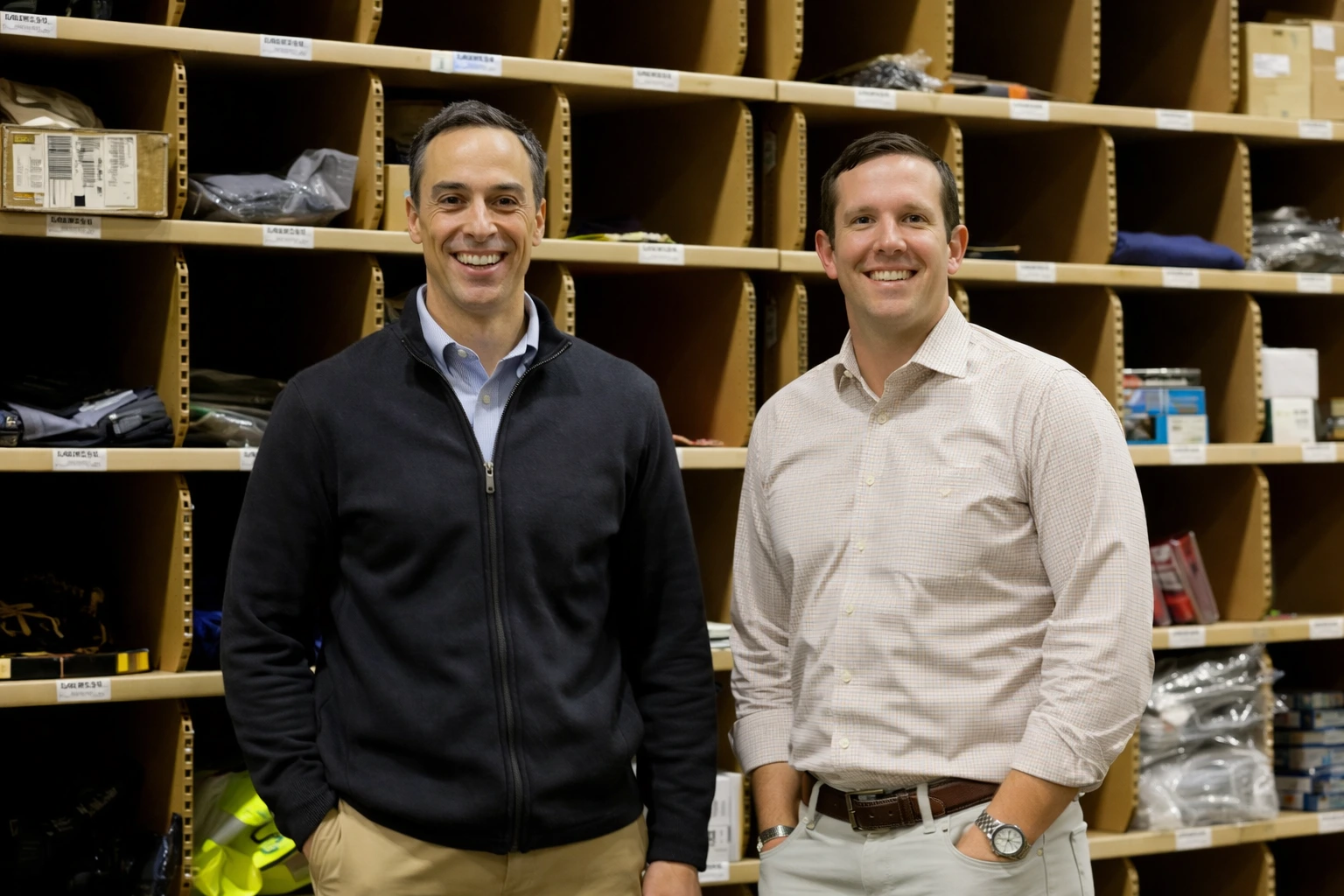
Greif brings experience as a co-founder of Four 20 Pharma GmbH, a German medical cannabis company that Curaleaf previously acquired a majority stake in. His background spans cultivation, regulatory strategy, and brand development, areas that have become critical as companies attempt to translate early market entry into sustainable infrastructure. In Germany, one of Europe’s most closely watched cannabis markets, regulatory clarity remains a moving target, making local knowledge particularly valuable.
The appointment suggests a broader strategic pattern within the cannabis industry, where companies are elevating executives with regional expertise to governance roles. Rather than relying solely on centralized leadership, firms expanding internationally are increasingly embedding market-specific insight into their decision-making structures. This reflects both the opportunity and complexity of operating in Europe, where national rules and medical frameworks differ significantly.
Curaleaf’s emphasis on integrating its European footprint aligns with a period of cautious optimism for the sector. While demand for medical cannabis continues to grow, the pace of expansion is shaped by regulatory approvals, supply chain development, and evolving public policy. Companies with established local operations, such as Four 20 Pharma, may offer a more stable foundation than greenfield market entry.
Ultimately, Greif’s addition to the board underscores how leadership composition is becoming a strategic lever in the cannabis industry’s global phase. As firms move beyond early-stage growth, governance decisions increasingly reflect the need to balance scale with compliance, and ambition with the realities of operating across diverse regulatory environments.