The planned CEO transition reflects how leadership continuity and capital strategy are becoming central as data infrastructure companies scale to meet growing demand from AI and cloud-driven services
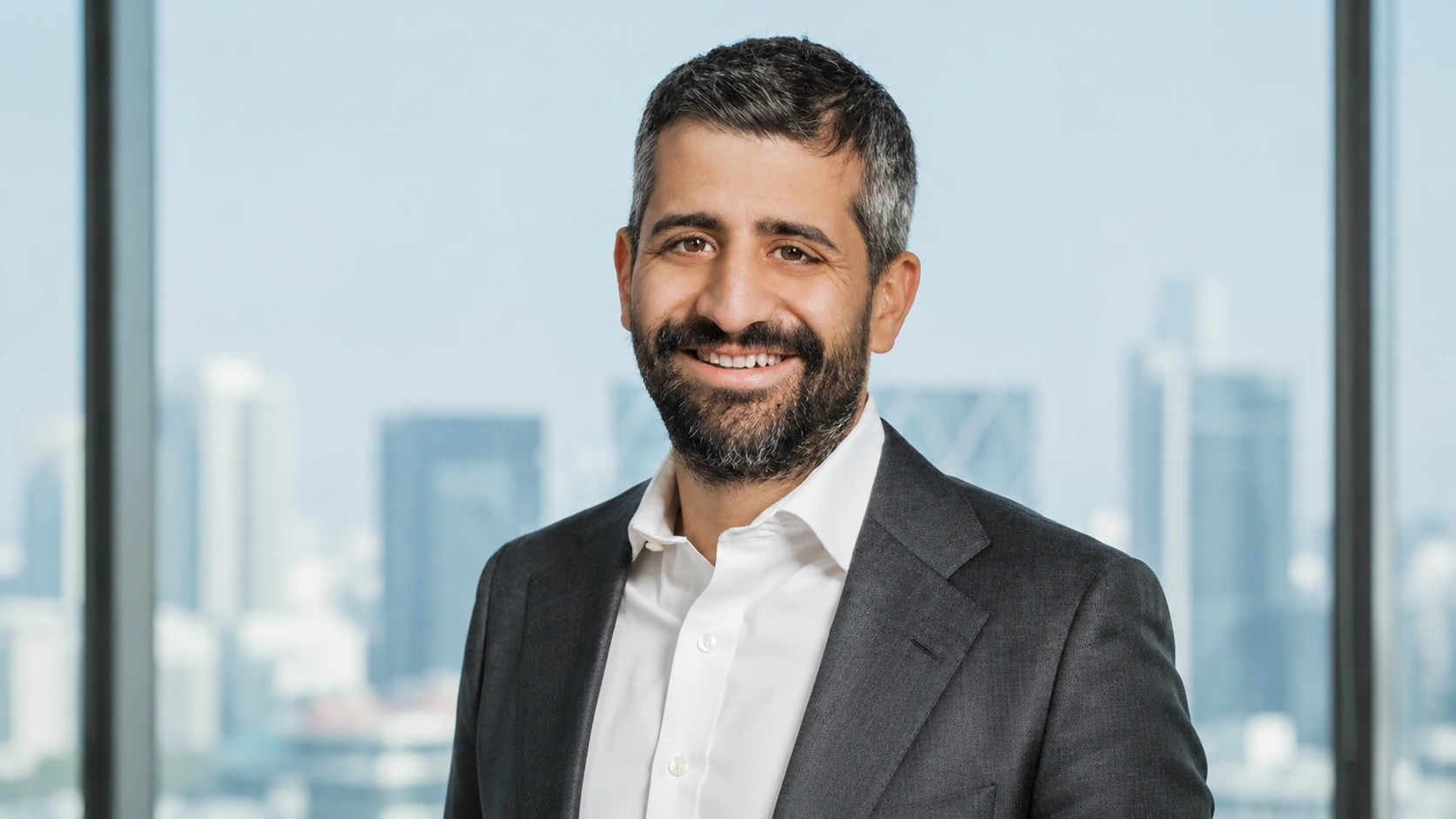
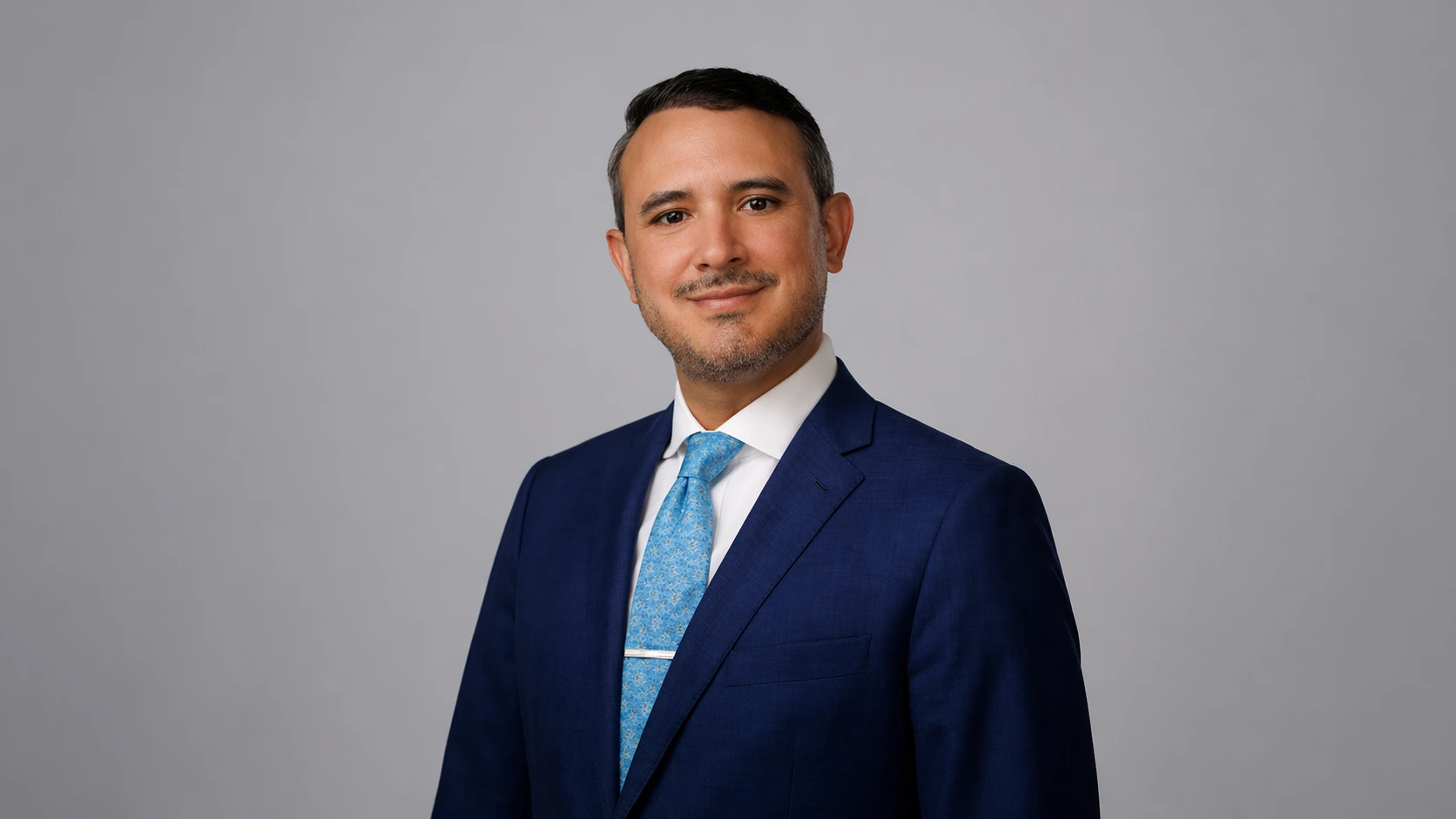
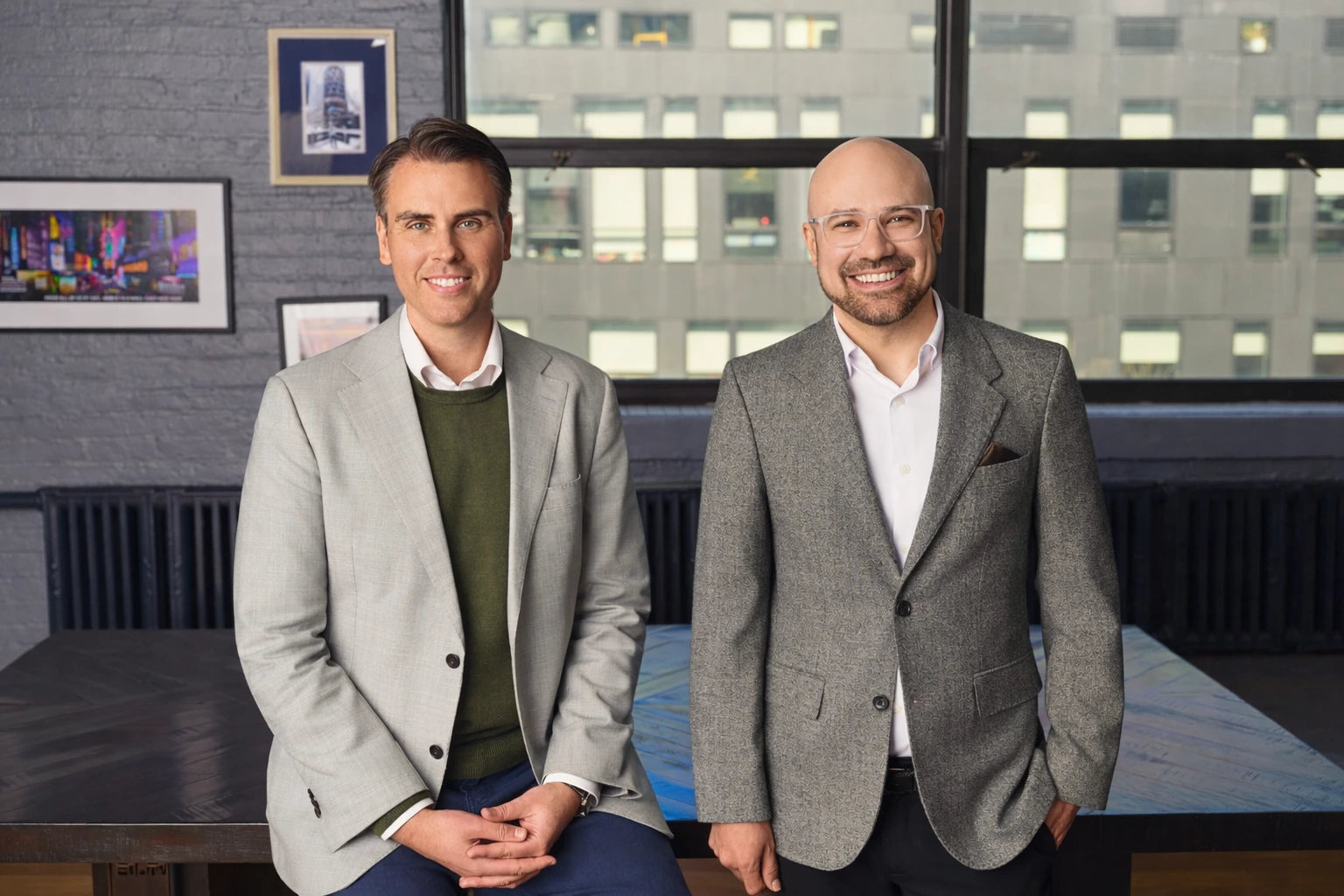
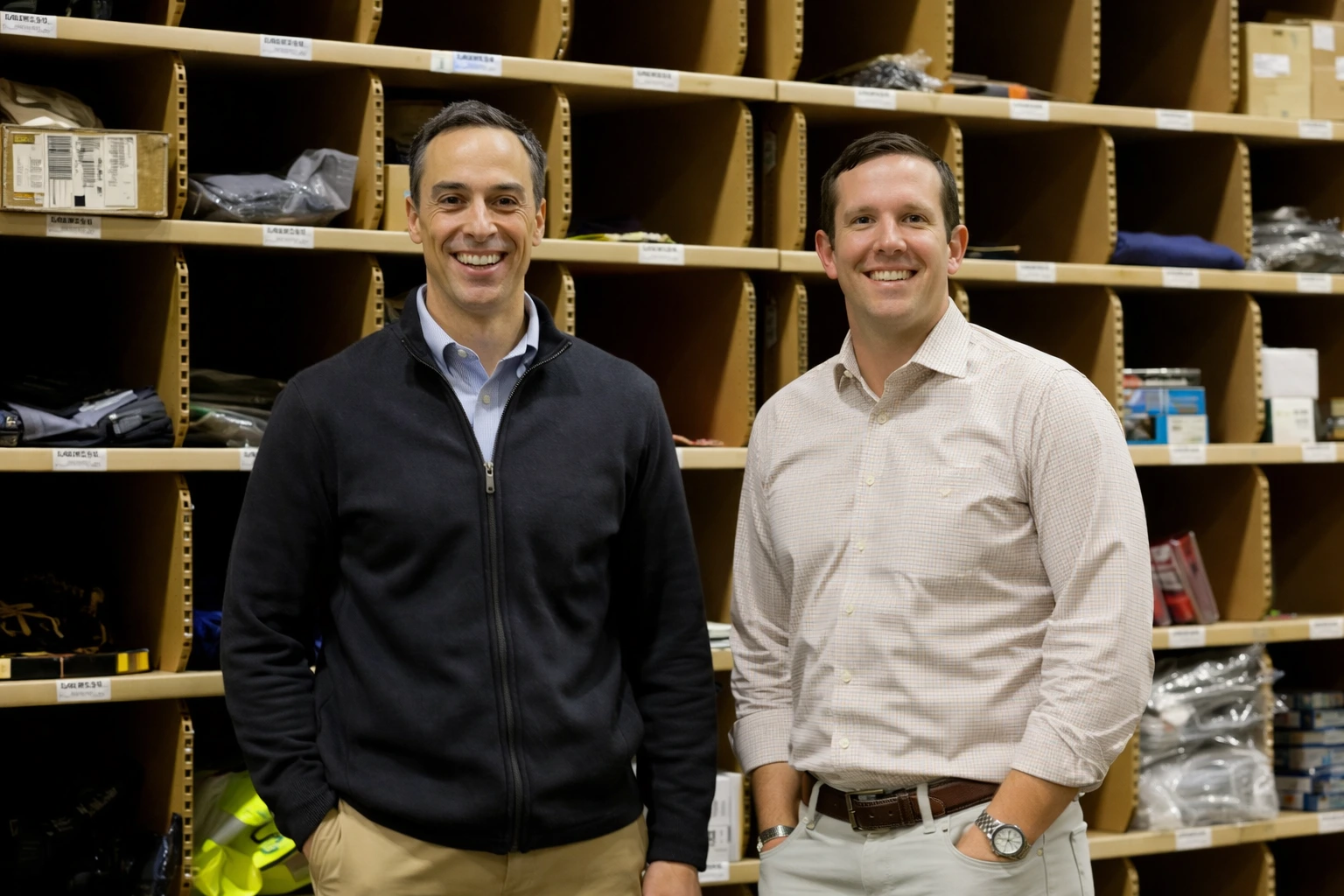
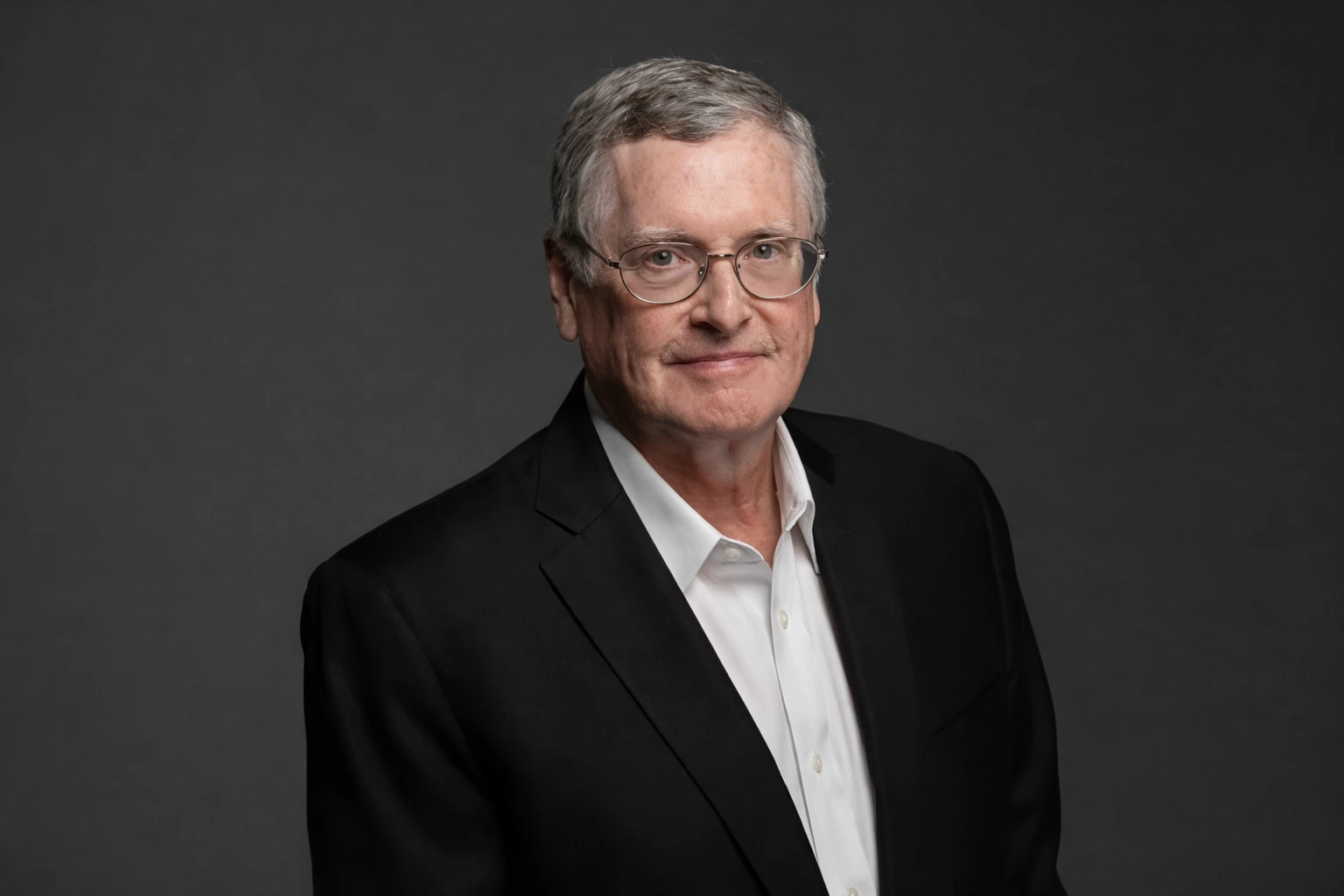
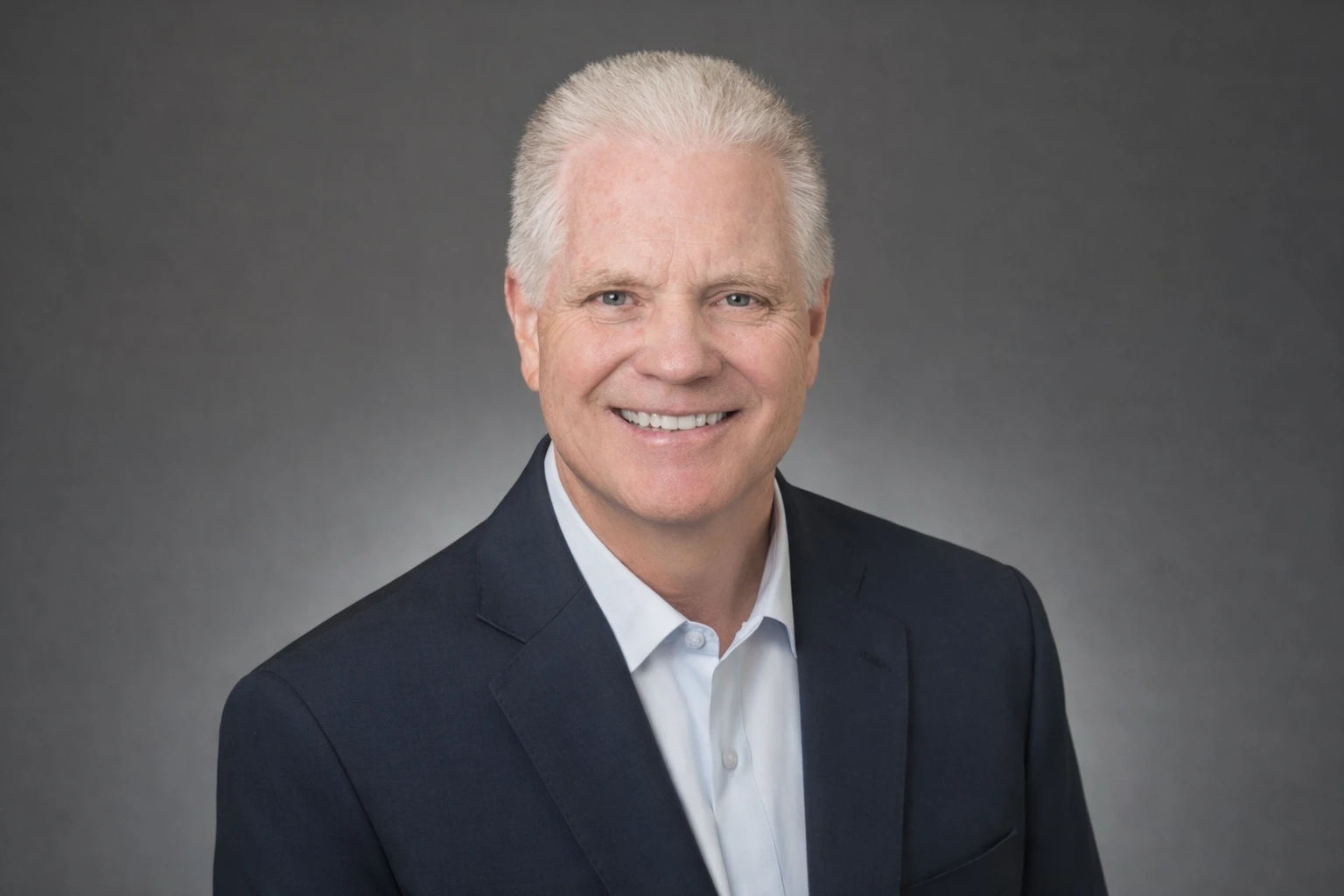
DataBank has announced a leadership transition that will see Raul Martynek move into an executive chairman role while Kevin Ooley steps in as chief executive officer at the start of 2027. The shift follows a period of rapid expansion for the company and reflects a broader pattern in digital infrastructure firms, where leadership evolves alongside increasing operational scale and capital complexity.
Martynek, who has led DataBank through significant growth since joining in 2017, will remain in place through the end of the year to support the transition. His move to executive chairman signals a shift toward long-term strategic oversight, particularly in areas such as capital partnerships and expansion planning, which have become more critical as data center operators compete to support rising demand from artificial intelligence and cloud services.
Ooley’s appointment highlights the growing importance of financial and operational expertise in leading infrastructure businesses. Having served as both president and chief financial officer, he has been closely involved in the company’s expansion, including securing investment from major institutional partners. His background suggests a continued focus on disciplined scaling, especially as the economics of large data center campuses become more complex.
The leadership change comes after a decade of transformation for DataBank, during which its footprint expanded from a handful of regional facilities to a nationwide network of more than 70 data centers. That growth mirrors broader industry trends, where consolidation and large-scale acquisitions have reshaped the competitive landscape and elevated the role of capital-intensive strategies.
As demand for computing power accelerates, particularly with the rise of AI workloads, companies like DataBank are entering a new phase defined less by rapid expansion alone and more by sustained operational efficiency. The transition from Martynek to Ooley reflects this inflection point, where continuity in leadership is intended to support both stability and adaptation in an increasingly infrastructure-driven digital economy.