Inclusion in major sustainability benchmarks highlights how TECO is embedding carbon reduction, governance, and supply chain accountability into its long-term industrial strategy
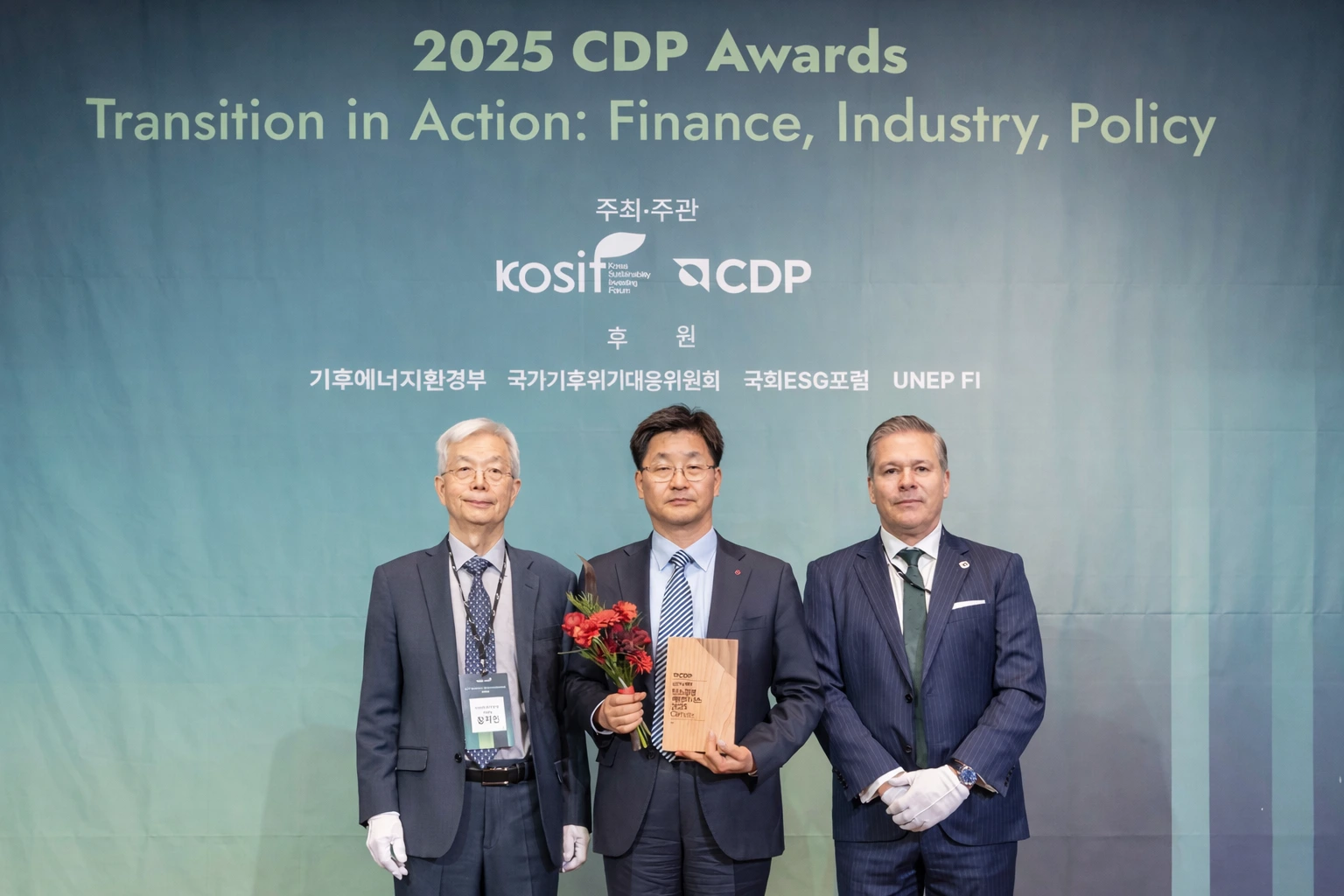
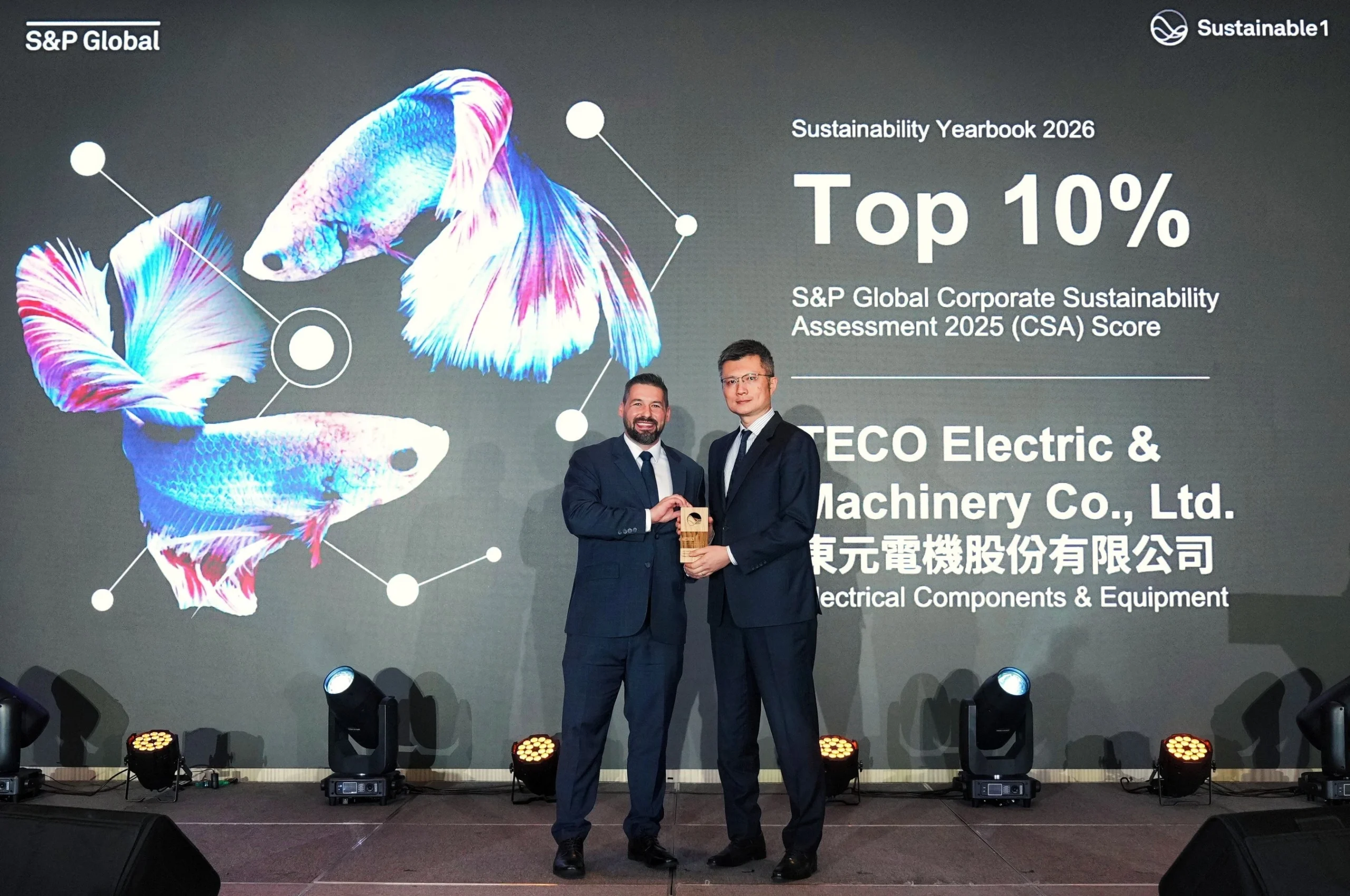
TECO Electric & Machinery Co., Ltd. has been named to S&P Global Sustainability Yearbook for the sixth time and selected for the Dow Jones Best-in-Class Indices, reflecting continued progress in environmental, social, and governance performance. The recognition places the Taiwanese industrial group among companies attempting to align traditional manufacturing operations with the growing expectations of global sustainability frameworks. It also underscores how ESG metrics are increasingly shaping investor perception and corporate competitiveness.
The announcement comes at a time when industrial firms face mounting pressure to demonstrate measurable progress toward climate goals. TECO has set a target to reduce operational emissions by 50 percent by 2030 and reports that it has already achieved more than 40 percent of that reduction. Alongside emissions targets, the company is expanding renewable energy use, with solar installations exceeding 17 megawatts and a longer-term goal of sourcing 30 percent of electricity from renewables.
Beyond headline targets, TECO has introduced internal mechanisms designed to translate sustainability commitments into operational decisions. These include an internal carbon pricing model and a dedicated carbon fund, which allocates resources toward energy management, low-carbon innovation, and emissions reduction initiatives. Such tools reflect a broader shift among industrial companies toward embedding climate considerations into financial planning, rather than treating sustainability as a parallel reporting exercise.
The company has also extended its efforts beyond its own operations, working with more than 20 partners through a government-supported manufacturing program to improve carbon management across its supply chain. This collaborative approach highlights a growing recognition that emissions reductions in heavy industry depend not only on internal efficiencies but also on coordinated action among suppliers and partners. For companies operating globally, supply chain transparency is becoming a critical component of ESG credibility.
TECO’s governance structure further reflects this integration, with climate-related metrics tied to executive performance and oversight handled at the board level. As the company marks its 70th anniversary, its sustainability initiatives suggest a broader transformation underway in industrial sectors, where long-term growth is increasingly linked to environmental accountability. Whether such strategies deliver lasting competitive advantage may depend on how effectively they translate ambition into consistent operational outcomes.